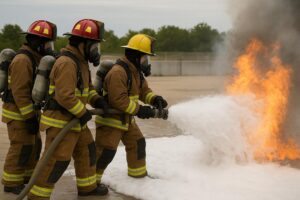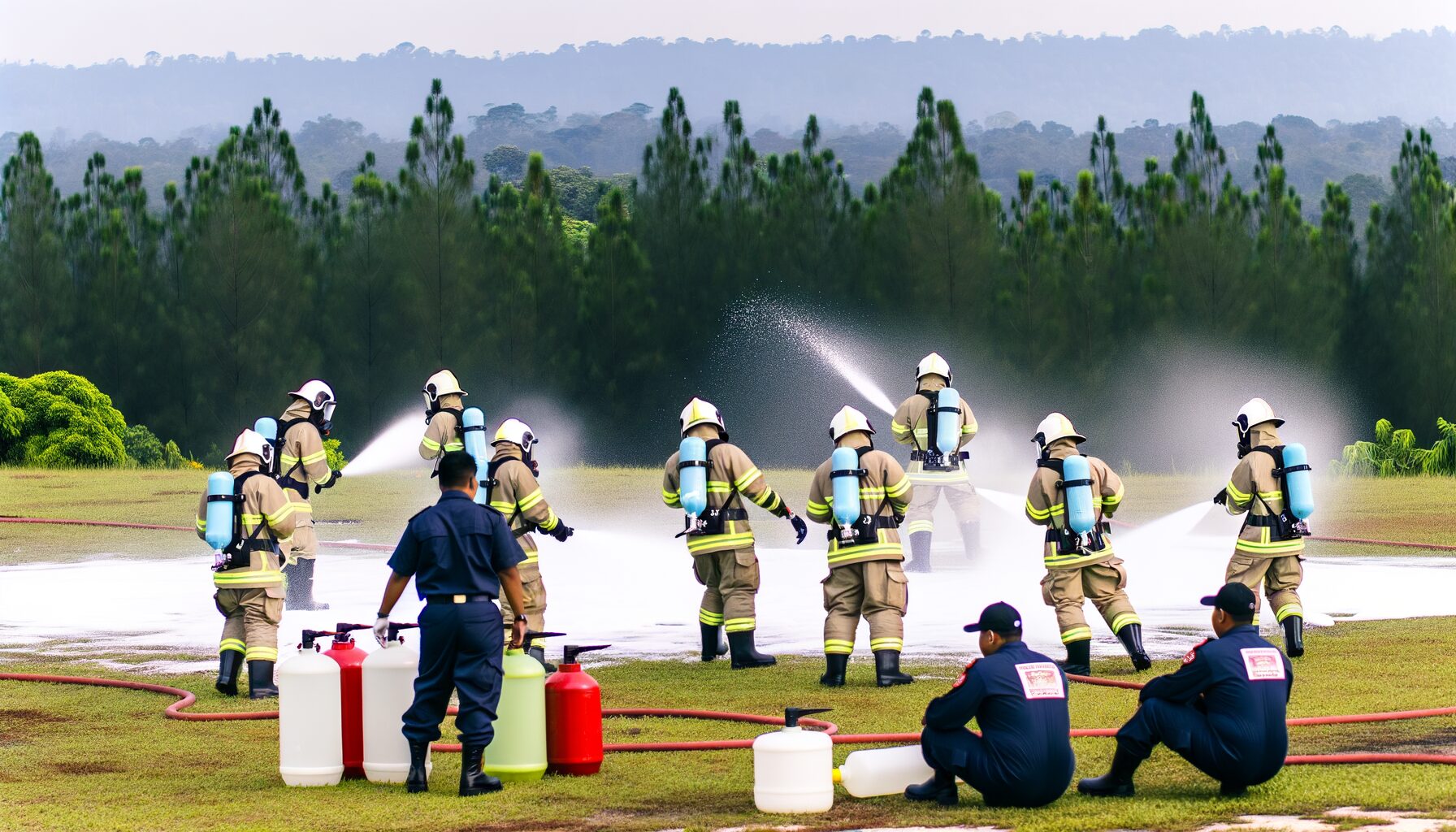
Firefighters, military personnel, and airport workers across the United States are filing claims in the AFFF cancer lawsuit after being exposed to toxic firefighting foam containing PFAS chemicals. These substances, often called “forever chemicals,” have been linked to several forms of cancer and other serious health conditions. Understanding your rights, eligibility, and the process to file an AFFF exposure claim is critical if you or a loved one has been affected.
If you believe your illness may be connected to AFFF exposure, find out if you qualify for the AFFF cancer lawsuit before time runs out.
What Is the AFFF Cancer Lawsuit?
The AFFF cancer lawsuit involves claims against manufacturers of aqueous film-forming foam (AFFF), a firefighting product used for decades to suppress fuel-based fires. The foam contains per- and polyfluoroalkyl substances (PFAS), which have been linked to cancer and other health risks. Plaintiffs allege that manufacturers failed to warn users about the dangers of PFAS exposure despite knowing the potential harm.
According to the U.S. Environmental Protection Agency, PFAS chemicals are persistent in the environment and the human body, meaning they do not break down easily and can accumulate over time. This persistence increases the risk of long-term health effects, including cancer.
AFFF Exposure Cancer Symptoms and Health Risks
Exposure to AFFF can occur through inhalation, skin contact, or contaminated water sources. Over time, PFAS chemicals can build up in the bloodstream and organs, leading to a range of health issues. Recognizing AFFF exposure cancer symptoms early can be crucial for diagnosis and treatment.
- Kidney cancer
- Testicular cancer
- Pancreatic cancer
- Liver cancer
- Thyroid disease
- Immune system disorders
Symptoms may include persistent fatigue, unexplained weight loss, abdominal pain, blood in urine, or swelling in the testicular area. The National Cancer Institute notes that early detection and medical evaluation are essential for individuals with known PFAS exposure.
Who Qualifies to File an AFFF Exposure Claim?
Eligibility for an AFFF cancer lawsuit depends on several factors, including your occupation, exposure history, and medical diagnosis. Individuals most commonly affected include:
- Firefighters (municipal, volunteer, and airport)
- Military personnel involved in fire training or suppression
- Industrial workers using AFFF for chemical or fuel fires
- Residents near military bases or airports with contaminated water
To file an AFFF exposure claim, you must demonstrate both exposure to AFFF and a related cancer diagnosis. Medical records, employment history, and environmental testing results can serve as proof of AFFF exposure for a claim.
Understanding AFFF Compensation Eligibility Criteria
Compensation in the AFFF cancer lawsuit may vary depending on the severity of illness, medical expenses, lost wages, and pain and suffering. While no outcome is guaranteed, understanding the AFFF compensation eligibility criteria can help you determine whether to pursue a claim.
Key factors influencing potential compensation include:
- Type and stage of cancer diagnosed
- Duration and intensity of AFFF exposure
- Impact on quality of life and ability to work
- Medical costs and ongoing treatment needs
- Evidence linking exposure to PFAS contamination
Many victims are also interested in learning about AFFF settlement amounts for cancer victims. While settlements vary, they are typically influenced by the strength of evidence, medical documentation, and the extent of damages proven in each case.
Filing Process and Statute of Limitations for AFFF Claims
The process to file an AFFF cancer lawsuit begins with a case review by an experienced mass tort attorney. They will evaluate your exposure history, medical diagnosis, and eligibility under current litigation guidelines. It is crucial to act quickly, as each state has a statute of limitations for AFFF claims that limits how long you have to file.
Generally, the statute of limitations ranges from one to three years from the date of diagnosis or discovery of the illness. Missing this deadline could prevent you from pursuing compensation. Therefore, it is essential to start your claim as soon as possible.
Check your eligibility for the AFFF cancer lawsuit and claim your compensation today.
Evidence Needed to Support an AFFF Cancer Lawsuit
Strong documentation is critical to building a successful claim. Plaintiffs must provide evidence linking their illness to PFAS exposure through AFFF. Common forms of proof include:
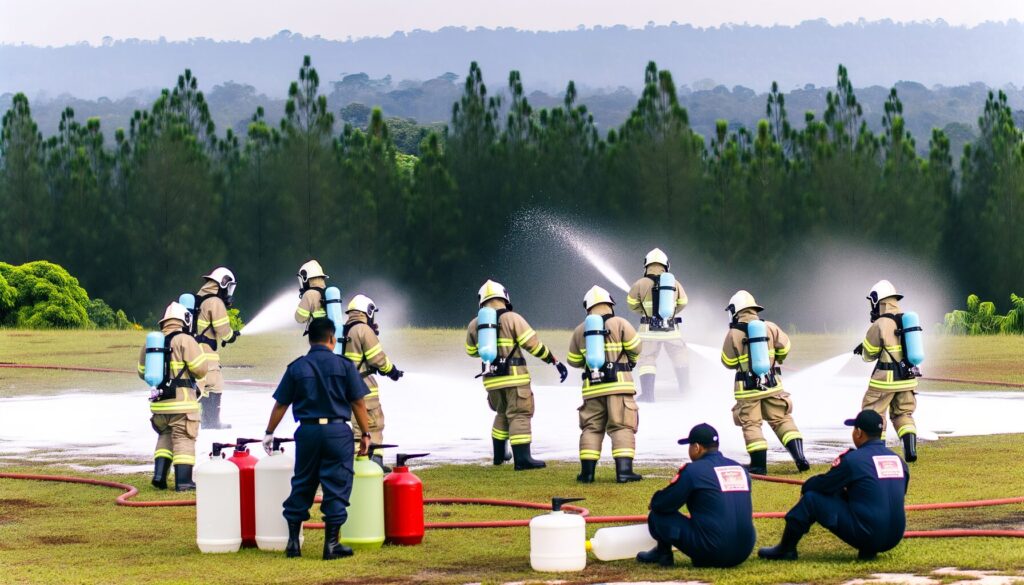
- Employment or military service records showing AFFF use
- Medical records confirming a qualifying cancer diagnosis
- Environmental testing results showing PFAS contamination
- Witness statements or training logs verifying foam exposure
Scientific research continues to strengthen the connection between PFAS and cancer. Studies published in PubMed have identified associations between PFAS exposure and increased risks of kidney and testicular cancers, supporting claims made in ongoing litigation.
Types of AFFF Cancer Claims
Different cancers have been linked to PFAS exposure, and specific claims may focus on particular diagnoses. Two of the most common include:
AFFF Testicular Cancer Claim
Firefighters and military personnel exposed to AFFF have reported higher rates of testicular cancer. Symptoms may include swelling, pain, or lumps in the testicles. Medical studies suggest PFAS can disrupt hormone function, potentially contributing to tumor growth.
AFFF Kidney Cancer Lawsuit
Kidney cancer is another major focus of the AFFF litigation. PFAS chemicals are filtered through the kidneys, where they can accumulate and cause cellular damage. Victims diagnosed with renal cell carcinoma after long-term AFFF exposure may qualify to file an AFFF kidney cancer lawsuit.
How AFFF Settlement Amounts Are Determined
While no two cases are identical, several factors influence potential AFFF settlement amounts for cancer victims:
- Medical expenses and future treatment costs
- Lost income and reduced earning capacity
- Severity and progression of the cancer
- Emotional distress and pain and suffering
- Strength of evidence linking exposure to illness
Settlements in mass tort cases often depend on the number of plaintiffs, the strength of scientific evidence, and the willingness of manufacturers to negotiate. Attorneys may pursue individual or global settlements depending on case circumstances.
Steps to Take if You Suspect AFFF Exposure
If you believe you were exposed to AFFF and are experiencing symptoms, take the following steps:
- Seek medical evaluation and testing for PFAS levels
- Document your work history and potential exposure sources
- Consult with a legal professional experienced in AFFF litigation
- Preserve any evidence, including photos or records of foam use
Early action can help protect your rights and ensure you meet filing deadlines. Start your free AFFF cancer lawsuit case review now and protect your legal rights.
Frequently Asked Questions About the AFFF Cancer Lawsuit
What cancers are linked to AFFF exposure?
Research has linked AFFF exposure to kidney, testicular, pancreatic, liver, and bladder cancers. Studies continue to evaluate additional potential health effects related to PFAS chemicals.
Who can file an AFFF cancer lawsuit?
Firefighters, military members, industrial workers, and residents near contaminated sites who developed cancer after PFAS exposure may be eligible to file a claim.
What proof is needed for an AFFF exposure claim?
Claimants typically need medical records confirming a cancer diagnosis, employment or service records showing AFFF use, and evidence of PFAS contamination in their environment.
How long do I have to file an AFFF claim?
The statute of limitations for AFFF claims varies by state, generally between one and three years from the date of diagnosis or discovery of the illness.
Are there average AFFF settlement amounts for cancer victims?
Settlement amounts vary widely based on individual circumstances, including the type of cancer, medical costs, and strength of evidence. No specific average applies to all cases.
Can family members file on behalf of deceased victims?
Yes, surviving family members may be able to file wrongful death claims if a loved one passed away due to cancer linked to AFFF exposure.
How can I find out if I qualify for compensation?
You can see if you can join the AFFF cancer lawsuit and pursue the payout you deserve by completing a free case review with a qualified legal team.