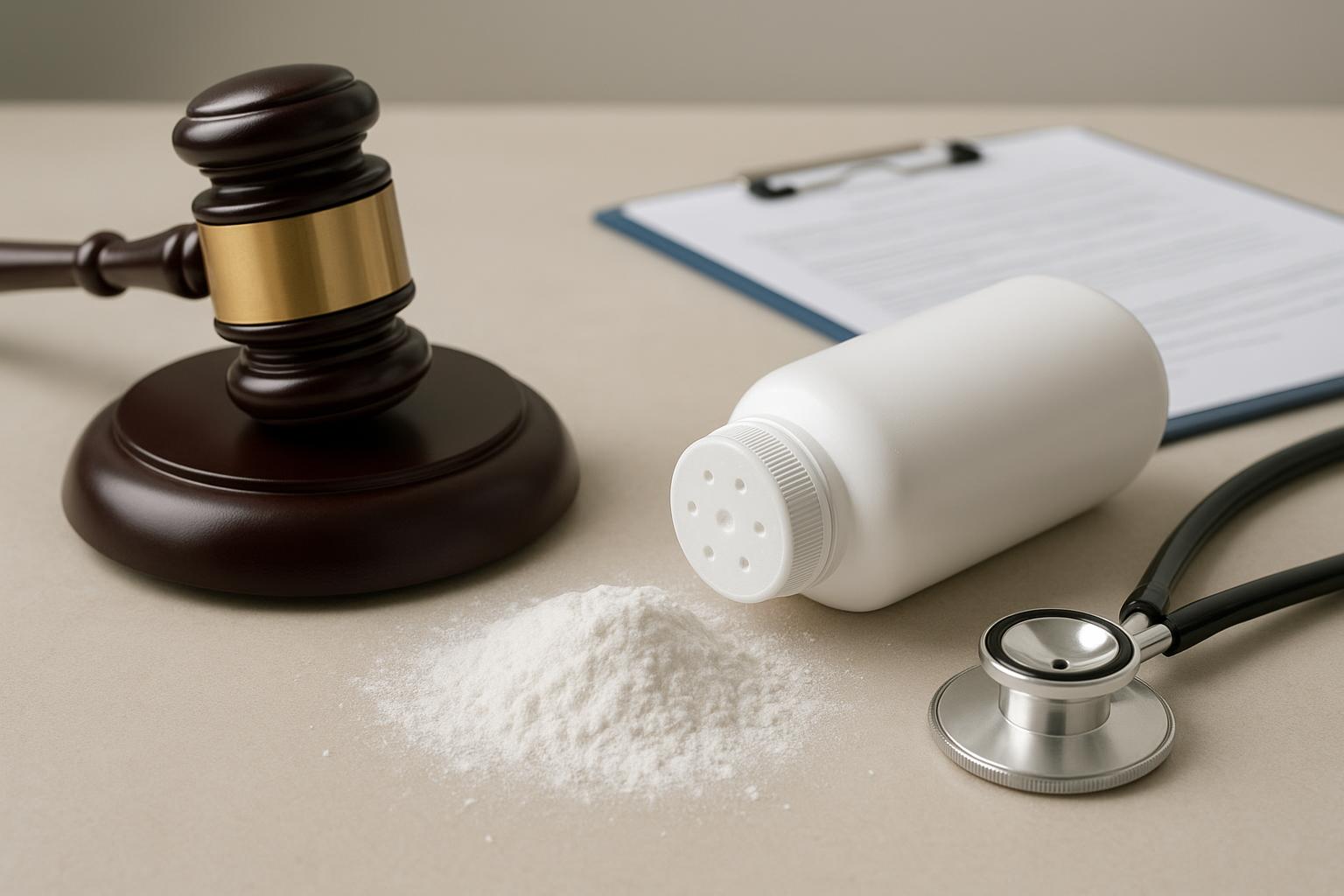
Thousands of women have filed claims linking long-term talcum powder use to ovarian cancer. The talcum powder lawsuit ovarian cancer cases allege that manufacturers failed to warn consumers about potential cancer risks. If you or a loved one developed ovarian cancer after using talc-based products, you may be eligible to pursue compensation through a lawsuit.
Understanding the symptoms, diagnosis, and legal process is crucial before filing a claim. This guide explains what you need to know about eligibility, evidence, and potential settlement amounts. Check your eligibility for the talcum powder ovarian cancer lawsuit today.
Understanding the Link Between Talcum Powder and Ovarian Cancer
Talc is a naturally occurring mineral often used in baby powder and cosmetic products to absorb moisture and reduce friction. However, some talc deposits are found near asbestos, a known carcinogen. Studies have raised concerns that talc particles may travel through the reproductive tract and cause inflammation that contributes to ovarian cancer.
According to the National Cancer Institute, research on talc and ovarian cancer has produced mixed results, but several large studies have found an increased risk among women who regularly used talcum powder in the genital area. This evidence has led to thousands of lawsuits against major manufacturers.
Talc Ovarian Cancer Symptoms and Diagnosis
Recognizing ovarian cancer symptoms early can make a significant difference in treatment outcomes. Unfortunately, ovarian cancer often develops silently and is diagnosed at a later stage. Common symptoms include:
- Persistent abdominal bloating or swelling
- Pelvic or lower back pain
- Changes in bowel habits
- Frequent urination
- Loss of appetite or feeling full quickly
- Fatigue or unexplained weight loss
Diagnosis typically involves a combination of pelvic exams, imaging tests such as ultrasounds or CT scans, and blood tests for tumor markers like CA-125. A biopsy is required to confirm the presence of cancer cells. The Mayo Clinic provides detailed information on ovarian cancer testing and treatment options.
Who Is Eligible for the Talcum Powder Lawsuit?
Eligibility for a talcum powder lawsuit ovarian cancer claim depends on several factors. You may qualify if you:
- Used talc-based baby powder or body powder for personal hygiene over an extended period
- Were diagnosed with ovarian cancer or mesothelioma
- Have medical records linking your diagnosis to talc exposure
- File your claim within the applicable statute of limitations
Each state has its own talcum powder lawsuit statute of limitations, which determines how long you have to file a claim after diagnosis. Missing this deadline can prevent you from pursuing compensation. It’s important to act quickly to preserve your rights. Find out now if you are eligible for compensation from the talcum powder lawsuit.
Evidence Needed to File a Talcum Powder Ovarian Cancer Claim
Strong evidence is essential to support your claim. Plaintiffs typically need to provide:
- Medical documentation confirming an ovarian cancer diagnosis
- Proof of long-term talcum powder use (receipts, product packaging, or witness statements)
- Pathology reports showing talc particles in ovarian tissue, if available
- Expert testimony linking talc exposure to your cancer
Lawyers handling mass tort claims often work with medical experts to establish causation and demonstrate that the manufacturer failed to warn consumers about known risks.
Filing a Talcum Powder Lawsuit for Ovarian Cancer
The process to file a talcum powder lawsuit for ovarian cancer typically includes several steps:
- Case Evaluation: A legal team reviews your medical history and product use to determine eligibility.
- Evidence Collection: Attorneys gather medical records, pathology reports, and proof of product use.
- Filing the Claim: Your attorney files the lawsuit in the appropriate jurisdiction, often as part of a multidistrict litigation (MDL).
- Discovery and Negotiation: Both sides exchange evidence and may negotiate a settlement.
- Trial or Settlement: If no settlement is reached, the case may proceed to trial.
Each case is unique, and timelines vary depending on court schedules and the complexity of evidence. Many plaintiffs join consolidated actions to streamline the process and strengthen their claims.
Potential Talcum Powder Cancer Settlement Amounts
While no attorney can guarantee a specific outcome, previous verdicts and settlements provide insight into potential compensation. Factors influencing the talcum powder cancer settlement amount include:
- Severity and stage of ovarian cancer
- Medical expenses and future treatment costs
- Lost wages and reduced earning capacity
- Pain, suffering, and emotional distress
- Evidence of corporate negligence or misconduct
Some jury verdicts have reached millions of dollars, though individual results vary. Settlements may also differ depending on whether the claim involves ovarian cancer or a talcum powder mesothelioma claim.
How Much Do Talcum Powder Settlements Pay?
Settlement amounts can range widely based on the strength of evidence and the number of plaintiffs involved. Reports suggest that some confidential settlements have provided compensation for medical costs and other damages. However, each case is evaluated individually, and outcomes depend on the facts presented.
If you believe you may qualify, act now to see if your ovarian cancer case qualifies for a talcum powder settlement. Time limits apply, and early action can help preserve your right to compensation.
Statute of Limitations for Talcum Powder Lawsuits
The talcum powder lawsuit statute of limitations varies by state, typically ranging from one to three years after diagnosis or discovery of the link between talc use and cancer. Some states allow additional time under the discovery rule if you only recently learned of the potential connection. Consulting a qualified attorney promptly ensures your claim is filed within the required timeframe.
CTA: Take Action Before Time Runs Out
If you or a loved one developed ovarian cancer after using talc-based products, you may be entitled to pursue compensation. Take our quick eligibility check to see if you can join the talcum powder lawsuit today. Don’t wait until the statute of limitations expires—your window to act may be closing.
Frequently Asked Questions About Talcum Powder Lawsuits
What is the basis of the talcum powder ovarian cancer lawsuit?
The lawsuits claim that manufacturers failed to warn consumers about the potential cancer risks associated with talc-based products. Plaintiffs allege that regular use of talcum powder in the genital area contributed to ovarian cancer development.
Who can file a baby powder ovarian cancer claim?
Women diagnosed with ovarian cancer after long-term use of talc-based baby powder or body powder may be eligible. Family members may also file wrongful death claims on behalf of deceased loved ones.
What evidence strengthens a talcum powder cancer claim?
Medical records confirming diagnosis, proof of product use, and expert testimony linking talc exposure to cancer strengthen a claim. Pathology reports showing talc particles in tissue samples can also be powerful evidence.
How long do I have to file a talcum powder lawsuit?
The time limit depends on your state’s statute of limitations, which generally ranges from one to three years after diagnosis. It’s important to contact a legal professional as soon as possible to avoid missing the deadline.
Can I file a claim if I have mesothelioma instead of ovarian cancer?
Yes. Some lawsuits involve a talcum powder mesothelioma claim because asbestos-contaminated talc may cause mesothelioma, a rare cancer affecting the lungs or abdomen. These claims follow similar legal principles.
How much compensation can I expect from a talcum powder settlement?
Settlement amounts vary based on medical costs, lost income, and the strength of evidence. While some verdicts have reached millions, each case is unique and evaluated individually.
What should I do if I think I’m eligible for a talcum powder lawsuit?
Gather your medical records, document your product use, and contact a legal intake center to review your case. See if you qualify for a talcum powder ovarian cancer claim before time runs out.