


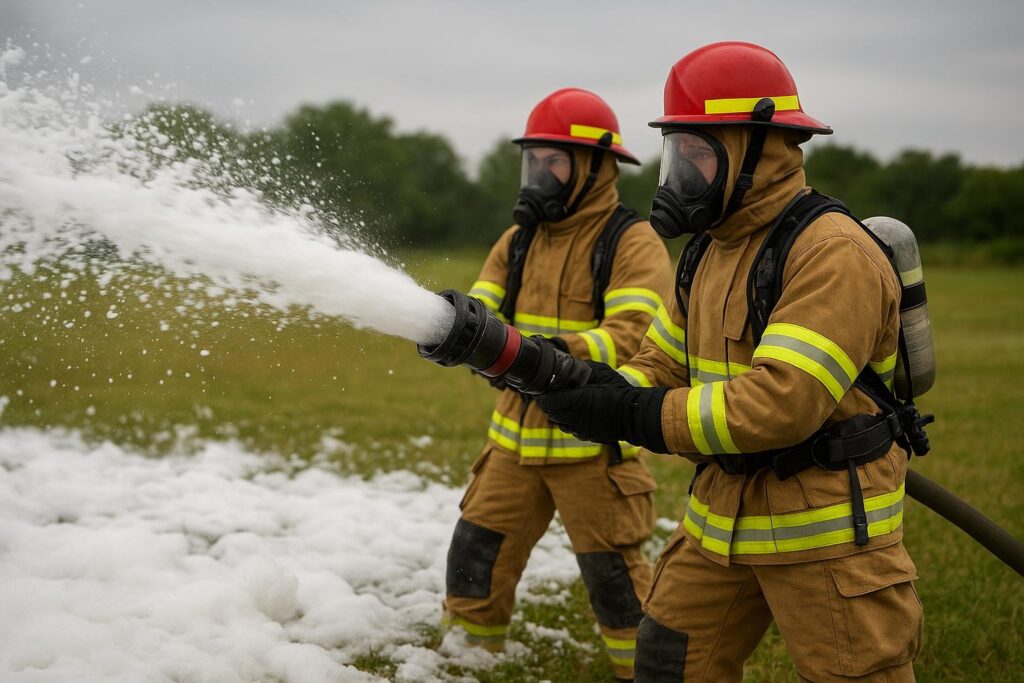
Firefighters, military personnel, and airport workers across the U.S. are discovering that exposure to aqueous film-forming foam (AFFF) may have caused serious health problems, including cancer. Understanding your AFFF cancer lawsuit eligibility is the first step toward seeking justice and potential compensation for PFAS-related illnesses.
Thousands of individuals are now exploring whether they can file an AFFF cancer claim for cancers linked to toxic PFAS chemicals. This guide explains the symptoms, diagnosis, eligibility criteria, evidence requirements, and compensation factors that influence these complex cases.
Understanding AFFF and PFAS Exposure Risks
AFFF is a firefighting foam used for decades to suppress fuel-based fires. It contains per- and polyfluoroalkyl substances (PFAS), often called “forever chemicals” because they persist in the environment and human body. According to the Centers for Disease Control and Prevention (CDC), PFAS exposure has been linked to several cancers and other health issues.
PFAS can accumulate in the bloodstream over time, increasing the risk of developing cancers such as kidney, bladder, prostate, thyroid, and testicular cancer. Those who worked with or around AFFF for years may now be facing serious diagnoses connected to long-term exposure.
Common Symptoms of AFFF-Related PFAS Cancer
Recognizing the symptoms of AFFF-related PFAS cancer is crucial for early diagnosis and establishing a link between exposure and illness. Symptoms may vary depending on the type of cancer but often include:
- Persistent fatigue or weakness
- Unexplained weight loss
- Abdominal or pelvic pain
- Changes in urinary habits or blood in urine
- Swelling in the neck or lymph nodes
- Unusual lumps or growths
- Hormonal changes or thyroid irregularities
If you have experienced these symptoms and have a history of AFFF exposure, it’s important to consult a medical professional. The Mayo Clinic notes that early detection can significantly affect treatment outcomes.
Who Qualifies for an AFFF Cancer Lawsuit
Determining who qualifies for an AFFF cancer lawsuit depends on several factors. Individuals may be eligible if they:
- Worked as firefighters, military personnel, airport workers, or industrial employees regularly exposed to AFFF
- Have been diagnosed with a PFAS-linked cancer such as kidney, bladder, prostate, thyroid, or testicular cancer
- Can demonstrate occupational or environmental exposure to AFFF
- Were diagnosed within a timeframe consistent with known PFAS exposure risks
Eligibility may also extend to family members exposed through contaminated water sources near military bases or airports. Each case is unique, and evidence of exposure and diagnosis is critical in determining eligibility.
Medical Evidence and Diagnosis Requirements
To pursue an AFFF exposure cancer diagnosis eligibility claim, claimants must provide medical documentation linking their illness to PFAS exposure. This typically includes:
- Medical records confirming cancer diagnosis
- Employment or service records showing AFFF exposure
- Environmental testing results (if applicable)
- Expert medical opinions connecting PFAS exposure to the diagnosed condition
Medical experts often review blood tests for PFAS levels and analyze occupational histories to establish causation. The stronger the evidence, the more likely a claim will proceed successfully through the legal process.
Types of AFFF Cancer Claims
Several types of claims are being filed under the AFFF litigation umbrella, including:
- AFFF-related thyroid cancer claim – for individuals diagnosed with thyroid cancer after long-term exposure
- AFFF prostate cancer settlement claim – for men who developed prostate cancer linked to PFAS exposure
- AFFF bladder cancer compensation eligibility – for those diagnosed with bladder cancer after occupational contact with AFFF
Each cancer type may involve different medical evidence and exposure patterns, but all share the common thread of PFAS contamination as a potential cause.
Filing an AFFF Cancer Claim
To file an AFFF cancer claim, claimants typically follow these steps:
- Consult with a legal intake team experienced in mass tort claims
- Gather medical and employment records
- Submit documentation for eligibility review
- File the claim within the applicable statute of limitations
Timeliness is critical. Statutes of limitations vary by state, and missing a filing deadline can bar recovery. It’s important to act quickly to preserve your rights.
Check your AFFF cancer lawsuit eligibility now and protect your rights before critical deadlines expire.
Factors That Influence AFFF Settlement Amounts
While no two cases are identical, several factors influence AFFF settlement amounts for cancer claims:
- Type and severity of cancer
- Extent of PFAS exposure and duration
- Medical expenses and ongoing treatment costs
- Lost wages and reduced earning capacity
- Pain, suffering, and emotional distress
- Strength of medical and scientific evidence
Settlement values are determined through negotiation or litigation outcomes. There are no guarantees, but understanding these factors helps claimants set realistic expectations.
Legal Process and Timelines
The AFFF litigation is part of a multidistrict litigation (MDL) process consolidating thousands of claims. Once eligibility is confirmed, cases move through discovery, expert review, and potential settlement discussions. Timelines vary, but many claimants begin with an intake evaluation to confirm eligibility before joining the MDL.
Because PFAS-related cancers can take years to develop, courts often consider latency periods when evaluating claims. Acting promptly ensures your case is filed within the appropriate timeframe.
CTA: Confirm Your Eligibility Today
If you or a loved one were exposed to firefighting foam and later diagnosed with cancer, you may qualify for compensation. See if you are eligible for compensation from the AFFF cancer lawsuit today and take the first step toward protecting your legal rights.
Why Legal Representation Matters
Mass tort cases involving PFAS exposure require extensive scientific and legal expertise. Attorneys handling these claims coordinate with medical experts, review exposure data, and navigate complex MDL procedures. While no outcome is guaranteed, professional representation ensures your claim is properly documented and filed within legal deadlines.
Frequently Asked Questions About AFFF Cancer Lawsuits
What cancers are linked to AFFF exposure?
Studies have connected PFAS exposure to kidney, bladder, prostate, thyroid, and testicular cancers. Ongoing research continues to evaluate other potential links between AFFF and additional cancer types.
How do I know if I qualify for an AFFF cancer lawsuit?
You may qualify if you were exposed to AFFF through firefighting, military service, or environmental contamination and later developed a PFAS-related cancer. Eligibility depends on documented exposure and medical diagnosis.
What evidence is needed to support my claim?
Claimants typically need medical records confirming cancer diagnosis, employment or service records showing exposure, and expert opinions linking PFAS to the illness.
Are there deadlines for filing an AFFF cancer claim?
Yes. Each state has its own statute of limitations. Filing promptly ensures your claim is not barred by time restrictions.
Can family members file on behalf of deceased loved ones?
In many cases, surviving family members can pursue wrongful death claims if a loved one passed away due to PFAS-related cancer linked to AFFF exposure.
What compensation might be available?
Potential compensation may include medical expenses, lost wages, and pain and suffering. Settlement amounts vary based on individual circumstances and evidence strength.
How do I start the process?
You can begin by completing a free eligibility review. Take the quick AFFF cancer lawsuit eligibility check and start your claim today.