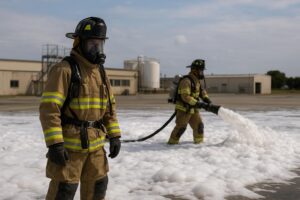
Firefighters, military personnel, and airport workers across the country are filing claims in the AFFF lawsuit after discovering links between firefighting foam exposure and serious health conditions, including cancer. If you or a loved one were exposed to aqueous film-forming foam (AFFF) and later developed cancer, you may be entitled to pursue compensation through an AFFF cancer claim.
Understanding the AFFF Lawsuit
The AFFF lawsuit centers on allegations that manufacturers of firefighting foam containing per- and polyfluoroalkyl substances (PFAS) failed to warn users about the potential health risks. PFAS are known as “forever chemicals” because they do not break down easily in the environment or the human body. Over time, exposure can lead to toxic accumulation and potential health complications.
According to the Centers for Disease Control and Prevention (CDC), PFAS exposure has been linked to increased risks of certain cancers, immune system effects, and hormonal disruptions. The AFFF lawsuit seeks to hold manufacturers accountable for these alleged harms and recover compensation for victims.
Common AFFF Exposure Symptoms
Individuals exposed to PFAS firefighting foam may not experience symptoms immediately. However, long-term exposure can lead to various health issues. Recognizing early signs can be crucial for diagnosis and legal claims.
- Persistent fatigue or weakness
- Unexplained weight loss
- Abdominal pain or swelling
- Changes in liver function
- Kidney issues or urinary changes
- Thyroid abnormalities
Medical research from the PubMed database indicates that PFAS exposure may be associated with kidney, testicular, and pancreatic cancers. If you have experienced any of these symptoms following occupational or environmental exposure, it is important to consult a healthcare provider and document your medical history.
AFFF-Related Cancer Diagnosis and Medical Evidence
Establishing a connection between AFFF exposure and a cancer diagnosis is a key step in pursuing an AFFF exposure compensation claim. Common cancers associated with PFAS firefighting foam include:
- Kidney cancer
- Testicular cancer
- Pancreatic cancer
- Prostate cancer
- Bladder cancer
- Liver cancer
Medical records, pathology reports, and occupational exposure documentation are critical forms of evidence. Plaintiffs often need to show that they were regularly exposed to AFFF during their employment or through contaminated water sources near military bases or airports.
Who Qualifies for an AFFF Claim?
Eligibility for an AFFF claim depends on several factors, including the duration and location of exposure, the type of cancer diagnosed, and the time between exposure and illness. Those most commonly eligible include:
- Firefighters (career or volunteer)
- Military personnel stationed at bases using AFFF
- Airport workers and maintenance crews
- Industrial workers handling PFAS-containing materials
- Residents near contaminated water sources
To determine your AFFF claim eligibility, you will need to provide documentation of your exposure history, medical diagnosis, and any related employment records. Legal professionals can help evaluate whether your case meets the criteria for inclusion in the ongoing multidistrict litigation (MDL).
Filing an AFFF Lawsuit: Process and Timeline
The process of filing an AFFF lawsuit typically begins with a free case review to assess eligibility. Once qualified, your attorney will gather evidence, file your claim, and join the MDL if applicable. The MDL consolidates similar cases to streamline pretrial proceedings and discovery.
Timelines can vary depending on the complexity of your case and the court’s schedule. Some cases may take several years to resolve, especially if they proceed to trial. However, settlements may occur earlier if defendants agree to compensation terms.
It is important to act promptly, as statutes of limitations restrict how long you have to file. Each state has its own filing deadlines, often starting from the date of diagnosis or discovery of the illness.
Factors Affecting AFFF Settlement Amounts
While no two cases are identical, several factors influence potential AFFF settlement amounts:
- Type and severity of cancer
- Extent of PFAS exposure
- Medical expenses and treatment costs
- Lost wages and reduced earning capacity
- Pain, suffering, and emotional distress
- Strength of evidence linking exposure to illness
Settlements in mass tort cases are typically negotiated based on these variables. Plaintiffs with strong medical and occupational evidence may be positioned for higher compensation, though outcomes vary widely.
How to Strengthen Your AFFF Cancer Claim
To build a strong PFAS firefighting foam injury claim, it is essential to gather comprehensive documentation. This includes employment records showing exposure, medical records confirming diagnosis, and any environmental testing results from your workplace or community.

Keeping a detailed timeline of your exposure and symptoms can also help establish causation. Expert testimony from medical professionals or toxicologists may further support your case.
CTA: Check Your Eligibility Now
If you believe your cancer or health condition may be linked to firefighting foam exposure, do not delay. Find out if you qualify for the AFFF lawsuit before it is too late. Early action ensures your claim is filed within the required timeframe and that critical evidence is preserved.
Legal Rights and Next Steps
Victims of AFFF exposure have the right to pursue compensation for medical costs, lost income, and other damages. While no outcome is guaranteed, participating in the AFFF lawsuit allows affected individuals to seek accountability from manufacturers that allegedly concealed PFAS risks.
Consulting with an attorney experienced in mass tort litigation can help you understand your legal options and the potential value of your claim. Many firms handle these cases on a contingency basis, meaning you pay no upfront fees unless compensation is recovered.
CTA: Start Your Free AFFF Lawsuit Review
Don’t wait to see if you qualify for the AFFF lawsuit today. Start your free AFFF lawsuit claim review and secure your potential payout today.
Frequently Asked Questions About the AFFF Lawsuit
What is the AFFF lawsuit about?
The AFFF lawsuit involves claims against manufacturers of firefighting foam containing PFAS chemicals. Plaintiffs allege that these companies failed to warn users about the potential cancer risks associated with long-term exposure.
Who can file an AFFF cancer claim?
Firefighters, military personnel, airport workers, and others exposed to AFFF who later developed cancer may be eligible to file a claim. Eligibility depends on exposure history, diagnosis, and supporting evidence.
What cancers are linked to AFFF exposure?
Studies have linked PFAS exposure to kidney, testicular, pancreatic, prostate, bladder, and liver cancers. Research continues to explore additional health effects related to these chemicals.
How much compensation can I receive?
Compensation varies based on medical costs, lost wages, and the strength of your case. There are no guaranteed amounts, but settlements may reflect the severity of illness and evidence of exposure.
How long do I have to file an AFFF lawsuit?
Filing deadlines differ by state. Generally, the statute of limitations begins when you are diagnosed or discover that your illness may be linked to AFFF exposure. Acting quickly helps protect your rights.
Do I need medical proof to file a claim?
Yes. Medical documentation confirming your diagnosis and linking it to PFAS exposure is essential. Without this evidence, your claim may not meet eligibility requirements.
Where can I learn more about PFAS health effects?
You can visit the CDC PFAS fact sheet or review studies on PubMed for scientific research on PFAS exposure and health outcomes.