


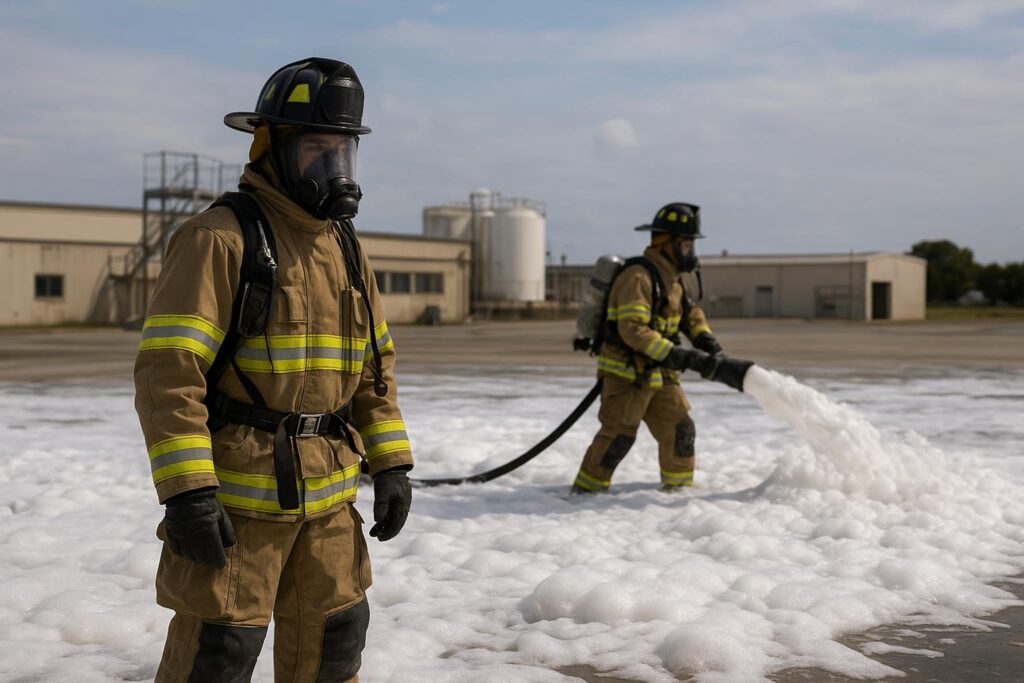
Firefighters, military personnel, and airport workers exposed to aqueous film-forming foam (AFFF) may face serious health risks linked to toxic PFAS chemicals. Understanding your AFFF lawsuit eligibility is crucial if you have been diagnosed with cancer or other related illnesses. This guide explains symptoms, evidence requirements, compensation factors, and how to file an AFFF exposure claim before legal deadlines expire.
Understanding AFFF Exposure and Health Risks
AFFF has been widely used for decades to suppress fuel fires. The foam contains per- and polyfluoroalkyl substances (PFAS), often called “forever chemicals” because they persist in the environment and human body. According to the Centers for Disease Control and Prevention (CDC), PFAS exposure has been linked to multiple cancers and organ damage.
Individuals who worked with or near AFFF—especially firefighters, military service members, and industrial workers—may have experienced long-term exposure. Over time, PFAS can accumulate in the bloodstream, potentially leading to serious health effects.
Common AFFF Exposure Cancer Symptoms
Recognizing early symptoms is vital for both medical treatment and legal claims. Common AFFF exposure cancer symptoms include:
- Persistent fatigue or weakness
- Unexplained weight loss
- Abdominal pain or swelling
- Blood in urine or stool
- Changes in testicular size or lumps
- Chronic coughing or shortness of breath
Medical research from the PubMed database shows PFAS exposure may increase risks of kidney, testicular, and bladder cancers. Anyone experiencing these symptoms should seek medical evaluation and document all findings for potential legal use.
Who Qualifies for an AFFF Lawsuit?
Determining AFFF lawsuit eligibility depends on several factors. You may qualify if you:
- Worked as a firefighter, military member, airport worker, or industrial employee regularly exposed to AFFF
- Were diagnosed with kidney cancer, testicular cancer, bladder cancer, or another PFAS-related illness
- Can provide medical and occupational evidence linking your exposure to AFFF
- File your claim within the statute of limitations for AFFF claims in your state
Eligibility does not guarantee compensation but allows you to pursue a claim for potential recovery. To confirm your status, start your free AFFF lawsuit eligibility review today while claims are still open.
Evidence Needed to File an AFFF Exposure Claim
Strong documentation is essential when you file an AFFF exposure claim. Evidence may include:
- Employment or military service records showing AFFF contact
- Medical records confirming diagnosis and treatment
- Witness statements or coworker affidavits
- Product or manufacturer identification if available
- Expert medical opinions linking PFAS exposure to your illness
Gathering this evidence early strengthens your case and helps attorneys evaluate potential compensation.
Types of AFFF Cancer Claims
Several claim types exist depending on diagnosis and exposure circumstances:
- AFFF kidney cancer claim: Filed by individuals diagnosed with renal cell carcinoma or other kidney cancers after PFAS exposure.
- AFFF testicular cancer settlement: Pursued by those diagnosed with testicular cancer potentially linked to firefighting foam.
- AFFF class action claim: Allows groups of victims to collectively pursue compensation from manufacturers.
- AFFF exposure compensation claim: Covers medical costs, lost wages, and pain and suffering related to PFAS-related illnesses.
Each claim type may follow different procedures and timelines, so acting promptly is critical.
Factors That Influence AFFF Cancer Settlement Amounts
While no two cases are identical, several factors can influence an AFFF cancer settlement amount:
- Severity and type of cancer diagnosis
- Extent of PFAS exposure and duration
- Medical expenses and ongoing treatment costs
- Lost income or reduced earning capacity
- Emotional distress and quality-of-life impact
- Strength of evidence linking exposure to illness
Settlements vary widely, and no outcome is guaranteed. However, understanding these factors helps claimants set realistic expectations.
Statute of Limitations for AFFF Claims
The statute of limitations for AFFF claims differs by state, typically ranging from one to three years after diagnosis or discovery of illness. Missing this deadline can permanently bar your right to compensation. Because PFAS-related diseases often develop years after exposure, courts may apply discovery rules to extend filing timeframes. Consulting a qualified attorney promptly ensures your claim is filed within legal limits.
How to File an AFFF Exposure Claim
The process to file an AFFF exposure claim generally includes:
- Confirming your eligibility through a free case review
- Collecting medical and occupational evidence
- Filing a complaint against responsible manufacturers
- Participating in discovery and settlement negotiations
- Receiving compensation if your claim is successful
Each step requires careful documentation and adherence to procedural rules. To begin, check your AFFF lawsuit eligibility now and claim your compensation opportunity.
Medical Diagnosis and Documentation
Accurate diagnosis is essential for both treatment and legal claims. Physicians may use imaging, biopsies, and blood tests to detect PFAS-related cancers. According to the Mayo Clinic, early detection improves outcomes for kidney and testicular cancers. Keep copies of all test results, pathology reports, and physician notes, as these documents support your claim’s validity.
Compensation Categories in AFFF Lawsuits
Potential compensation categories may include:
- Medical expenses (past and future)
- Lost wages and reduced earning potential
- Pain and suffering
- Loss of consortium for family members
- Funeral expenses in wrongful death cases
While no attorney can guarantee results, pursuing an AFFF exposure compensation claim may help offset the financial burden of illness.
Why Timely Action Matters
Delaying your claim can jeopardize your rights. Evidence may degrade, witnesses may become unavailable, and statutes of limitation may expire. Acting quickly ensures your case is preserved and evaluated while claims remain open. See if you meet the AFFF lawsuit criteria and act quickly to protect your rights.
Frequently Asked Questions About AFFF Lawsuits
What is AFFF and why is it dangerous?
AFFF is a firefighting foam containing PFAS chemicals that resist heat and oil. These substances can accumulate in the body and have been linked to cancer and organ damage.
Who can file an AFFF lawsuit?
Firefighters, military personnel, airport workers, and others exposed to AFFF who later developed PFAS-related cancers may be eligible to file claims.
What cancers are linked to AFFF exposure?
Studies have associated AFFF exposure with kidney, testicular, bladder, and prostate cancers, as well as thyroid disease and immune system issues.
How long do I have to file an AFFF claim?
The statute of limitations varies by state, typically one to three years from diagnosis or discovery of illness. Early consultation helps ensure timely filing.
What evidence do I need for an AFFF claim?
Claimants should provide medical records, employment or military service documentation, and any proof of AFFF exposure or product use.
Are AFFF lawsuits part of a class action?
Some cases are consolidated into multidistrict litigation (MDL) for efficiency, while others proceed individually depending on exposure and diagnosis.
How can I check my AFFF lawsuit eligibility?
You can find out if you qualify for an AFFF lawsuit before time runs out by completing a free eligibility review through the Mass Tort Intake Center.