


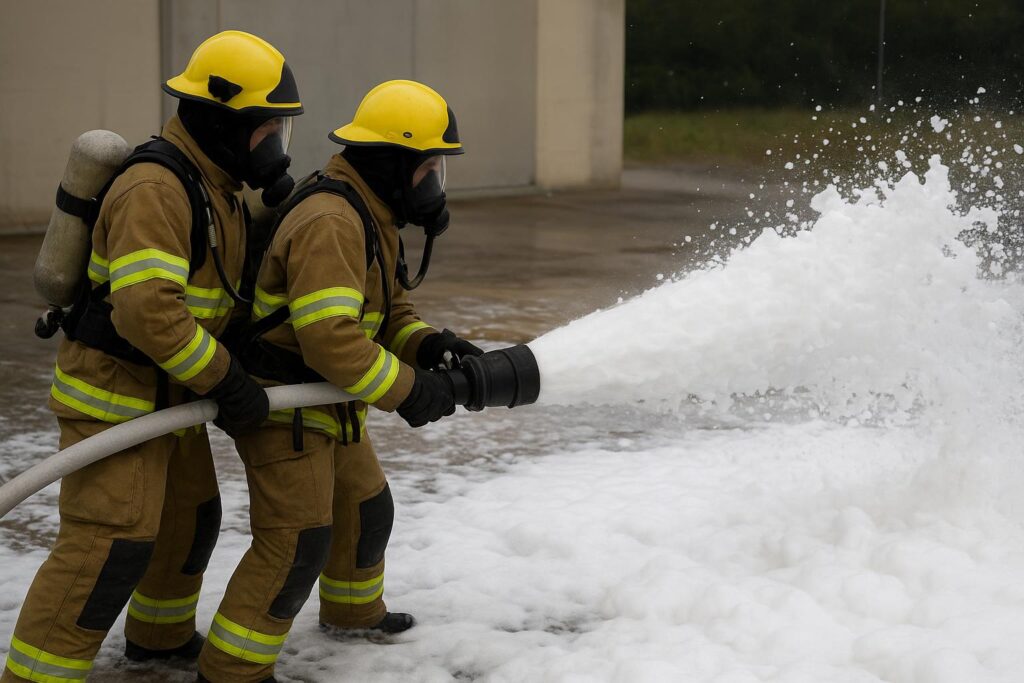
Firefighters, military personnel, and airport workers across the United States are discovering that long-term exposure to aqueous film-forming foam (AFFF) may have caused serious health problems. Understanding your AFFF lawsuit eligibility is the first step toward pursuing compensation for medical costs, lost wages, and suffering related to toxic chemical exposure. This guide explains the symptoms, qualifying conditions, evidence requirements, and legal process for filing an AFFF cancer claim.
Understanding AFFF and PFAS Exposure
AFFF is a firefighting foam used for decades to extinguish fuel-based fires. It contains per- and polyfluoroalkyl substances (PFAS), often called “forever chemicals” because they do not break down easily in the environment or the human body. According to the Centers for Disease Control and Prevention (CDC), PFAS exposure has been linked to several cancers and other serious health conditions. Individuals who regularly handled or were near AFFF may have absorbed PFAS through skin contact, inhalation, or contaminated water sources.
Common Symptoms and Health Conditions Linked to AFFF Exposure
People exposed to AFFF may develop symptoms that indicate potential PFAS-related illnesses. Recognizing these early can help victims seek medical evaluation and strengthen their legal claims.
- Persistent fatigue or weakness
- Unexplained weight loss
- Abdominal pain or swelling
- Changes in urination patterns
- Blood in urine or stool
- Chronic cough or respiratory issues
- Skin rashes or irritation
Medical research from the PubMed database has associated PFAS exposure with kidney cancer, testicular cancer, thyroid disease, and immune system dysfunction. Those diagnosed with these conditions after working with firefighting foam should consider an AFFF exposure cancer diagnosis evaluation.
Who Qualifies for an AFFF Lawsuit?
Eligibility for an AFFF lawsuit depends on several factors, including the nature of exposure, medical diagnosis, and evidence linking PFAS to the illness. Plaintiffs typically include firefighters, military service members, airport personnel, and industrial workers who used or were near AFFF products.
To determine AFFF lawsuit qualifying conditions, attorneys often review:
- Documented occupational exposure to AFFF
- Medical records confirming a related cancer or illness
- Evidence of PFAS contamination in the workplace or local water supply
- Timeline of exposure and diagnosis
If you suspect your illness is connected to firefighting foam, you can check your AFFF lawsuit eligibility now and take action before deadlines expire.
Types of AFFF Cancer Claims
Victims may pursue different types of claims depending on their diagnosis and exposure history. The most common include:
- AFFF kidney cancer claim: Linked to PFAS accumulation in the kidneys, often seen in firefighters and military personnel.
- Testicular cancer claims: Studies show elevated risk among those exposed to PFAS-laden foam.
- Thyroid disease claims: PFAS may disrupt hormone regulation, leading to thyroid dysfunction.
- Other PFAS AFFF injury claims: Including liver damage, immune disorders, and ulcerative colitis.
Each claim type requires medical documentation and proof of exposure. Legal teams use this evidence to connect the illness to AFFF use and pursue compensation through individual or class action lawsuits.
Evidence Needed to Support an AFFF Lawsuit
Strong evidence is critical to proving liability and securing fair compensation. Plaintiffs should gather:
- Employment or military service records showing AFFF exposure
- Medical records confirming diagnosis and treatment
- Environmental test results showing PFAS contamination
- Witness statements or coworker affidavits
- Product information or manufacturer details of the foam used
Attorneys may also consult scientific experts to establish causation between PFAS exposure and the diagnosed condition. This evidence helps determine whether the case qualifies for inclusion in the ongoing AFFF class action settlement proceedings.
Compensation and Settlement Factors
While no two cases are identical, several factors influence potential firefighting foam cancer settlement values:
- Severity of illness and treatment costs
- Duration and intensity of AFFF exposure
- Impact on ability to work and quality of life
- Medical prognosis and future care needs
- Evidence strength linking PFAS to the illness
Compensation may include medical expenses, lost income, pain and suffering, and other damages. However, outcomes vary depending on individual circumstances and the evidence presented.
Filing Process and Legal Deadlines
Filing an AFFF lawsuit involves several steps. After confirming eligibility, your attorney will collect documentation, file a claim, and coordinate with multidistrict litigation (MDL) proceedings if applicable. Many AFFF cases are consolidated in federal court to streamline discovery and pretrial motions.
Statutes of limitations vary by state, meaning victims have limited time to file. Missing these deadlines can permanently bar recovery. Therefore, it’s crucial to see if you qualify for AFFF compensation by starting your eligibility check today.
Medical Evaluation and Diagnosis
Medical testing plays a vital role in both treatment and legal claims. Blood tests can detect PFAS levels, while imaging and biopsies confirm cancer diagnoses. The Mayo Clinic recommends regular screenings for individuals with known chemical exposure. Early detection not only improves health outcomes but also strengthens the legal connection between exposure and illness.
Current Status of AFFF Litigation
Thousands of AFFF lawsuits are currently pending in federal multidistrict litigation. Manufacturers and chemical companies are accused of failing to warn users about PFAS dangers. Some settlements have been reached for water contamination claims, while personal injury cases continue to develop. Plaintiffs who meet AFFF lawsuit eligibility criteria may still join the ongoing litigation if they act before deadlines expire.
CTA: Confirm Your Eligibility
If you or a loved one developed cancer or another serious illness after AFFF exposure, you may have legal options. Find out if you qualify for an AFFF lawsuit today before time runs out. Speaking with an experienced legal intake team can help determine your next steps without obligation.
Frequently Asked Questions About AFFF Lawsuits
What is AFFF and why is it dangerous?
AFFF is a firefighting foam containing PFAS chemicals that resist heat and fuel. These substances accumulate in the body and environment, potentially causing cancer and other diseases.
Who can file an AFFF cancer claim?
Firefighters, military members, airport workers, and others regularly exposed to AFFF who later developed related illnesses such as kidney or testicular cancer may qualify to file a claim.
What cancers are linked to AFFF exposure?
Studies have linked AFFF exposure to kidney, testicular, pancreatic, and thyroid cancers, as well as immune and liver disorders.
How long do I have to file an AFFF lawsuit?
Each state sets its own statute of limitations, typically ranging from one to several years after diagnosis. Consulting an attorney promptly ensures you do not miss filing deadlines.
What compensation might be available?
Potential compensation may include medical expenses, lost wages, pain and suffering, and other damages. Settlement amounts vary based on evidence and individual circumstances.
Do I need proof of direct exposure?
Documentation such as employment records, service history, or witness statements can help establish exposure. Even indirect exposure through contaminated water may qualify in some cases.
How do I start the AFFF lawsuit process?
You can take the first step toward justice by checking your AFFF lawsuit eligibility today. A legal intake team will review your information and explain available options.
CTA: Take Action Now
Thousands of victims are already pursuing justice for PFAS-related illnesses. Don’t wait any longer—confirm your AFFF lawsuit eligibility right now to protect your rights before time runs out.