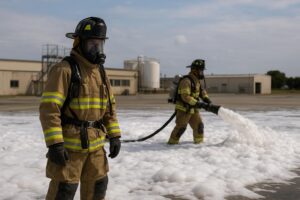
Firefighters, military personnel, and airport workers across the United States are discovering potential health risks tied to aqueous film-forming foam (AFFF). Understanding your AFFF lawsuit eligibility is crucial if you’ve been diagnosed with cancer or other serious illnesses after exposure. This guide explains the symptoms, evidence, and steps needed to pursue compensation through an AFFF claim.
Understanding AFFF Exposure and Health Risks
AFFF is a firefighting foam used for decades to suppress fuel-based fires. It contains per- and polyfluoroalkyl substances (PFAS), often called “forever chemicals” due to their persistence in the environment and the human body. Studies have linked PFAS exposure to several cancers and chronic diseases.
According to the Centers for Disease Control and Prevention (CDC), PFAS can accumulate in blood and organs over time, potentially leading to harmful effects. Firefighters and military personnel are among the most at-risk groups due to repeated exposure during training and emergency response.
Common Symptoms and Conditions Linked to AFFF Exposure
Individuals exposed to AFFF may experience a range of symptoms before receiving a formal diagnosis. Recognizing these early signs can help support your AFFF exposure compensation claim.
- Persistent fatigue or weakness
- Unexplained weight loss
- Abdominal pain or swelling
- Changes in thyroid function
- Kidney or bladder issues
- Respiratory problems
Medical research, including findings from the PubMed database, has associated PFAS exposure with cancers such as kidney, testicular, pancreatic, and thyroid cancer. If you have received an AFFF exposure cancer diagnosis, you may qualify to file an AFFF claim.
Who Qualifies for an AFFF lawsuit Eligibility?
Determining AFFF lawsuit eligibility depends on several factors, including your occupation, exposure history, and medical diagnosis. Plaintiffs typically include:
- Firefighters (career or volunteer)
- Military service members
- Airport personnel
- Industrial workers using firefighting foam
- Residents near military bases or airports with PFAS contamination
To qualify, you must demonstrate exposure to AFFF and a related cancer diagnosis. Common qualifying conditions include kidney cancer, testicular cancer, pancreatic cancer, and thyroid cancer. Those pursuing an AFFF claim for thyroid cancer must provide medical documentation linking their diagnosis to PFAS exposure.
Evidence Needed to Support Your AFFF lawsuit Eligibility
Strong evidence is essential to establish eligibility and strengthen your case. Documentation may include:
- Employment or military service records confirming AFFF use
- Medical records showing cancer diagnosis and treatment
- Environmental reports or water testing results
- Witness statements or coworker affidavits
- Expert medical opinions connecting PFAS exposure to illness
Gathering this evidence early can help your legal team evaluate your AFFF lawsuit for firefighter cancer and determine the potential value of your claim.
Filing an AFFF Lawsuit: Step-by-Step Process
Filing an AFFF claim involves several key steps. Each phase requires careful documentation and adherence to legal deadlines.
- Case Evaluation: A legal team reviews your exposure history and medical records to confirm eligibility.
- Evidence Collection: Supporting documents are compiled to establish exposure and diagnosis links.
- Filing the Claim: Your attorney files the lawsuit in the appropriate jurisdiction.
- Discovery Phase: Both sides exchange evidence and expert testimony.
- Settlement Negotiations: Many cases resolve before trial through negotiated settlements.
Because statutes of limitations vary by state, it’s critical to act quickly. You can check your AFFF lawsuit eligibility now and take action before deadlines expire.
Potential AFFF Settlement Amounts and Factors Affecting Value
While no two cases are identical, several factors influence potential AFFF settlement amounts:
- Type and severity of cancer
- Duration and intensity of exposure
- Medical expenses and ongoing treatment costs
- Lost wages and reduced earning capacity
- Pain, suffering, and emotional distress
Settlements in mass tort cases often vary widely. Plaintiffs with severe or terminal diagnoses may receive higher compensation. However, no outcome is guaranteed, and each case is evaluated individually.
Medical Diagnosis and the Role of Expert Testimony
Medical experts play a vital role in linking PFAS exposure to cancer. Oncologists, toxicologists, and occupational health specialists may provide testimony explaining how AFFF chemicals contribute to disease development. According to the National Institutes of Health (NIH), PFAS compounds can disrupt endocrine function and increase cancer risk, supporting claims for those with thyroid or kidney cancer.
Documenting your AFFF exposure cancer diagnosis with credible medical evidence strengthens your case and helps determine your AFFF settlement eligibility and payouts.

Statutes of Limitations and Filing Deadlines
Each state sets its own deadline for filing personal injury or product liability claims. Missing these deadlines can permanently bar recovery. Because PFAS-related illnesses may take years to develop, courts often consider the date of diagnosis when calculating filing windows. Acting promptly ensures your right to pursue compensation remains protected.
See if you are eligible for an AFFF lawsuit today and protect your legal rights.
How Legal Teams Evaluate AFFF Lawsuit Eligibility
Lawyers handling AFFF cases assess multiple factors before filing:
- Documented exposure to AFFF or PFAS-contaminated environments
- Medical diagnosis consistent with PFAS-linked cancers
- Timeline of exposure relative to diagnosis
- Availability of supporting evidence
- Compliance with filing deadlines
These evaluations help determine whether a claimant meets the criteria for inclusion in ongoing multidistrict litigation (MDL) or individual lawsuits.
CTA: Determine Your Eligibility Now
If you or a loved one developed cancer after exposure to firefighting foam, you may qualify for compensation. Determine your AFFF lawsuit eligibility now and start your claim immediately. Legal deadlines are approaching, and early action can make a difference in preserving your rights.
Frequently Asked Questions About AFFF Lawsuits
Who can file an AFFF lawsuit?
Firefighters, military members, airport workers, and others exposed to AFFF who later developed cancer may be eligible to file. Eligibility depends on documented exposure and a qualifying diagnosis.
What cancers are linked to AFFF exposure?
Medical studies have linked AFFF exposure to kidney, testicular, pancreatic, bladder, and thyroid cancers. Research continues to explore additional health effects associated with PFAS.
How do I prove my AFFF exposure?
Proof may include employment records, training logs, or environmental testing results showing PFAS contamination. Witness statements and expert reports can also support your claim.
What compensation can I pursue in an AFFF lawsuit?
Potential compensation may include medical expenses, lost income, and pain and suffering. Settlement amounts vary based on diagnosis severity and exposure duration.
Is there a deadline to file an AFFF claim?
Yes. Each state has a statute of limitations that limits how long you have to file. Contacting a legal team promptly ensures your claim is filed within the required timeframe.
Can family members file on behalf of deceased victims?
Yes. Surviving family members may file wrongful death claims if a loved one passed away from cancer linked to AFFF exposure. These claims seek compensation for medical costs and loss of support.
How long does an AFFF lawsuit take?
Timelines vary depending on case complexity and court schedules. Some cases may settle within months, while others proceed through longer litigation phases.
Final Call to Action
If you suspect your cancer diagnosis is linked to firefighting foam exposure, don’t wait. Act fast to confirm your AFFF lawsuit eligibility and pursue the compensation you deserve. Taking the first step today can help protect your legal rights and secure potential recovery for your losses.