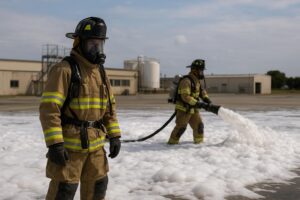
Firefighters, military personnel, and airport workers across the country are pursuing compensation through the AFFF lawsuit settlement. Aqueous Film Forming Foam (AFFF) has been linked to serious health risks due to its toxic PFAS chemicals. If you or a loved one developed cancer or other illnesses after AFFF exposure, understanding your legal options is critical. This guide explains symptoms, eligibility, claim requirements, and how to file an AFFF lawsuit before settlement deadlines expire.
Understanding the AFFF Lawsuit Settlement
The AFFF litigation centers on claims that manufacturers failed to warn users about the dangers of PFAS, known as “forever chemicals.” These substances persist in the environment and human body, leading to potential long-term health effects. Thousands of plaintiffs have filed lawsuits alleging that AFFF exposure caused cancers such as kidney, testicular, pancreatic, and thyroid cancer.
Settlements in these cases aim to compensate victims for medical expenses, lost wages, and pain and suffering. While no specific payout is guaranteed, the settlement process helps determine fair compensation based on evidence and exposure history. You can find out if you qualify for an AFFF lawsuit settlement before time runs out.
Common Symptoms of AFFF Exposure
Recognizing the symptoms of AFFF exposure is essential for early diagnosis and potential legal action. PFAS chemicals can accumulate in the body over time, leading to chronic health issues. According to the Centers for Disease Control and Prevention (CDC), PFAS exposure may affect the immune system, liver, and thyroid function.
- Persistent fatigue or weakness
- Unexplained weight loss
- Abdominal pain or swelling
- Changes in thyroid function or hormone levels
- Increased cholesterol levels
- Kidney or bladder issues
- Development of certain cancers, including thyroid and testicular cancer
If you experience these symptoms, consult a healthcare provider and request an AFFF PFAS blood test for exposure. This test can help confirm PFAS levels in your body and support your legal claim.
Medical Evidence and Diagnosis
Medical documentation is a cornerstone of any AFFF exposure cancer claim. Blood tests, imaging scans, and biopsy results can establish a link between exposure and illness. The PubMed medical database contains numerous studies connecting PFAS exposure to increased cancer risk, particularly among firefighters and military personnel.
When pursuing compensation, your attorney may request medical records showing diagnosis dates, treatment history, and physician statements. These documents help demonstrate causation and strengthen your case for compensation.
AFFF Claim Eligibility Requirements
To file an AFFF lawsuit, you must meet specific eligibility criteria. These requirements ensure that claims are valid and supported by credible evidence. Common eligibility factors include:
- Documented occupational or environmental exposure to AFFF
- Medical diagnosis of a related cancer or illness
- Proof of exposure timeframe and location
- Compliance with AFFF settlement deadlines and filing limits
Individuals who worked as firefighters, airport personnel, or military service members are among the most affected. However, civilians exposed through contaminated water sources may also qualify. You can see if you are eligible for an AFFF lawsuit settlement today.
Types of AFFF-Related Cancer Claims
Research has linked PFAS exposure to several types of cancer. Plaintiffs have filed claims for kidney, testicular, pancreatic, prostate, and AFFF-related thyroid cancer claims. Each case depends on the level and duration of exposure, medical evidence, and individual health outcomes.
Thyroid cancer claims are particularly significant because PFAS chemicals can disrupt hormone regulation. Victims often require long-term treatment and monitoring, which may increase potential compensation values.
Factors That Influence AFFF Cancer Compensation Amounts
While no two cases are identical, several factors influence AFFF cancer compensation amounts:
- Severity and type of cancer diagnosis
- Duration and intensity of AFFF exposure
- Medical expenses and ongoing treatment costs
- Lost income or reduced earning capacity
- Emotional distress and quality of life impact
- Strength of supporting medical and occupational evidence
Courts and settlement negotiators consider these factors when determining fair compensation. Victims should maintain thorough documentation of all medical and employment records to support their claims.
Filing Process and Settlement Deadlines
Understanding the AFFF settlement deadlines and filing limits is crucial. Each state has its own statute of limitations, typically ranging from one to three years after diagnosis or discovery of exposure. Missing these deadlines can result in losing your right to compensation.
The filing process generally includes:

- Consultation with a qualified attorney
- Collection of medical and occupational evidence
- Submission of a formal complaint against AFFF manufacturers
- Participation in discovery and potential settlement negotiations
Because these cases are part of multidistrict litigation (MDL), individual claims may be consolidated for efficiency. Settlements are often negotiated collectively, though compensation amounts vary by case.
CTA: Take Action Before Deadlines Pass
Time limits apply to all AFFF claims. If you suspect exposure or have been diagnosed with a related illness, do not delay. Take the first step toward your AFFF lawsuit settlement before deadlines pass. A free evaluation can help determine your eligibility and protect your rights.
Building a Strong AFFF Exposure Case
Successful claims rely on detailed evidence. Plaintiffs should gather employment records, incident reports, and witness statements confirming AFFF use. Medical documentation, including PFAS blood test results, strengthens the connection between exposure and illness.
Expert testimony from toxicologists or occupational health specialists can further validate claims. These experts explain how PFAS chemicals accumulate and contribute to cancer development, supporting your case during settlement negotiations.
Legal Challenges and Ongoing Litigation
The AFFF litigation continues to evolve as new evidence emerges. Manufacturers such as 3M and DuPont face thousands of lawsuits nationwide. Some have reached preliminary settlements, while others remain in active litigation. The outcome of these cases may influence future compensation structures and eligibility standards.
Staying informed about updates in the MDL process can help claimants make timely decisions. Legal professionals monitor court rulings and settlement announcements to guide clients effectively.
CTA: Check Your Eligibility Now
If you or a loved one developed cancer after AFFF exposure, you may be entitled to pursue compensation. Check your eligibility for an AFFF lawsuit settlement right now and learn your legal options before time runs out.
Frequently Asked Questions About AFFF Lawsuits
What is the AFFF lawsuit about?
The AFFF lawsuit involves claims that manufacturers knowingly sold firefighting foam containing toxic PFAS chemicals without adequate warnings. Plaintiffs allege that exposure led to cancer and other serious health conditions.
Who qualifies to file an AFFF lawsuit?
Individuals with documented exposure to AFFF—such as firefighters, military personnel, airport workers, or residents near contaminated sites—may qualify if they have been diagnosed with a related illness.
What cancers are linked to AFFF exposure?
Studies have associated AFFF exposure with kidney, testicular, pancreatic, prostate, and thyroid cancers. Ongoing research continues to explore additional health effects of PFAS chemicals.
How do I prove AFFF exposure?
Proof may include employment records, service logs, incident reports, and results from an AFFF PFAS blood test for exposure. Medical documentation linking your diagnosis to PFAS exposure is also essential.
What compensation might be available?
Compensation may include reimbursement for medical bills, lost wages, and pain and suffering. Each case is evaluated individually based on evidence and exposure history.
Is there a deadline to file an AFFF claim?
Yes. Each state has its own statute of limitations, typically one to three years from diagnosis or discovery of exposure. Filing promptly ensures your claim remains valid.
How can I start the process?
You can begin by contacting a qualified attorney or completing a free case evaluation. Visit Get your free AFFF lawsuit settlement evaluation and protect your rights today to start your claim review.