Hair Relaxer Lawsuit (Chemical Hair Straighteners and Uterine Cancer)
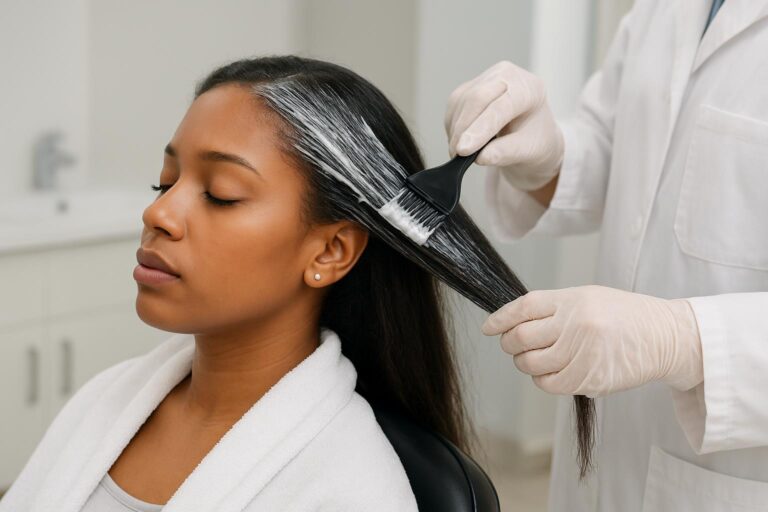
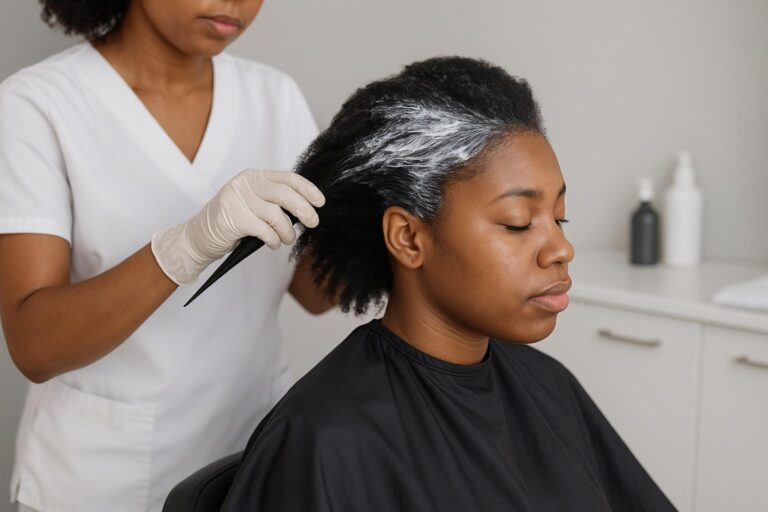
Chemical hair relaxers, also known as hair straighteners, have been marketed and widely used in the United States for decades—especially among Black women and girls seeking to achieve straight, smooth hair. While these products have long been associated with skin irritation and scalp burns, recent scientific discoveries have linked them to far more serious health risks, including uterine cancer, ovarian cancer, endometriosis, and other hormone-driven disorders. These findings have fueled a nationwide wave of lawsuits targeting manufacturers, distributors, and marketers of hair relaxers.
History and Background

Hair relaxers became popular in the early 20th century and exploded in use throughout the late 20th and early 21st centuries, with prominent brands targeting women of color in advertising campaigns. Many products contain a mix of strong chemicals such as lye (sodium hydroxide), formaldehyde, parabens, phthalates, and other endocrine disruptors—substances known to interfere with the body’s hormonal systems.
For years, adverse health effects were believed to be limited to scalp burns, hair breakage, and occasional allergic reactions. However, anecdotal reports of reproductive health problems—including fibroids, infertility, and early puberty—prompted researchers to look more closely at potential long-term risks.
Scientific Breakthroughs and Alarming Studies
In 2022, a landmark study by the National Institutes of Health (NIH) found that women who regularly used chemical hair straightening products were more than twice as likely to develop uterine cancer compared to those who did not use these products. The risk increased further for women who used relaxers multiple times per year and for those who began using them in childhood or adolescence.
Other peer-reviewed studies have linked hair relaxer use to an increased risk of breast cancer, ovarian cancer, endometriosis, and other reproductive health conditions. Many of the chemicals in these products are classified as “endocrine disruptors,” which means they can mimic or interfere with the body’s natural hormones. Some are also probable carcinogens and have been banned or restricted in cosmetics in other countries.
Legal Actions and Mass Tort Litigation
Following the release of these studies, lawsuits have been filed across the United States by women who developed uterine or ovarian cancer after years of using chemical hair relaxers. These lawsuits allege that manufacturers failed to warn consumers about the risks, despite knowing or having reason to know about the dangers posed by their ingredients.
Major beauty brands, including those behind household names in relaxer products, are named in the lawsuits. Plaintiffs argue that companies not only failed to warn but also targeted their advertising to vulnerable communities, further increasing harm.
In early 2023, the federal courts consolidated many of these cases into multidistrict litigation (MDL) in Illinois. This allows the cases to be managed efficiently, with coordinated discovery, pretrial hearings, and the selection of bellwether cases that will help determine the value and direction of settlements for all claimants.
Who Qualifies to File a Lawsuit?
Women who:
- Used chemical hair relaxers or straighteners for two years or more
- Were diagnosed with uterine, ovarian, or endometrial cancer, or endometriosis
- Used these products regularly (especially from a young age)
- Have documentation of diagnosis and product use
may be eligible to file a lawsuit. In some cases, families of women who died from these cancers may also pursue claims.
What Injuries and Damages Can Be Claimed?
Typical injuries and damages cited in lawsuits include:
- Medical bills and ongoing treatment costs
- Pain and suffering
- Lost income or reduced earning capacity
- Emotional distress
- Permanent reproductive harm (infertility, surgical menopause, etc.)
Compensation amounts will vary depending on the severity of the illness, the impact on life and livelihood, and the strength of the evidence linking the illness to hair relaxer use.
Current Litigation Status (2025)
As of 2025, the first bellwether trials are expected to begin in the coming year. Internal documents and scientific testimony are being gathered to support claims that companies knew, or should have known, about the risks posed by their products. Settlement negotiations are expected to accelerate as more evidence is presented and as public awareness increases.
Experts predict that, as with previous pharmaceutical and cosmetic mass torts, early successful verdicts will likely prompt broader settlements. This means claimants who file now may have the best chance of being included in the largest settlement pools.
If you or a loved one used hair relaxers and have been diagnosed with uterine, ovarian, or endometrial cancer, or endometriosis, you may be eligible for significant compensation. It is important to:
- Gather medical records and proof of diagnosis
- Document your product use (receipts, photos, or witness statements)
- Consult with an attorney experienced in mass tort and product liability claims
Most attorneys handling these cases work on a contingency basis, so there are no out-of-pocket costs unless you recover compensation.
The Path Forward
The science behind hair relaxer lawsuits is growing stronger, and public pressure is mounting on companies to reformulate or warn about their products. By coming forward, claimants not only seek justice and financial support but also help protect future generations from similar harm.