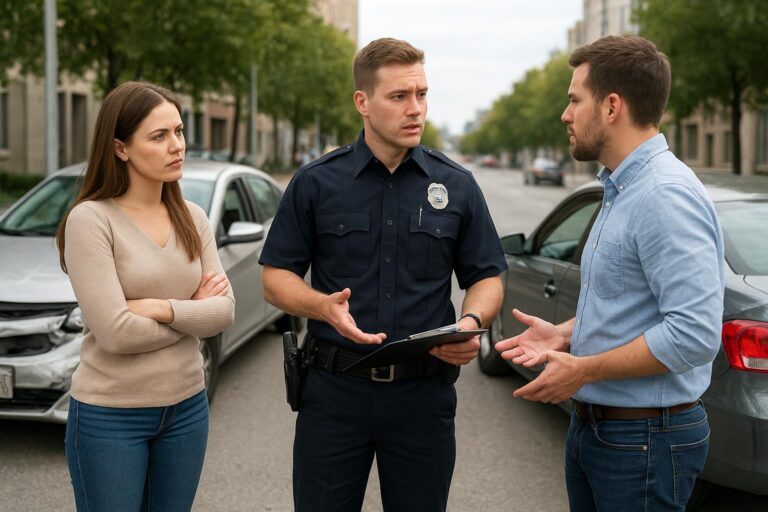
Motor Vehicle Accident Claims – MVA
Motor vehicle accidents remain one of the leading causes of serious injury and death in the United States. Every year, millions of people are injured in car, truck, motorcycle, and pedestrian crashes—resulting in billions of dollars in medical expenses, lost wages, and property damage. As technology changes, laws evolve, and new hazards emerge, it’s more important than ever for accident victims to understand their rights, the claims process, and how to maximize compensation.

Current Landscape of Motor Vehicle Accidents in the U.S.
Recent years have seen shifts in traffic patterns and accident trends. While total miles driven fell during the COVID-19 pandemic, the rate of serious and fatal crashes actually increased in many states. Experts attribute this to speeding, impaired driving, distracted driving, and changes in law enforcement patterns. As of 2025, accident rates remain high, especially for vulnerable road users like pedestrians, bicyclists, and motorcyclists.
Technological advancements, such as advanced driver assistance systems (ADAS), have improved safety in some respects but also introduced new complexities into accident investigations and claims. Rideshare vehicles, e-scooters, and delivery services further complicate liability and insurance issues.
Types of Claims and Injuries
Motor vehicle accident claims cover a broad range of incidents, including:
- Car and truck collisions
- Motorcycle crashes
- Bicycle and pedestrian accidents
- Rideshare (Uber/Lyft) and commercial vehicle accidents
- Multi-vehicle pileups and highway crashes
Common injuries range from minor whiplash and soft tissue damage to severe, life-changing injuries such as traumatic brain injury, spinal cord damage, fractures, burns, amputations, and wrongful death.
Liability and Fault: How Claims Are Decided
Every state has its own system for determining who is at fault in an accident. Some use a “fault” or “tort” system, meaning the person who caused the accident (and their insurer) is responsible for damages. Others have “no-fault” laws, where your own insurance pays certain damages regardless of fault, but with restrictions on lawsuits.
In all systems, key questions include:
- Who was negligent? (e.g., speeding, distracted, drunk, running a red light)
- Did a defect or malfunction contribute (such as faulty brakes or airbags)?
- Were road conditions or poor signage a factor?
- Was a commercial or rideshare driver involved, raising issues of employer liability?
Police reports, witness statements, traffic cameras, vehicle “black box” data, and expert reconstruction are often used to establish what happened.
Insurance Coverage: What’s Available?
The insurance process can be confusing and adversarial. Most claims involve:
- Liability insurance (required in all states except New Hampshire)
- Personal injury protection (PIP) or MedPay
- Uninsured/underinsured motorist coverage (UM/UIM)
- Comprehensive/collision coverage for property damage
Commercial and rideshare vehicles may have additional layers of coverage, but insurers often try to limit payouts or deny claims.
What Damages Can Be Recovered?
Victims of motor vehicle accidents may be entitled to compensation for:
- Medical expenses (hospitalization, surgery, therapy, medication)
- Future medical and care needs
- Lost wages and diminished earning capacity
- Property damage and loss of use
- Pain and suffering, emotional distress, loss of enjoyment of life
- Wrongful death damages for surviving families
In serious or catastrophic injury cases, lifetime care, home modifications, and assistive technology may be required.
Latest Legal Trends (2025 Update)
- Many states are raising minimum insurance requirements in response to higher healthcare costs.
- Distracted driving laws are tightening, with more states banning handheld phone use and increasing penalties.
- Litigation over rideshare and delivery vehicle accidents is increasing as the gig economy grows.
- Courts are seeing more claims involving advanced vehicle technology, requiring expert testimony on software or sensor failures.
- Call 911 and get medical attention, even for minor symptoms.
- Report the accident to the police and get a copy of the report.
- Take photos of vehicles, scene, and injuries.
- Exchange information with other drivers and witnesses.
- Notify your insurance company, but avoid recorded statements without legal advice.
- Contact a qualified accident attorney before signing any settlement.
Why Legal Help Matters
Insurance companies have teams of adjusters and lawyers working to minimize payouts. An experienced personal injury attorney can:
- Investigate the crash and preserve evidence
- Value your claim accurately (including future needs)
- Negotiate with insurers or take your case to court
- Protect your rights from lowball offers or bad faith tactics
Most accident lawyers work on a contingency fee—no upfront cost to you.
Deadlines and Time Limits
Every state has a statute of limitations (often 2–4 years) for filing a lawsuit after a crash. Some claims, especially against government agencies, have even shorter notice deadlines.
The Path Forward
Recovering from a motor vehicle accident can be physically, financially, and emotionally draining. Understanding your rights and taking prompt action are crucial. Whether your accident involved a car, truck, motorcycle, bicycle, or rideshare vehicle, legal help can ensure you are treated fairly and receive the compensation you deserve.