

Mass tort case involve numerous individuals like you who have been harmed by the same product or event, making the legal process complex but manageable with the right guidance. In this comprehensive guide, you’ll learn how to navigate the steps for filing your mass tort claim in 2025, from understanding eligibility to working with attorneys and gathering important evidence. By following these clear instructions, you can protect your rights and increase your chances of obtaining fair compensation for your injuries.
Key Takeaways:
- Mass tort litigation involves multiple plaintiffs filing individual claims against the same defendant(s) due to harm from a common product, event, or negligence.
- Mass torts differ from class actions by allowing plaintiffs to pursue separate settlements or awards, while multidistrict litigation (MDL) streamlines pretrial processes for efficiency.
- In 2025, notable mass torts include lawsuits related to Suboxone tooth decay, Tepezza hearing loss, Depo-Provera brain tumors, Oxbryta complications, and BioZorb implant issues.
- Filing a mass tort claim generally requires consulting a qualified mass tort attorney who works on contingency fees, meaning no upfront legal costs for plaintiffs.
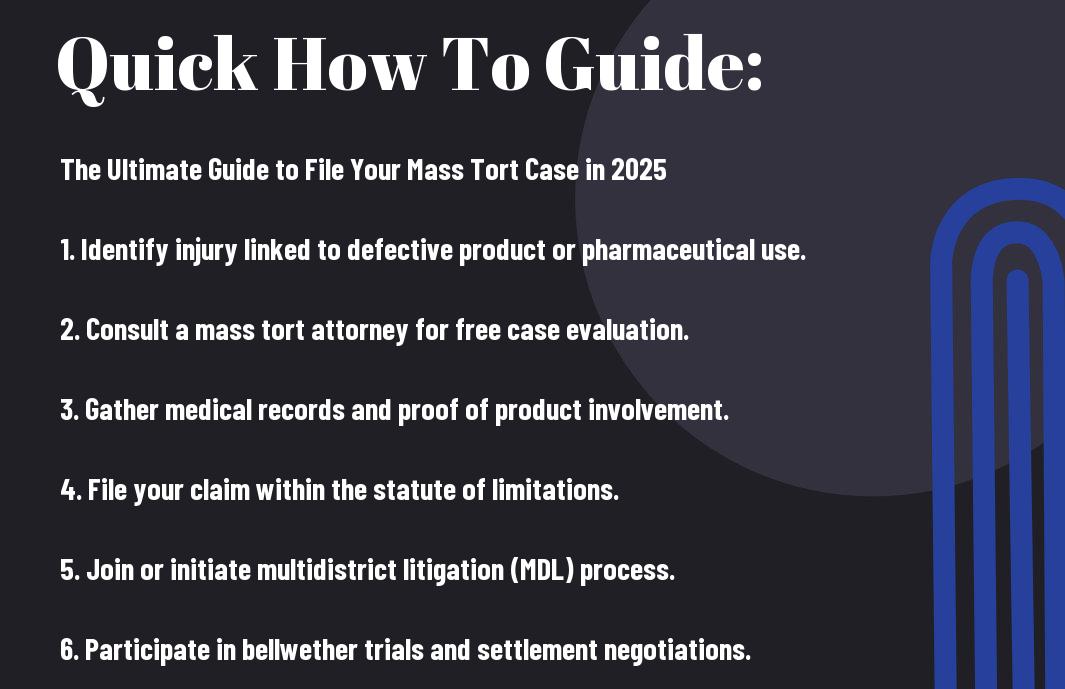
- Key steps to start a mass tort case include identifying eligible injuries, gathering medical and prescription records, timely filing within statute of limitations, and potentially joining MDL proceedings.
- Bellwether trials serve as test cases that help shape settlement negotiations and provide insight into potential outcomes for other plaintiffs in the litigation.
- Mass tort cases can take several years to resolve, involving complex evidence gathering and defense strategies, making ongoing communication with your attorney vital throughout the process.

Defining the Legal Landscape of Mass Torts
What Constitutes a Mass Tort?
A mass tort involves multiple plaintiffs who suffer injuries caused by the same product, event, or negligence, leading to individual lawsuits consolidated for judicial efficiency. Unlike simple group cases, your mass tort claim remains unique, based on your specific damages and medical history, even though it shares common issues with others. These claims often arise from defective products, pharmaceuticals, or environmental exposures affecting many people, creating grounds for coordinated yet individual legal actions.
The scale of mass torts can involve hundreds or thousands of plaintiffs, yet each person’s experience differs, which shapes the damages sought. For example, in the ongoing Suboxone lawsuit over tooth decay, each claimant provides personal dental records and medical evidence. This ensures your claim addresses your specific harm while benefiting from the strength and resources of a collective legal effort.
Distinguishing Mass Torts from Class Actions
You might wonder how mass torts differ from class actions, as both involve multiple plaintiffs. The primary distinction lies in representation and individual rights. In class actions, one representative or a small group speaks and settles on behalf of all members, often resulting in uniform compensation. Conversely, a mass tort allows you to maintain your individual case within a larger framework, preserving your right to negotiate a settlement or trial outcome based on your personal circumstances.
This distinction matters when damages and experiences vary widely among affected individuals. For example, with the Tepezza hearing loss claims, your compensation reflects your medical costs and quality-of-life impacts rather than a preset award shared by all. The ability to pursue your unique claim can lead to more just and tailored outcomes, making mass tort litigation the preferred route for many plaintiffs.
Mass tort litigation’s emphasis on individual claims, despite a common defendant or product, ensures your story and losses are fully considered. While class actions can provide faster resolutions, they sometimes sacrifice detailed attention to personal harm. Mass torts strike a balance by pooling resources while respecting individual rights in settlement negotiations and court proceedings.
Understanding Multidistrict Litigation (MDL)
Multidistrict litigation (MDL) plays a pivotal role in handling mass tort lawsuits efficiently. When numerous cases with overlapping facts are filed across multiple federal courts, the Judicial Panel on Multidistrict Litigation (JPML) may centralize pretrial proceedings in a single district court. This consolidation streamlines discovery, depositions, and motions, reducing duplication and inconsistencies. For example, many mass torts involving pharmaceuticals—like the Depo-Provera brain tumor claims—use MDL to manage thousands of individual lawsuits under coordinated judicial supervision.
Despite shared pretrial management, your case remains individually intact during MDL. Once pretrial is complete, cases either settle collectively or return to their original courts for trial. This process speeds access to justice without eliminating your right to a personal verdict or tailored settlement. Following bellwether trials within the MDL often helps parties gauge the strengths and weaknesses of claims, influencing settlement negotiations that may directly benefit you.
MDL’s structured approach balances judicial efficiency with plaintiff rights, preventing chaos from thousands of separate filings while ensuring your unique claim remains front and center. This mechanism has been key in managing complex mass torts, including rising cases involving defective medical devices and pharmaceutical litigation in 2025.


The Surge of Mass Tort Cases in 2025
Key Factors Driving Mass Torts
Mass tort litigation continues to gain momentum in 2025, largely fueled by increasing awareness of harmful side effects from widely used products and medications. Advances in medical research and technology help victims more clearly connect their injuries to defective pharmaceuticals, medical devices, or environmental exposures, strengthening the foundation for filing a mass tort claim. Similarly, the legal system’s improved mechanisms, such as multidistrict litigation (MDL), enable the efficient handling of large volumes of similar cases, encouraging more plaintiffs to seek justice together rather than through isolated lawsuits.
You might notice increased public attention on high-profile cases involving Suboxone tooth decay, Tepezza hearing loss, or medical devices like the BioZorb implant. Media coverage, combined with law firms employing strategic outreach—explained in resources like Mass Tort Attorney Marketing: Strategies for Client Growth—makes it easier for individuals to learn about their rights and legal options. The growing number of attorneys specializing in mass tort cases means more resources and expertise available to help you navigate filing a claim. Any of these factors contribute to a robust environment encouraging plaintiffs to participate in mass tort litigation.
- Increased public and legal awareness of product-related injuries
- Refined legal procedures such as MDLs to manage complex litigation
- Strategic marketing by law firms reaching potential plaintiffs
- Greater availability of specialized mass tort attorneys
- Ongoing developments in medical science linking products to harm
The Role of Defective Products and Pharmaceuticals
Defective products continue to be a significant catalyst for mass tort litigation in 2025. Medical devices like BioZorb tissue markers and pharmaceutical drugs such as Suboxone and Oxbryta have each generated waves of claims due to adverse effects unreported or underestimated at the time of release. These cases often involve complicated medical causation issues but also reveal patterns of corporate negligence or insufficient testing that can strengthen your compensation claim if you qualify as a plaintiff.
You will find that pharmaceutical mass torts involve extensive discovery, including the review of medical records, prescription histories, and clinical trial data to establish clear links between the product and your injury. Drug manufacturers frequently mount strong defenses, emphasizing alternative causes or disputing causation. Despite this, your ability to join or initiate a multidistrict litigation (MDL) can provide collective legal power. For example, ongoing Suboxone tooth decay lawsuits and Oxbryta complications are currently progressing through pretrial phases designed to test key legal and scientific issues before broader resolution.
With pharmaceutical litigation, any delays in drug recall announcements or underreporting of side effects can be fatal to public trust but beneficial to establishing liability in court. You should keep track of FDA advisories and consult with your mass tort attorney to ensure timely filing within statute of limitations.
Environmental Issues as a Catalyst for Mass Litigation
Environmental exposures to toxic substances increasingly play a role in mass tort cases filed in 2025. Communities facing contamination of air, water, or soil by industrial pollutants or hazardous waste often seek justice through coordinated legal action when individual exposure leads to shared health problems. These environmental mass torts may involve long latency periods before symptoms appear, requiring detailed epidemiological studies and expert testimony.
Cases related to chemical spills, faulty pipeline leaks, or persistent organic pollutants exemplify how environmental harm sparks mass tort litigation. Plaintiffs affected by these conditions often experience systemic health effects such as cancers, respiratory issues, or neurological damage. Lawsuits in this sector might take years due to the complexity of proving causation and gathering scientific data, but multidistrict litigation processes provide a more efficient pathway to resolution and compensation.
You may encounter challenges unique to environmental mass torts, including addressing governmental regulation loopholes and corporate defenses that minimize responsibility. Maintaining clear evidence of exposure and medical evaluation records from the early onset of symptoms will strengthen your position in these cases. Attorneys specializing in environmental litigation are equipped to guide you through these nuances and advocate for your rights effectively.
Spotlight on Trending Mass Torts of 2025
Suboxone: The Tooth Decay Controversy
Suboxone, widely prescribed for opioid addiction treatment, has faced increasing scrutiny due to reports linking it to severe tooth decay among users. The medication contains buprenorphine, which may cause dry mouth, reducing saliva production that normally protects teeth. In 2025, a growing number of plaintiffs have filed Suboxone lawsuits claiming significant dental damage directly caused by prolonged use. Many cases are now consolidated in potential multidistrict litigation (MDL), with bellwether trials set to test the strength of these claims and set precedents for compensation.
If you have used Suboxone and suffered dental issues such as cavities, broken teeth, or infections requiring extensive treatment, you might be eligible to file a mass tort claim. Key evidence includes your medical and dental records documenting both Suboxone use and subsequent dental problems. Compensation claims typically cover medical expenses related to dental procedures, pain and suffering, and lost wages from time missed at work. However, pharmaceutical companies defend these cases by arguing alternative causes, so establishing a clear causation link is necessary for success.
Tepezza: Uncovering Hearing Loss Risks
Tepezza, used to treat thyroid eye disease, has been linked to unexpected side effects such as hearing loss and tinnitus. Lawsuit filings in 2025 reflect an uptick as more patients report auditory problems after treatment, prompting litigation efforts to establish a connection. Ongoing MDL proceedings and settlement negotiations mark significant steps toward addressing these claims within the pharmaceutical litigation landscape.
Eligibility for a Tepezza-related claim centers on patients who have confirmed hearing loss or related symptoms following treatment. Documents like audiology reports, prescription histories, and medical records form the backbone of evidence needed to support your claim. Potential compensation may address medical costs, diminished quality of life, and emotional distress caused by hearing impairment. Expert testimony often plays a pivotal role in courtroom proceedings to demonstrate causation between Tepezza and auditory damage.
Legal teams representing plaintiffs emphasize thorough documentation while monitoring bellwether trials that will influence settlement negotiations. Defense strategies typically question the direct causation of hearing loss, so building a robust medical narrative with expert opinions is a key factor for those pursuing compensation.
Depo-Provera: The Brain Tumor Risk Debate
Depo-Provera, a long-used contraceptive injection, faces new allegations in 2025 linking its use to brain tumors. Several women who have relied on Depo-Provera report diagnoses of brain tumors or related neurological conditions, prompting ongoing mass tort litigation and efforts to consolidate claims through MDL. Preparations for bellwether trials are underway, emphasizing the complexity of proving long-term effects given the latency between drug use and tumor development.
If your medical history includes Depo-Provera use followed by brain tumor diagnosis, you may qualify to join this mass tort. Essential evidence includes medical imaging such as MRI scans, treatment and surgical records, and clear documentation of your Depo-Provera regimen. Compensation in these cases typically accounts for medical bills, future care expenses, pain and suffering, and potential loss of earning capacity due to disability or treatment.
The pharmaceutical company defense often challenges causal claims by pointing to other risk factors or health conditions, demanding extensive expert reviews. As these cases unfold, attentive coordination between you and your mass tort attorney will strengthen your position during discovery and settlement stages.
Oxbryta: Complicating Sickle Cell Treatment
Oxbryta, approved for treating sickle cell disease, became the focus of lawsuits in 2025 after voluntary recalls linked the drug to increased vaso-occlusive crises and other complications. These adverse effects led to a surge in mass tort claims alleging aggravated health conditions post-treatment. Potential MDL formation seeks to streamline the numerous cases while addressing common legal and medical arguments.
For those with sickle cell disease who took Oxbryta and experienced worsened symptoms—such as frequent hospitalizations or increased pain episodes—filing a claim may be appropriate. Critical documentation includes detailed medical records of hospital visits, prescription details, and any diagnostic tests showing disease progression during or after Oxbryta use. Compensation aims to cover heightened medical costs, declining health outcomes, and the emotional impact of intensified symptoms.
Defense strategies leverage the recall as evidence of regulatory compliance and patient safety warnings, complicating proof of direct causation. Building a detailed case with thorough medical support remains the best approach to navigate these challenges effectively.
BioZorb Implant: Surgical Complications Unveiled
The BioZorb implant, designed as a tissue marker to improve breast cancer lumpectomy outcomes, is at the center of mass tort concerns after patients reported chronic pain, scarring, and the need for additional corrective surgeries. Lawsuit filings throughout 2025 highlight increasing awareness about complications attributed to the device, spurring MDL proceedings and settlement discussions.
Those who received BioZorb implants and experienced adverse effects may qualify to join the mass tort litigation. Collecting surgical records, post-operative reports on complications, and medical imaging revealing device-related issues will support your claim. Settlements may address the costs of extra surgeries, pain and suffering, and physical disfigurement from implant-related problems.
Manufacturers typically dispute claims by citing comprehensive risk disclosures prior to implantation. Successfully proving design defects or inadequate warnings requires close collaboration with your mass tort attorney and medical experts to document and communicate your injury thoroughly.
PFAS: The “Forever Chemicals” Health Crisis
Per- and polyfluoroalkyl substances (PFAS), dubbed “forever chemicals” due to their persistence in the environment, are at the heart of 2025 mass tort litigation for their alleged links to serious health issues, including cancers, thyroid disease, and immune system disorders. Used in products like firefighting foam, non-stick cookware, and water-repellent fabrics, PFAS contamination in water supplies has led to widespread lawsuits against manufacturers. MDL proceedings are consolidating claims, with bellwether trials anticipated to shape future settlements.
If you’ve been exposed to PFAS through contaminated drinking water or occupational use and developed related health conditions, you may be eligible to file a claim. Essential evidence includes medical diagnoses of PFAS-related illnesses, proof of exposure (such as residency in affected areas or workplace records), and environmental testing data. Compensation may cover medical expenses, long-term care, pain and suffering, and lost earning potential.
Defendants, often chemical manufacturers, argue that PFAS exposure levels are too low to cause harm or point to other environmental factors. Strong scientific evidence and expert testimony are critical to establish causation and secure compensation in these complex cases.
Rideshare Assault: Seeking Accountability for Passenger Safety
Rideshare companies like Uber and Lyft face mounting lawsuits in 2025 over allegations of sexual assault and physical violence experienced by passengers, often attributed to inadequate driver screening and safety protocols. These mass tort claims, increasingly consolidated into MDLs, focus on holding companies accountable for preventable harm. Bellwether trials are expected to influence broader settlement frameworks as public awareness grows.
Victims of assault during rideshare trips may be eligible to file a claim, particularly if the incident involved a driver’s misconduct. Key evidence includes police reports, medical records documenting injuries, trip receipts, and correspondence with the rideshare company. Compensation may cover medical costs, therapy expenses, emotional trauma, and lost wages due to recovery time.
Rideshare companies often defend by citing drivers as independent contractors or disputing responsibility for isolated incidents. Building a strong case requires detailed documentation and, in some instances, testimony from safety experts to highlight systemic failures in driver vetting or safety measures.
LDS Church Sexual Assault: Institutional Accountability in Focus
Allegations of sexual assault within the Church of Jesus Christ of Latter-day Saints (LDS Church) have led to a surge in mass tort litigation in 2025, with claims targeting institutional cover-ups and failures to protect vulnerable members, particularly minors. Lawsuits focus on systemic issues, such as inadequate reporting mechanisms and protection of perpetrators. MDL efforts are underway to streamline these sensitive cases, with early trials setting the stage for potential settlements.
Survivors of sexual assault within the LDS Church may be eligible to join these claims, particularly if they can demonstrate institutional negligence. Evidence includes survivor testimonies, church records, communications with church officials, and any documentation of reported incidents. Compensation may address psychological treatment costs, pain and suffering, and long-term emotional impacts.
The church’s defense often emphasizes individual perpetrator responsibility or disputes the extent of institutional knowledge. Legal strategies hinge on proving systemic negligence, often requiring coordination with advocacy groups and expert testimony on institutional practices.
Roundup: Cancer Risks from Glyphosate Exposure
Roundup, a widely used herbicide containing glyphosate, remains a focal point of mass tort litigation in 2025, with plaintiffs alleging that prolonged exposure caused cancers, particularly non-Hodgkin’s lymphoma. Following high-profile settlements in prior years, new claims continue to emerge, focusing on occupational exposure (e.g., farmers, landscapers) and residential use. MDL proceedings and settlement negotiations aim to address the growing caseload.
If you’ve used Roundup and received a cancer diagnosis, you may qualify for a mass tort claim. Critical evidence includes medical records confirming cancer, purchase or work records showing Roundup exposure, and expert testimony linking glyphosate to your condition. Compensation may cover medical expenses, lost income, pain and suffering, and punitive damages in some cases.
Monsanto, Roundup’s manufacturer, often disputes causation, citing regulatory approvals and alternative cancer causes. Robust scientific evidence and detailed exposure histories are essential to counter these defenses and maximize claim outcomes.
Essential Steps to Filing Your Mass Tort Claim
Recognizing Your Claim: Identifying Injury and Context
You may have experienced symptoms or injuries that closely match those emerging in the mass tort cases actively litigated in 2025, such as severe tooth decay linked to Suboxone or hearing loss associated with Tepezza. Recognizing whether your condition stems from a defective product or pharmaceutical requires careful attention to timing and symptoms. For instance, if you used Depo-Provera and subsequently received a brain tumor diagnosis within an established latency period, this connection could form the basis of a valid claim. Public reports, medical studies, and litigation news are valuable resources for correlating your injury with known product complications. Websites of reputable legal firms and informational portals often provide updates on ongoing mass tort litigation and eligibility criteria, helping clarify if your experience aligns with recognized claims.
Mass tort claims hinge on a shared injury caused by the same defendant product or negligence, yet each claim remains individualized. This makes it imperative to document not only the injury but also your exposure to the product or event. For example, users of Oxbryta who experienced worsened sickle cell symptoms following the 2024 recall have distinct timelines and medical histories to support their claims. Researching symptoms alongside case developments will also prepare you for questions your attorney might ask, while increasing awareness of your rights as a plaintiff. To better understand the broader framework, explore resources like Mass Tort Litigation – The Ultimate Guide for Law Firms which comprehensively explain these processes.
Finding the Right Mass Tort Attorney
Selecting an attorney with dedicated mass tort litigation experience shapes the strength of your case in complex pharmaceutical or product defect lawsuits. Law firms such as KRW Lawyers or Morris James LLP specialize in handling multidistrict litigations involving cases like the BioZorb implant complications or the Oxbryta drug lawsuits. Their expertise includes navigating statutes of limitations, filing claims in appropriate federal or state courts, and negotiating settlements after bellwether trials reveal critical precedents. You’ll likely find that reputable mass tort attorneys offer free consultations and operate on contingency fee agreements—meaning you pay only if your case succeeds, minimizing upfront financial barriers.
During your initial consultation, expect a thorough review of your medical records, injury timeline, and documentation of product use. An experienced lawyer can also explain the nuances of potential compensation claims for pain and suffering, medical expenses, or lost wages. Since mass tort cases can extend over several years, dependable communication and trust in your attorney’s capability to shoulder both legal strategy and negotiation phases are vital. Comprehensive legal support can alleviate much of the burden in a multifaceted litigation environment.
Additional insight into finding a qualified mass tort attorney includes checking for prior success in similar cases and understanding how firms manage MDL integration. Effective counsel should clarify how bellwether trials may influence your case’s trajectory and leverage resources for ongoing litigation updates, ensuring you stay informed throughout the process.
Gathering Evidence: The Documentation Checklist
Successful mass tort claims rely heavily on meticulously gathered evidence that establishes both use of the product and the extent of resulting injuries. For example, if pursuing compensation in the Suboxone tooth decay claims, assembling dental treatment records, photographs of damage, and documented history of Suboxone usage will form the backbone of your case. Likewise, Tepezza hearing loss claimants must secure audiology reports and prescription dates to substantiate timelines. Collecting imaging results such as MRIs for Depo-Provera brain tumor cases or surgical notes for BioZorb implant complications strengthens your position when supported by your attorney’s legal expertise.
Evidence preparation also includes documenting any out-of-pocket medical expenses, employment records showing lost wages, and ongoing treatment plans or therapies related to your injury. Detailed logs of symptoms and their progression can supplement the medical documentation, painting a clearer picture during discovery phases. Attorneys often provide specific checklists tailored to each mass tort’s requirements that streamline this process, ensuring no critical proof is overlooked before filing claims.
Further advice on evidence collection stresses working closely with your attorney to gather comprehensive records, as defense teams typically scrutinize every detail during depositions. Accurate and organized documentation enhances your claim’s credibility and expedites settlement negotiations in the inherently complex world of pharmaceutical litigation and defective product cases.

The Mechanics of Filing a Mass Tort Case
Navigating the Legal Filing Process
After gathering your medical records, prescription histories, and relevant documentation of injuries, your mass tort attorney will formally file your claim in the appropriate court. These filings often occur in federal court, especially when multiple plaintiffs across states are involved, but some cases might be initiated in state courts depending on jurisdiction and the specifics of the harm. Compliance with the statute of limitations, which typically ranges from one to three years from injury onset or diagnosis, is imperative to preserve your right to compensation. Missing this deadline can result in your claim being dismissed, so timely action is necessary.
The filing process involves preparation of a complaint detailing your injury and the defendant’s alleged wrongdoing. Your attorney will ensure that your claim aligns with the broader litigation strategy, which involves coordinating with other plaintiffs’ attorneys. This coordination strengthens your case by demonstrating both individual damages and the shared harm caused by the defendant’s defective product or negligence. Although mass tort litigation can move slowly, filing is the foundational step that sets everything in motion toward potential compensation.
Joining or Initiating Multidistrict Litigation
Many mass tort cases transition into multidistrict litigation (MDL) to streamline pretrial proceedings. MDLs consolidate related cases across different federal districts to a single court, reducing duplicative discovery efforts and avoiding conflicting rulings. If your case involves a defendant already facing an MDL—such as the ongoing Tepezza hearing loss litigation or the Suboxone tooth decay claims—your attorney can file a motion to transfer your claim into the MDL for coordinated handling.
In the event an MDL does not yet exist, your claim might contribute to the Judicial Panel on Multidistrict Litigation (JPML) deciding whether to establish one. A petition is filed demonstrating that centralization will promote judicial efficiency and convenience. Successfully initiating an MDL often accelerates resolution by bringing plaintiffs together, pooling resources, and increasing leverage in settlement negotiations. For instance, the Depo-Provera brain tumor lawsuits have seen recent MDL consolidation in 2025, exemplifying how new mass tort waves typically move toward this process.
Joining or initiating an MDL means your case benefits from coordinated discovery and pretrial rulings, helping you avoid the burden of managing a complex lawsuit alone. This structure also allows for a unified legal strategy across many cases, enhancing your chances of achieving fair compensation.
What Happens During the Discovery Phase?
Discovery is one of the most intensive and thorough phases of mass tort litigation. Both your attorney and the defense counsel exchange documents, medical records, depositions, expert reports, and other evidence to build or contest the case. For example, if you are part of an Oxbryta lawsuits group, discovery may include hospital admission records showing worsening symptoms and pharmaceutical documents about the drug’s safety profile. This stage often lasts months or even years as attorneys meticulously analyze data to establish causation and liability.
Your medical history and detailed personal testimony will be scrutinized, so accuracy and transparency are important. Depositions may be conducted where you and other plaintiffs recount your experiences under oath, while experts in pharmacology, medicine, or product design may be retained to support or challenge claims about the defective product or drug side effects. This phase is designed to narrow the disputed issues, set the stage for bellwether trials, and inform potential settlement talks.
Discovery not only helps your attorney understand the full scope of your damages but also reveals the strength and weaknesses of the defense’s position. Engaging diligently in this process improves the likelihood of negotiating a favorable resolution or succeeding at trial.
The Role of Bellwether Trials and Their Impact
Understanding Bellwether Trials: The Test Cases
Bellwether trials serve as representative “test cases” within mass tort litigation, designed to help courts and parties gauge how similar cases might fare. Since mass torts involve numerous plaintiffs with varying degrees of injury and evidence, courts select a small number of cases to try first. These trials enable judges and juries to evaluate key legal questions such as causation, liability, and damages, while providing a clearer picture of potential outcomes for the wider group of plaintiffs.
For example, in the ongoing Suboxone lawsuits tied to severe tooth decay, a handful of bellwether trials may focus on plaintiffs with different levels of dental damage to assess how strongly causation can be proven against the pharmaceutical company. These cases highlight evidentiary challenges and allow attorneys to refine their litigation strategies for the broader MDL. Bellwether verdicts don’t resolve the entire litigation but set important legal precedents and benchmarks influencing future case management.
How Outcomes Influence Settlements for Other Plaintiffs
The results of bellwether trials heavily influence settlement negotiation dynamics across mass torts. If these test cases yield significant verdicts in favor of plaintiffs, defendants often become more willing to offer substantial settlements to avoid the unpredictability and expense of further trials. Conversely, defense wins or mixed outcomes can harden positions or lower settlement offers, complicating compensation claims for other plaintiffs.
Settlement negotiations following bellwether trials tend to consider factors like damage awards, found liabilities, and the strength of scientific evidence presented. For instance, in the Tepezza hearing loss litigation, early bellwether verdicts that validate expert testimony on causation often lead to increased settlement discussions, helping expedite compensation for many affected patients. Attorneys leverage bellwether outcomes to advise you realistically on potential case value and the likelihood of fair settlement offers, often encouraging patience through these often lengthy legal processes.
More detailed information on navigating the complexities of bellwether trials and their effects within mass tort litigation is available in the Mass Tort Litigation Guide for Personal Injury Attorneys, which offers strategic insights useful to plaintiffs seeking guidance.

From Litigation to Resolution: The Path to Compensation
Settlement Negotiations: What to Expect
Settlement negotiations often become the focal point after bellwether trials establish key facts and precedents in mass tort litigation. You’ll find that your mass tort attorney plays an important role in these discussions, leveraging outcomes from representative cases to negotiate compensation offers on your behalf. Legal teams for defendants typically weigh the financial risks of continued litigation against settlement costs, which means negotiation sessions can involve detailed assessments of the strength of your individual claim, documented injuries, and potential damages such as medical expenses and lost wages.
The negotiation process can be extended and complex. Offers may initially be conservative but improve over time as litigation progresses and more information becomes public. Your attorney will keep you updated on each stage and help you evaluate whether to accept a settlement or continue pursuing the case through trial. Engaging patiently and transparently with your lawyer during this phase maximizes your chance of achieving the compensation you deserve, especially within pharmaceutical litigation like Suboxone lawsuits or claims involving defective products such as the BioZorb implant.
Anticipating Appeals and Bankruptcy Risks
Even after favorable verdicts or settlements, appeals by defendants can delay final resolution. Appeals may challenge the validity of bellwether trial rulings or argue interpretation of complex scientific evidence, such as the connection between Depo-Provera and brain tumors. You should prepare mentally for the possibility that cases may extend for months or years beyond initial judgments. Your attorney will guide you through any appellate procedures and explain how these developments might influence your claim timeline.
Bankruptcy risks further complicate mass tort claims, especially when defendants face substantial liability. For example, companies involved in controversial pharmaceutical or medical device cases have previously filed for bankruptcy, which alters how compensation claims are handled. In bankruptcy proceedings, trusts might be established to manage and distribute settlement funds, but payouts could be diminished or delayed. Staying informed with your attorney about any corporate financial disclosures ensures that you won’t be caught off guard by these developments.
Because appeals and bankruptcy filings can significantly impact your compensation outcome, continuous communication with your mass tort attorney is important. They can provide tailored updates about litigation financing strategies, defend your plaintiff rights throughout these challenges, and suggest alternative avenues if initial claims become untenable.
Final Compensation Distribution: Understanding Your Award
Your compensation award is calculated based on verified losses such as medical bills, ongoing treatment costs, pain and suffering, emotional distress, and lost income. Mass tort settlements do not offer a one-size-fits-all payment; instead, awards are individualized to reflect each plaintiff’s unique circumstances. For instance, Tepezza hearing loss claims and Oxbryta lawsuits related to exacerbated sickle cell symptoms may require extensive documentation from medical and audiology reports to substantiate damages.
Once your case resolves, your attorney will help you understand the breakdown of your award, including any deductions for legal fees, expenses, or advances received during litigation. Because most mass tort attorneys work on contingency fees, you won’t owe anything upfront, but a percentage is typically withheld from your final compensation as payment for legal services. Ensuring clarity around these numbers prevents surprises and helps you plan for future medical care or financial needs related to your injury.
Understanding each element of your compensation fosters confidence as you move beyond the legal process into recovery and rebuilding. Your legal team’s transparency during distribution reflects their commitment to protecting your interests every step of the way.
Evaluating the Advantages and Challenges of Mass Tort Litigation
The Benefits of Collective Claims
Mass tort litigation allows you to combine your individual claim with others who suffered similar harm, giving you a stronger collective voice against large corporations and pharmaceutical companies. By joining forces in a multidistrict litigation (MDL), your attorney can coordinate discovery, share evidence, and reduce the costs typically associated with complex legal battles. This collective approach is especially effective in cases like the Suboxone lawsuit or Oxbryta lawsuits, where numerous plaintiffs face similar injuries tied to the same product, helping to level the playing field against well-funded defendants.
Another advantage comes from the efficiency created by bellwether trials in mass torts. These initial test cases provide valuable insight into how juries respond to evidence and legal arguments, guiding settlement negotiations for all plaintiffs, including you. Mass tort attorneys working on a contingency fee basis mean you can pursue your claim without upfront legal costs, making access to justice more attainable. This model has opened doors for many impacted by pharmaceutical litigation or defective products, such as those involved in Tepezza hearing loss or BioZorb implant complications cases.
Common Pitfalls to Avoid in Mass Tort Cases
One challenge you may face involves the lengthy timeline of mass tort litigation, which can span several years. Patience is needed as your case moves through the MDL process, discovery, bellwether trials, and possible settlement negotiations. During this time, careful documentation and regular communication with your mass tort attorney are important to ensure your claim remains active and well-supported.
Proving causation in mass tort cases often presents significant obstacles. Linking your specific injury directly to the product—whether it’s tooth decay from Suboxone use or brain tumors related to Depo-Provera—requires detailed medical records, expert testimony, and sometimes overcoming aggressive defense strategies. Additionally, statutes of limitations vary by case and jurisdiction, making timely action necessary to keep your claim viable. Avoid discussing your case publicly as statements can be used against you during litigation or settlement talks.
Beyond timeline and causation challenges, mass tort cases may encounter corporate defenses such as claims of user error or pre-existing conditions. Your attorney will strategize to counter these, but staying organized in your evidence collection—like audiology reports for Tepezza hearing loss or imaging for Depo-Provera brain tumors—is vital. Being informed about potential bankruptcy filings by defendants, as seen in other pharmaceutical lawsuits, can also impact the compensation process and should be discussed with your legal representative.
A Guide to Ethical Considerations in Mass Tort Litigation
Navigating Aggressive Marketing & Legal Advertisements
Mass tort litigation often attracts significant marketing efforts by law firms seeking potential plaintiffs. These advertisements may promise quick settlements or substantial compensation, but you should approach such claims with a discerning eye. Some advertisements might oversimplify the complexities of pharmaceutical litigation or understate the length and uncertainties involved in the process. Ads targeting cases like the Suboxone lawsuit or Tepezza hearing loss claims often emphasize emotional appeal, which can be compelling but might not fully explain the legal hurdles you will face.
To safeguard your interests, cross-check advertising claims with reliable sources such as reputable law firm websites or official court docket information. Transparency about potential fees, the timeline for resolution, and the evidence required to prove your claim should be standard. Discuss these aspects thoroughly during your free consultation with a mass tort attorney, ensuring any promises made in advertisements align with the reality of your case, especially since pharmaceutical litigation or multidistrict litigation (MDL) can take years before compensation is realized.
Assessing Third-Party Litigation Financing
Third-party litigation financing (TPLF) has become more common in mass tort cases, providing plaintiffs with financial support while their case progresses, especially when seeking compensation for complex claims like BioZorb implant complications or Oxbryta lawsuits. These funding arrangements can help cover living expenses or medical costs during prolonged litigation. However, TPLF agreements often come with interest rates, fees, or a percentage of your eventual settlement or judgment, which may significantly reduce your compensation.
Understanding the terms of any financing agreement before proceeding is vital. Your attorney should thoroughly review these documents to identify any hidden costs or clauses that could jeopardize your rights or financial recovery. Consider how litigation financing may affect your tax obligations or eligibility for other benefits. While TPLF can provide relief, weigh the benefits carefully against the potential financial impact on your overall claim.
Some litigation financiers specialize in mass torts and have designated policies to maintain ethical standards, but not all operate with the same level of transparency or fairness. Be alert to solicitations promising guaranteed funding or early payouts, as these can sometimes pressure plaintiffs into unfavorable agreements. Partnering with an experienced mass tort attorney helps you navigate these offers responsibly, ensuring financing decisions support your long-term legal and financial interests rather than complicate them.
Practical Tips for Plaintiffs Engaging in Mass Tort Cases
Staying Informed and Involved During Litigation
Mass tort litigation can stretch over several years, making it necessary to stay actively informed about your case’s progress. Regular updates from your mass tort attorney will cover key developments like MDL status, bellwether trial results, and settlement negotiations. Pay close attention to notices about discovery deadlines or requests for additional documents—timely responses help keep your claim on track.
Participating in any offered informational meetings or calls can provide insights into how the collective litigation is shaping up. Tracking litigation news about your specific case—whether Suboxone tooth decay claims or Oxbryta complications—helps you understand broader trends and how they might impact your potential compensation. Your attorney is your best resource for interpreting complex legal information and answering questions about your rights and next steps.
Managing Expectations and Understanding the Timeline
Expect mass tort cases to progress slowly; some may take several years before reaching resolution. The phases include initial filings, evidence discovery, bellwether trials, and often protracted settlement negotiations. For instance, the Depo-Provera brain tumor lawsuits have seen multi-year MDL consolidations before settlements emerged. Patience and realistic expectations about timing prevent undue frustration during this complex journey.
Because each case involves unique medical evidence and procedural hurdles, predicting exact outcomes or compensation amounts prematurely is difficult. Settlement offers can fluctuate following bellwether trial verdicts and shifts in litigation strategies, which demand flexibility in managing your own hopes and plans.
Understanding you may not receive compensation until the conclusion of settlement talks—or even beyond if appeals arise—empowers you to maintain practical foresight, increasingly well-informed through consistent communication with your mass tort attorney.
Protecting Your Privacy During the Process
The discovery phase often involves sharing sensitive personal and medical information related to your injury and treatment, such as Suboxone usage records or BioZorb implant surgical details. Limiting disclosures to your attorney and authorized legal personnel helps safeguard your privacy. Avoid posting about your case or symptoms on social media, as opposing counsel may use such information during depositions or hearings.
Legal documents filed publicly might contain personal details; however, courts grant protective orders in some instances to restrict accessibility. Discuss with your attorney how privacy protections apply in your specific mass tort litigation and follow advice on what information can be safely shared.
While protecting your personal data is a priority, cooperating fully with your legal team ensures that your case proceeds efficiently without compromising necessary disclosures. Any sharing of documents or information beyond your legal counsel should be carefully controlled and deliberate to minimize privacy risks.
Resources for Further Assistance
Where to Find Reputable Law Firms
Locating a trustworthy mass tort attorney can significantly affect the course and outcome of your case. Established firms like KRW Lawyers and Morris James LLP specialize in mass tort litigation involving pharmaceutical claims, defective medical devices, and related product liability suits. These firms often provide free initial consultations and work on a contingency fee basis, which means you pay legal fees only if your claim succeeds. You can verify a firm’s reputation by reviewing client testimonials, peer reviews through platforms like Avvo or Martindale-Hubbell, and checking their track record with similar torts, including ongoing Suboxone lawsuits and Tepezza hearing loss claims.
State and local bar associations also maintain directories of licensed attorneys with mass tort experience. Additionally, many law firms maintain dedicated webpages outlining their involvement in multidistrict litigation (MDL) for trending cases, such as Oxbryta lawsuits or BioZorb implant complications. Contacting these firms directly can give you a clearer sense of their communication style and commitment to plaintiff rights. Before deciding, inquire about their approach to bellwether trials and settlement negotiations to ensure transparency and alignment with your case goals.
Tools and Communities for Mass Tort Plaintiffs
Connecting with other plaintiffs and utilizing digital tools can empower you throughout your mass tort journey. Online support groups and forums specific to cases like the Depo-Provera brain tumor litigation provide spaces to share experiences, ask questions, and gather emotional support, which is a valuable complement to legal guidance. Platforms such as Reddit’s legal advice communities or dedicated Facebook groups often include members who share updates on MDL status, statute of limitations reminders, and documentation tips to strengthen compensation claims.
Several websites offer portals where plaintiffs can upload and organize critical evidence—like medical records or prescription histories—to streamline communication with your mass tort attorney. Tools designed to track the phases of litigation, including discovery, bellwether trials, and settlement negotiations, help you stay informed on timelines and potential actions needed. Using these resources can reduce uncertainty and keep you proactive in managing your case.
Beyond social media and document management apps, nonprofit organizations focused on pharmaceutical litigation sometimes provide educational webinars and FAQs tailored to specific mass torts. Engaging with these resources can clarify complex legal concepts, such as contingency fees or MDL procedures, and guide you toward well-informed decisions during your claim process.
Final Words
Hence, navigating the complexities of mass tort litigation can feel overwhelming, but understanding your rights and the process empowers you to take meaningful action. Whether you’re affected by Suboxone-related tooth decay, hearing loss from Tepezza, brain tumors linked to Depo-Provera, complications from Oxbryta, or BioZorb implant issues, you have the option to seek justice and compensation. By working with a knowledgeable mass tort attorney and following the outlined steps, you can build a strong claim supported by the necessary evidence. This approach increases your chances of a favorable outcome while ensuring your voice is heard alongside others who share similar experiences.
Your path toward filing a mass tort claim in 2025 begins with timely action, thorough documentation, and reliable legal guidance. As litigation unfolds through multidistrict litigation, bellwether trials, and settlement negotiations, staying informed and patient is key. Engaging professionals who work on a contingency fee basis ensures there are no upfront costs, making legal support accessible. You can confidently pursue your case knowing you’re part of a strategic, coordinated effort to address harm caused by defective products and pharmaceuticals in today’s evolving legal landscape.
FAQ
Q: What is the difference between a mass tort and a class action lawsuit?
A: A mass tort involves multiple plaintiffs who have individual claims but are harmed by the same product, event, or defendant. Each plaintiff’s damages and circumstances are considered on a case-by-case basis. In contrast, a class action combines all plaintiffs into a single lawsuit representing the group collectively, with shared damages and settlements. Mass torts provide more personalized compensation reflecting individual harm.
Q: How do multidistrict litigation (MDL) proceedings work in mass tort cases?
A: MDL is a legal procedure that consolidates multiple related cases filed in different courts into one centralized federal court for pretrial processes. This helps streamline discovery, avoid duplicate efforts, and improve judicial efficiency. After pretrial matters like discovery and motions, individual cases may return to their original courts for trial or settlement discussions.
Q: What types of evidence are typically required to file a mass tort claim?
A: Evidence usually includes medical records documenting injuries, prescription history or proof of product use, diagnostic imaging if relevant, and detailed treatment records. Attorneys work with plaintiffs to collect this documentation, which supports establishing a link between the injury and the alleged defective product or pharmaceutical.
Q: Do I have to pay any upfront fees when working with a mass tort attorney?
A: Most mass tort attorneys operate on a contingency fee basis, meaning they only collect a percentage of compensation if the case is successful. This eliminates upfront costs, making legal representation accessible to more individuals. It’s important to clarify fee arrangements during the initial consultation.
Q: How can I know if I am eligible to join a mass tort lawsuit?
A: Eligibility depends on several factors, including whether you used the product or were exposed to the event in question, sustained injuries recognized by the litigation, and meet timelines related to the statute of limitations. Consulting with a mass tort attorney will help assess your specific situation based on current litigation criteria.
Q: What happens during bellwether trials in mass tort litigation?
A: Bellwether trials are the initial cases selected to be tried in court that serve as a test for how juries may respond to evidence and arguments. These verdicts provide guidance on the strength of cases, help in negotiating settlements, and influence the resolutions of other claims within the mass tort. Outcomes can affect timelines and compensation offers.
Q: How long does a mass tort lawsuit typically take from filing to resolution?
A: Mass tort cases often span several years due to the complexity of proving causation, coordinating multiple plaintiffs, discovery phases, and settlement negotiations. While some cases may resolve sooner through mediation or settlements, others require lengthy litigation including bellwether trials and appeals. Patience and clear communication with your attorney are important throughout the process.