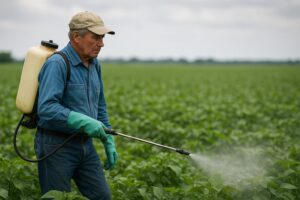
With the increasing scrutiny around Glyphosate Liability, you may find yourself navigating a complex landscape of legal risks and liability as a landscaper. Understanding the potential dangers associated with glyphosate use is vital for protecting your business and ensuring the safety of your clients. This blog post will explore the heightened peril you face in this intricate liability labyrinth, providing you with the vital information to make informed decisions and mitigate risks effectively.
Key Takeaways:
- Landscapers may be at greater risk due to exposure to glyphosate-related lawsuits.
- Glyphosate is widely used and has been linked to various health concerns, increasing liability potential.
- Contractual agreements can offer some protection, but they do not eliminate risk completely.
- Insurance coverage may vary in protecting against glyphosate claims, leading to potential gaps.
- Public perception and regulatory scrutiny around glyphosate usage are intensifying.
- Ongoing scientific studies can influence liability and regulatory environments significantly.
- Landscapers should stay informed and consider risk management strategies to mitigate exposures.
Understanding Glyphosate
Definition of Glyphosate
Glyphosate is a broad-spectrum systemic herbicide primarily used to kill weeds, especially annual broadleaf weeds and grasses. It works by inhibiting a specific enzyme pathway important for plant growth. This chemical is most commonly found in various agricultural and landscaping products, making it one of the most widely used herbicides globally.
Historical Background
Developed in the 1970s, glyphosate was introduced by Monsanto under the brand name Roundup. Initially, it was celebrated for its effectiveness in controlling unwanted plants and emerging as a key tool in modern agricultural practices. Over the decades, its popularity grew, especially with the advent of genetically modified crops resistant to glyphosate, which revolutionized farming methods.
The introduction of glyphosate significantly altered agricultural and landscaping methods. By the 1990s, glyphosate-resistant crops accounted for a substantial portion of U.S. crop production, leading to increased reliance on the herbicide. This widespread use prompted extensive studies into its safety and environmental impact, foreshadowing the legal challenges you may encounter today as more studies link glyphosate to health concerns, particularly cancers.
Regulatory Status and Usage
Glyphosate’s regulatory status varies across countries, with many nations approving its use while others have imposed bans or restrictions due to health concerns. In the United States, the Environmental Protection Agency (EPA) continues to deem it safe when used as directed, though ongoing litigation and toxicity assessments keep the issue contentious.
Your understanding of glyphosate’s regulatory landscape is vital. While the EPA affirms that glyphosate poses no risk when properly handled, states like California have added it to their list of chemicals known to cause cancer, leading to heightened scrutiny and a complex legal environment for landscapers. As public perception shifts and more jurisdictions consider restrictions, you may need to navigate these regulatory challenges carefully to mitigate risks associated with its use.
Glyphosate and Landscaping
Common Uses in Landscaping
In the landscaping industry, glyphosate is commonly utilized for controlling unwanted weeds and invasive plants, allowing you to maintain manicured lawns and gardens. It serves as an efficient solution for preparation before planting, ensuring that you establish healthy plants in a weed-free environment. Landscape professionals often use glyphosate around trees, shrubs, and in hardscapes, making it a versatile tool in your arsenal.
Advantages of Glyphosate for Professionals
Glyphosate offers several advantages that make it appealing to landscaping professionals. Its effectiveness against a wide range of perennial and annual weeds translates into efficient project completion. You can achieve significant time savings, as glyphosate often requires only a single application to deliver results, compared to multiple treatments with other herbicides.
This efficiency allows you to focus on other aspects of landscaping while ensuring that your projects meet client expectations. With glyphosate, you can expect faster weed control, which is important during peak seasons. Additionally, its ability to translocate within plants means that you eliminate not just the visible parts but also the roots, reducing the likelihood of regrowth. This makes glyphosate a preferred choice for large-scale projects or tight schedules.
Risks Associated with Glyphosate in the Landscaping Industry
The use of glyphosate carries specific risks that landscapers must be aware of, especially regarding potential health implications and legal liabilities. Concerns about glyphosate’s association with cancer risks have led to increased scrutiny and lawsuits against companies applying the herbicide. Your exposure during application and potential overspray may expose you to litigation and insurance challenges.
Staying informed about both health regulations and evolving scientific research is important as public perception shifts around glyphosate. Understanding proper application techniques and safety equipment can mitigate risks, yet even with precautions, the ongoing controversies surrounding glyphosate could threaten your reputation and business longevity. This duality of reliance on glyphosate, paired with the inherent risks, creates a complex landscape that you need to navigate carefully.
The Science of Glyphosate
Mechanisms of Action
Glyphosate functions by inhibiting a specific enzyme pathway known as the shikimic acid pathway, crucial for plant growth. This pathway is not present in animals, giving glyphosate its selectivity. Once absorbed by foliage, it disrupts amino acid production, ultimately leading to plant death. This unique mechanism allows you to target unwanted vegetation while leaving desirable plants relatively unharmed, but it underscores the importance of understanding proper application techniques.
Environmental Impact
Glyphosate has significant environmental consequences, affecting both terrestrial and aquatic ecosystems. Excessive runoff can lead to water contamination, adversely impacting aquatic life. Your use of glyphosate requires careful consideration of local environmental regulations and potential unintended consequences to surrounding flora and fauna.
Research indicates that glyphosate residues can persist in soil, which may alter microbial communities crucial for nutrient cycling. Additionally, runoff may contribute to problems like algal blooms in water bodies, which leads to further ecological imbalance. As you apply glyphosate, it’s vital to assess its long-term impacts on soil health and water ecosystems near your worksite.
Human Health Concerns
The potential health risks associated with glyphosate exposure remain contentious. Some studies have linked glyphosate to various health issues, including cancers, suggesting that landscapers should remain cautious during application. Affected individuals have reported symptoms ranging from skin irritation to more severe conditions, intensifying the need for personal protective equipment and proper handling techniques.

Recent lawsuits against glyphosate manufacturers highlight the serious allegations of cancer risk, particularly non-Hodgkin lymphoma. Data from the International Agency for Research on Cancer (IARC) categorized glyphosate as “probably carcinogenic in humans,” sparking intense debate concerning its safety. As a landscaper, understanding these health implications can inform safe practices, ensuring that you prioritize your well-being while fulfilling your professional responsibilities.
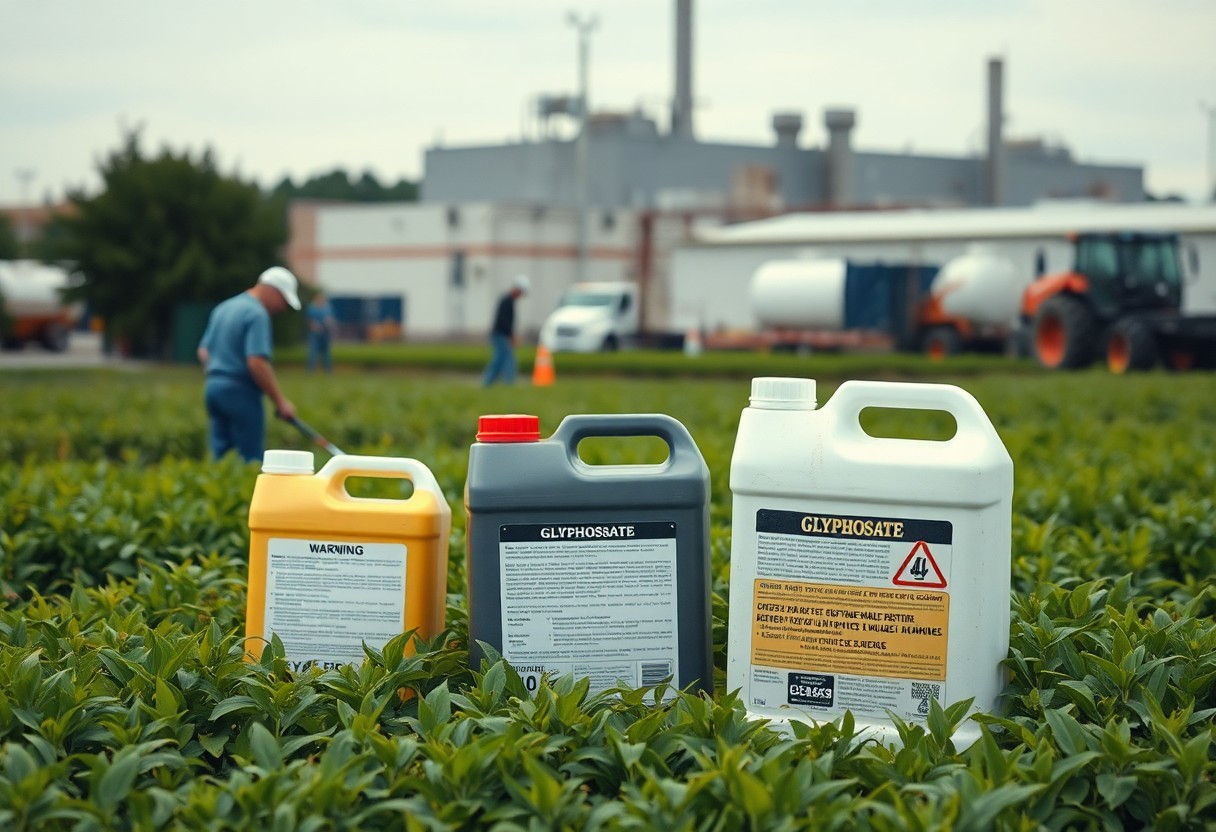
Glyphosate Liability Landscape
Overview of Liability Issues
Landscapers face significant liability risks associated with glyphosate use due to increasing litigation over its potential health effects. Exposure claims often center on accusations that glyphosate contributes to serious conditions like non-Hodgkin lymphoma. As a landscaper, understanding your legal vulnerabilities is important, especially in light of the growing number of lawsuits targeting manufacturers and users alike.
Key Cases and Precedents
High-profile court cases have set critical legal precedents regarding glyphosate use and liability. One landmark case involved a jury awarding $289 million to a groundskeeper who developed cancer after regular exposure to the herbicide. Such rulings significantly influence how courts view the responsibility of manufacturers and users in future litigation.
The prominent case of Dewayne Johnson v. Monsanto Co. highlighted the jury’s willingness to hold manufacturers accountable for health risks linked to glyphosate, resulting in a substantial verdict that was later reduced but still underscored liability concerns. Your operations may be directly impacted by the conclusions drawn in these cases, as courts increasingly scrutinize the evidence surrounding glyphosate’s safety and its links to serious illnesses.
Impact of Lawsuits on the Industry
Ongoing lawsuits have prompted shifts in industry practices, with many landscapers reevaluating their glyphosate usage and seeking alternatives. This legal landscape fosters uncertainty, compelling you to consider the implications for your business as litigation outcomes reshape industry standards.
In response to rising litigation costs and changing consumer preferences, the landscaping industry is increasingly investing in safer, more sustainable herbicide options. A growing number of companies are opting for organic or non-chemical weed management solutions, illustrating a transformative response to glyphosate liability and signaling a broader shift towards environmental responsibility. This shift not only reduces potential legal exposure but also aligns your services with evolving market demands.
Legal Framework Surrounding Glyphosate
Product Liability Law
You face potential product liability claims if glyphosate products you use cause harm. Generally, these laws require proof that the product was defective or unreasonably dangerous at the time it was sold. This encompasses design defects, manufacturing defects, and inadequate warnings about safety risks. Legal precedents show that companies can be held accountable for the adverse effects of their products, especially when safety data is lacking.
Negligence and Duty of Care
Your responsibility extends beyond merely using glyphosate; you must exercise reasonable care in its application. This includes following manufacturer guidelines and local regulations to mitigate risk. Failing to adhere to these standards could result in negligence claims if someone is injured or property is damaged.
Negligence hinges on the concept of duty of care, which obligates you to act not just in your interest but also in the interest of public safety. For example, if you omit critical instructions on glyphosate safety while providing landscaping services, you might be considered negligent if harm results from that omission. Courts often evaluate whether your actions met the standard of care expected within your industry, thus directly impacting liability issues.
State and Federal Regulations
Various state and federal regulations govern glyphosate use, impacting your compliance responsibilities significantly. The EPA regulates the registration of pesticides, including glyphosate, requiring extensive risk assessments. State laws can also impose stricter requirements, necessitating vigilance on your part to comply with all applicable regulations.
Understanding state and federal regulations is critical, as local bodies may enact laws that exceed federal standards. Failure to adhere to either set of regulations can lead to severe penalties, including fines and loss of licenses. For instance, California’s Proposition 65 mandates warnings about chemicals that may cause cancer, including glyphosate, meaning you need to implement safety protocols and disclosures to protect yourself from legal action.
The Role of the Landscaper
Responsibilities and Expectations
Your role as a landscaper encompasses the management of various tasks, including weed control, soil maintenance, and the installation of plants and features. With this responsibility comes the expectation to apply chemical treatments, such as glyphosate, in a manner that is safe for both clients and the environment. Understanding local regulations and best practices ensures that you not only meet industry standards but also protect your business from potential liability.
Training and Certification
Obtaining the proper training and certification is imperative in managing glyphosate applications effectively. States often require landscapers to undergo specialized training programs that emphasize safe handling, application techniques, and legal compliance associated with herbicide use.
For instance, certifications usually cover the Environmental Protection Agency (EPA) guidelines and local regulations, providing you with vital knowledge regarding the safe application of glyphosate. Training programs often include hands-on workshops where you can practice proper techniques and receive instruction on the identification of invasive species, the timing of applications, and the use of protective equipment. This foundation enables you to minimize risks while adhering to industry standards.
Best Practices in Glyphosate Application
Adhering to best practices when applying glyphosate significantly reduces your liability exposure. These practices include carefully reading product labels, utilizing appropriate protective gear, and applying treatments during optimal weather conditions to minimize drift.
In addition, integrating integrated pest management (IPM) strategies can enhance your glyphosate application. By combining chemical treatments with cultural practices, such as promoting healthy soil and using native plants, you can effectively manage weeds while minimizing reliance on herbicides. Keeping accurate records of application dates, quantities used, and location helps ensure compliance with regulations and strengthens your defense in case of liability claims. Engaging in ongoing education and staying updated on emerging research enhances your expertise and reinforces your commitment to responsible landscaping practices.
Assessing Risks for Landscapers
Exposure Risks
You encounter various exposure risks when using glyphosate, especially during applications or when handling contaminated equipment. Direct skin contact, inhalation of spray particles, and dermal absorption pose significant health concerns. Understanding the safe handling guidelines and utilizing protective gear can mitigate these risks, but the potential for exposure still exists.
Legal Risks
Your legal risks include the possibility of facing lawsuits, particularly if glyphosate is linked to health issues such as cancer in clients or workers. Courts have recently favored plaintiffs in such cases, raising concerns for your business liability. In some states, your business may also be held accountable under strict liability laws, emphasizing the importance of following regulations closely.
The legal landscape is shifting as state regulations evolve, leading many jurisdictions to impose stricter limitations on glyphosate use. If you are found negligent in how you handle or apply these chemicals, you could be liable for any subsequent harm. Additionally, public sentiment is increasingly adverse toward glyphosate, which could lead to reputational damage alongside legal consequences.
Financial Implications
The financial implications of glyphosate usage can be severe, as legal battles and settlements can drain resources. Insurance premiums may rise as claims increase, necessitating careful budgeting to accommodate these potential costs. Maintaining compliance with evolving laws can also require significant investment in training and seeking alternative products.
Investing in alternative weed control methods can lead to higher upfront costs, but may ultimately save your business from costly legal battles and reputational harm associated with glyphosate. Implementing best practices and focusing on education can reduce risks, potentially improving your bottom line in the long term by avoiding litigation and attracting clients seeking eco-friendly solutions.
Mitigating Liability Risks
Use of Alternatives to Glyphosate
Exploring alternatives to glyphosate can significantly reduce your exposure to liability. Natural herbicides, organic mulches, and manual weeding are just a few options that can effectively control weeds without the risks associated with chemical herbicides. Implementing these methods not only safeguards your business but also appeals to environmentally conscious clients, enhancing your reputation.
Implementing Safety Protocols
Adopting robust safety protocols effectively minimizes potential risks related to glyphosate usage. This includes providing comprehensive training for all staff on safe handling practices and using personal protective equipment (PPE) during application. Regular safety audits further ensure adherence to industry standards.
Creating a culture of safety within your team fosters accountability and diligence. Encourage open discussions about safety measures, conduct routine training sessions, and ensure that everyone is familiar with the specific risks associated with glyphosate. By prioritizing such practices, you create a safer working environment while reducing the likelihood of liability claims.
Documentation and Record Keeping
Thorough documentation and diligent record-keeping are vital in mitigating liability risks. Maintain detailed logs of all herbicide applications, including dates, locations, quantities used, and weather conditions. This not only protects you during potential legal disputes but also demonstrates compliance with safety regulations.
Effective record-keeping also involves documenting client communications regarding glyphosate usage and alternatives presented. By having a clear record of these interactions, you can establish that you informed clients of potential risks and recommended safer practices. This proactive approach can act as a safeguard in the event of litigation, highlighting your commitment to responsible landscaping practices.
Case Studies of Landscapers Facing Liability
- Case Study 1: Landscape Co. A – Faced a lawsuit resulting in $2 million payout after clients developed health issues linked to glyphosate use.
- Case Study 2: Green Thumb Landscaping – Settled a claim for $1.5 million due to prolonged exposure of workers to glyphosate without proper safety protocols.
- Case Study 3: Eco-Lawns Inc. – Experienced a class action lawsuit impacting over 500 clients, leading to settlements totaling $5 million.
- Case Study 4: Urban Gardens LLC – Paid $750,000 to an employee diagnosed with non-Hodgkin lymphoma allegedly from glyphosate exposure.
- Case Study 5: Nature’s Touch – Saw a 30% drop in business after adverse media coverage surrounding glyphosate-related litigation.
Landscape Companies in Litigation
Your industry faces significant litigation risks as numerous landscape companies have been entwined in lawsuits related to glyphosate exposure. These cases not only affect financial standing but also damage reputations and client relationships.
Analysis of Outcomes
Outcomes of glyphosate lawsuits illustrate a troubling trend, with hefty settlements becoming commonplace. Many cases settled out of court to avoid protracted legal battles, resulting in reduced transparency about the extent of damage caused by glyphosate.
The financial repercussions extend beyond immediate payouts; companies often incur legal fees, increases in insurance premiums, and loss of clientele, creating a ripple effect within the ecosystem of landscaping. Settlement amounts frequently exceed millions, compelling businesses to reassess their chemical usage and tenant safety measures, thereby alerting them to vulnerabilities in operational protocols.
Lessons Learned
You can draw vital lessons from the experiences of companies involved in litigation. Proactive measures, including employee training and utilizing alternative treatments, become necessary to mitigate potential liabilities.
Adopting comprehensive safety measures and transparent communication with clients regarding chemical usage can foster trust and minimize legal risks. These lessons highlight the necessity of prioritizing health and safety while ensuring you remain informed about regulations surrounding glyphosate, ultimately protecting your business from similar pitfalls.
Insurance Considerations for Landscapers
Types of Insurance Coverage
As a landscaper, securing the right types of insurance coverage is important to safeguard your business. Key policies to consider include general liability insurance, professional liability insurance, workers’ compensation, and commercial auto insurance. Each provides a unique layer of protection tailored to various risks associated with landscaping work.
- General Liability Insurance
- Professional Liability Insurance
- Workers’ Compensation
- Commercial Auto Insurance
- Equipment Insurance
Thou must ensure that your policies are comprehensive and adequately reflect the scope of your work.
| Type of Insurance | Purpose |
| General Liability | Covers bodily injuries and property damage to third parties. |
| Professional Liability | Protects against claims of negligence or errors in service. |
| Workers’ Compensation | Provides benefits to injured employees while protecting you from lawsuits. |
| Commercial Auto | Insures vehicles used for business-related transport. |
| Equipment Insurance | Covers loss or damage to your landscaping tools and machinery. |
Importance of Comprehensive Liability Insurance
Comprehensive liability insurance is vital for mitigating financial risk. This coverage can protect you against potential lawsuits and claims resulting from accidental damages or injuries on the job. As litigation costs can be exorbitant, having robust coverage can make the difference between a thriving business and financial ruin.
Comprehensive liability insurance not only covers legal fees but also compensates for settlements and judgments against you. For instance, settlements can range from thousands to millions based on the severity of the incident. Opting for a higher coverage limit ensures that your business remains secure, allowing you to focus on restoring your client’s landscapes rather than worrying about potential financial fallout from a lawsuit. Your insurance policy should evolve as your business grows, keeping pace with additional services or hires that increase exposure to liability risks.
Navigating Insurance Claims
Navigating insurance claims can be a complex process that requires meticulous documentation and communication with your insurer. Proper claim filing requires accurately reporting incidents and maintaining thorough records, including photographs and witness statements. These steps are important to avoid potential disputes regarding coverage.
To efficiently navigate insurance claims, promptly report any incidents and thoroughly document all evidence. Be prepared to engage in discussions with your insurance adjuster, as they will assess the claim’s validity and value. Having a proactive approach in detailing your activities and maintaining good communication ensures smoother processing of your claims, ultimately leading to quicker resolutions. Ensuring familiarity with your policy terms also aids in swiftly addressing issues and clarifying coverage.
Advocacy and Industry Response
Lobbying for Policy Changes
Industry stakeholders are actively engaging in lobbying efforts to reshape policies surrounding glyphosate use. This includes pushing for regulations that balance safety and agricultural practices while addressing liability concerns. Your voice in these initiatives can lead to legislative reform that protects landscapers from unwarranted lawsuits related to glyphosate exposure.
Role of Professional Organizations
Professional organizations play a vital role in advocating for the interests of landscapers and providing resources to navigate the complexities of glyphosate liability. Initiatives such as workshops, legal consultations, and industry publications equip you with crucial knowledge to mitigate risks.
These organizations often collaborate with legal experts to offer webinars and guidance documents addressing glyphosate use and associated liabilities. By becoming a member, you access a network that shares best practices, monitors changing regulations, and offers educational resources tailored to the unique challenges you face in your landscaping business.
Community Awareness and Education
Boosting community awareness about glyphosate risks and safe application practices is crucial for landscapers. Through targeted educational campaigns, you can inform clients and the public about responsible pesticide usage and its implications for health and the environment.
Community engagement can take many forms, such as hosting informational sessions, creating online content, or distributing printed materials that outline best practices. Educating your clients not only fosters trust but empowers them to make informed decisions regarding glyphosate use. This proactive approach can enhance your reputation and safeguard your business against potential liability claims.
Future Outlook for Glyphosate in Landscaping
Emerging Trends and Technologies
Innovations such as integrated pest management (IPM) and biological control agents are transforming landscaping practices. Automated technologies, including drones and precision application equipment, enable targeted solutions that reduce reliance on glyphosate. These advancements align with an increasing emphasis on sustainable practices that prioritize environmental health while maintaining landscape aesthetics.
Shifts in Public Perception
The public’s view of glyphosate is evolving, driven by growing awareness of health and environmental impacts. As consumers advocate for safer alternatives, businesses that transition away from glyphosate may enhance their reputation and attract a loyal customer base increasingly concerned about sustainability.
With several high-profile lawsuits highlighting glyphosate’s potential risks, public perception has shifted from acceptance to skepticism. Media coverage of these legal battles has spurred conversations about chemical usage, leading many consumers to seek out organic or glyphosate-free landscaping options. As awareness grows, companies that openly disclose their practices earn trust and may find a competitive advantage in pitching eco-friendly solutions.
Predictions for Industry Evolution
As regulatory measures tighten and public sentiment shifts, expect a gradual phase-out of glyphosate in landscaping. This evolution will prompt increased demand for organic products and methods, creating opportunities for businesses that adapt to these changes.
The future landscape industry will likely involve a diverse array of eco-friendly products and techniques. Organic fertilizers, natural herbicides, and advanced cultivation methods will become more prevalent as you navigate client expectations for sustainable practices. Remaining ahead of these trends not only positions your business favorably but also contributes to a healthier environment and community acceptance in an increasingly eco-conscious market.
To wrap up
Following this, you must consider the significant risks associated with glyphosate exposure as a landscaper. Understanding liability issues can protect your business from potential legal ramifications. Staying informed about regulatory changes and implementing safety protocols are vital steps to mitigate your risks. By doing so, you not only safeguard your health but also enhance your professional practices in an evolving legal landscape.
FAQ
Q: What is Glyphosate?
A: Glyphosate is a broad-spectrum systemic herbicide commonly used to kill weeds, especially annual broadleaf weeds and grasses. It works by inhibiting a specific enzyme pathway found in plants.
Q: Why are landscapers concerned about Glyphosate liability?
A: Landscapers may face heightened liability risks due to increasing lawsuits linking glyphosate exposure to health issues, particularly cancer, which can lead to significant financial repercussions for businesses.
Q: What legal protections do landscapers have regarding Glyphosate use?
A: Legal protections vary by region and may include proper safety training, usage protocols, and adherence to labeling guidelines. Compliance with local regulations can help mitigate liability risks.
Q: How can landscapers minimize the risk of Glyphosate-related lawsuits?
A: Landscapers can minimize risk by documenting all usage, providing safety training to employees, offering alternative weed control methods, and staying informed about changing regulations and scientific research.
Q: What are the potential health effects of Glyphosate exposure?
A: Potential health effects from glyphosate exposure include skin irritation, respiratory issues, and controversial associations with certain cancers, which have raised concerns among workers in the landscaping industry.
Q: Are there alternatives to Glyphosate that landscapers can use?
A: Yes, alternatives include organic herbicides, manual weeding, mulching, and using landscape fabrics to suppress weed growth without the use of glyphosate.
Q: What should landscapers do if they are facing a lawsuit related to Glyphosate?
A: Landscapers should seek legal counsel experienced in environmental law and liability cases, review their insurance coverage, and gather documentation regarding herbicide application and safety practices.