


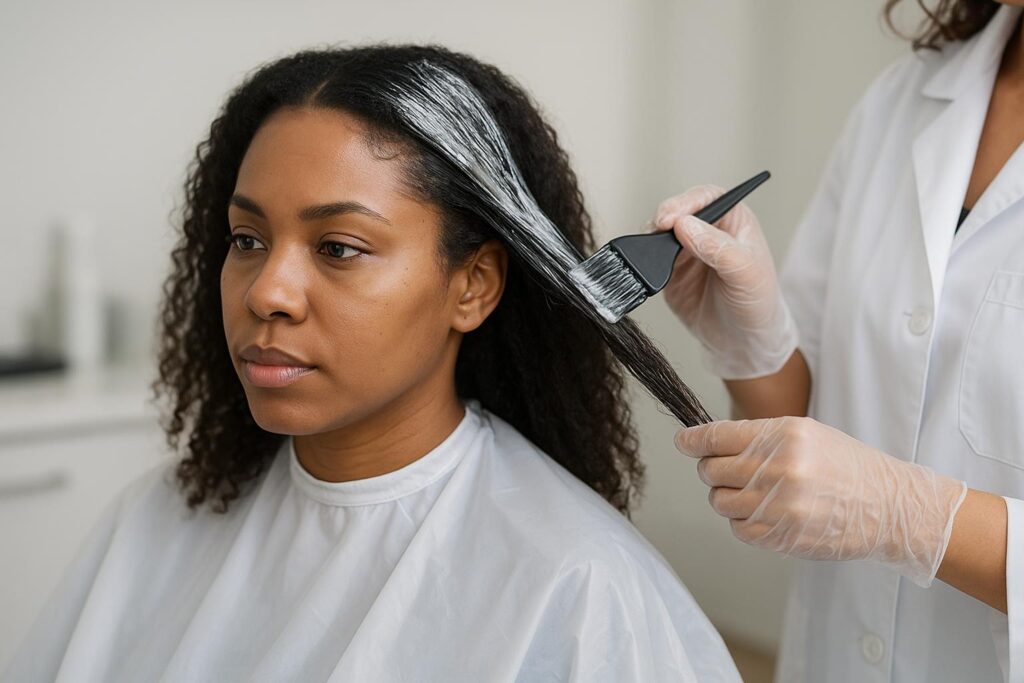
Thousands of women across the United States are filing claims in the hair relaxer cancer lawsuit after studies linked chemical hair straighteners to uterine and ovarian cancers. If you or a loved one used chemical relaxers for years and later developed cancer, you may be entitled to pursue compensation through a mass tort claim. Understanding the symptoms, eligibility requirements, and filing process is critical to protecting your rights and potential recovery.
Recent research from the National Institutes of Health (NIH) found that women who frequently used chemical hair straighteners had a significantly higher risk of uterine cancer. This alarming discovery has led to a growing number of lawsuits against major manufacturers.
To learn more about your legal options, visit our hair relaxer cancer lawsuit resource page for detailed information and a free eligibility review.
Understanding the Hair Relaxer Cancer Lawsuit
The hair relaxer cancer lawsuit centers on allegations that manufacturers failed to warn consumers about the potential cancer risks associated with long-term use of chemical hair straighteners. Plaintiffs claim that exposure to endocrine-disrupting chemicals in these products caused serious health consequences, including uterine and ovarian cancers.
These lawsuits are being consolidated into multidistrict litigation (MDL) to streamline pretrial proceedings. Victims are seeking compensation for medical expenses, lost wages, pain and suffering, and other damages related to their cancer diagnoses.
Common Symptoms and Signs of Cancer from Hair Relaxer Exposure
Recognizing early warning signs of cancer is vital for timely diagnosis and treatment. Women who have used hair relaxers for years should be aware of potential symptoms that may indicate uterine or ovarian cancer.
- Abnormal or heavy menstrual bleeding
- Pelvic or abdominal pain
- Unexplained bloating or swelling
- Frequent urination or difficulty emptying the bladder
- Unexplained fatigue or weight loss
According to the National Cancer Institute, these symptoms can be early indicators of uterine or ovarian cancer. Anyone experiencing these signs should seek medical evaluation immediately and document all findings for potential legal claims.
Documenting a Hair Relaxer Cancer Diagnosis for a Claim
Proper documentation is essential for building a strong case. Plaintiffs must provide medical evidence linking their cancer diagnosis to long-term exposure to chemical hair relaxers. This typically includes:
- Medical records confirming a uterine or ovarian cancer diagnosis
- Pathology reports and biopsy results
- Product use history, including brands and duration of use
- Receipts, photos, or witness statements verifying product use
- Physician statements connecting exposure to diagnosis
Maintaining organized records helps attorneys establish causation and strengthen your claim for compensation.
Eligibility for the Hair Relaxer Cancer Lawsuit
Not everyone who used a hair relaxer will qualify for a lawsuit. Eligibility generally depends on several key factors:
- Regular use of chemical hair straighteners or relaxers for multiple years
- Diagnosis of uterine, ovarian, or endometrial cancer
- Medical documentation linking exposure to diagnosis
- Filing within the applicable statute of limitations
Each state has its own statute of limitations for hair relaxer lawsuits, which limits the time you have to file a claim. Missing this deadline can permanently bar your right to compensation. It is important to act quickly to determine your eligibility.
See if you are eligible to join the hair relaxer cancer lawsuit today.
Filing a Hair Relaxer Injury Claim
Filing a hair relaxer uterine cancer claim involves several steps. The process typically includes:
- Case Evaluation: An attorney reviews your medical history and product use to determine if you qualify.
- Evidence Collection: Gathering medical records, receipts, and other proof of exposure.
- Filing the Claim: Your attorney files the lawsuit in the appropriate jurisdiction or joins the MDL.
- Discovery and Negotiation: Both sides exchange evidence and may negotiate settlements.
- Resolution: Cases may settle out of court or proceed to trial if no agreement is reached.
While no outcome is guaranteed, filing a claim ensures your case is preserved and considered for potential compensation.
Potential Compensation in Hair Relaxer Cancer Cases
Victims may be entitled to hair relaxer exposure injury compensation for various damages, depending on the severity of their illness and its impact on their lives. Compensation categories may include:
- Medical expenses for cancer treatment and follow-up care
- Lost income and reduced earning capacity
- Pain and suffering
- Emotional distress
- Loss of consortium or companionship
Settlement values vary widely based on individual circumstances, medical evidence, and the strength of the case. Attorneys evaluate each claim carefully to determine potential recovery ranges.
Factors That Influence Hair Relaxer Cancer Settlement Eligibility
Several factors can affect hair relaxer cancer settlement eligibility and the potential value of a claim:
- Duration and frequency of product use
- Type and stage of cancer diagnosed
- Age and overall health of the claimant
- Strength of medical and scientific evidence
- Applicable state laws and filing deadlines
Because each case is unique, consulting with a qualified attorney experienced in mass tort litigation is the best way to understand your options.
Scientific Evidence Linking Hair Relaxers to Cancer
Multiple studies have identified a connection between chemical hair straighteners and hormone-related cancers. The NIH study found that women who used relaxers more than four times a year were more than twice as likely to develop uterine cancer compared to non-users. Researchers believe that phthalates, parabens, and formaldehyde-releasing agents in these products may disrupt hormonal balance and increase cancer risk.
Additional research published in PubMed supports these findings, emphasizing the need for further investigation into long-term exposure effects.
Statute of Limitations for Hair Relaxer Lawsuits
The statute of limitations for hair relaxer lawsuits varies by state, typically ranging from one to three years after diagnosis or discovery of the injury. Some states allow additional time if the link between the product and cancer was not reasonably known earlier. Because these deadlines are strict, victims should act quickly to preserve their rights.
Failing to file within the statute of limitations can result in losing the ability to recover compensation, regardless of the strength of your case.
CTA: Check Your Eligibility Now
If you believe your cancer diagnosis may be related to chemical hair straighteners, do not wait. Check your eligibility for compensation in the hair relaxer cancer lawsuit now. Our team can help you determine whether you qualify and guide you through the next steps before time runs out.
How to Strengthen Your Hair Relaxer Cancer Claim
To improve your chances of a successful claim, take the following steps:
- Keep all medical and product records organized
- Document your product use history in detail
- Follow your doctor’s treatment plan and retain all reports
- Avoid discussing your case publicly or on social media
- Consult with a mass tort attorney experienced in product liability cases
These actions can help build a strong foundation for your claim and ensure your evidence is preserved.
CTA: Take Action Before It’s Too Late
Thousands of women are already pursuing justice through the ongoing litigation. You may still have time to join them. Find out if you qualify for the hair relaxer cancer lawsuit before it is too late. Taking action now could protect your right to potential compensation.
Frequently Asked Questions About the Hair Relaxer Cancer Lawsuit
Who qualifies for the hair relaxer cancer lawsuit?
Women who regularly used chemical hair relaxers and were later diagnosed with uterine, ovarian, or endometrial cancer may qualify. Eligibility depends on documented product use, medical evidence, and filing within the statute of limitations.
What evidence do I need to file a hair relaxer injury claim?
You will need medical records confirming your diagnosis, proof of product use, and documentation linking your exposure to your illness. Receipts, photos, or witness statements can also support your claim.
How long do I have to file a hair relaxer cancer lawsuit?
The time limit varies by state, typically one to three years from diagnosis or discovery of the injury. It is best to consult an attorney immediately to avoid missing your filing deadline.
What types of compensation are available?
Compensation may include medical expenses, lost wages, pain and suffering, and other damages related to your cancer diagnosis. Settlement amounts depend on the specifics of each case.
Are there any costs to file a claim?
Most attorneys handling these cases work on a contingency fee basis, meaning you pay no upfront costs. Legal fees are only collected if compensation is recovered on your behalf.
Is there scientific proof linking hair relaxers to cancer?
Yes. Studies from the NIH and other research institutions have found a strong association between frequent use of chemical hair straighteners and increased risk of uterine and ovarian cancers.
Can I still file if I stopped using relaxers years ago?
Possibly. Eligibility depends on when you were diagnosed and your state’s statute of limitations. Even if you stopped using relaxers years ago, you may still qualify if your diagnosis occurred recently.