


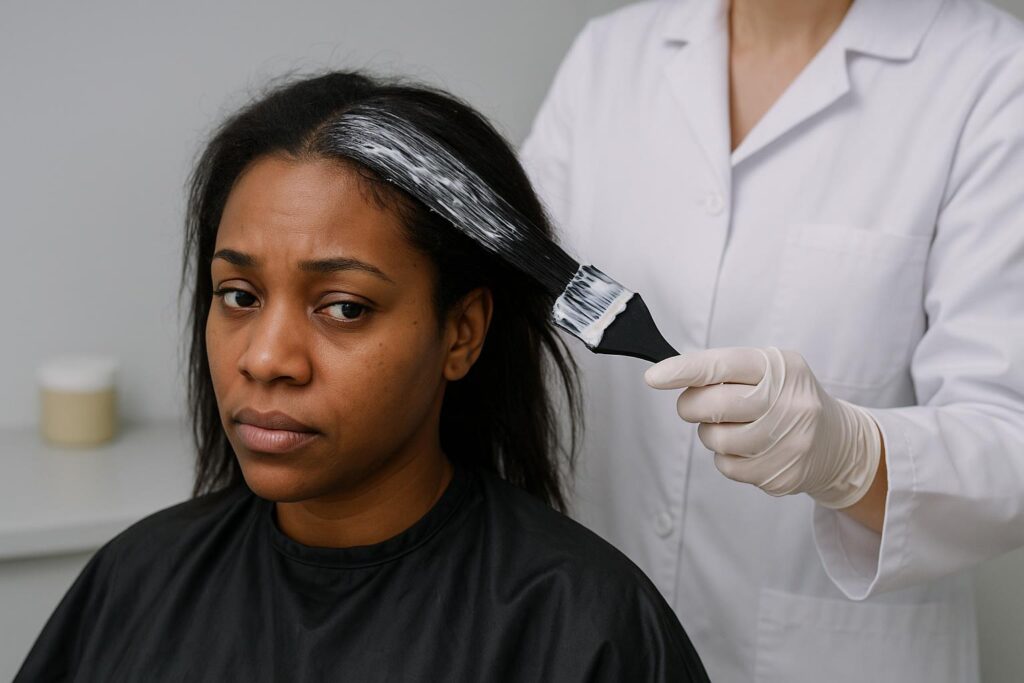
Thousands of women across the United States are filing claims linking chemical hair straighteners to serious health conditions, including uterine and ovarian cancer. The hair relaxer cancer lawsuit seeks justice for those harmed by long-term exposure to toxic chemicals found in popular hair relaxer products. If you or a loved one developed cancer after years of using these products, understanding your legal options is critical.
Recent studies have raised alarming concerns about the potential connection between chemical hair straighteners and hormone-related cancers. Victims are now pursuing compensation through mass tort litigation to hold manufacturers accountable for failing to warn consumers of these risks. Find out if you qualify for the hair relaxer cancer lawsuit before time runs out.
Understanding the Hair Relaxer Cancer Lawsuit
The lawsuits allege that manufacturers of chemical hair relaxers failed to disclose the dangers of ingredients such as formaldehyde, parabens, and phthalates. These chemicals may disrupt the endocrine system, potentially increasing the risk of uterine and ovarian cancers. Plaintiffs claim that regular use of these products led to severe health consequences that could have been prevented with proper warnings.
According to research published by the National Institutes of Health (NIH), women who frequently use chemical hair straighteners may face a significantly higher risk of developing uterine cancer compared to non-users. This finding has become a cornerstone of the ongoing litigation.
Common Symptoms and Health Concerns After Hair Relaxer Use
Many women who used hair relaxers for years are now reporting symptoms consistent with reproductive cancers. Recognizing these signs early can be vital for both medical treatment and potential legal claims.
- Abnormal uterine bleeding or spotting between periods
- Pelvic pain or pressure
- Unexplained bloating or abdominal swelling
- Changes in menstrual cycles
- Fatigue or unexplained weight loss
Those experiencing uterine cancer symptoms after hair relaxer use should seek immediate medical evaluation. A confirmed diagnosis can also serve as critical evidence in a potential hair relaxer uterine cancer claim.
Eligibility Criteria for Filing a Hair Relaxer Cancer Claim
Determining whether you qualify for the hair relaxer cancer lawsuit depends on several factors. While each case is unique, most claims share common eligibility elements:
- Regular use of chemical hair relaxers or straighteners for several years
- Diagnosis of uterine, ovarian, or endometrial cancer
- Use of products manufactured by major brands named in current litigation
- Medical documentation linking product use to diagnosis
Victims who meet these hair relaxer lawsuit eligibility criteria may be entitled to pursue compensation for medical expenses, lost wages, and pain and suffering. Check your eligibility for the hair relaxer cancer lawsuit today.
Evidence Needed for a Hair Relaxer Cancer Claim
Strong evidence is essential to support a successful claim. Plaintiffs must demonstrate a clear connection between product use and their cancer diagnosis. The following documentation can strengthen your case:
- Medical records confirming cancer diagnosis and treatment
- Receipts, photos, or testimony proving product use
- Statements from healthcare providers linking exposure to illness
- Scientific studies supporting the causal relationship
Recent findings from the PubMed medical database have reinforced concerns about endocrine-disrupting chemicals in hair relaxers, providing additional scientific support for these claims.
Statute of Limitations for Hair Relaxer Claims
The statute of limitations for hair relaxer claims varies by state, typically ranging from one to three years after diagnosis or discovery of the link between product use and illness. Missing this deadline can permanently bar victims from seeking compensation. Because these timelines differ, it is important to act quickly once you suspect your cancer may be related to chemical hair straighteners.
Even if your diagnosis occurred years ago, exceptions may apply depending on when the connection to hair relaxer use became known. Consulting with a qualified mass tort intake team can help determine whether your claim is still valid.
Potential Hair Relaxer Cancer Settlement Compensation
While no outcome is guaranteed, plaintiffs in the hair relaxer cancer lawsuit may pursue compensation for a variety of losses. Settlement amounts depend on the severity of the illness, medical costs, and the impact on quality of life. Common categories of recoverable damages include:
- Past and future medical expenses
- Lost income and reduced earning capacity
- Pain and emotional suffering
- Loss of consortium or companionship
- Funeral expenses in wrongful death cases
Each case is evaluated individually, and compensation may vary widely. The goal of these lawsuits is to hold manufacturers accountable and provide financial relief to those harmed by their products.
Filing Process for a Hair Relaxer Cancer Lawsuit
Filing a chemical hair straightener ovarian cancer lawsuit or uterine cancer claim involves several key steps. Understanding the process can help victims prepare effectively:
- Initial Evaluation: Gather medical records and product use history to determine eligibility.
- Case Review: Legal professionals assess the strength of your claim and potential damages.
- Filing the Claim: Your case is filed in the appropriate jurisdiction as part of the mass tort litigation.
- Discovery Phase: Both sides exchange evidence and expert testimony.
- Settlement Negotiations or Trial: Many cases resolve through settlements, though some proceed to trial.
Throughout this process, maintaining detailed documentation and timely communication is essential. See if you can file a hair relaxer cancer claim now.
Why Timely Action Matters
Delaying action can jeopardize your right to compensation. Evidence may become harder to obtain, and statutes of limitation can expire. Acting promptly ensures your case is preserved and increases the likelihood of a favorable outcome. Victims should not wait to confirm their eligibility or begin gathering documentation.
Do not wait to learn if you qualify for a hair relaxer cancer lawsuit. Early action can make a significant difference in protecting your rights.
Frequently Asked Questions About the Hair Relaxer Cancer Lawsuit
What cancers are linked to hair relaxer use?
Studies have primarily linked chemical hair relaxers to uterine and ovarian cancers. Some research also suggests possible associations with endometrial cancer due to hormone disruption caused by certain ingredients.
How do I know if I qualify for a hair relaxer cancer lawsuit?
You may qualify if you used chemical hair straighteners regularly and were later diagnosed with uterine or ovarian cancer. Eligibility depends on your medical history, product use, and timing of diagnosis.
What evidence is needed to support my claim?
Medical records, proof of product use, and expert medical opinions are key. Supporting scientific research can also strengthen your case by linking exposure to cancer risk.
How long do I have to file a claim?
The statute of limitations varies by state, typically one to three years after diagnosis or discovery of the link. Acting quickly is essential to preserve your right to compensation.
What compensation might be available?
Potential compensation may include medical expenses, lost wages, pain and suffering, and other related damages. Each case is evaluated individually based on its facts.
Are there ongoing settlements in the hair relaxer cancer lawsuit?
As of now, litigation is ongoing, and settlement discussions are developing. No guaranteed amounts exist, but plaintiffs are seeking fair compensation for their injuries.
How can I start my claim?
You can begin by requesting a free case review through the intake center. Start your free hair relaxer cancer case review before it is too late.