


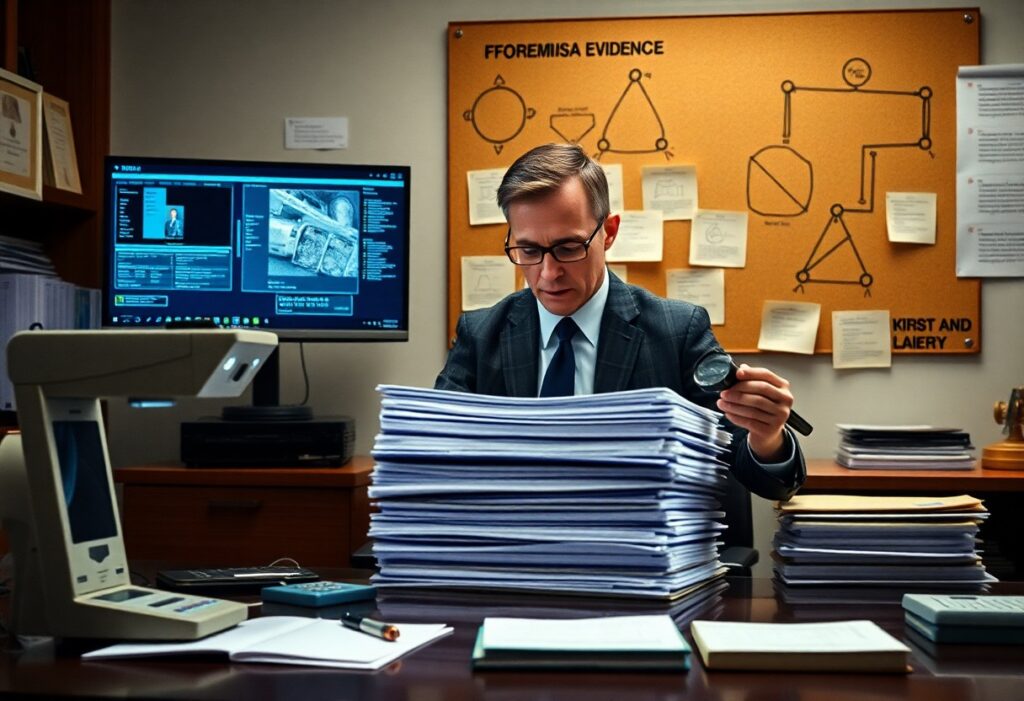
Over the course of a personal injury case, you may feel overwhelmed by the complexities involved. Personal injury lawyers possess the skills to sift through numerous elements, uncovering obscure evidence that could significantly impact your outcome. This evidence can include overlooked witnesses, hidden documents, or specialized expert testimonies. By utilizing investigative techniques and a keen eye for detail, your lawyer can transform your case by strengthening your position and maximizing your compensation potential. Understanding their approach can equip you with the insights necessary for navigating your legal journey effectively.
Key Takeaways:
- Personal injury lawyers utilize investigative techniques to gather evidence from various sources.
- They can access public records, including police reports and medical records, to build a case.
- Expert witnesses may be employed to provide specialized insights and analysis.
- Surveillance footage and photographs can reveal details that alter the narrative of an incident.
- Interviews with witnesses and parties involved may uncover new information or perspectives.
- They often consult accident reconstruction specialists to clarify the sequence of events.
- Networking with other professionals can lead to discovering hidden evidence that can impact outcomes.
The Detective Mindset: How Lawyers Become Investigators
The Importance of Curiosity
Your curiosity drives the search for overlooked details that can change the course of a case. A personal injury lawyer approaches facts with a questioning mindset, examining not just the obvious but also the seemingly insignificant. This relentless pursuit of answers often leads to discovering evidence that others may miss, turning the tide in your favor.
Mental Tools for Analyzing Evidence
Equipped with a set of mental tools, you dissect information to identify patterns and inconsistencies. Skills such as critical thinking, logical reasoning, and lateral thinking empower you to connect disparate pieces of evidence. Techniques like mind mapping allow you to visualize complex relationships and clarify investigative paths.
For example, utilizing a mind map can help you outline the timeline of events related to your case, linking witness statements, accident reports, and medical records. This visual representation highlights gaps and contradictions, providing a clearer understanding of how the elements interconnect. Furthermore, employing logical reasoning helps you scrutinize witness credibility and assess varying narratives, while analytical skills enable you to weigh evidence against established facts. Together, these tools streamline the investigative process and enhance the potential for a successful outcome.
Beyond the Obvious: Identifying Alternative Evidence Sources
Going Off the Beaten Path: Uncommon Evidence Channels
Exploring less conventional sources can yield vital evidence that may shift the dynamics of your case. You might consider looking into social media accounts, surveillance footage from nearby businesses, or even interviewing witnesses who weren’t directly involved but may have relevant information. These avenues can reveal insights or data that aren’t immediately apparent, providing you with a richer narrative to present in court.
The Role of Public Records and How to Access Them
Public records can serve as a treasure trove of information. Items such as police reports, accident records, and court documents often contain details that substantiate your case. Accessing these records typically involves contacting local government offices or online portals. For instance, police departments may allow you to request reports through specific forms, often requiring a small fee, but the insights garnered can significantly impact the outcome of your claim.
To tap into public records, start by identifying the specific documents that pertain to your case, like incident reports or witness statements. Each locality has different protocols for accessing these records; some might be readily available online, while others may require an in-person visit. You should check your state’s open records laws, which often outline what is accessible to the public and how to request it effectively. By equipping yourself with these documents, you can build a robust foundation for your argument and enhance your credibility in negotiations or litigation.
It’s Not Just About Witnesses: Leveraging Expert Testimonies
When to Call Upon an Expert
Engaging an expert becomes vital in cases involving complex issues such as medical malpractices or accident reconstructions. You should bring in an expert when traditional evidence falls short or when specific knowledge is needed to clarify intricate details that a layperson might not grasp. Their insights can shift the focus of your case, making it more compelling and easier for juries to understand.
Crafting Compelling Narratives with Expert Insights
Expert testimonies add a layer of credibility to your arguments, allowing you to weave more persuasive narratives. By integrating expert insights, you can transform technical details into relatable stories. This approach not only helps jurors follow the logic of your case but also enables them to connect emotionally with the facts presented. For instance, an accident reconstruction expert can illustrate precisely how an incident unfolded, enhancing the narrative’s clarity and impact.
Utilizing expert testimony effectively means translating their specialized knowledge into a story that resonates. For instance, if your case involves a medical procedure, having a qualified surgeon explain the complexities can demystify technical jargon, making it accessible. This not only clarifies your position but also strengthens your argument by backing it with authoritative voices. Crafting this narrative strategy can significantly influence jury perceptions, making them more likely to side with your viewpoint.
The Power of Technology: Digital Forensics in Personal Injury Cases
Cyber Evidence: Emails, Texts, and Social Media
In today’s digital landscape, you can find critical evidence within everyday communications like emails, text messages, and social media posts. These platforms often reveal your opponent’s state of mind, timeline of events, and interactions leading up to the incident. For instance, a seemingly innocent text may uncover admissions of liability or contradict claims made during deposition. By thoroughly examining these digital footprints, you can use them to strengthen your case and expose inconsistencies that serve your client’s interests.
Data Recovery Techniques That Unearth Hidden Information
Advanced data recovery techniques play a significant role in revealing hidden information crucial for personal injury cases. Utilizing specialized software, forensic experts can recover deleted files, even those that have been purged from digital devices. This process can recover relevant documents, images, or communications that otherwise remain inaccessible, providing instrumental insights into case circumstances. Legal experts evaluate this data meticulously to identify patterns or admissions of fault that enhance your position in settlement negotiations or court.
Behind Closed Doors: The Art of Subpoenaing Records
Understanding the Subpoena Process
Subpoenaing records requires a thorough understanding of legal procedures that compel individuals or organizations to provide documents relevant to your case. You can request records through a formal written order, ensuring compliance from the parties involved. This often encompasses obtaining records from witnesses, hospitals, businesses, or government agencies, all vital for building your argument.
Types of Documents You Might Not Think to Request
Beyond standard accident reports and medical records, several types of documents can provide you with a competitive edge. You might gain insights from email correspondence, text messages, or social media posts that reveal intentions or behavior relevant to your case. Gathering internal memos or company policies can also expose negligent practices that could significantly support your claims. Any documentation, no matter how trivial it may seem, can potentially turn the tide in your favor.
| Types of Records | Importance |
| Email Correspondence | Reveals intent and communication |
| Text Messages | Offers real-time interactions |
| Social Media Posts | Shows behavior and opinions |
| Internal Memos | Exposes organizational negligence |
| Company Policies | Highlights adherence to safety standards |
Many people overlook how customer complaint records and maintenance logs can also be pivotal. These documents give insight into the history of safety issues and responses from the parties involved. This kind of background information strengthens your argument by establishing a pattern or lack of accountability. Any document that appears insignificant could provide the evidence needed to substantiate your case.
- Customer Complaint Records
- Maintenance Logs
- Expert Reports
- Witness Statements
- Video Surveillance Footage
| Document Type | Usefulness |
| Customer Complaint Records | Highlights recurring issues |
| Maintenance Logs | Shows responsible parties |
| Expert Reports | Provides professional insights |
| Witness Statements | Offers unbiased accounts |
| Video Surveillance Footage | Visual evidence of incidents |
Investigative Tools: Utilizing Private Investigators
When to Consider Hiring a Private Investigator
If you suspect that certain evidence could significantly bolster your case but lack the resources or expertise to obtain it, hiring a private investigator becomes crucial. This may include situations where witness statements seem unreliable, potential fraud exists, or if surveillance is required to verify claims. A skilled investigator can uncover information that you might not have access to, providing an edge in your pursuit of justice.
What to Expect from a Professional Investigation
Engaging a private investigator means you can expect a structured approach to gathering evidence. Professional investigators employ a range of techniques, including interviews, surveillance, and background checks. They compile comprehensive reports that may include video footage, photographs, and documented witness statements to support your claim.
Expect the investigator to operate discreetly, ensuring that any gathered information remains confidential until it’s revealed in court. They’ll analyze your case details diligently, using strategies tailored to your specific needs. Depending on the case’s complexity, you might receive updates regularly, allowing you to stay informed about potential leads or developments. Ultimately, this comprehensive investigation aims to provide compelling evidence that strengthens your position in court.
The Value of Scene Recreation: Reconstructing Events
The Benefits of Using Animation and 3D Models
Animation and 3D models can vividly illustrate complex scenarios, allowing you and the jury to visualize events clearly. These tools break down intricate details, showing how different factors contributed to the incident. By providing a compelling and engaging representation of the events, you can significantly enhance understanding and retention of your case. Animation captures attention and can effectively convey your argument, making it easier for the jury to grasp critical nuances.
Gathering Evidence from the Scene of the Incident
Collecting evidence at the scene of the incident is vital in establishing an accurate narrative. This involves taking photographs, recording witness statements, and identifying physical evidence such as skid marks or debris. Thorough documentation creates a reliable foundation for your case and allows for a more persuasive presentation during trial. Every piece of evidence can potentially alter the course of the investigation and trial.
Effective gathering of evidence from the scene involves a systematic approach. Start with a comprehensive photograph log, capturing all angles and details, including potential hazards and road conditions. Interviewing witnesses onsite while their memories are fresh can yield critical information, helping pinpoint contributing factors. Additionally, engaging qualified experts for analysis—like accident reconstruction specialists—can provide insight into how specific elements underscore your argument, making the evidence even more powerful in court.
Surveillance Footage and Its Impact on Your Case
Identifying Potential Sources of Video Evidence
You can significantly strengthen your case by identifying potential sources of video evidence. Start by examining locations near the incident, including traffic cameras, business surveillance systems, and even public spaces. Businesses often have cameras that capture transactions and foot traffic, which may provide vital footage not initially considered. Engaging a lawyer early in the process can help you pinpoint these sources effectively, ensuring nothing is overlooked.
Legal Considerations and Ethical Implications
The use of surveillance footage presents several legal and ethical considerations that you must navigate. Laws regarding privacy vary by jurisdiction, and obtaining footage inappropriately could lead to legal repercussions. Additionally, ethical dilemmas arise concerning the portrayal of individuals in video footage and how that might affect public perception or the legal outcome.
Federal and state laws apply regarding consent and privacy rights when obtaining surveillance footage. For instance, in some states, recording without consent is illegal, which complicates retrieving pertinent video. Furthermore, using video evidence requires careful handling, as footage manipulated or taken out of context can lead to misinterpretation and legal challenges. Ensuring compliance with all relevant laws and ethical standards is necessary to maintaining the integrity of your case.
Forensic Analysis: Is it Worth the Investment?
Types of Forensic Evidence That Can Strengthen Your Case
Utilizing forensic evidence can significantly enhance the credibility of your argument. Common types include:
| Accident Reconstruction | Helps visualize how an incident occurred through expert analysis. |
| Medical Records Review | Clarifies the extent of injuries and their connection to the incident. |
| Forensic Photography | Presents visual proof of evidence or conditions at the scene. |
| Ballistics Analysis | Links weapons to incidents, especially in personal injury cases involving firearms. |
| DNA Analysis | A powerful tool in cases involving bodily harm or assaults. |
The effectiveness of these forensic approaches can play a pivotal role in either proving or disproving key elements of your case.
How to Collaborate with Forensic Experts
Building a productive partnership with forensic experts requires clear communication and defined objectives. Share all relevant case details and aim to align on the key questions you want answered, ensuring the expert understands your legal strategy.
Forensic experts often bring specialized knowledge that can be instrumental in your case’s success. Establishing a collaborative environment encourages a thorough investigation and analysis of evidence. Regularly update them on case developments and involve them in trial preparations, ensuring their insights are seamlessly integrated into your overall strategy. Collaborating effectively can lead to an unearthing of evidence that might be critical in persuading the jury or negotiating settlements.
The Art of Cross-Examination: Unearthing Hidden Truths
Techniques to Expose Inconsistencies
Mastering cross-examination involves employing techniques that pinpoint discrepancies in witness testimonies. One effective method is to ask relevant questions that highlight contradictions, enabling you to challenge the credibility of the witness. For instance, if a witness provided differing accounts of an incident, your focused questioning can force them to confront those inconsistencies, weakening their overall reliability. This strategy often reveals hidden truths and can dramatically shift the case’s dynamics in your favor.
The Role of Preparation in Effective Cross-Examination
Preparation for cross-examination goes beyond mere familiarity with the case; it includes crafting strategic questions tailored to each witness. Your detailed understanding of all case facets, including prior statements and depositions, equips you with the ability to pinpoint vulnerabilities. With meticulous preparation, you can anticipate potential responses and formulate counter-questions that keep witnesses on the defensive. This level of preparedness transforms cross-examination into a powerful tool for revealing critical information that may otherwise remain hidden.
Thorough preparation invigorates your cross-examination strategy by allowing you to construct a persuasive narrative. Analyze every detail in the witness’s previous statements and gather supporting evidence that reinforces your lines of questioning. For example, if a witness claims they didn’t see the accident but had been in the vicinity, your pre-examination research can include traffic camera footage or other evidence demonstrating their proximity at the time. This strategic alignment between your questioning and supporting data can lead to a compelling revelation during the trial.
Building a Narrative: The Role of Storytelling in Law
Creating a Persuasive Argument Based on Evidence
Crafting a persuasive argument relies heavily on how effectively you connect your evidence to the narrative of the case. Organizing facts and testimony into a coherent story lets jurors see the human side of the case, making it relatable. By weaving in expert opinions, eyewitness accounts, and physical evidence, you create a compelling picture that is more likely to resonate emotionally with the judge and jury, strengthening your position. Strong narratives often lead to enhanced credibility and more favorable outcomes.
How to Present Findings to Maximize Impact
Effective presentation of your findings amplifies their significance in the courtroom. Visual aids, such as timelines, charts, or infographics, can simplify complex information, helping jurors grasp critical points quickly. Engaging storytelling techniques combined with powerful visuals ensure that your evidence remains memorable. Additionally, emphasizing key statistics and expert testimonies while maintaining a clear, concise delivery aids in reinforcing your argument and maintaining attention.
Utilizing tools like accident reconstruction simulations or expert video testimonials elevates standard evidence presentation. For instance, demonstrating how an accident occurred through a 3D model allows jurors to visualize events better, creating a lasting impression. Connecting evidence to your narrative not only clarifies your argument but also reinforces its emotional weight, making jurors more likely to engage with the evidence on a personal level, ultimately swaying their decisions in your favor.
The Ethics of Evidence Gathering: Staying Within Legal Boundaries
What is Considered Ethical Evidence Collection?
Ethical evidence collection involves methods that respect privacy rights and adhere to legal standards. You should focus on gathering information through public records, eyewitness accounts, or consented interviews. Employing transparent practices, such as obtaining permission before recording conversations or accessing personal data, ensures that your efforts are both effective and lawful. Utilizing these transparent methods protects the integrity of your case and maintains connection with all parties involved.
Potential Pitfalls and How to Avoid Them
Relying on underhanded tactics can severely damage your case. Engaging in unethical practices like coercion, unauthorized surveillance, or invasion of privacy could not only discredit your evidence but also expose you to legal liabilities. Staying informed about local laws governing evidence collection is imperative, as different jurisdictions may have varying regulations. Adhering to proper protocols preserves the strength of your findings; any evidence obtained through unethical means risks dismissal in court.
Staying clear of ethical pitfalls requires diligence. Always conduct due diligence on the methods you intend to use for evidence gathering. For instance, understanding the implications of recording conversations without consent can prevent unwarranted complications, as this practice is illegal in many states. Documenting your processes, including how and why you obtained specific evidence, can safeguard against accusations of impropriety. Upholding ethical standards not only solidifies the validity of your case but also helps sustain your professional reputation in the legal community.


The Role of Intuition: Trusting Your Gut in Legal Strategy
How Experience Shapes an Attorney’s Instincts
Your attorney’s experiences significantly enhance their ability to assess situations quickly. Years spent navigating the complexities of personal injury cases allow them to develop a keen instinct for recognizing patterns and understanding what evidence might be relevant. Over time, they learn to discern which details matter most and anticipate how opposing parties may react, sharpening their strategies accordingly.
Recognizing When to Pursue a Line of Investigation
A seasoned attorney knows when the facts warrant deeper investigation and when to pivot. They rely on their instincts shaped by past cases, recognizing subtle cues in client testimony or opposing statements that indicate further inquiry could yield beneficial evidence.
This instinct often surfaces when clients mention seemingly minor details that, upon review, may connect to larger themes in the case. For instance, if a witness casually references a nearby surveillance camera, an attorney might see this as a sign to research into obtaining that footage. Understanding the broader circumstances surrounding a case allows your lawyer to identify opportunities that others might overlook, turning potential dead ends into critical evidence that strengthens your claim.
Final Words
Ultimately, a personal injury lawyer can significantly enhance your case by uncovering obscure evidence that others might overlook. By utilizing investigative skills, accessing specialized resources, and leveraging expert testimonies, your lawyer meticulously constructs a compelling narrative. This process not only reveals critical details that strengthen your argument but also ensures that every aspect of your situation is thoroughly examined. With their expertise, you can dramatically shift the trajectory of your case, leading to more favorable outcomes and ensuring that your rights are fully protected.
FAQ
Q: What types of evidence can a personal injury lawyer uncover?
A: Personal injury lawyers can uncover various types of evidence such as medical records, eyewitness accounts, accident reports, surveillance footage, photographs of the scene, expert testimonies, and social media activity that may pertain to the case.
Q: How do personal injury lawyers find witnesses?
A: Lawyers often use investigative techniques, such as canvassing the area where the incident occurred, reviewing police reports, and utilizing social media platforms to identify and contact potential witnesses who can provide valuable testimony.
Q: What role does gathering documents play in a personal injury case?
A: Gathering documents such as previous medical records, employment history, and accident scene diagrams helps establish the background of the case, demonstrating the extent of injuries and impacts on an individual’s life, which can support the claim.
Q: How can expert testimonies influence a personal injury case?
A: Expert testimonies provide specialized knowledge that can clarify complex issues, such as the nature of injuries, accident reconstruction, or safety standards, which can strengthen a case by adding credibility to the victim’s claims.
Q: What investigative tools do personal injury lawyers use?
A: Lawyers may employ tools such as forensic analysis, accident reconstruction software, and technology to analyze digital evidence, including GPS data, to reveal patterns or details that can impact the case.
Q: Can social media evidence be helpful in a personal injury case?
A: Yes, social media evidence can show activities, state of mind, or statements that contradict claims made in a case, providing insight into the victim’s lifestyle and the legitimacy of their injuries.
Q: How does a lawyer maintain the integrity of evidence during a case?
A: Lawyers ensure the integrity of evidence by properly collecting, storing, and documenting all items, ensuring that all relevant protocols are followed to preserve the evidence and maintain its admissibility in court.