


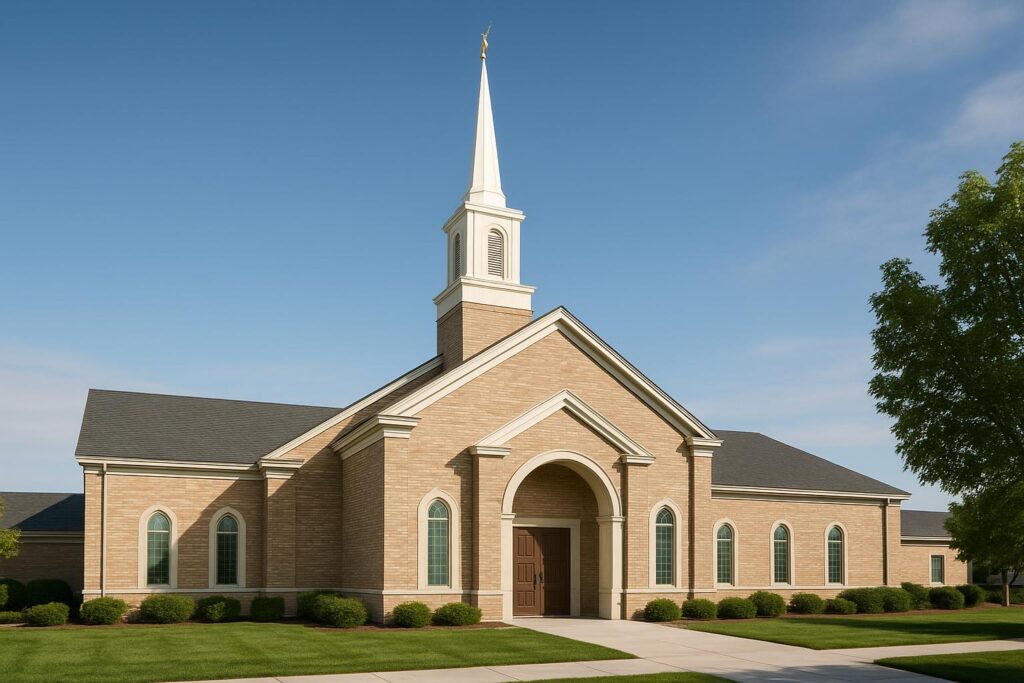
The LDS church abuse lawsuit has drawn national attention as survivors come forward to seek justice and compensation for decades of alleged sexual misconduct and institutional cover-ups. Many victims are now exploring their legal rights to file claims against the Church of Jesus Christ of Latter-day Saints for abuse that caused lasting emotional and psychological harm. Understanding eligibility, symptoms of trauma, and the claims process is crucial for anyone considering legal action.
If you or someone you love suffered abuse within the LDS church, you may be entitled to pursue compensation. See if you qualify for the LDS church abuse lawsuit before it’s too late.
Understanding the LDS Church Abuse Lawsuit
The LDS church abuse lawsuit involves allegations that church leaders failed to protect members, particularly children, from sexual abuse by clergy or volunteers. Survivors claim that reports of misconduct were ignored or mishandled, allowing abuse to continue unchecked. These lawsuits seek accountability and financial compensation for victims who endured physical, emotional, and spiritual trauma.
Many cases allege that church officials prioritized reputation over safety, discouraging victims from reporting abuse to law enforcement. As more survivors come forward, courts are examining whether the LDS church can be held liable for negligence and institutional misconduct.
Common Symptoms and Long-Term Effects of LDS Church Abuse
Survivors of clergy abuse often experience severe psychological and emotional symptoms that can persist for years. Recognizing these symptoms can help victims understand the impact of their trauma and strengthen their legal claims.
- Post-Traumatic Stress Disorder (PTSD)
- Depression and anxiety
- Nightmares or flashbacks
- Difficulty trusting authority figures
- Substance abuse or self-harm
- Social withdrawal and isolation
According to the National Institute of Mental Health, PTSD can develop after exposure to traumatic events such as sexual assault or abuse. A formal PTSD diagnosis can play a key role in determining compensation for emotional trauma from LDS church abuse.
Eligibility for LDS Church Abuse Compensation
Eligibility for compensation depends on several factors, including the nature of the abuse, when it occurred, and whether the church had knowledge of the misconduct. Survivors may qualify to file a claim against the LDS church for abuse if they can demonstrate that clergy or church representatives engaged in or enabled sexual misconduct.
Key eligibility factors include:
- Proof of abuse by a church member, leader, or volunteer
- Evidence that the church failed to act on prior complaints
- Documentation of emotional or psychological harm
- Compliance with the statute of limitations for LDS church abuse claims
Each state has its own statute of limitations, which sets deadlines for filing claims. Some states have extended or temporarily lifted these deadlines for survivors of childhood sexual abuse, allowing older cases to move forward.
How to Sue the LDS Church for Clergy Abuse
Filing a lawsuit against a major religious institution requires careful preparation and legal guidance. Survivors should gather as much evidence as possible, including personal statements, medical records, and witness testimony. Legal teams often investigate church documents and internal communications to establish patterns of negligence.
The process to file a claim against the LDS church for abuse generally includes:
- Consulting with an attorney experienced in clergy abuse cases
- Submitting a confidential case review
- Collecting documentation and evidence
- Filing the lawsuit within the legal time frame
- Negotiating potential settlements or proceeding to trial
Many survivors choose to pursue settlements to avoid the emotional strain of a trial. However, each case is unique, and outcomes depend on the strength of the evidence and the jurisdiction’s laws.
LDS Church Sexual Abuse Settlement Amounts
Settlement amounts in the LDS church sexual abuse lawsuit vary widely based on the severity of the abuse, the duration of trauma, and the evidence presented. Some survivors have received substantial compensation for emotional distress, therapy costs, and long-term psychological care.
Factors that influence potential settlement amounts include:
- Severity and duration of the abuse
- Impact on mental health and daily life
- Medical and therapy expenses
- Loss of income or earning potential
- Evidence of institutional negligence
While no amount of money can erase the trauma, compensation can help survivors access professional care and rebuild their lives. According to Mayo Clinic research, long-term therapy and trauma-focused treatment are essential for recovery from abuse-related depression and PTSD.
Compensation for Emotional Trauma and PTSD Diagnosis
Many survivors experience lasting emotional trauma that requires ongoing treatment. Compensation may cover therapy, medication, and other mental health services. A documented PTSD diagnosis from LDS clergy abuse can strengthen a claim by providing medical evidence of the psychological harm suffered.
Courts often consider expert testimony from psychologists or psychiatrists to assess the extent of emotional damage. Survivors may also be compensated for pain and suffering, loss of enjoyment of life, and other non-economic damages.
Statute of Limitations for LDS Church Abuse Claims
The statute of limitations for LDS church abuse claims determines how long survivors have to take legal action. These deadlines vary by state and can depend on the victim’s age at the time of the abuse and when they discovered the harm. Some states have enacted “lookback windows” allowing survivors to file claims even if the original deadline passed.
Because these laws are complex and time-sensitive, survivors are encouraged to act quickly. Missing the filing deadline can permanently bar a claim, regardless of its merit.
Filing Process and Evidence Needed
To pursue compensation, survivors must provide credible evidence linking their abuse to the LDS church’s negligence. This may include:
- Personal testimony and written statements
- Medical or psychological evaluations
- Church records or internal communications
- Witness statements or corroborating evidence
- Police or child protective services reports
Attorneys often work with investigators and mental health professionals to build a strong case. The process can take months or years, depending on the complexity of the evidence and the church’s response.
Why Survivors Are Coming Forward Now
Recent legislative changes and public awareness campaigns have empowered survivors to speak out. Many states have extended filing deadlines, and national media coverage has exposed patterns of abuse and concealment within religious institutions. These developments have encouraged victims to seek justice through the LDS church child sexual abuse lawsuit claim.
Survivors are not alone. Legal teams and advocacy organizations are helping victims navigate the process confidentially and compassionately.
Frequently Asked Questions About the LDS Church Abuse Lawsuit
Who can file an LDS church abuse lawsuit?
Anyone who experienced sexual abuse by a member, leader, or volunteer of the LDS church may be eligible to file a claim. Survivors must show that the church failed to prevent or properly address the misconduct.
What is the average LDS church sexual abuse settlement amount?
Settlement amounts vary depending on the severity of the abuse, emotional trauma, and available evidence. Some survivors have received significant compensation for therapy and long-term care, but each case is unique.
How long do I have to file a claim?
The statute of limitations for LDS church abuse claims differs by state. Some states have reopened filing windows for survivors of childhood sexual abuse, but deadlines are strict, so acting quickly is essential.
Can I file a claim anonymously?
In many cases, survivors can file claims confidentially or under a pseudonym to protect their privacy. Attorneys can explain the options available in your jurisdiction.
What evidence is needed to support my claim?
Evidence may include personal testimony, medical records, therapy notes, or witness statements. Documentation showing the church’s knowledge or mishandling of abuse reports can strengthen your case.
Will filing a lawsuit affect my faith or membership?
Filing a lawsuit is a personal decision and does not require leaving the church. Many survivors pursue justice while maintaining their faith, seeking accountability rather than retribution.
How can I start the process?
You can begin by requesting a confidential case review. Time is limited see if you qualify for the LDS church abuse lawsuit today.