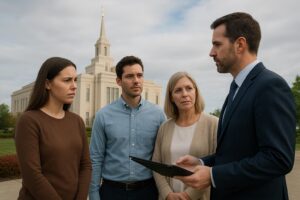
The LDS church abuse lawsuit has drawn national attention as survivors come forward seeking justice and compensation for sexual abuse allegedly committed by clergy and church members. Many victims are now exploring their legal rights to file claims, pursue settlements, and hold the institution accountable. Understanding the process, eligibility, and potential compensation is critical for anyone affected.
If you or someone you love experienced abuse connected to the Church of Jesus Christ of Latter-day Saints, you may be eligible to take legal action. Find out if you qualify for the LDS church abuse lawsuit before time runs out.
Understanding the LDS Church Abuse Lawsuit
The LDS church abuse lawsuit involves allegations that church leaders failed to protect members from sexual abuse or mishandled reports of misconduct. These cases often focus on institutional negligence, cover-ups, or inadequate reporting systems that allowed abuse to continue unchecked.
Victims have filed both individual and class action claims, seeking compensation for emotional trauma, medical expenses, and other damages. The lawsuits also aim to expose systemic failures and encourage reform within the church.
Common Symptoms of Trauma from Church Sexual Abuse
Survivors of religious or clergy abuse often experience long-term psychological and physical effects. Recognizing these symptoms can help victims understand the impact of their trauma and strengthen their legal claims.
- Chronic anxiety, depression, or panic attacks
- Nightmares, flashbacks, or intrusive memories
- Difficulty trusting authority figures or religious institutions
- Substance abuse or self-harming behaviors
- Post-traumatic stress disorder (PTSD)
- Physical symptoms such as insomnia, fatigue, or chronic pain
According to the Mayo Clinic, PTSD can develop after exposure to traumatic events, including sexual abuse. These symptoms can persist for years and may require professional therapy or medication.
Eligibility for LDS Church Abuse Compensation
Eligibility for compensation depends on several factors, including the nature of the abuse, when it occurred, and whether the church or its representatives were involved. Victims may qualify if they experienced sexual abuse by clergy, volunteers, or church-affiliated individuals, and if the church failed to take appropriate action after learning of the misconduct.
To determine eligibility, attorneys typically review:
- Documentation or testimony confirming the abuse
- Evidence of church involvement or negligence
- Medical or psychological records showing trauma
- Compliance with the statute of limitations
Each case is unique, and eligibility can vary by state law. Consulting with a legal intake specialist can help clarify whether your claim meets the necessary criteria.
Statute of Limitations for LDS Church Abuse Claims
The statute of limitations for LDS church abuse claims varies by state. Some states have extended or temporarily suspended deadlines for survivors of childhood sexual abuse, allowing older cases to proceed. Others maintain strict filing deadlines that can bar claims if not filed in time.
Because these laws change frequently, victims should act quickly to preserve their rights. Missing the statute of limitations could prevent recovery, even in strong cases. See if you can file an LDS church abuse claim before the deadline passes.
LDS Clergy Abuse Lawsuit Process
The LDS clergy abuse lawsuit process generally follows several key steps:
- Initial Consultation: Victims speak with intake specialists or attorneys to review their experiences and determine potential eligibility.
- Evidence Collection: Documentation such as medical records, witness statements, and church correspondence is gathered to support the claim.
- Filing the Claim: A formal complaint is filed in civil court against the LDS church or related entities.
- Discovery Phase: Both sides exchange evidence and conduct depositions to build their cases.
- Negotiation or Trial: Many cases settle before trial, but some proceed to court for a verdict.
Throughout this process, survivors may work with trauma-informed legal teams who understand the sensitivity of these cases and the need for confidentiality.
Potential Compensation for Injuries from LDS Church Abuse
Compensation in these lawsuits can vary widely based on the severity of the abuse, the evidence presented, and the jurisdiction. While no amount of money can undo the harm, financial recovery can help cover medical bills, therapy, lost wages, and other damages.
Common categories of compensation include:

- Medical and psychological treatment costs
- Lost income or diminished earning capacity
- Pain and suffering
- Emotional distress
- Loss of enjoyment of life
Some settlements have reached significant amounts, though each case is evaluated individually. Reports of LDS church sexual abuse settlement amounts vary, depending on the number of victims and the evidence of institutional negligence.
According to Reuters, several religious institutions have faced multimillion-dollar settlements in similar abuse cases, reflecting the seriousness of these claims.
How to File a Claim Against the LDS Church for Abuse
Filing a claim involves careful preparation and documentation. Survivors should gather any available evidence, including personal journals, therapy notes, or correspondence with church officials. Legal professionals can assist in drafting the complaint and ensuring it meets procedural requirements.
Steps to file include:
- Contacting a legal intake center or attorney experienced in clergy abuse cases
- Providing a detailed account of the abuse and its impact
- Submitting supporting documentation
- Filing the claim within the applicable statute of limitations
Many survivors choose to file anonymously to protect their privacy. Legal teams can guide victims through confidentiality options and court procedures.
Class Action Claim Against the LDS Church
In some cases, survivors may join a class action claim against the LDS church. This type of lawsuit allows multiple victims with similar experiences to combine their claims, increasing efficiency and collective bargaining power. Class actions can also highlight systemic issues within the institution.
However, not all cases qualify for class action status. Individual lawsuits may be more appropriate when the facts or damages differ significantly among victims.
Evidence That Strengthens an LDS Church Abuse Case
Strong evidence can significantly influence the outcome of a claim. Useful documentation includes:
- Official church records or communications acknowledging the abuse
- Witness statements from other victims or church members
- Therapy or counseling notes confirming trauma
- Police reports or prior complaints
Medical and psychological evaluations can also support claims by linking symptoms directly to the abuse. According to PubMed, survivors of sexual trauma often exhibit measurable physiological and emotional effects that can be documented by professionals.
Factors That Affect Case Value
Several factors influence the potential value of an LDS church abuse lawsuit:
- Severity and duration of the abuse
- Age of the victim at the time
- Evidence of church negligence or concealment
- Long-term psychological or physical harm
- Jurisdiction and applicable laws
While some settlements may reach substantial figures, others may result in modest compensation depending on the available evidence and legal strategy.
Why Timely Action Matters
Delaying legal action can jeopardize your ability to recover compensation. Statutes of limitation and evidence degradation make early filing essential. Acting quickly also helps preserve witness testimony and documentation that may be critical to your case.
Start your LDS church abuse lawsuit claim now and protect your legal rights.
CTA: Take the Next Step Toward Justice
If you believe you were a victim of clergy or institutional abuse within the LDS church, you may have legal options. Speaking with a qualified intake specialist can help you understand your rights and potential eligibility for compensation. Act now to discover your eligibility for compensation in the LDS church abuse lawsuit.
Frequently Asked Questions
What is the LDS church abuse lawsuit about?
It involves claims that church leaders failed to prevent or properly address sexual abuse within the organization, leading to harm for victims.
Who can file a claim against the LDS church for abuse?
Anyone who experienced sexual abuse by clergy, volunteers, or church-affiliated individuals and can show church negligence may be eligible.
What are typical LDS church sexual abuse settlement amounts?
Settlement amounts vary widely depending on the severity of the abuse, evidence, and jurisdiction. Some cases have reached multimillion-dollar resolutions.
How long do I have to file a claim?
The statute of limitations differs by state. Some states have extended deadlines for survivors of childhood sexual abuse, but time limits still apply.
Can I remain anonymous when filing?
Yes, many survivors file anonymously to protect their privacy. Attorneys can request confidentiality measures during the legal process.
What evidence helps support my claim?
Medical records, therapy notes, witness statements, and church documents acknowledging the abuse can all strengthen your case.
Is there a class action against the LDS church?
Some survivors have joined class actions, while others pursue individual claims depending on their circumstances and legal strategy.