Talc has been the subject of extensive debate regarding its potential link to ovarian cancer, raising concerns about health risks associated with its use in personal care products. You may be wondering whether this correlation is based on scientific evidence or simply folklore fueled by anecdotal accounts. Understanding the forensic research behind these claims can help you navigate the complexities of this issue and make informed decisions about the products you use.
Key Takeaways:
- Research investigates potential link between talc and ovarian cancer.
- Some studies suggest talc exposure may increase cancer risk, while others find no significant correlation.
- Legal cases have emerged, often resulting in large settlements for affected individuals.
- Regulatory bodies, including the FDA, have varied in their stance on talc safety.
- Public health recommendations urge caution with talc use, especially in feminine hygiene products.
- Scientific consensus remains divided, necessitating further research to clarify the relationship.
- Public awareness and media coverage influence perceptions of talc-related risks.
The Historical Context of Talc Use
Origins and Commercialization of Talc
Talc, a naturally occurring mineral, has been used for thousands of years, with its history tracing back to ancient civilizations who valued it for its softness and versatility. In the 19th century, talc became widely commercialized, finding its place in various industries, including cosmetics and personal care products. By the mid-20th century, its usage, especially in baby powders and feminine hygiene products, surged due to its absorbent properties and smooth texture, making it a staple in many households.
Health Concerns Surrounding Talc
As talc’s popularity grew, so did concerns regarding its safety, primarily linked to its potential contamination with asbestos, a known carcinogen. Your awareness of studies suggesting that long-term talc use may be associated with an increased risk of ovarian cancer is imperative. In recent decades, numerous legal cases have emerged, highlighting the contentious relationship between talc products and serious health risks.
In 2016, a significant study conducted by the American Cancer Society indicated a potential link between talc use and ovarian cancer, raising alarms among consumers. You might find it alarming that over 20,000 women are diagnosed with ovarian cancer annually in the United States alone. Furthermore, some research suggests that talc particles can migrate to the ovaries, leading to inflammation and tumors. As these concerns gained traction, regulatory bodies and public health officials began scrutinizing talc products more closely.
Evolution of Public Perception
Over the years, public perception of talc has transformed dramatically, shifting from a trusted household staple to a product fraught with skepticism. The rise of social media and platforms for sharing personal stories has empowered many to voice their experiences, significantly shaping your views on talc use and safety.
This evolution can be traced through various high-profile legal battles and media coverage that brought the potential dangers of talc to the forefront. For instance, high-profile lawsuits against companies like Johnson & Johnson in the late 2010s spotlighted the serious health risks associated with talc, leading to heightened awareness and demand for transparency in product labeling. Your perspective on talc is now likely influenced by the awareness of these health risks, creating a divide between those who trust the safety of talc and those who advocate for alternative products.
Understanding Ovarian Cancer
Definition and Types of Ovarian Cancer
Ovarian cancer occurs when abnormal cells in the ovaries grow uncontrollably. The main types include epithelial ovarian cancer, germ cell tumors, and stromal tumors. Each type varies in its origin, prognosis, and treatment approach. Understanding these distinctions can aid in diagnosis and management. Any further information can be broken down as follows:
| Type | Description |
| Epithelial | Most common, arising from ovary surface cells. |
| Germ Cell | Forms from egg-producing cells; generally affects younger women. |
| Stromal | Develops from connective tissue cells, tends to be less common. |
| Borderline | Low malignant potential, often diagnosed early with better outcomes. |
Risk Factors and Symptoms
Recognizing the risk factors and symptoms of ovarian cancer is vital for timely diagnosis. The major risk factors include a family history of ovarian cancer, genetic mutations like BRCA1/BRCA2, and age over 50. Symptoms often include abdominal bloating, difficulty eating, and pelvic pain. Thou must be vigilant about these signs.
Additional risk factors may encompass prolonged use of hormone replacement therapy, infertility, and a history of endometriosis. Pay attention to your body and consult healthcare providers if you experience persistent symptoms. Thou should stay informed about these aspects.
Importance of Early Detection
Early detection of ovarian cancer significantly improves treatment outcomes and survival rates. Regular screenings and awareness of your body’s changes can lead to earlier interventions. Early-stage diagnoses have a better prognosis, making your awareness vital for effective management.
Ovarian cancer stages determine treatment options; hence, understanding your body is paramount. Tools such as pelvic exams, ultrasounds, and blood tests can assist in identifying the disease at an earlier stage. Prioritize communication with your healthcare provider regarding your health.
Talc Composition and Its Properties
Chemical Structure of Talc
The chemical structure of talc consists of magnesium silicate, represented as Mg3Si4O10(OH)2. This unique arrangement forms layer-like sheets that give talc its characteristic softness and hydrophobic properties. Each layer can slide over one another, contributing to its smooth texture and lubricating qualities. These structural properties are what make talc an important ingredient in various consumer products.
Natural vs. Synthetic Talc
Natural talc is mined from deposits, while synthetic talc is produced through chemical processes. Natural talc can contain impurities, including asbestos, a known carcinogen, which raises safety concerns. In contrast, synthetic talc is manufactured to be free of contaminants, providing a controlled alternative for use in various applications.
Natural talc is harvested from the Earth’s crust, and the process can yield a product with varying degrees of purity. This variability can lead to significant concerns regarding toxic contaminants, such as asbestos fibers, which may be present in deposits. On the other hand, synthetic talc is engineered in laboratories to ensure a consistent purity level, making it a safer choice for manufacturers aiming to mitigate health risks associated with talc use.
Uses of Talc in Consumer Products
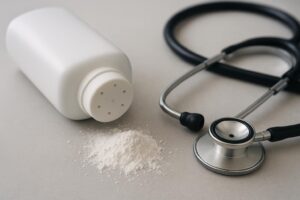
Talc is widely utilized in consumer products, including cosmetics, baby powder, and pharmaceuticals, due to its absorbent and lubricating properties. In cosmetics, talc serves to reduce shine and improve texture, while in pharmaceuticals, it acts as an anti-caking agent or filler. These versatile applications have established talc as a popular ingredient across various industries.

The extensive usage of talc in consumer products highlights its multifaceted benefits. For instance, in cosmetic formulations, it can impart a smooth feel and enhance application. Moreover, as a staple in baby powders, its moisture-absorbing capabilities help keep skin dry. However, given the ongoing discussions regarding potential health implications, users should remain informed about the sources and purity of talc in their products, ensuring that their choices align with safety considerations.
Epidemiological Studies Linking Talc and Ovarian Cancer
Key Studies and Findings
Your understanding of the talc-ovarian cancer link becomes clearer with notable studies such as the 2006 *American Journal of Epidemiology* publication, which found women who used talc powder for feminine hygiene had a 30-50% increased risk of developing ovarian cancer. Additional research from the *Research Institute of Cancer* further solidified these findings, emphasizing the dangers of long-term talc exposure.
Methodologies in Research
Research methodologies vary significantly among studies, with many relying on case-control designs. These studies compare women with ovarian cancer against those without, analyzing their histories of talc usage. Others utilize cohort studies, observing groups over time to assess the onset of cancer in relation to talc exposure levels.
These methodologies can include thorough interviews to gather personal health histories, which may then be analyzed using statistical methods to determine potential associations. Despite their differences, these approaches strive to establish a clearer picture of whether talc exposure is a contributing factor to ovarian cancer development.
Controversies in Data Interpretation
Data interpretation surrounding the talc and ovarian cancer connection remains contentious. Some researchers argue that the observed associations may be influenced by confounding factors, such as genetic predispositions or other environmental exposures. This debate complicates the conversation, leading to ongoing discussions about talc’s safety.
Critics point to variability in study results; some indicate no significant risk while others reveal concerning associations. Moreover, the reliance on self-reported data may introduce bias, making it important to approach findings with a critical eye, balancing both sides of the argument to reach informed conclusions about the risks associated with talc.
Mechanisms of Action: How Talc May Contribute to Cancer
Inflammation and Irritation
Prolonged exposure to talc may lead to chronic inflammation and irritation in the ovarian tissue. This irritation can create an environment that promotes cellular changes, ultimately increasing the risk of cancer. Specifically, talc particles can provoke an immune response, leading to the release of cytokines and other inflammatory mediators, which may contribute to tumorigenesis over time.
Asbestos Contamination in Talc
One of the most alarming aspects of talc is the potential for asbestos contamination. Asbestos and talc are often found in proximity within the earth, raising concerns about the possibility of talc products containing harmful asbestos fibers. The inhalation or introduction of these fibers into the body may significantly elevate the risk of cancer.
Asbestos is a known carcinogen. Inhaling or absorbing asbestos fibers can lead to various diseases, including mesothelioma and lung cancer. Studies show that some talc products have tested positive for asbestos contamination, which means that using talc-based products might expose you to these dangerous fibers, thereby heightening your cancer risk. Regulatory agencies have struggled to ensure that talc products are free from asbestos, leaving consumers in a precarious position.
Genetic Predispositions
Your individual genetic predispositions can also play a significant role in how talc exposure affects your cancer risk. Certain gene mutations may make you more susceptible to ovarian cancer when combined with environmental factors like talc use.
Research indicates that women with inherited mutations in genes such as BRCA1 or BRCA2 are at a much higher risk of developing ovarian cancer. If you have these genetic markers, your likelihood of developing cancer could increase when exposed to talc, particularly if coupled with other risk factors. This interaction highlights the importance of considering both genetic and environmental influences when evaluating the safety of talc products.

Legal Battles Over Talc and Ovarian Cancer Claims
Notable Lawsuits and Verdicts
Several high-profile lawsuits have emerged, with plaintiffs like Dewey Smith and Judith E. B. McGowan achieving significant victories against companies such as Johnson & Johnson. In 2018, a jury awarded $4.69 billion to 22 women, linking their ovarian cancer diagnoses to talc products. These landmark cases reflect growing concerns over talc’s safety and have inspired subsequent claims across the country, revealing a pattern of serious allegations against manufacturers.
Role of Expert Testimonies
Expert testimonies have significantly influenced outcomes in talc-related lawsuits, providing vital scientific insights into the alleged health risks. You’ll find that experts often cite studies linking talc use to ovarian cancer, enhancing the credibility of plaintiffs’ claims and swaying jury decisions.
For instance, well-respected oncologists and epidemiologists have presented findings from large-scale studies, drawing connections between talc exposure and cancer risk. Their expertise has proven pivotal in establishing causation, helping juries understand complex medical data and influence verdicts. Moreover, such testimonies can debunk conflicting claims, strengthening the case for those suffering from ovarian cancer.
Impact on Talc Product Manufacturers
The ongoing litigation has severely impacted talc product manufacturers, with companies facing escalating legal fees and reputational damage. You should note that these challenges have prompted some manufacturers to reconsider their talc sourcing and overall product formulation.
As a direct result of lawsuits and the public’s growing concern over talc safety, manufacturers have experienced significant drops in sales, particularly in consumer markets. Many have opted to reformulate their products or even discontinue talc-based items altogether in an effort to mitigate risks, protect their brand image, and regain consumer trust in an increasingly health-conscious market.
Talc-Free Alternatives: Emerging Trends
Overview of Talc-Free Products
Talc-free alternatives have gained traction as consumers become increasingly cautious about the potential health risks associated with talc. These products often use natural ingredients such as cornstarch, arrowroot powder, and various botanical extracts, which provide similar absorbent and soothing properties without the associated dangers of talc. Companies are now prioritizing transparency by prominently labeling these alternatives as talc-free, appealing to health-conscious consumers.
Consumer Awareness and Demand
As knowledge about the talc-ovarian cancer correlation spreads, consumer awareness has risen significantly, boosting demand for safer alternatives. You may find that many shoppers actively seek out products labeled as talc-free, prompting brands to reformulate their lines to meet evolving consumer preferences.
This shift has led to an increase in consumer education initiatives, with many organizations providing information on safer personal care options. Research indicates that over 50% of consumers now prefer talc-free products, especially among younger demographics. Any hesitation around talc has transformed into a strong preference for alternatives, driving sales in this growing market segment.
Market Response from Manufacturers
This proactive response from manufacturers has resulted in an impressive market surge; reports indicate that the global talc-free powder market is projected to exceed $4 billion by 2027. Brands are leveraging this trend not just to market their products, but to foster a sense of community around health safety. This move signifies a broader shift within the industry, showcasing how consumer preferences can directly influence product offerings and corporate strategy.
Regulatory Oversight of Talc Products
Governmental Agencies Involved
Several key governmental agencies oversee talc products, primarily the Food and Drug Administration (FDA) and the Consumer Product Safety Commission (CPSC). The FDA monitors talc as an ingredient in cosmetics, while the CPSC regulates its safety in consumer products. Both organizations aim to ensure that talc usage aligns with public health standards, responding to emerging research and safety concerns.
Regulations on Talc Use
Regulations governing talc usage have evolved, particularly in response to health concerns linking talc to ovarian cancer. Currently, cosmetic talc doesn’t require stringent pre-market approval, but manufacturers must ensure the absence of asbestos and must adhere to safety guidelines set forth by the FDA and CPSC.
In practical terms, these regulations mean that while you can purchase talc-containing products without FDA pre-approval, companies are still responsible for substantiating the safety of their talc sources. Many professional societies recommend testing for asbestos, with companies encouraged to minimize the risks associated with talcum powder use, especially in products intended for female hygiene.
Recent Changes in Policy
Recent policy changes reflect a growing awareness and concern regarding the potential dangers of talc. The FDA has intensified its scrutiny, requiring additional testing measures for talc products and encouraging transparency in labeling as consumer awareness of potential risks surrounding ovarian cancer increases.
In light of this heightened vigilance, some companies have voluntarily moved to phase out talc from their formulations, opting for safer alternatives like cornstarch. For instance, in 2020, major brands announced the discontinuation of talc-based products, influenced by both regulatory pressures and legal challenges. This shift indicates a significant moment in consumer safety and regulatory policy regarding talc, potentially leading to stricter controls and a reevaluation of safety standards in the near future.
Public Health Campaigns and Their Efficacy
Educational Initiatives on Talc Risks
Educational initiatives aim to inform you about the potential risks associated with talc use. These campaigns often focus on the link between talc and ovarian cancer, utilizing various formats, such as brochures, webinars, and public service announcements, to reach a broader audience. By sharing scientific findings and personal stories, these initiatives promote awareness of safer alternatives.
Outreach and Community Engagement
Outreach programs work to engage your community in discussions about talc safety. This includes partnerships with local health organizations, hosting community meetings, and providing resources at health fairs to disseminate vital information. These efforts foster a supportive environment for you to explore safe product options and make informed choices.
Community engagement goes beyond just awareness; it builds trust and fosters dialogue. By creating safe spaces for conversations, health organizations can address concerns, dispel myths, and empower you with knowledge to avoid products containing talc. Workshops and forums can showcase firsthand experiences, making the information more relatable and actionable for you.
Measuring Public Response
Measuring public response is crucial in assessing the effectiveness of campaigns focused on talc risks. Surveys and feedback forms often gauge your awareness and understanding of the issues presented, helping organizations refine their messaging and outreach strategies. Analyzing changes in consumer behavior or product preferences further informs the impact of these initiatives.
By tracking metrics like social media engagement, website traffic, and attendance at community events, organizations can pinpoint which strategies resonate most with you. Public health experts assess shifts in talc product sales, using this data to evaluate the overall success of campaigns. Understanding your response enables continuous improvements in messaging to maximize impact in future efforts.
Psychological Impact of the Talc-Ovarian Cancer Debate
Fear and Misinformation
The ongoing debate around talc and ovarian cancer has engendered significant fear and misinformation among consumers. Conflicting studies and sensational headlines can leave you uncertain about the safety of everyday products. With alarming claims circulating on social media, some individuals may avoid using talcum powder altogether, causing unnecessary anxiety over potential health risks that have not been universally established.
Support Groups and Resources
Finding support groups and resources can be a lifeline for those affected by the talc-ovarian cancer controversy. Organizations such as the Ovarian Cancer Research Alliance (OCRA) offer avenues for emotional support and access to information about the latest research and legal developments. These groups often provide community connections that can help alleviate feelings of isolation.
Many support groups also organize workshops and informational sessions, addressing not just talc concerns but broader ovarian cancer discussions. Engaging with communities can empower you to understand your risks and options better. Resources might include informational pamphlets, access to legal advice, or specialists in psychological counseling to help navigate the emotional aspects of dealing with the fear of cancer.
Coping Mechanisms for Patients
Effective coping mechanisms for patients facing the fear of ovarian cancer linked to talc use are necessary for maintaining mental well-being. These strategies can range from mindfulness practices to open discussions with healthcare providers about potential risks. Engaging in physical activity and finding hobbies can also divert attention from anxieties while fostering a healthier mindset.
Implementing coping mechanisms like journaling can create an outlet for your feelings and fears about cancer risks. Mindfulness and meditation have been shown to lower stress levels and enhance emotional resilience. Seeking professional help when feeling overwhelmed is equally important; therapists can offer valuable strategies tailored to your needs, helping you manage the psychological impact of the ongoing talc debate effectively.
Global Perspectives on Talc and Cancer
Variations in Regulatory Standards
Your understanding of the talc-cancer relationship is influenced by varying regulatory standards across countries. In the United States, the FDA has not banned talc-containing products, while the EU mandates stringent testing for asbestos content. Some countries implement strict labeling requirements, while others lack comprehensive guidelines. This inconsistency can lead to confusion and differing public perceptions of risk.
Cross-Cultural Health Beliefs
Your cultural background significantly shapes your health beliefs about talc. In some cultures, natural remedies are preferred, often valuing traditional practices over scientific evidence. This can lead to varying levels of acceptance of talc products, with some seeing them as safe and others regarding them as potentially harmful, influenced by local narratives and historical context.
Cultural perceptions can create a divide in the understanding of health risks associated with talc. For example, in certain regions, women may prioritize natural ingredients and believe that talc serves a dual purpose as a cosmetic and a medicinal powder. Such beliefs may persist despite scientific findings, perpetuating the use of talc products. Conversely, in societies with a stronger emphasis on evidence-based medicine, concerns about talc have fostered a shift toward alternative products deemed safer.
International Research Collaboration
As global health networks evolve, international research collaboration plays a vital role in refining your understanding of the talc and cancer debate. Researchers from various countries are increasingly sharing data and methodologies, shedding light on diverse population studies that examine possible links between talc use and ovarian cancer. This collaboration fosters a more comprehensive approach to the data, enabling you to assess risks more effectively.
Collaborative studies often combine resources and expertise from multiple countries, which enhances the robustness of research findings. For instance, data from diverse demographics can highlight variances in cancer incidence, helping to identify population-specific risks related to talc. Recent studies have included cohorts from different continents, reinforcing or challenging previous conclusions drawn from localized research, which ultimately aids in public health decision-making on a global scale.
Future Directions in Research
Gaps in Current Knowledge
You may find that there are significant gaps in current knowledge regarding the specific mechanisms by which talc exposure might influence ovarian cancer risk. While some studies indicate a potential link, the biological pathways remain largely unexplored, complicating conclusive findings and practical recommendations for women regarding talc use.
Proposed Studies and Investigations
To address these gaps, research must focus on longitudinal studies that track talc usage in diverse populations and examine the long-term effects on ovarian health. Additionally, biomarker identification could help clarify the relationship between talc exposure and cancer development, providing a more definitive understanding.
Investigating the potential pathways through which talc may promote carcinogenic processes is important. Consideration of genetic predispositions, environmental interactions, and dosage levels could lead to a deeper understanding. Laboratory studies utilizing cellular models may illuminate how talc particles interact with ovarian cells and trigger inflammatory responses, thereby aiding in the identification of vulnerable populations and informing risk-reduction strategies.
Potential for New Discoveries
Research into the talc-ovarian cancer connection holds the potential for new discoveries that could reshape our understanding of cancer risks associated with everyday products. Identifying specific genetic markers or environmental co-factors could pave the way for more targeted interventions and public health recommendations.
Moreover, as research methodologies evolve, innovative techniques such as genomic analysis or nanotechnology could reveal uncharted interactions between talc and human biology. Findings from these studies could alter the current narrative surrounding talc safety, leading to improved regulatory standards and consumer education that prioritizes women’s health and safety.
The Role of Advocacy Groups
Profiles of Key Organizations
Several advocacy groups are at the forefront of the battle against ovarian cancer and the talc connection. Organizations such as the Ovarian Cancer Research Alliance (OCRA) and Debbie’s Dream Foundation focus on raising awareness, funding research, and supporting patients. Each group plays a pivotal role in disseminating critical information and empowering individuals through education and resources tailored to your needs.
Their Influence on Policy and Public Opinion
These organizations significantly shape public perception and legislative agendas related to talc and cancer. They mobilize grassroots movements, engage with policymakers, and sponsor research to highlight the potential dangers of talc. Their efforts not only raise awareness but also create a groundswell of public demand for regulations that prioritize consumer health.
For instance, organizations like OCRA have actively lobbied for increased funding for ovarian cancer research, influencing state and national health policy discussions. Campaigns spotlighting individual stories of those affected by ovarian cancer have touched millions, fostering empathy and urgency around the need for stricter regulations regarding talc products. This combined advocacy helps push both psychological and legal narratives that ensure the public remains vigilant about the implications of talc on women’s health.
Initiatives to Support Affected Individuals
Advocacy groups also spearhead initiatives designed to support those impacted by ovarian cancer. Through educational programs and financial assistance, they provide imperative resources, easing the burdens faced by affected families. These initiatives often include survivor networks, counseling services, and financial grants for treatment and caregiving.
Moreover, organizations often organize annual events and awareness campaigns that bring the community together, offering opportunities for survivors to connect and share their journeys. Fundraising activities, such as walks and runs, are not just for awareness but directly contribute to funding research and support services, ensuring that those battling ovarian cancer have access to the help they need. By rallying around personal stories and creating a sense of community, these initiatives empower you and others affected, fostering hope and resilience in the face of this challenging disease.
Final Words
Hence, understanding the correlation between ovarian cancer and talc is vital for informed health decisions. You should consider the existing research, which reveals a complex interplay of factors influencing this potential relationship. The evidence presents a layered narrative that blends scientific inquiry with public concern, urging you to assess the risks associated with talcum powder use. As developments continue, staying informed allows you to navigate these claims responsibly, ensuring your health and well-being remain a priority.
FAQ
Q: What is the correlation between talc and ovarian cancer?
A: Research has suggested that the use of talcum powder in the genital area may be linked to an increased risk of ovarian cancer due to the presence of asbestos in some talc products and the potential for talc particles to migrate to the ovaries.
Q: What evidence supports the claim of a talc-ovarian cancer link?
A: Several studies and meta-analyses have indicated a statistical association between talc use and ovarian cancer, highlighting increased risk among regular users, particularly with products containing talc.
Q: Are all types of talcum powder linked to ovarian cancer?
A: Not all talcum powders are considered harmful; however, those that contain talc with asbestos have been linked to increased cancer risks, while most studies focus on non-asbestos talc products.
Q: What do major health organizations say about talc and ovarian cancer?
A: The American Cancer Society and the World Health Organization acknowledge the link between talc use and ovarian cancer but emphasize that more definitive research is needed to draw conclusive outcomes.
Q: Have there been legal cases related to the talc-ovarian cancer issue?
A: Yes, numerous lawsuits have been filed against talc manufacturers, with some juries ruling in favor of plaintiffs citing a connection between talc use and ovarian cancer in their decisions.
Q: What steps can individuals take to minimize potential risks?
A: Individuals concerned about the possible risks should consider alternative personal hygiene products, avoid using talcum powder in the genital area, and consult healthcare providers regarding their choices.
Q: Is ongoing research investigating this correlation?
A: Yes, ongoing studies continue to evaluate the relationship between talc and ovarian cancer, aiming to provide clearer evidence regarding the safety of talc products and potential health risks.