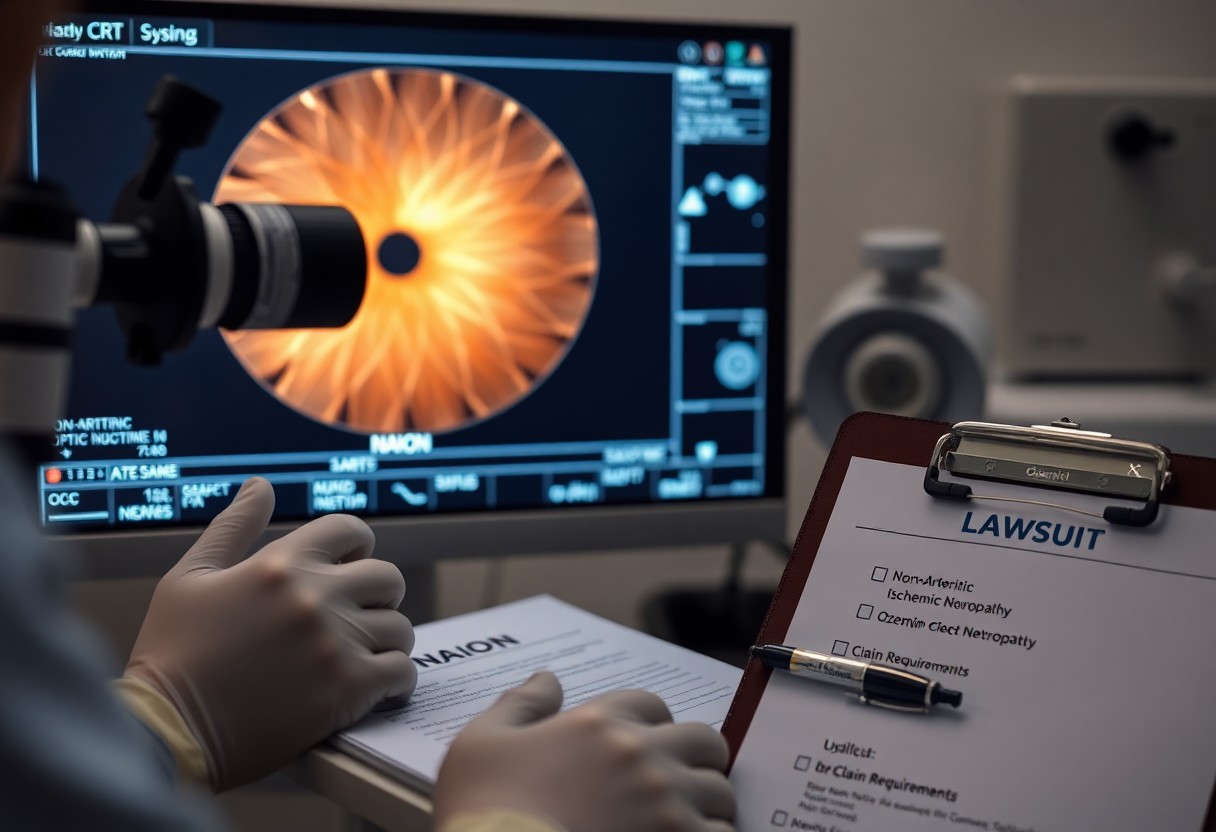
Just know you may have grounds for an NAION claim if you experienced sudden vision loss after Ozempic; gather medical records, ophthalmology notes, and proof of use to seek compensation for this vision‑threatening injury.
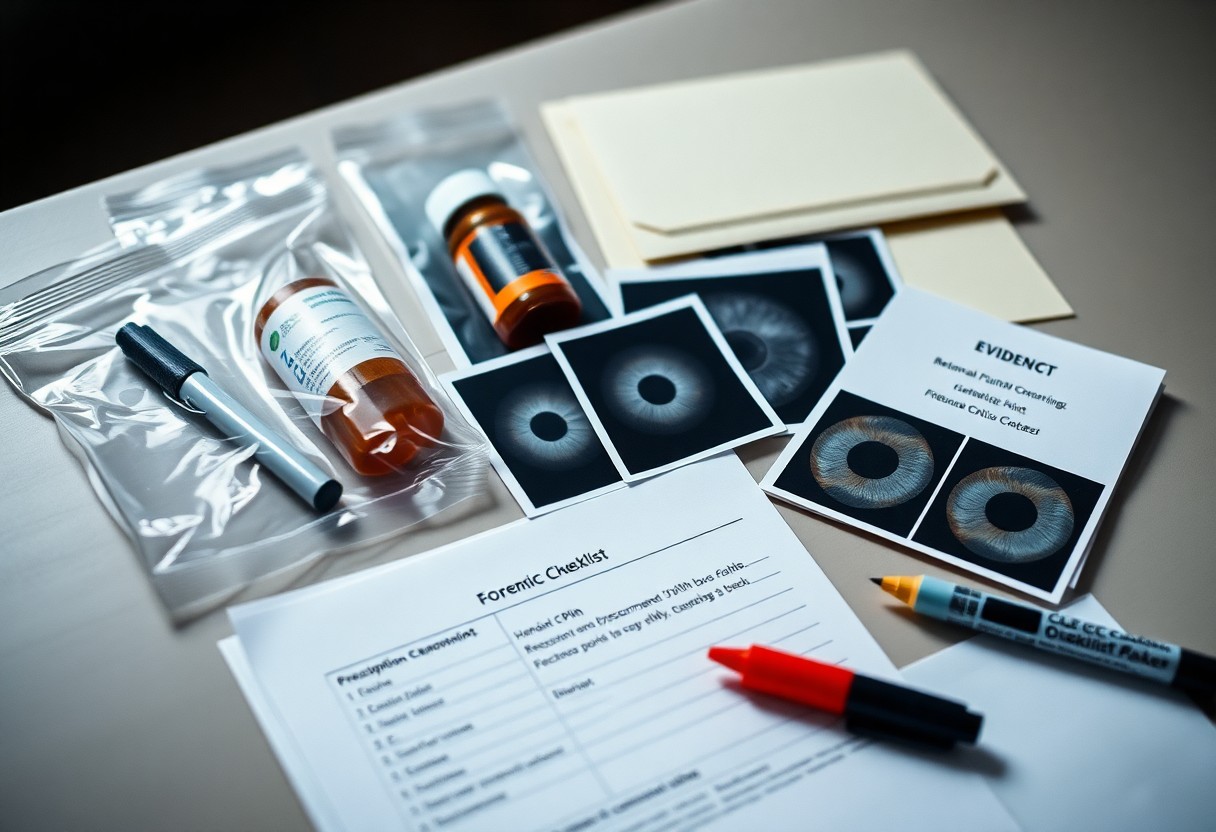
Key Takeaways:
- Plaintiff must show documented semaglutide (Ozempic) use before vision loss, including prescription records and dosing timeline.
- Medical records and ophthalmic testing must confirm a diagnosis of non-arteritic anterior ischemic optic neuropathy (NAION), such as visual field testing, OCT, and fundus imaging.
- Causation requires qualified medical expert testimony linking Ozempic to NAION and excluding alternative explanations like hypotension, sleep apnea, or vascular disease.
- Failure-to-warn or product-defect claims need evidence of inadequate labeling or company knowledge of the risk, supported by regulatory actions, adverse event reports, or internal documents.
- Damages must be documented (vision loss, medical costs, lost wages) and claims must comply with applicable filing rules and statutes of limitations.
The Medical Link Between Semaglutide and Ocular Complications
Mechanism of Action: How Ozempic Influences Ocular Blood Flow
Semaglutide modifies systemic hemodynamics and may reduce ocular perfusion pressure, which can lower optic nerve head blood flow; if you have a crowded optic disc, this raises the risk of NAION.
Review of Clinical Findings Linking Semaglutide to NAION
Reports include isolated case reports and pharmacovigilance signals; you should note several instances of NAION within weeks of initiation, though causality remains debated.
Several publications, including SUSTAIN-6 diabetic-retinopathy signals, case series, and FDA adverse-event reports, document temporal links between semaglutide and acute optic events; you must balance the signal of acute optic neuropathy and clustered post-initiation cases with benefits such as rapid glycemic control, small sample sizes, vascular comorbidities as confounders, and the absence of definitive causal trials.

Clinical Overview of Non-Arteritic Anterior Ischemic Optic Neuropathy
Clinical evaluation of NAION focuses on acute sudden, painless vision loss, typical altitudinal visual field defects, and optic disc swelling on fundoscopy; you should document onset, vascular risk factors, and recent medication exposure to support diagnostic and legal timelines.
Identifying Symptoms and the Onset of “Eye Stroke”
You may experience rapid vision loss, monocular blurring, or a crescent/patchy shadow in one eye; immediate recording of symptom onset and progression is necessary for timely ophthalmic assessment and potential claim evidence.
Diagnostic Standards for Confirming Optic Nerve Infarction
Diagnosis relies on your clinician’s exam: visual acuity, color testing, relative afferent pupillary defect, funduscopy showing optic disc edema, automated perimetry, and OCT to document nerve fiber layer changes.
OCT shows acute retinal nerve fiber layer thickening with later thinning, while perimetry commonly demonstrates an inferior altitudinal defect; fluorescein angiography can reveal delayed disc filling. You should expect ESR and CRP testing to exclude arteritic AION, and MRI to rule out compressive lesions, with precise timing and documentation strengthening a NAION claim.
Legal Theories in Ozempic Vision Loss Litigation
This section explains the legal theories plaintiffs use when you pursue an Ozempic-related vision loss claim, highlighting failure to warn, negligent misrepresentation, and strict product liability as common bases for recovery.
Failure to Warn: The Primary Allegation Against Manufacturers
Manufacturers often face claims that they failed to warn you about the risk of NAION and sudden vision loss, alleging inadequate labeling, omissions in prescribing information, and delayed safety communications.
Negligent Misrepresentation of Drug Safety Profiles
Marketing and promotional materials may have presented Ozempic’s safety in a way that misled you, creating a claim based on misrepresentation when manufacturers omitted or downplayed vision-related risks.
You must show that a manufacturer made a false or misleading safety statement you relied on, or that promotional omissions left you unaware of omitted risks like NAION; establishing reliance, foreseeability, and causation often requires medical expert testimony and documentation of how the misrepresentation affected your treatment choices.
Strict Product Liability and Consumer Protection Laws
Under strict liability theories you can hold a manufacturer accountable without proving negligence if a design or warning defect rendered Ozempic unreasonably dangerous and that defect caused your vision injury.

Evidence in strict liability cases focuses on whether a design defect, manufacturing defect, or warning defect made Ozempic unsafe for you; courts examine consumer expectations, risk-utility analyses, and regulatory records, while you may also pursue claims under consumer protection statutes for deceptive marketing and seek compensatory and punitive damages.
Core Eligibility Requirements for a Valid Legal Claim
Documented Prescription and Usage History of Ozempic or Wegovy
Provide copies of all Ozempic or Wegovy prescriptions, pharmacy refill records, dosing adjustments, and prescriber notes so you can prove continuous use and exact dosages before your NAION diagnosis.
Establishing a Temporal Relationship Between Drug Use and Diagnosis
Document the exact dates you began or changed GLP‑1 therapy and record when visual symptoms first appeared to support a clear temporal link to your NAION diagnosis.
Correlate ophthalmology reports, clinic notes, and imaging with medication records in a single timeline you or your attorney can present:
- medication start date
- dose changes
- symptom onset
- ophthalmology findings
The clearer the documented timeline, the stronger your claim.
Ruling Out Pre-existing Conditions and Alternative Risk Factors
Exclude other likely causes in your medical record-such as glaucoma, optic disc drusen, sleep apnea, or uncontrolled vascular disease-so you can demonstrate the drug is the probable trigger.
Review prior ophthalmic exams, systemic risk-factor records, and specialist opinions to eliminate alternative explanations:
- prior eye exams
- vascular risk profile
- sleep study results
- neurologic evaluations
The fuller your exclusion evidence, the more persuasive your claim becomes.
Ozempic Blindness Lawsuit – NAION Claim Requirements
Comprehensive Medical Records and Ophthalmological Imaging
Medical records and imaging should show baseline eye exams, OCT, visual fields, and any optic disc swelling; you must include pre- and post-Ozempic comparisons to support a claim of optic nerve ischemia (NAION) and visual field loss.
Strategic Use of Expert Witness Testimony for Causality
Expert testimony links timing of Ozempic use to onset, explains alternative causes, and supports causation for NAION through medical literature and clinical experience; you need specialists in ophthalmology and neuro-ophthalmology.
You should retain ophthalmology and neuro-ophthalmology experts to review records, interpret OCT and perimetry, and provide a signed causation opinion citing peer-reviewed studies on GLP-1 agonists; their reports and depositions can rebut defense theories and clarify the temporal relationship to optic nerve infarction.
Documentation of Long-term Visual Impairment and Disability
Functional assessments, vocational evaluations, and patient statements document daily limitations and quantify permanent visual impairment; you should collect ongoing ophthalmic follow-ups to show persistence beyond acute onset.
Gather serial visual acuity, visual field reports, low-vision therapy notes, ADL assessments, and employment records so you can demonstrate that visual deficits persisted long-term; you should also obtain expert disability opinions to prove loss of earning capacity and everyday function.
Potential Damages and Recoverable Compensation
Potential recovery in NAION cases includes economic losses, non-economic suffering, and sometimes punitive awards; you may pursue compensation for medical expenses, lost income, and permanent vision loss that impairs daily life.
Economic Recovery: Medical Bills and Loss of Earning Capacity
Medical bills and future earning capacity form the core of economic recovery; you may claim past medical expenses, ongoing care costs, and lost wages if vision impairment limits work.
General Damages: Pain, Suffering, and Emotional Distress
Noneconomic awards compensate for pain, suffering, and emotional distress; you can seek damages for loss of enjoyment of life, anxiety, and the impact of permanent vision loss on daily living.
Evidence for general damages relies on medical records, mental health evaluations, witness testimony, and daily journals to show how pain and suffering and long-term emotional harm reduced your quality of life. You should document symptom severity, treatment history, and work or hobby limitations to strengthen your claim.
FAQ
Q: What is NAION and how has it been linked to Ozempic?
A: NAION stands for non-arteritic anterior ischemic optic neuropathy, an abrupt, usually painless loss of vision caused by reduced blood flow to the optic nerve head. Case reports, postmarketing adverse event reports, and some observational studies have identified instances of NAION occurring after initiation of semaglutide (Ozempic) and related GLP-1 receptor agonists. Proposed explanations include rapid changes in systemic perfusion, blood pressure fluctuations, or weight loss that could reduce optic nerve head perfusion, but definitive biological causation has not been universally established and requires expert medical analysis for each patient.
Q: What specific medical and documentary evidence is required to pursue an Ozempic-related NAION claim?
A: A strong claim typically requires: (1) a confirmed ophthalmologic diagnosis of NAION documented in medical records; (2) ophthalmic testing such as visual acuity, automated perimetry (visual field), fundus photography, optical coherence tomography (OCT), and any fluorescein angiography; (3) precise timing showing onset of visual symptoms after starting semaglutide or soon after dose changes; (4) prescription and pharmacy records proving use of Ozempic (dates, dosages); (5) medical history and records that rule out alternative causes (giant cell arteritis, ocular ischemic syndrome, severe nocturnal hypotension, other medications); (6) expert ophthalmologist or neuro-ophthalmologist opinion linking the drug exposure to NAION; and (7) documentation of damages such as medical bills, lost wages, and functional impairment.
Q: How do plaintiffs establish legal causation between Ozempic use and NAION?
A: Plaintiffs rely on a combination of temporal association, clinical findings, expert testimony, and epidemiological or postmarket evidence showing a signal above baseline incidence. Expert witnesses must explain why other common causes of NAION are unlikely in the claimant’s case and articulate a plausible mechanism connecting semaglutide to optic nerve ischemia. Aggregated adverse event data, peer-reviewed case series, and any clinical trial signals can supplement individual medical proof. Courts assess causation under the applicable standard of proof, usually a preponderance of the evidence in civil claims.
Q: What legal theories and elements apply to Ozempic NAION lawsuits?
A: Common claims include strict product liability (defect in design or failure to warn), negligence, breach of warranty, and state consumer-protection violations. For a failure-to-warn claim, elements generally require proof that the manufacturer knew or should have known of the risk, that the warning was inadequate or absent, and that an adequate warning would have altered prescribing or patient behavior, preventing the injury. For design-defect claims, plaintiffs must show a safer alternative design was feasible and that the design caused the injury. Damage causation and proof of loss are required across all theories.
Q: What practical steps should a patient who experienced vision loss while taking Ozempic take right away and what are common deadline issues?
A: Preserve all medical records, ophthalmology test results, and pharmacy/prescription records; obtain a current neuro-ophthalmology evaluation and copies of imaging and visual field tests; document symptom onset dates and communications with healthcare providers; avoid stopping or changing prescribed medication without clinician guidance; consult an experienced product liability attorney who handles pharmaceutical injury claims. Statutes of limitations vary by state, commonly ranging from 2 to 6 years from discovery of injury, so prompt legal contact is recommended to protect claim rights. Legal counsel can also advise about potential multidistrict litigation consolidation or individual case filing strategies.