


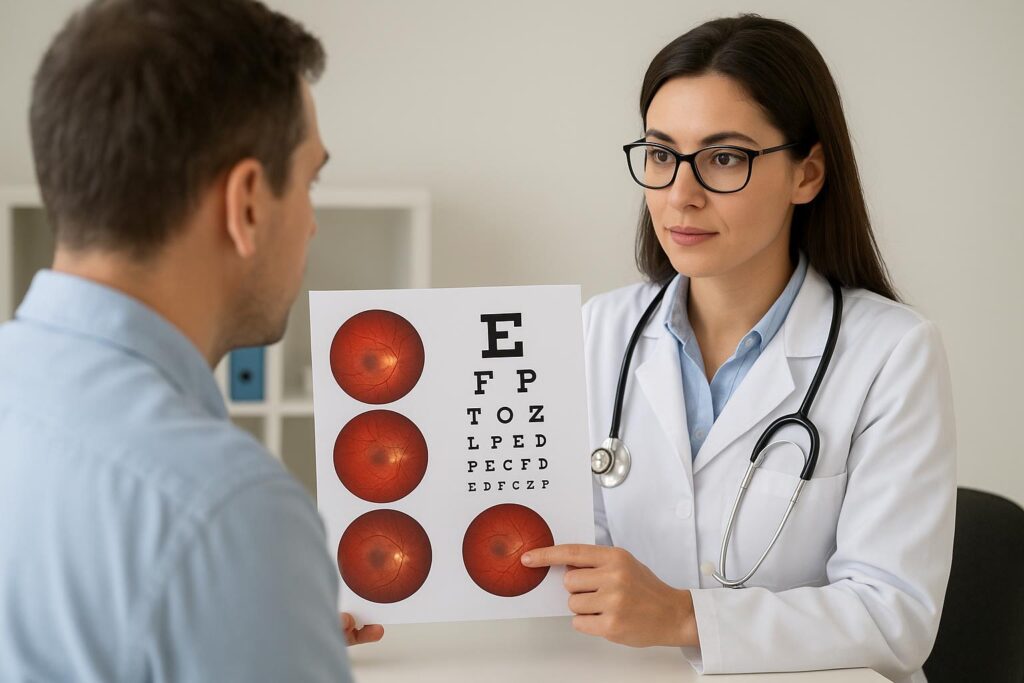
Thousands of patients prescribed Ozempic and other semaglutide-based drugs are now reporting serious eye complications, including blurred vision, retinal damage, and even permanent vision loss. If you or a loved one experienced these symptoms after taking Ozempic, you may be eligible to pursue compensation through the Ozempic vision loss lawsuit. Understanding the symptoms, diagnosis process, and legal options can help you take timely action before filing deadlines expire.
Understanding the Ozempic Vision Loss Lawsuit
The Ozempic vision loss lawsuit centers on claims that the manufacturer failed to adequately warn patients and healthcare providers about potential eye-related risks associated with semaglutide, the active ingredient in Ozempic. Plaintiffs allege that the drug may contribute to conditions such as diabetic retinopathy, retinal detachment, or other forms of eye damage that can lead to partial or total vision impairment.
According to the U.S. Food and Drug Administration (FDA), Ozempic is approved for managing type 2 diabetes and weight loss under certain brand names. However, emerging reports suggest that some users have developed severe eye complications shortly after starting treatment, prompting legal action across the country.
Common Symptoms Linked to Ozempic Vision Loss
Recognizing early signs of eye damage is critical for both medical and legal reasons. Individuals who experience the following symptoms after using Ozempic or other semaglutide medications should seek immediate medical evaluation:
- Sudden blurred or distorted vision
- Dark spots or floaters in the field of vision
- Flashes of light or partial loss of sight
- Eye pain or pressure behind the eyes
- Difficulty focusing or reading
- Symptoms consistent with semaglutide retinal detachment
- Signs of ozempic-related retinopathy such as swelling or bleeding in the retina
Medical research published in PubMed has indicated that rapid changes in blood sugar levels caused by GLP-1 receptor agonists like Ozempic may worsen pre-existing diabetic eye disease. These findings have raised concerns about the potential for irreversible damage in some patients.
How Semaglutide Eye Injuries Are Diagnosed
Proper diagnosis is essential for both treatment and legal documentation. A qualified ophthalmologist may perform several tests to confirm whether Ozempic contributed to your eye injury:
- Comprehensive eye examination with pupil dilation
- Optical coherence tomography (OCT) to detect retinal swelling
- Fluorescein angiography to identify blood vessel leakage
- Visual field testing to measure peripheral vision loss
Documenting these findings can strengthen your semaglutide eye injury diagnosis and support your potential claim for compensation.
Eligibility for the Ozempic Vision Loss Lawsuit
Eligibility for the Ozempic vision loss lawsuit depends on several factors, including your medical history, prescription records, and the timing of your symptoms. Generally, you may qualify if:
- You were prescribed Ozempic or another semaglutide medication
- You experienced vision loss, retinal detachment, or other eye damage after use
- You sought medical treatment and received a diagnosis linking your condition to the drug
- You are within the statute of limitations for filing a claim in your state
Each case is unique, and eligibility can vary based on individual circumstances. To learn more about your potential rights, check if you qualify for the Ozempic vision loss lawsuit before time runs out.
Evidence Needed to Support a Semaglutide Vision Loss Claim
Strong evidence is critical in proving that Ozempic contributed to your eye injury. Key documentation may include:
- Medical records showing diagnosis and treatment of eye conditions
- Prescription history confirming Ozempic or semaglutide use
- Ophthalmologist reports linking the drug to your symptoms
- Photographs or imaging results of retinal damage
- Expert testimony from medical professionals
Collecting this evidence early can improve the strength of your ozempic vision impairment claim process and help your legal team build a compelling case.
Potential Compensation and Settlement Factors
While no specific ozempic vision loss settlement amount has been established, compensation in similar pharmaceutical cases often depends on the severity of injury, medical expenses, lost income, and long-term disability. Plaintiffs may seek damages for:
- Past and future medical costs
- Loss of wages or earning capacity
- Pain and suffering
- Loss of quality of life
- Permanent disability or blindness
Each case is evaluated individually, and outcomes vary. Consulting with an experienced mass tort attorney can help you understand what compensation may be available based on your circumstances.
Filing Process and Legal Deadlines
The process of filing an ozempic vision loss eligibility for compensation claim typically involves several steps:
- Initial consultation and case review
- Collection of medical and prescription records
- Filing of a complaint in the appropriate jurisdiction
- Participation in discovery and expert evaluations
- Negotiation or litigation for potential settlement
Because statutes of limitations differ by state, it is important to act quickly. Missing a filing deadline could result in losing your right to pursue compensation. Start your free Ozempic vision loss claim review before deadlines expire to protect your legal options.
Medical Research and Regulatory Updates
Ongoing studies continue to examine the connection between semaglutide and eye complications. The Mayo Clinic notes that diabetic retinopathy can worsen with rapid improvements in blood sugar control, a known effect of GLP-1 receptor agonists. As more data emerges, regulators may issue additional warnings or require updated labeling for these medications.
Staying informed about FDA safety communications and peer-reviewed research can help patients and attorneys better understand the evolving risks associated with Ozempic and similar drugs.
Take Action: Protect Your Rights Today
If you or someone you love suffered eye damage after using Ozempic, you may be entitled to pursue legal action. See if you are eligible for compensation from the Ozempic vision loss lawsuit now. Time limits apply, and early action can help preserve evidence and strengthen your case.
Frequently Asked Questions About the Ozempic Vision Loss Lawsuit
What is the Ozempic vision loss lawsuit about?
The lawsuit alleges that the manufacturer of Ozempic failed to warn users about potential eye-related risks, including diabetic retinopathy and retinal detachment, which may lead to partial or permanent vision loss.
Who qualifies to file a semaglutide vision loss claim?
Individuals who used Ozempic or another semaglutide drug and later developed eye complications such as blurred vision, retinal damage, or vision loss may qualify to file a claim, depending on their medical records and diagnosis.
What symptoms should I watch for after taking Ozempic?
Common symptoms include blurred vision, dark spots, flashes of light, or sudden loss of sight. These may indicate semaglutide retinal detachment symptoms or other serious eye conditions requiring immediate medical attention.
How much compensation can I receive for an Ozempic eye damage claim?
There is no fixed ozempic eye damage compensation amount. Settlement values depend on the severity of injury, medical costs, lost income, and long-term impact on your vision and quality of life.
How long do I have to file an Ozempic vision loss lawsuit?
Filing deadlines vary by state, typically ranging from one to three years after injury discovery. It is crucial to contact a legal professional promptly to avoid missing your opportunity to file.
What evidence helps prove my Ozempic vision loss case?
Medical records, prescription documentation, ophthalmologist reports, and imaging results are key forms of evidence that can support your claim and demonstrate a link between Ozempic use and your eye injury.
Can I file a claim if I already had diabetic eye disease?
Yes, in some cases. Even if you had pre-existing diabetic retinopathy, Ozempic may have worsened your condition. A medical expert can help determine whether the drug contributed to your vision decline.
Don’t wait to take action. Find out today if you qualify for the Ozempic vision loss claim and protect your rights.