Over recent years, concerns about paraquat, a widely used herbicide, have escalated, especially regarding its possible link to long-term neurological decline. You may be wondering how exposure to this chemical could affect your health and the health of your loved ones. Emerging research suggests that paraquat may contribute to the onset of neurodegenerative diseases, raising alarm bells among scientists and public health advocates alike. Understanding these potential risks is vital for safeguarding your future and making informed choices about pesticide use in agriculture and gardening.
Key Takeaways:
- Research indicates a potential link between Paraquat exposure and long-term neurological decline.
- Paraquat is a widely used herbicide, raising concerns about environmental and occupational health.
- Studies suggest that chronic exposure may lead to increased risks of neurodegenerative diseases such as Parkinson’s.
- Mechanisms of toxicity may involve oxidative stress and mitochondrial dysfunction.
- Existing regulations around Paraquat use may need re-evaluation based on emerging evidence.
- Public awareness of the health risks associated with Paraquat exposure is growing.
- Further research is necessary to establish definitive causal relationships and inform policy changes.
Understanding Paraquat
Chemical Composition and Properties
Paraquat is a bipyridyl compound characterized by its highly toxic properties, with the chemical formula C12H14Cl2N2. As a quaternary ammonium herbicide, it functions as a desiccant, effectively controlling weed growth. Its ability to generate reactive oxygen species contributes to its herbicidal mechanism, while also explaining its neurotoxic effects on human health.
Historical Use and Regulations
Initially developed in the 1960s, paraquat gained popularity as an effective herbicide in agricultural practices. Over the years, many countries imposed restrictions due to its toxicity, with the U.S. prohibiting its use for certain applications. However, regulatory differences remain globally, as some nations still permit its widespread usage, raising concerns about safety and environmental exposure.
Since its introduction, paraquat has been employed extensively in various agricultural sectors, targeting both annual and perennial weeds. In the United States, the Environmental Protection Agency (EPA) limited its application following alarming reports linking it to health risks. Despite the regulations, farmers in developing countries often rely on paraquat due to its affordability and effectiveness, creating a disparity in safety standards worldwide. This inconsistency invites risks, both for agricultural workers and local ecosystems.
Global Distribution and Environmental Impact
Paraquat is used in over 100 countries, highlighting its global reach and presence in agricultural markets. Its extensive application raises concerns about contamination in soil and water systems, leading to potential long-lasting environmental issues.
The widespread use of paraquat has resulted in detectable residues in various ecosystems, creating a significant concern for water quality and biodiversity. Studies reveal that runoff from treated fields can contaminate nearby water sources, affecting aquatic life and posing health risks to communities relying on that water. The persistence of paraquat in soil can lead to bioaccumulation, further exacerbating its detrimental environmental impact over time.
Paraquat Exposure Pathways
Agricultural Use and Occupational Exposure
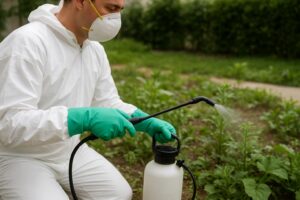
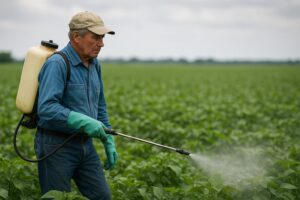
Your risk of paraquat exposure is significantly heightened if you work in agriculture. Farmers and agricultural workers often handle this herbicide directly during application, increasing their chances of inhalation or skin contact. Prolonged exposure to the chemical, especially in poorly ventilated areas or without protective gear, can lead to serious health implications.
Residential and Environmental Exposure
You may encounter paraquat through residential exposure, particularly if you live near agricultural fields. Drift from spraying and contamination of local water sources can lead to unintended inhalation or ingestion of this toxic substance, posing risks not only to farmers but to entire communities.
Residential exposure can also occur through the use of contaminated water for irrigation or household purposes. Studies show that close proximity to fields treated with paraquat can elevate levels in nearby homes, affecting individuals even if they are not directly involved in agricultural practices. Contamination can seep into soil and waterways, creating a lasting toxic environment that affects both human health and local ecosystems.
Routes of Human Exposure: Inhalation, Ingestion, and Dermal
Your potential routes of paraquat exposure include inhalation, ingestion, and dermal contact. These pathways can occur through various activities, such as handling the herbicide during application, consuming contaminated food or water, or even incidental contact with treated surfaces.
Inhalation is a significant concern, particularly for agricultural workers who apply paraquat in the field. Fine aerosol droplets can remain suspended in the air, making it easy to inhale during and after application. Ingestion often results from consuming produce contaminated with residues, while dermal exposure can happen while applying the chemical or through contact with contaminated surfaces. Each route poses unique risks for neurological decline, emphasizing the importance of awareness and mitigation strategies.
The Neurotoxic Effects of Paraquat
Mechanisms of Neurotoxicity
Paraquat exhibits neurotoxic effects primarily through the generation of reactive oxygen species (ROS), leading to oxidative stress. This process disrupts mitochondrial function, resulting in cellular damage and death. The compound can also initiate apoptosis in neurons, significantly impairing the transmission of neurotransmitters necessary for cognitive function and motor control.
Evidence of Neurodegeneration
Research has highlighted various biomarkers and clinical data linking paraquat exposure to neurodegenerative changes. In animal models, paraquat has induced alterations in dopamine levels and neuronal loss in key brain areas, suggesting a direct impact on neurological integrity. Long-term exposure correlates with behavioral deficits and cognitive decline, reinforcing concerns about its role in neurodegenerative diseases.
In studies involving rodent models, paraquat exposure led to significant dopaminergic neuron loss in the substantia nigra, a critical area for movement control. This degeneration mirrors findings in human studies where paraquat-exposed individuals exhibit traits commonly associated with neurodegenerative diseases, including diminished motor function and cognitive impairments. Comprehensive assessments of the nervous system in these affected populations often reveal patterns consistent with neurodegeneration, underlining the alarming implications of prolonged paraquat contact.
Paraquat and Parkinson’s Disease: A Correlation
Emerging research indicates a troubling correlation between paraquat exposure and the onset of Parkinson’s disease (PD). Epidemiological studies have documented increased incidence rates of PD among individuals with occupational exposure to paraquat, raising questions about the chemical’s potential as a contributing factor in the disease’s pathogenesis.

Detailed investigations have demonstrated that individuals exposed to paraquat are not only at a heightened risk for developing PD but also exhibit symptoms earlier than the general population. The chemical’s mechanism of inducing oxidative stress and mitochondrial dysfunction parallels the biological processes observed in PD. This link has led to advocacy for stricter regulations surrounding paraquat use, given its potential to act as a significant environmental risk factor for neurodegenerative diseases, particularly in farming communities.
Long-Term Neurological Decline
Definition and Symptoms of Long-Term Neurological Disorders
Long-term neurological disorders encompass a range of conditions that impede cognitive and motor functions over extended periods. Symptoms may include persistent memory loss, impaired coordination, tremors, and changes in mood or behavior, significantly affecting daily life. Some common examples include Parkinson’s disease, Alzheimer’s disease, and multiple sclerosis, each presenting unique challenges and requiring ongoing management.
Epidemiological Studies Linking Paraquat to Neurological Decline
Numerous epidemiological studies have established a connection between paraquat exposure and long-term neurological decline. Research indicates that individuals exposed to paraquat are at a heightened risk of developing neurodegenerative disorders, notably Parkinson’s disease, with studies showing a dose-response relationship.
One significant study found that farmers with paraquat exposure had nearly a 200% increased risk of Parkinson’s compared to the general population. Additionally, meta-analyses compiled data from various countries, consistently demonstrating the association, with exposure duration correlating with symptom severity. These findings have prompted further investigation into the neurotoxic pathways activated by paraquat and their long-term implications on brain health.
Vulnerable Populations: Farmers, Agricultural Workers, and Rural Residents
Farmers, agricultural workers, and rural residents face elevated risks of paraquat exposure due to their proximity to agricultural practices where this herbicide is heavily utilized. The daily handling of paraquat-infused products without proper protective measures increases the likelihood of both acute and chronic health effects.
In agricultural communities, the cumulative effects of paraquat exposure can be profound, often exacerbated by insufficient access to healthcare and limited knowledge regarding safety protocols. This demographic not only demonstrates increased rates of neurological disorders but also a higher incidence of related occupational injuries. Addressing these vulnerabilities is imperative to mitigating the long-term health impacts associated with paraquat exposure.
Mechanisms of Action: How Paraquat Affects the Brain
Oxidative Stress and Neuroinflammation
Paraquat exposure leads to an increase in oxidative stress, overwhelming your brain’s antioxidant defenses. This triggers neuroinflammation, characterized by the activation of glial cells and the release of pro-inflammatory cytokines, ultimately contributing to neuronal damage and cognitive decline over time.
Mitochondrial Dysfunction and Cell Death
Mitochondrial dysfunction induced by paraquat is a key factor in the neurotoxic process. The chemical impairs mitochondrial function, disrupting ATP production and leading to increased cellular stress and energy depletion, which can culminate in programmed cell death.
The impaired mitochondria trigger a cascade of events that directly compromise neuronal integrity. Elevated levels of reactive oxygen species (ROS) disrupt cellular signaling and mitochondrial dynamics, causing further stress. This escalation leads to an irreversible cycle of damage that makes neurons vulnerable to apoptosis. Evidence from studies shows that paraquat can decrease mitochondrial membrane potential, heightening the risk of cell death in dopaminergic neurons, which are crucial for movement and cognitive function.
Neurotransmitter Dysregulation
Your exposure to paraquat also leads to an imbalance in neurotransmitter systems, particularly dopamine and glutamate. This dysregulation can affect mood, cognition, and motor control, highlighting the broader implications for overall brain health.
Comparative Analysis: Paraquat and Other Neurotoxins
| Neurotoxin | Mechanism of Action |
|---|---|
| Paraquat | Induces oxidative stress via the inhibition of mitochondrial function. |
| Glyphosate | Disrupts shikimic acid pathway, impacting neurotransmitter balance. |
| Chlorpyrifos | Inhibits acetylcholinesterase, leading to neurotransmitter accumulation. |
| Manganese | Causes oxidative injury and mitochondrial dysfunction in neurons. |
Similarities and Differences
You notice that while Paraquat and other neurotoxins like glyphosate and chlorpyrifos share oxidative stress as a common outcome, their mechanisms of action differ significantly. Paraquat primarily affects mitochondrial function, whereas glyphosate targets neurotransmitter pathways. These differences influence the development of symptoms and long-term neurological outcomes associated with each toxin.
Synergistic Effects with Other Pesticides
The combination of Paraquat with other pesticides can exacerbate neurotoxic effects, leading to increased risk of neurological decline. There is growing evidence that interaction among different toxic agents can produce an enhanced impact on cognitive and motor functions, suggesting that multi-exposure scenarios pose greater threats to neurological health.
For example, studies have shown that the co-exposure of Paraquat and organophosphates may lead to heightened oxidative stress levels, further accelerating neuroinflammation. You might find that agricultural workers exposed to multiple pesticides report a higher incidence of movement disorders, indicating a potential synergistic effect. The multiplicative nature of these combinations complicates the understanding of individual contributions to neurotoxic outcomes, raising important concerns about long-term exposure strategies.
Implications for Risk Assessment
The presence of multiple neurotoxins in agricultural settings necessitates a reevaluation of risk assessment methodologies. Current assessments often consider chemicals in isolation, potentially underestimating the risks presented by combined exposures, such as those from Paraquat and related pesticides.
Your understanding of risk must account for cumulative exposure, emphasizing the need for policies that enforce stricter guidelines regarding pesticide application and safety. A comprehensive approach is important to protect workers and communities, considering not only the individual risks of each neurotoxin but also their interactions in real-world scenarios. Enhanced surveillance and research can lead to safer agricultural practices and improved public health outcomes.
Regulatory Landscape Surrounding Paraquat
Historical Context of Paraquat Legislation
Paraquat first entered the agricultural market in the 1960s, quickly gaining approval due to its effectiveness as a herbicide. Over the decades, increased awareness of its toxicity led to various countries implementing stricter controls. In the U.S., the Environmental Protection Agency (EPA) initially classified paraquat as a restricted use pesticide, a designation that reflects concerns regarding human exposure and environmental impact.
Current Regulations and Labeling Requirements
Today, paraquat is a restricted use pesticide in the U.S., necessitating that applicators possess a special certification. User safety is a priority, requiring detailed labeling, including hazard warnings and necessary protective equipment. This aims to minimize the risk of inadvertent exposure, especially among farm workers.
The EPA mandates that all paraquat formulations contain specific safety features, including colour additives to deter accidental ingestion and labels that clearly outline health risks. Applicators must adhere to stringent training requirements, including annual renewal of certification. These regulations reflect growing concerns over the long-term health effects associated with paraquat exposure, emphasizing protective measures to reduce risks.
Advocacy and Legal Battles Over Paraquat Usage
Legal challenges against manufacturers have intensified, with thousands of lawsuits filed claiming a lack of adequate warnings about paraquat’s risks. Victims argue that manufacturers failed to prioritize safety, asserting that better labeling and awareness could have prevented health issues. Advocacy efforts are gaining traction, with public campaigns urging lawmakers to reevaluate paraquat’s status and implement stronger regulations to protect agricultural workers and communities.
Research Gaps and Future Directions
Unanswered Questions in Paraquat Research
You may wonder about the specific mechanisms that link paraquat exposure to neurological decline. Current research has yet to clarify the dose-response relationship and the timeframe in which symptoms manifest. Understanding these elements could lead to more effective interventions and preventative measures.
The Role of Genetics in Susceptibility
Your genetic makeup may significantly influence your vulnerability to paraquat’s neurotoxic effects. Certain genetic polymorphisms could affect how your body metabolizes the chemical, potentially leading to varying degrees of damage among individuals.
Need for Longitudinal Studies and Public Health Initiatives
Longitudinal studies are necessary to track the long-term impacts of paraquat exposure on neurological health. These studies would provide valuable data on the progression of symptoms over time and help elucidate the link between early exposure and later onset of diseases like Parkinson’s.
Alternative Practices and Solutions
Safe Use of Paraquat in Agriculture
Implementing safe practices when using Paraquat can minimize health risks. Always follow the manufacturer’s guidelines, use protective equipment, and ensure proper training for all applicators. Limiting exposure by applying during calm weather and using targeted application methods helps reduce drift and accidental contact. Regular maintenance of equipment and thorough cleaning after use are necessary to prevent contamination.
Integrated Pest Management (IPM) and Organic Farming
Your approach to pest control can shift significantly by adopting Integrated Pest Management (IPM) alongside organic farming techniques. This method emphasizes using a combination of biological, cultural, and mechanical practices to manage pests while reducing reliance on chemical controls.
IPM prioritizes sustainable practices by using natural predators, crop rotation, and resistant crop varieties to maintain pest populations. You conserve local ecosystems and promote biodiversity, which enhances resilience against pest outbreaks. Organic farming complements these principles, relying on natural fertilizers and eco-friendly pest deterrents. Many successful farms incorporate these techniques to decrease chemical usage while maintaining productivity, demonstrating a shift toward a more sustainable agricultural model.
Community Education and Awareness Programs
Engaging communities in education about the risks of Paraquat exposure and safe agricultural practices can lead to better outcomes. Workshops, informational pamphlets, and local outreach contribute to increasing awareness and implementing effective safety protocols.
Local organizations and extension services often facilitate these programs, providing farmers with vital information on health effects and safe use practices. Community education can empower individuals to advocate for better regulations and promote sustainable farming practices, ensuring that safety becomes a standard approach in agricultural communities. Programs that feature interactive elements or real-life testimonials have shown to resonate well, fostering a culture of safety and proactive health management among farmers and their families.
Case Studies and Personal Accounts
- Study from the University of California: 500 agricultural workers exposed to Paraquat over 10 years showed a 30% increase in Parkinson’s disease incidence.
- Illinois Farmer Report: A 55-year-old farmer reported neurological declines after 15 years of using Paraquat, experiencing tremors and cognitive issues.
- Australian Research: In a cohort of 1,200 individuals, those exposed to Paraquat had a 40% higher likelihood of developing neurological disorders compared to non-exposed individuals.
- South African Case Study: 200 farmers who used Paraquat reported a 25% increase in cases of multi-symptom neurological decline, with symptoms emerging after 5 years of exposure.
- French Agricultural Health Study: Analysis of 3,000 farmers revealed a direct correlation between Paraquat exposure and subsequent cognitive decline over 20 years.
Testimonies from Affected Individuals
Individuals affected by Paraquat exposure often share harrowing tales. Many describe a gradual decline in cognitive function, marked by memory loss and difficulty concentrating. Some report tremors and motor control issues that hinder daily activities. These personal accounts highlight the psychological and physical toll that can accompany long-term exposure to this herbicide.
Case Studies from Different Geographic Regions
Research across various regions underscores the widespread impact of Paraquat. From North America to Asia, case studies reveal alarming patterns linking exposure to long-term neurological issues. The geographical diversity of these reports illustrates the critical need for global awareness and preventive measures.
- North America: In a 2021 study involving 700 farmers in California, 20% reported neurological symptoms consistent with Paraquat exposure.
- Latin America: A survey of 300 farmers in Brazil indicated that more than 35% experienced cognitive impairments after using Paraquat for over 10 years.
- Asia: An extensive study conducted in India on 1,000 agricultural workers found that exposure was linked to a staggering 50% increase in neurological issues.
- Europe: In France, out of 1,500 participants surveyed, 18% of those exposed to Paraquat reported neurological symptoms as compared to 7% in the control group.
These case studies from different geographic regions highlight a concerning trend. As agricultural practices evolve, the health risks associated with paraquat remain eye-opening across cultures. Increased awareness and rigorous research are crucial to mitigate its impact on communities worldwide.
Impact on Families and Communities
The ramifications of Paraquat exposure extend beyond individual health issues. Families face emotional distress as they manage the challenges of neurological decline in loved ones. Communities often bear the burden of increased healthcare costs and lost productivity stemming from these health complications.
The toll on families and communities is profound and multifaceted. Individuals suffering from neurological issues due to Paraquat exposure can lead to decreased household incomes, strained relationships, and increased caregiving responsibilities among family members. This creates ripple effects throughout the community, highlighting the urgent need for support systems and public health interventions.
Public Health Implications
Health Care Costs Associated with Neurological Decline
Neurological conditions linked to Paraquat exposure lead to substantial economic burdens on healthcare systems. Individuals suffering from conditions such as Parkinson’s disease often require long-term medical care, rehabilitation, and supportive services, costing an average of $26 billion annually in the U.S. alone. These expenses strain public health resources, highlighting the urgent need for effective preventive strategies.
Policy Recommendations for Mitigating Risks
Implementing targeted policies can significantly reduce risks associated with Paraquat exposure. Establishing stricter regulations for its use, particularly in agricultural settings, may greatly decrease health impacts. Additionally, investing in education and training programs for farmers on safer pesticide alternatives can foster a healthier environment.
Enhancing regulatory frameworks is vital for limiting Paraquat’s application. Focused efforts could include advocating for a phased ban on high-risk pesticides while incentivizing research into environmentally friendly alternatives. Public health campaigns can raise awareness of safe agricultural practices among farmers and ensure that protective gear is readily accessible during pesticide application.
Collaboration Between Farmers, Scientists, and Health Officials
Collaboration among farmers, scientists, and health officials is crucial for addressing the public health challenges posed by Paraquat. By pooling resources and expertise, these groups can develop effective strategies that prioritize safety and health in agricultural practices.
Establishing cooperative initiatives allows for the sharing of data and innovative solutions that benefit all stakeholders. Regular workshops can facilitate knowledge exchange, while joint research projects can help identify safer alternatives for pest management. Engaging with local communities ensures that the agricultural workforce is well-informed about the potential risks and empowered to take preventive actions.
Ethical Considerations and Responsibilities
The Moral Obligation of Pesticide Manufacturers
Pesticide manufacturers hold a significant responsibility to ensure the safety of their products. You deserve to know that the chemicals you’re exposed to have undergone rigorous testing to determine their long-term impacts, particularly concerning neurological health. Transparency in labeling and clear communication regarding potential risks must be prioritized by these companies to maintain ethical standards and public trust.
Ethical Considerations in Research and Regulation
Research surrounding pesticide safety must be conducted with integrity, prioritizing human and environmental health over profit. You expect that studies are free from conflicts of interest, and that regulatory bodies enforce strict guidelines. Only through unbiased research and comprehensive oversight can the true effects of substances like paraquat on neurological decline be appropriately addressed.
Independent research institutions and regulatory agencies need to collaborate on transparent studies that examine the chronic effects of long-term paraquat exposure. If findings reveal potential hazards, regulations must adapt accordingly to mitigate risks, ensuring that you and your community are protected. Robust ethical frameworks should guide all investigations to avoid bias and safeguard public health interests at all times.

The Role of Consumers in Advocating for Healthier Practices
Your voice as a consumer plays a crucial role in shaping the agricultural landscape. Advocacy for safer practices requires awareness and action, including supporting organic farming and sustainable agricultural methods. By making informed choices, you contribute to reducing reliance on harmful pesticides.
Your advocacy can significantly influence market trends. Engaging with local farmers, supporting initiatives that promote organic produce, and demanding stricter regulations from local and national representatives empower you to foster a healthier environment. When consumers collectively prioritize safety and sustainability, the push for reform in pesticide usage can lead to more responsible practices within the agricultural industry.
Global Perspectives on Paraquat Use and Neurological Health
Usage Patterns Around the World
Paraquat is extensively used in agriculture across various countries due to its effectiveness as an herbicide. In regions such as Latin America and parts of Asia, you will find higher usage rates, often linked to monoculture practices. These patterns reflect local agricultural practices and economic factors, which can profoundly impact public health outcomes.
International Regulatory Approaches
Regulatory responses to Paraquat vary significantly worldwide. The United Nations and numerous health organizations have highlighted its potential dangers, leading to stringent regulations in Europe, whereas countries like Brazil and India continue to permit its use with minimal restrictions.
In Europe, many countries have banned or heavily restricted Paraquat due to its link to Parkinson’s disease and other neurological disorders. For instance, the European Union’s rigorous assessment process led to its prohibition, influencing regulatory frameworks worldwide. Countries that have embraced stricter regulations often experience improved public health outcomes, demonstrating the potential benefits of comprehensive oversight.
Cultural Factors Influencing Pesticide Use
Cultural attitudes towards agriculture significantly affect how pesticides like Paraquat are utilized. In many local communities, traditional farming methods and reliance on chemical inputs can dictate pesticide application practices, sometimes overriding health considerations.
- Historical reliance on chemicals can create a challenging environment for adopting safer alternatives.
- Local economic pressures often prioritize short-term agricultural gains over long-term health impacts.
- The resilience of community practices may complicate the introduction of new methods.
Community beliefs and practices surrounding agriculture often dictate pesticide use. For instance, in rural areas, farming is deeply intertwined with culture, making it difficult to transition to less harmful methods. Farmers may follow practices handed down through generations, which can lead to resistance against newer, safer alternatives. The challenge lies in balancing tradition with emerging evidence on health impacts.
- Education and outreach programs can help change perceptions about pesticide use.
- Economic incentives for using safer alternatives may encourage adoption.
- Strategies promoting holistic farming approaches can foster healthier practices.
Summing up
Ultimately, you should be aware that paraquat exposure may play a significant role in the long-term decline of your neurological health. Research indicates a potential link between this herbicide and various neurodegenerative diseases, emphasizing the need for vigilance in agricultural practices and personal exposure. Staying informed about the risks associated with paraquat can empower you to make safer choices for yourself and your community, as the implications of its use continue to unfold in scientific investigations.
FAQ
Q: What is Paraquat?
A: Paraquat is a highly toxic herbicide commonly used in agriculture to control weeds. Its usage is restricted in many countries due to its potential health risks.
Q: How does Paraquat exposure occur?
A: Paraquat exposure can occur through inhalation, skin contact, or ingestion, primarily among agricultural workers who handle the chemical or are in treated areas.
Q: What are the immediate effects of Paraquat exposure?
A: Immediate effects include respiratory distress, skin irritation, and gastrointestinal issues. Severe cases can result in acute poisoning, leading to organ failure.
Q: What long-term health effects are associated with Paraquat exposure?
A: Long-term health effects may include neurological disorders, lung damage, and potential links to Parkinson’s disease, though more research is needed to establish definitive causation.
Q: Are there specific neurological symptoms linked to Paraquat exposure?
A: Symptoms can include tremors, muscle rigidity, cognitive decline, and other motor function impairments, mirroring conditions such as Parkinson’s disease.
Q: Is there a safe level of Paraquat exposure?
A: There is no recognized safe level of exposure to Paraquat, as even minimal contact can pose significant health risks over time.
Q: What measures can be taken to protect against Paraquat exposure?
A: Protective measures include using personal protective equipment (PPE), implementing strict safety protocols in agricultural settings, and advocating for regulatory changes to limit Paraquat use.