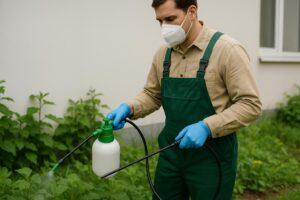
It’s vital for you to understand how the recent wave of lawsuits regarding paraquat exposure is shaping the future for farmers affected by Parkinson’s disease. As more individuals step forward to seek justice, these legal actions may signal a turning point in accountability for agricultural products linked to serious health risks. This post explores the implications of these lawsuits and what they mean for the farming community, potentially offering a pathway to compensation and recognition for your struggles.
Key Takeaways:
- The lawsuit highlights increasing concerns over Paraquat’s link to Parkinson’s disease among agricultural workers.
- Legal strategies are evolving, potentially allowing for a wave of cases from affected individuals.
- Farmers are seeking justice against manufacturers who may have concealed health risks.
- The case could impact regulatory approaches and safety standards for agricultural chemicals.
- Experts suggest this lawsuit may encourage more farmers to pursue legal action.
- The outcome may set precedents for similar cases involving other hazardous chemicals.
- Increased media attention could raise public awareness and influence future policy changes.
Understanding Paraquat
Overview of Paraquat as a Herbicide
Paraquat is a highly effective, broad-spectrum herbicide used primarily for controlling weeds in various crops. Its rapid action and ability to inhibit photosynthesis make it a popular choice among farmers. However, its potent nature requires careful handling and application due to its toxicity and adverse environmental implications.
Health Risks Associated with Paraquat Exposure
Exposure to Paraquat poses significant health risks, particularly for individuals working in agriculture. Acute poisoning can lead to symptoms like vomiting, lung damage, and even death, while long-term exposure has been linked to neurodegenerative diseases such as Parkinson’s.
Research indicates that even lower levels of exposure can trigger harmful effects on your health. Studies show a correlation between Paraquat use and an increased risk of developing Parkinson’s disease. You may experience symptoms such as tremors, stiffness, and difficulty with balance if you have been exposed repeatedly over time. The neurotoxin disrupts dopamine production in the brain, ultimately leading to motor and cognitive impairments.
Regulatory Status of Paraquat in Agriculture
The regulatory status of Paraquat varies globally, with many countries imposing strict usage guidelines. In the United States, it remains a widely used herbicide; however, the Environmental Protection Agency (EPA) continuously evaluates its safety and efficacy for agricultural use.
Your awareness of Paraquat’s regulatory standing is vital, especially as regulatory agencies increasingly scrutinize its safety profile. The EPA recently proposed to re-evaluate its risk assessment, calling for updated training for users and stricter application protocols. Several countries have banned Paraquat due to health concerns, while ongoing litigation may influence its future use and regulation in the agricultural sector.
Parkinson’s Disease: An Overview
Definition and Symptoms of Parkinson’s Disease
Parkinson’s disease is a progressive neurodegenerative disorder that primarily affects movement. Symptoms often begin subtly, with mild tremors, stiffness, and slowness of movement. As the disease advances, you may experience balance issues, difficulty speaking, and a decline in cognitive functions, ultimately impacting daily activities and quality of life.
Causes and Risk Factors
Various factors contribute to the onset of Parkinson’s disease, including genetic predispositions and environmental influences. Key risk factors involve age, with those over 60 at higher risk, as well as exposure to toxins such as pesticides and heavy metals.
- Age is a significant risk factor.
- Genetic mutations can increase susceptibility.
- Exposure to certain environmental toxins, like pesticides, is linked to higher incidence rates.
- Family history of Parkinson’s may elevate your risk.
- This makes understanding and mitigating these risk factors important in prevention and management.
Research indicates that individuals with a family history of the disease may have a higher genetic predisposition. Additionally, men are more likely to develop Parkinson’s compared to women. You should be aware that prolonged exposure to neurotoxic chemicals, including herbicides like paraquat, can significantly enhance your risk of developing this debilitating condition.
- Genetic factors might play a crucial role in individual risk.
- Work-related exposure to heavy metals has been studied extensively.
- Environmental factors, including rural living conditions, may increase vulnerability to the disease.
- This emphasizes the need for protective measures in at-risk populations.
The Link Between Environmental Toxins and Parkinson’s Disease
Research highlights a growing concern regarding the connection between environmental toxins and Parkinson’s disease. Chemical exposure, particularly to herbicides and pesticides, has been increasingly linked to the development of this disorder among agricultural workers.
Numerous studies have demonstrated that farmers who regularly handle or are exposed to certain pesticides, including paraquat, exhibit a higher incidence of Parkinson’s disease. A notable study found that farmers exposed to paraquat were 2.5 times more likely to develop Parkinson’s. Understanding these links is imperative for you as it may inform your protective actions, especially if working or living in agricultural areas.
Legal Landscape of Pesticides and Herbicides
Historical Context of Pesticide Litigation
Litigation surrounding pesticides dates back several decades, significantly impacting agricultural practices and health regulations. In the mid-1970s, lawsuits emerged against chemical manufacturers as health concerns linked to pesticides grew, highlighting negligence in safety testing and regulatory compliance.
Overview of the U.S. Legal Framework for Pesticide Regulation
The U.S. legal framework governing pesticide regulation is primarily established by the Federal Insecticide, Fungicide, and Rodenticide Act (FIFRA). This legislation mandates that all pesticides be registered with the Environmental Protection Agency (EPA), ensuring that they are safe and effective for their intended uses prior to market entry.
This framework involves comprehensive evaluation processes, including risk assessments that weigh the potential human health and environmental risks against the benefits of pesticide usage. Furthermore, state regulations often complement FIFRA, allowing for additional guidelines and restrictions tailored to specific local needs and conditions, thus creating a multifaceted regulatory environment.
Key Court Cases Preceding the Paraquat Lawsuits
Several landmark court cases have shaped the landscape of pesticide litigation, paving the way for current Paraquat lawsuits. Notable among these is the case of Ruckelshaus v. Monsanto Co. (1984), which underscored the importance of protecting sensitive data in the context of pesticide registration.

The Ruckelshaus case set a precedent for litigation by emphasizing the need for transparency and accountability among pesticide manufacturers. It revealed that companies could be held liable for inadequately demonstrating the safety of their products. This ruling, along with subsequent cases, has emboldened affected farmers to seek justice against manufacturers, contributing to the momentum of Paraquat-related claims you see today.
The Rise of Paraquat Lawsuits
Timeline of Paraquat-related Lawsuits
The timeline of Paraquat-related lawsuits began gaining momentum in the early 2000s, with the first significant claims surfacing in 2016. As research linking Paraquat exposure to Parkinson’s Disease intensified, more farmers and agricultural workers filed lawsuits, particularly post-2018. In 2021, notable rulings marked a turning point, leading to a surge of cases throughout 2022 and into 2023, as the legal narrative around accountability and health risks evolved.
Key Legal Arguments Presented by Plaintiffs
Plaintiffs argue that major manufacturers failed to warn users about the potential risk of Parkinson’s Disease associated with Paraquat exposure. They claim that long-term use in agricultural settings has contributed to their health issues, citing scientific studies linking the herbicide to the disease. Furthermore, the argument centers around negligent manufacturing practices and the duty of care owed to agricultural workers.
Various studies have established a connection between Paraquat and Parkinson’s Disease, which plaintiffs leverage to assert that manufacturers consciously disregarded safety concerns. They allege that the manufacturers, knowing the risks, chose profit over consumer safety by neglecting to include adequate warnings on product labels. This argument aims to highlight the disconnect between agricultural practices and the manufacturers’ responsibilities to ensure safe usage and protection of their customers.
Major Manufacturers and Their Legal Responsibilities
Under existing regulations, manufacturers are obligated to conduct thorough safety assessments and disclose any known risks associated with their products. Plaintiffs argue that by failing to appropriately communicate the dangers of Paraquat, these companies not only violated legal duties but also endangered the lives of countless workers. As cases progress, the extent of these manufacturers’ accountability will likely shape the future of pesticide regulation and public health policy.

Profile of Affected Farmers
Demographics of Farmers with Parkinson’s Disease
Farmers diagnosed with Parkinson’s disease often share similar demographics, predominantly comprising middle-aged and elderly individuals engaged in agricultural practices, particularly those using pesticides like paraquat. Studies indicate that men are affected at higher rates than women, with many having extensive exposure to chemicals during their careers. Age and genetic factors also play significant roles in the prevalence of the disease among this population.
Economic Impact of Parkinson’s on Agricultural Communities
The economic ramifications of Parkinson’s disease extend deeply into agricultural communities, affecting not only the farmers directly afflicted but also their families and local economies. Lost productivity, rising healthcare costs, and diminished quality of life result in significant financial strain, disrupting the livelihoods of those involved in farming and altering community dynamics.
In areas with a high density of paraquat exposure, entire families may struggle as primary wage earners become unable to work. This loss cascades through the local economy, impacting everything from agricultural output to support services. Empirical data shows that regions with prevalent Parkinson’s cases experience reduced farm viability, forcing families to rely on alternative sources of income, often leading to economic hardship and increased reliance on social support systems.
Testimonials from Affected Farmers
Affected farmers have shared gripping testimonials that highlight their struggles with Parkinson’s disease, drawing attention to the daily challenges they face. Many describe the emotional and physical toll of living with this degenerative condition, coupled with the stress of financial uncertainty, as they navigate the complexities of treatment and care.
Personal stories reveal the profound challenges that come with a Parkinson’s diagnosis. For instance, one farmer recounted losing the ability to perform basic tasks on the farm, while another shared how the disease has strained family relationships and forced them to seek legal recourse against pesticide manufacturers. These narratives underscore the urgency of addressing the links between pesticide exposure and health outcomes in farming communities.
Scientific Evidence Linking Paraquat to Parkinson’s Disease
Review of Epidemiological Studies
Epidemiological studies indicate a significant association between paraquat exposure and the development of Parkinson’s disease. Research conducted among agricultural workers shows that those who regularly handle paraquat have an increased risk of Parkinson’s by more than 200%, highlighting the chemical’s potential neurotoxic effects. Long-term exposure scenarios consistently report elevated incidence rates, underscoring the need for further investigation.
Toxicological Studies on Paraquat
Toxicological studies reveal how paraquat affects the brain and contributes to Parkinson’s disease pathology. Animal research demonstrates that paraquat induces oxidative stress and mitochondrial dysfunction, which are key factors in neurodegeneration. The evidence suggests a direct link between paraquat’s neurotoxic properties and the loss of dopaminergic neurons, a hallmark of Parkinson’s disease.
Expert Opinions and Testimonies
The Latest Paraquat Lawsuit: A Case Study
Details of the Recent Paraquat Lawsuit
The recent lawsuit against the manufacturers of Paraquat centers on a group of farmers who developed Parkinson’s disease, alleging that exposure to the herbicide was the primary cause. The plaintiffs argue that the companies failed to warn users about the dangers associated with Paraquat, despite longstanding scientific evidence linking the chemical to serious health risks. In this case, the plaintiffs seek compensation for medical expenses, lost wages, and emotional suffering caused by their illnesses.
Strategies Used by Plaintiff’s Counsel
Plaintiff’s counsel utilizes a multi-faceted approach to strengthen their case against the herbicide manufacturers. They gather extensive evidence from epidemiological studies linking Paraquat to Parkinson’s disease, while also presenting testimonies from medical experts who can substantiate claims of causation. Further, leveraging prior verdicts in similar cases helps to create a precedent that could influence jury decisions.
By compiling data from trusted research sources, plaintiff’s counsel builds a robust argument demonstrating the risks of Paraquat exposure. They meticulously organize witness statements from affected farmers, outlining their experiences and how exposure to the chemical directly led to their diagnosis. Additionally, they pursue expert witnesses to articulate the scientific mechanisms behind Paraquat’s neurotoxic impacts, which enhances the credibility of the allegations and articulates the potential negligence of the manufacturers.
Reactions from the Defense
The defense has responded by disputing the claims linking Paraquat to Parkinson’s disease, arguing that the studies presented by the plaintiffs lack definitive proof of causation. They emphasize the absence of consensus within the scientific community regarding the risks associated with the herbicide, suggesting that genetic factors and lifestyle choices also play significant roles in the development of the disease. The defense aims to undermine the credibility of the plaintiffs’ evidence and portrays their claims as speculative rather than factual.
In their defense strategy, lawyers are focusing on dissecting the plaintiffs’ expert testimonies. They question the methodology behind the presented studies, highlighting any inconsistencies or limitations that could weaken the plaintiffs’ arguments. Furthermore, the defense emphasizes the regulatory approvals Paraquat has received, framing it as a product deemed safe when used according to label instructions. This strategy aims to instill doubt in jurors’ minds about the direct link between Paraquat and health issues faced by the plaintiffs, putting the burden of proof on those claiming harm.
Implications for Agricultural Practices
Potential Changes in Herbicide Usage
Your approach to herbicide usage may need to adapt as legal scrutiny on Paraquat intensifies. Increased awareness of the potential health risks linked to this chemical, coupled with emerging lawsuits, might prompt shifts towards safer alternatives. Farmers may find themselves reevaluating their choices, possibly replacing Paraquat with less controversial herbicides or integrated pest management strategies that leverage organic methods.
Economic Consequences for Agricultural Businesses
Legal battles over Paraquat could lead to significant economic ramifications for agricultural enterprises. Increased liability insurance costs, potential fines, and decreased consumer trust may drive up operational expenses, impacting profit margins. You may experience shifts in market dynamics as consumers gravitate towards products labeled as free from hazardous chemicals, forcing businesses to adjust pricing structures and product sourcing.
The financial implications extend beyond immediate costs; you could face long-term market projections that account for increased regulation and a shift in consumer preferences. For instance, the organic farming sector may see a surge in demand as growers seek to align with environmentally-friendly practices. This shift could potentially create a rift in competitiveness between conventional farmers using Paraquat and those pivoting towards sustainable alternatives, leading to a reevaluation of business models across the industry.
Farmer Education and Safety Measures
Enhanced education on the risks associated with Paraquat is important for ensuring farmer safety. With the heightened legal focus, you may find that investing in training programs is vital to navigate new regulations and best practices for herbicide application. Improved awareness can significantly reduce health risks while enabling you to make informed decisions about your agricultural practices.
The Role of Advocacy Groups
Organizations Supporting Affected Farmers
Various organizations are stepping up to support farmers affected by Paraquat exposure. Groups like the National Farmers Union and the Rural Advancement Foundation International provide resources, legal guidance, and emotional support. They advocate for the rights of farmers, helping you navigate complex legal landscapes and connect with others who share similar experiences.
Public Awareness Campaigns
Public awareness campaigns play a vital role in informing society about the risks of Paraquat. These initiatives leverage social media, educational seminars, and community outreach to share stories of affected farmers and raise awareness regarding the potential health implications.
Recent campaigns have successfully reached millions, using personal testimonials to emphasize the impact of Paraquat on farmers’ health. For instance, grassroots movements in agricultural communities have utilized social media platforms to create viral content, leading to heightened awareness and discussions around safety practices. With coordinated efforts, these campaigns aim to shift public perception and encourage conversations about the necessary regulations and safer alternatives to chemical herbicides.
Influence on Policy Change
Advocacy groups are instrumental in shaping policies related to agricultural chemicals like Paraquat. Their efforts have led to increased scrutiny of pesticides, prompting calls for stricter regulatory measures and improved safety protocols within the industry.
Through lobbying efforts and collaboration with lawmakers, advocacy organizations aim to establish comprehensive policies that protect farmers and the environment. Recent legislative sessions have seen proposals for stricter labeling requirements and research funding for safer herbicide alternatives, reflecting the tangible influence these groups have on policy formulation. By mobilizing affected communities and raising their voices, they can drive meaningful change in agricultural practices and regulations.
The Future of Pesticide Regulation
Potential Legislative Changes
As awareness grows surrounding the links between pesticides like paraquat and health issues, you might witness legislative changes. Lawmakers are increasingly pressured to enact stricter regulations on pesticide usage, driven by growing public concern and scientific evidence. Proposals may include tighter licensing requirements and more robust safety assessments, particularly for harmful chemicals.
International Perspectives on Pesticide Use
Global approaches to pesticide regulation vary dramatically, influencing how countries respond to health risks. Countries in Europe often adopt more stringent measures compared to the U.S., reflecting differing public health values and agricultural practices.
For instance, the European Union’s precautionary principle has led to the banning of more than 1,000 pesticides, focusing on protecting human health and the environment. In contrast, the U.S. tends to prioritize agricultural yield over potential health risks, resulting in a more permissive stance on chemical use. This disparity highlights the need for a reevaluation of policies, especially in light of emerging evidence linking pesticides to serious health conditions like Parkinson’s disease.
The Push for Safer Alternatives
A growing trend among farmers and consumers is the demand for safer pesticide alternatives. This shift stems from increased awareness of health risks and environmental impact, motivating stakeholders to seek organic and less harmful solutions.
Innovative practices such as integrated pest management (IPM) not only reduce reliance on harmful chemicals but also promote sustainable agriculture. You may find that adopting biological controls, crop rotation, and natural repellents can effectively manage pests while minimizing health risks. The urgency for safer alternatives is gaining traction across multiple sectors, suggesting that you could see significant investment in research and development for eco-friendly pesticides in the near future.
Legal Renaissance: What It Means for Farmers
Defining Legal Renaissance in This Context
A legal renaissance for farmers refers to a renewed commitment to addressing injustices in agricultural law, particularly regarding health impacts from pesticides like paraquat. This shift encompasses increased litigation, regulatory scrutiny, and growing public awareness, empowering farmers to seek justice and compensation for harm caused by toxic agricultural practices.
Impact on Future Legal Battles for Agricultural Workers
The current wave of lawsuits signals a transformative period for agricultural workers as they gain leverage against large agrochemical companies. The outcomes of these cases may set precedents, encouraging more workers to come forward with their claims and challenging industry norms that have historically favored corporate interests over individual health rights.
As legal scholars and advocates analyze these emerging lawsuits, farmers can expect an increased willingness of courts to consider health impacts seriously. The potential for successful litigation encourages agricultural workers to collaborate with legal experts, leading to a culture of proactivity in asserting rights. This paradigm shift might also prompt legislative reform, enhancing worker protections and accountability within the agricultural sector.
Trends in Environmental Health Law
Recent developments in environmental health law indicate a growing recognition of the intersection between agriculture, public health, and corporate accountability. As scientific evidence mounts against harmful substances, more legal frameworks are emerging to protect farmers and their communities from pesticide-related health crises.
This trend towards stricter environmental regulations and increased enforcement reflects a broader societal demand for sustainable agricultural practices. You can anticipate more robust advocacy for transparency in chemical usage and monitoring, alongside a rise in lawsuits that challenge outdated regulations. These trends empower you as a farmer to demand safer working conditions and hold both regulatory bodies and corporations accountable for health impacts observed in your communities.
Challenges Ahead for Plaintiffs
Legal Obstacles in Paraquat Litigation
You face significant legal obstacles in paraquat litigation, particularly regarding the burden of proof. Plaintiffs must demonstrate a direct link between paraquat exposure and the development of Parkinson’s disease, often requiring extensive medical and scientific evidence that can be difficult to acquire. The complexity of establishing causation adds layers to your case, making access to expert witnesses and reliable studies important.
The Defense’s Counterarguments
The defense will likely argue that the scientific community has not reached a consensus on the causal link between paraquat and Parkinson’s disease. By highlighting existing studies that show no definitive connection, they aim to undermine your claims. Moreover, they might assert that other factors, such as genetics or lifestyle choices, could be responsible for the disease. These counterarguments will be pivotal in shaping the litigation landscape.
As a countermeasure, the defense could present historical data demonstrating that many farmers exposed to paraquat have not developed Parkinson’s disease, suggesting that other environmental or lifestyle factors may have played a more significant role. They might also leverage testimonies from experts who argue that the relationship between pesticide exposure and Parkinson’s is not well-established, using this to introduce doubt in the minds of jurors and judges alike.
The Role of Scientific Uncertainty
Your case will confront challenges stemming from scientific uncertainty surrounding paraquat’s effects. While some studies indicate a potential link to Parkinson’s, others do not. This ambiguity can weaken your argument, as courts tend to favor established scientific consensus over contested claims.
The lack of a definitive conclusion in the scientific literature creates a contentious battleground for your legal teams. You may find that studies with conflicting results complicate your ability to present a strong causative argument. Furthermore, the defendants might exploit this uncertainty to question the reliability of your scientific arguments, thus jeopardizing the overall strength of your case in court. Overcoming this skepticism will require not only convincing evidence but also the articulation of a compelling narrative that ties your experiences to the broader scientific discussions.
The Psychological Impact on Farmers
Mental Health Concerns Among Affected Individuals
Your mental health can deteriorate significantly after a Parkinson’s diagnosis linked to paraquat exposure. Many affected individuals report feelings of anxiety, depression, and fear about the future, often exacerbated by the challenges of managing advancing symptoms and the knowledge that their condition may stem from years of agricultural practice.
Coping Mechanisms and Support Systems
Developing effective coping strategies can be vital in navigating life with Parkinson’s. Support systems, including family, local community groups, and healthcare professionals, often become crucial lifelines. Engaging in regular social activities and seeking therapy may help alleviate feelings of isolation and uncertainty.
Participating in farming cooperatives or support groups can provide a strong sense of community. You might also find purpose in advocacy, sharing your story to raise awareness about the risks associated with paraquat. Engaging with mental health professionals can guide you in building personal coping strategies while connecting with others facing similar challenges creates a shared understanding and emotional support, important for emotional resilience.
The Stigma Associated with Parkinson’s Disease
Stigma surrounding Parkinson’s disease can be particularly challenging for you, as societal misconceptions may lead to feelings of shame or isolation. This perception often stems from a lack of understanding about the disease, which can discourage you from openly discussing your condition with peers and family.
Revealing your diagnosis may invite unintended biases, causing you to feel misunderstood or judged. This stigma can hinder participation in community activities and worsen feelings of depression and loneliness. Addressing this stigma requires collective efforts to educate others, promoting awareness, and fostering empathy, ultimately creating a supportive environment where you feel safer to share your experiences and seek help.
Conclusion
Presently, the latest Paraquat Parkinson’s disease lawsuit may represent a significant turning point for affected farmers. You have the opportunity to hold powerful corporations accountable for their actions and seek justice for the health impacts caused by exposure to this hazardous herbicide. As awareness of the connection between Paraquat and Parkinson’s disease grows, you may be empowered to join others in pursuing legal remedies, thereby potentially paving the way for more comprehensive protections and support for individuals adversely affected by agricultural practices.
FAQ
Q: What is the latest lawsuit regarding Paraquat and Parkinson’s disease?
A: The latest lawsuit involves claims that Paraquat, a herbicide, is linked to the development of Parkinson’s disease in farmers and agricultural workers who have been exposed to it, prompting a surge in legal action against manufacturers.
Q: How has the legal landscape changed for farmers affected by Paraquat?
A: There has been an increase in lawsuits filed by farmers, indicating a shift towards more aggressive legal actions that could hold manufacturers accountable for health risks associated with Paraquat exposure.
Q: What evidence supports the connection between Paraquat and Parkinson’s disease?
A: Scientific studies have shown a correlation between prolonged exposure to Paraquat and an increased risk of developing Parkinson’s disease, which has become a focal point in many farmers’ lawsuits against manufacturers.
Q: What are the potential outcomes of these Paraquat lawsuits?
A: Potential outcomes include financial compensation for affected individuals, changes in labeling and usage guidelines for Paraquat, and increased scrutiny on the herbicide’s safety regulations by authorities.
Q: Who can file a lawsuit related to Paraquat exposure?
A: Farmers, agricultural workers, and their families who have experienced Parkinson’s disease symptoms after exposure to Paraquat may be eligible to file a lawsuit against the manufacturers.
Q: What should affected individuals consider before filing a lawsuit?
A: Individuals should gather medical records, document exposure history, and seek legal counsel specializing in toxic torts and agricultural law to evaluate the strength of their case.
Q: How can farmers prepare for the legal process against Paraquat manufacturers?
A: Farmers can prepare by collecting evidence of their exposure, documenting their medical history, consulting with experienced attorneys, and staying informed about ongoing litigation and legal developments related to Paraquat.