


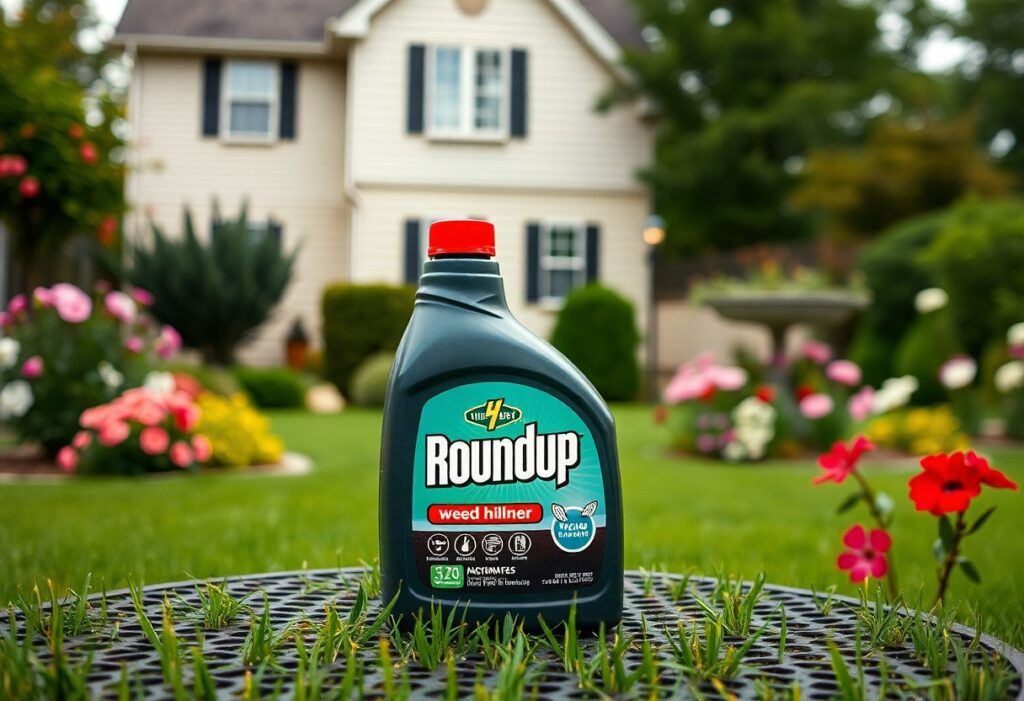
Over the years, the use of Roundup Controversy, a popular herbicide, has sparked significant debate regarding its safety and effectiveness. As a residential user, it’s imperative to understand the potential health risks associated with glyphosate, the active ingredient in Roundup, and to be aware of its legal implications. This post will provide you with the information needed to make informed choices about using Roundup in your home and garden, helping you navigate the complexities of this controversial product.
Key Takeaways:
- Roundup contains glyphosate, a widely used herbicide linked to health concerns.
- Multiple lawsuits claim Roundup causes cancer, notably non-Hodgkin lymphoma.
- Scientific studies have produced mixed results on the safety of glyphosate.
- The EPA continues to find glyphosate safe when used as directed.
- Users should consider alternative weed control methods to mitigate risks.
- Proper usage and protective measures can reduce potential exposure.
- Stay informed on local regulations and guidelines regarding herbicide usage.
Understanding Roundup
What is Roundup?
Roundup is a widely used herbicide, primarily designed to control unwanted weeds and grasses in various agricultural and residential settings. Its global popularity stems from its effectiveness and ease of use, making it a go-to solution for many gardening and farming tasks.
The Active Ingredient: Glyphosate
The active ingredient in Roundup is glyphosate, a systemic herbicide that targets specific enzymes important to plant growth. Glyphosate works by inhibiting a pathway involved in the synthesis of certain amino acids, ultimately leading to the plant’s death.
Glyphosate is absorbed through the leaves and translocated throughout the plant, effectively killing it even in parts not directly sprayed. This characteristic allows you to apply it selectively on weeds while minimizing harm to desired plants. Over time, glyphosate has generated controversy regarding its safety and environmental impact, especially with studies linking it to potential health issues.
Types of Roundup Products Available
Roundup offers a variety of formulations tailored to different applications and users. These include concentrated solutions, ready-to-use sprays, and specific mixes for garden or agricultural use.
| Product Type | Features |
|---|---|
| Roundup Ready-to-Use | Convenient, no mixing required |
| Roundup Concentrate | Cost-effective for larger areas |
| Roundup Extended Control | Long-lasting weed control |
| Roundup for Lawns | Designed for broadleaf weeds |
| Roundup Vegetation Management | Effective for industrial applications |
Each product serves different needs, ranging from residential gardening to professional landscaping. Ensure you choose the right one based on your specific requirements and consider the implications of glyphosate’s use in your area. The following types can help inform your decision:
- Ready-to-Use for immediate application.
- Concentrate for economical and larger scale use.
- Extended Control for prolonged efficacy.
- For Lawns tailored for grass areas.
- Vegetation Management for industrial purposes.


The Application of Roundup
Residential Use: Guidelines and Recommendations
When using Roundup in residential settings, be sure to follow the manufacturer’s guidelines for application. Apply it on a windless day to prevent drift, aiming for areas with high weed populations. It’s advised to avoid applying before rain is forecasted, as this can reduce effectiveness. Additionally, consider using a targeted approach—treating only specific areas rather than broad application—to minimize environmental impact.
Safety Precautions for Homeowners
To ensure safe application, always wear protective gear, including gloves and masks. Keep children and pets away during and after treatment until the product has dried. Store Roundup securely, out of reach to prevent accidental exposure.
Before application, assess your environment. Ensure proper ventilation if indoors, and check weather conditions to prevent exposure during spraying. Screening off the area where you apply Roundup can also help mitigate risk. Following these safety practices can minimize potential health risks associated with herbicide use, prioritizing both your safety and that of the surrounding community.
Best Practices for Effective Application
For optimal results when applying Roundup, thorough coverage of the target plants is imperative. Adjust your sprayer nozzle to deliver a fine mist, which improves absorption while reducing waste. Timing your application during active weed growth significantly enhances effectiveness.
Applying Roundup early in the morning or late in the evening, when temperatures are cooler, can help prevent evaporation and enhance penetration into plant tissues. Additionally, consider a second application for stubborn weeds, typically 14 days after the first, to ensure complete control and prevent regrowth. By adhering to these practices, you can achieve better results with fewer applications and lower environmental impact.
The Controversy Surrounding Glyphosate
Regulatory Assessments and Approvals
Numerous international regulatory bodies, including the Environmental Protection Agency (EPA) and the European Food Safety Authority (EFSA), have conducted extensive assessments of glyphosate. Based on these evaluations, both agencies concluded that glyphosate, when used according to label instructions, poses no significant risk to human health or the environment. However, these findings have faced scrutiny and calls for reevaluation, especially following the results of various long-term studies.
Scientific Studies and Research Findings
Scientific research on glyphosate has produced mixed results, with studies establishing both its effectiveness and potential health risks. Notably, the International Agency for Research on Cancer (IARC) classified glyphosate as “probably carcinogenic in humans,” sparking heated debates among scientists and policymakers regarding its safety and implications for those applying it.
In a 2015 assessment, the IARC cited evidence from animal studies showing potential carcinogenic effects, while other studies highlighted glyphosate’s low toxicity in humans. For instance, a meta-analysis involving over 20 epidemiological studies found no significant association between glyphosate exposure and major health risks, complicating the narrative around its safety. As a residential user, you should weigh these varying findings carefully and consider how they relate to your decisions regarding herbicide use.
Public Perception and Media Coverage
Public perception of glyphosate is heavily influenced by media coverage, which often emphasizes the potential dangers associated with its use. This has led to increased fears about glyphosate exposure, especially among consumers and advocacy groups. In turn, you may notice a growing number of homeowners seeking alternatives and questioning the chemical’s safety based on prominent news reports.
Media portrayals often focus on high-profile lawsuits against glyphosate manufacturers, leading to heightened public concern. For instance, cases where individuals attribute cancer diagnoses to glyphosate exposure have captured headlines, shaping a narrative of danger that resonates deeply with many. This media attention can foster a sense of urgency for you to investigate the safety and application of glyphosate in your own backyard, encouraging a shift towards more organic solutions.
Health Concerns Linked to Glyphosate
Potential Carcinogenic Risks
Glyphosate, the active ingredient in Roundup, has been classified by the International Agency for Research on Cancer (IARC) as a probable human carcinogen. This classification arose from studies suggesting a link between glyphosate exposure and increased incidences of certain cancers, particularly non-Hodgkin lymphoma. The ongoing debate regarding these risks underscores the importance of understanding the implications of glyphosate use in your environment.
Effects on Human Health: Case Studies
Several case studies illuminate the health risks associated with glyphosate exposure. Notably, a significant study revealed that individuals exposed to glyphosate had a 41% higher risk of developing non-Hodgkin lymphoma. Furthermore, workers in agriculture reported alarming rates of leukemia and other blood cancers correlated with long-term glyphosate exposure.
- Non-Hodgkin Lymphoma: A study found a 41% increased risk among glyphosate-exposed individuals.
- Leukemia Incidence: Agricultural workers reported higher rates of leukemia linked to glyphosate use.
- Veterans’ Health Study: Increased rates of various cancers observed among veterans exposed to glyphosate during service.
This data highlights the potential dangers glyphosate poses to those regularly exposed to it, especially in residential settings where you may use it for weed control. Understanding these findings is vital to making informed decisions about your herbicide use.
Vulnerable Populations: Children and Pets
Children and pets are particularly vulnerable to the impacts of glyphosate exposure due to their developing bodies and behaviors that may increase contact with treated areas. The risk to children extends to potential developmental and health issues, while pets may experience similar health risks from physical contact or ingestion of contaminated soil or plants.
The potential dangers are underscored by research showing that glyphosate residues can linger in lawns and gardens, posing additional risks to children playing outdoors and pets roaming freely. Taking preventative measures is imperative to minimize these risks in your home environment.
Environmental Impact of Roundup
Effects on Biodiversity
Using Roundup contributes to a decline in biodiversity, as it indiscriminately targets not just weeds but beneficial plants and organisms. You may notice fewer pollinators, such as bees, and a drop in other wildlife due to habitat destruction. This disruption can lead to a less balanced ecosystem, making your garden or local area less resilient to pests and diseases.
Impact on Soil Health and Microorganisms
Roundup can adversely affect soil health by disrupting important microorganisms. These tiny organisms play a vital role in nutrient cycling and soil structure. When you apply Roundup, you risk harming these beneficial microbes, leading to diminished soil fertility over time.
The impact on soil health from Roundup use is significant, with studies indicating a reduction in microbial diversity and population. This decline can impair the soil’s ability to decompose organic matter and retain nutrients, which in turn affects plant growth and yields. When soil health deteriorates, you may find that your plants struggle more with diseases and nutrient deficiencies, further exacerbating the problem.
Water Contamination Concerns
Roundup poses serious water contamination risks, as it can leach into groundwater and surface waters. You could be unintentionally contributing to the pollution of local streams and rivers, which affects aquatic life and can enter your water supply.
Contaminated water from Roundup usage has been documented in various regions, with concentrations often exceeding safety thresholds set by environmental agencies. This contamination not only endangers aquatic ecosystems—where fish and invertebrates suffer—but also raises concerns for human health, as glyphosate can remain in the water systems long after application. Reducing or eliminating your Roundup use can help protect your local waterways and the organisms that depend on them.
Legal Battles and Class Action Lawsuits
Overview of Major Lawsuits
In recent years, several high-profile lawsuits have emerged against the manufacturers of Roundup, primarily targeting the ingredient glyphosate. These include cases like the $2 billion verdict awarded to a couple in 2019, primarily based on claims linking glyphosate to non-Hodgkin lymphoma. Thousands of individual claims and class actions are ongoing, with plaintiffs asserting that they were not adequately warned about potential health risks associated with the product.
Settlements and Outcomes
Settlements have varied significantly, with some plaintiffs receiving sizable compensations while others face lengthy legal battles. In 2020, Bayer, the parent company of Roundup’s manufacturer, announced a $10.9 billion settlement to resolve approximately 125,000 claims, highlighting the widespread nature of the legal issues surrounding glyphosate.
However, settlement amounts are not uniform and can range from a few thousand to millions depending on the specifics of each case. While early settlements aimed to alleviate immediate legal pressures, many claimants are still pursuing cases due to potential future ramifications, including ongoing health concerns and the need for long-term medical monitoring, showcasing a mix of concern and determination among the affected individuals.
Implications for Future Users
The ongoing legal battles create significant implications for future users of Roundup. As more studies emerge linking glyphosate to severe health risks, consumers may face increased scrutiny and regulation regarding the use of this herbicide.
Importantly, the outcomes of these lawsuits may reshape how agricultural and residential users approach glyphosate-containing products. Increased public awareness and potential future regulations could lead you to seek alternative weed management solutions, prompting manufacturers to develop safer formulations or shift toward organic practices.
Alternatives to Roundup
Organic Herbicide Options
For those seeking safer alternatives, organic herbicides are a viable option. Products containing natural ingredients such as acetic acid or clove oil can effectively control weeds without synthetic chemicals. Brands like A fronter provide eco-friendly solutions readily available at garden centers, allowing you to maintain your landscape responsibly.
Non-Chemical Weed Control Methods
Implementing non-chemical weed control methods can significantly reduce the reliance on herbicides.
Common techniques include mulching, which suppresses weed growth by blocking sunlight, and hand-pulling weeds, particularly when they’re young. You can also utilize boiling water as a quick, effective means to kill weeds directly on contact. For larger areas, consider implementing landscaping fabric to prevent weeds from taking root, ensuring a healthier and chemical-free garden.
Integrated Pest Management Strategies
Incorporating Integrated Pest Management (IPM) strategies allows you to address weed issues holistically.
IPM involves monitoring your garden’s ecosystem to identify weed populations and recognizing the best times for intervention. This approach promotes the use of biological control methods, such as introducing beneficial insects or plants that naturally suppress weeds. By targeting the root causes of weed infestations, you not only minimize chemical use but also enhance the overall health of your garden.
Expert Opinions and Perspectives
Views from Agricultural Experts
Agricultural experts emphasize that glyphosate, the active ingredient in Roundup, plays a pivotal role in modern farming. They argue that it boosts crop yields efficiently and reduces the need for tillage, which helps in conserving soil health. Many studies, including those from the USDA, support its effectiveness in managing weeds without significantly harming other plants. However, experts also acknowledge the need for responsible usage and further research on potential long-term effects.
Insights from Environmental Activists
Environmental activists often express strong opposition to Roundup, highlighting its potential links to health issues and biodiversity loss. They argue that its widespread use contributes to glyphosate-resistant weeds, forcing farmers to apply more chemicals, thereby intensifying the ecological impact.
Many activists present compelling data, indicating increases in cancer incidence in areas with high glyphosate use. They cite studies from the World Health Organization asserting that glyphosate is “probably carcinogenic.” Activists advocate for organic alternatives and sustainable practices that minimize chemical dependence, pushing for transparency in agricultural practices and awareness of potential risks to your health and the environment.
Homeowner Testimonials and Experiences
Homeowners using Roundup often share mixed experiences. While some praise its effectiveness in eliminating stubborn weeds, others report health concerns after application, including skin irritations and respiratory issues.
Individuals have relayed stories of adverse effects, particularly after prolonged exposure without protective gear. Some have opted to seek organic alternatives after experiencing unexpected side effects, illustrating a shift towards more eco-friendly gardening practices. These testimonials shed light on the real-world implications of Roundup use, prompting you to consider both effectiveness and safety when choosing weed management solutions.

Product Labeling and Transparency
Understanding Product Labels
When examining herbicides like Roundup, understanding product labels is necessary. These labels provide critical information such as the active ingredients, usage instructions, and safety precautions. Familiarizing yourself with these elements enables you to make informed decisions about household pesticides. Look for specific terms like “glyphosate” or “non-target organisms” to assess potential risks to your family’s health and the environment.
Importance of Ingredient Disclosure
Ingredient disclosure on product labels is vital for transparency and safety. Knowing what chemicals you’re using allows you to evaluate potential risks, especially for sensitive groups like children and pets. The clearer the labeling, the better equipped you are to choose products that align with your values and safety standards.
Inadequate ingredient disclosure can lead to misguided usage and health threats. For example, certain adjuvants or surfactants used alongside glyphosate can enhance its toxicity. If these ingredients are not disclosed, you may unintentionally expose yourself and your family to harmful substances, undermining your health and safety objectives. Always seek out products with comprehensive ingredient lists to safeguard against unintentional exposure.
Consumer Rights and Manufacturer Responsibilities
As a consumer, you have the right to know what you are applying in your home and garden. Manufacturers are obligated to provide transparent information about their products’ ingredients and potential risks. Ensuring this information is clear and accessible allows you to make better choices that protect your health and environment.
Manufacturers must prioritize transparency in their labeling practices to build consumer trust. For instance, responsible companies provide detailed safety data sheets and engage in third-party testing to verify their claims. By holding producers accountable for clear ingredient lists and safety information, you empower yourself as a buyer and help cultivate a market focused on health and environmental safety.
Regulations and Guidelines
Current Regulations on Glyphosate Use
Currently, the use of glyphosate is regulated by the Environmental Protection Agency (EPA), which has established specific safety standards to evaluate its application in agriculture and residential areas. The EPA periodically conducts risk assessments and reviews glyphosate’s safety, publishing findings that guide its approved usage and application rates. You should always check recent revisions, as regulations may evolve with new scientific evidence.
State-Specific Legislation
Many states have enacted their own laws regarding glyphosate usage, reflecting local concerns about health and environmental impacts. For example, California requires that glyphosate products carry a warning label, while some municipalities have banned its use entirely. You should be aware that local legislation can significantly affect how glyphosate is used in your community.
States like New York and Vermont have implemented stricter regulations, ensuring that public health considerations take precedence over agricultural convenience. Certain areas have even chosen to restrict glyphosate in schools and parks to reduce exposure risks to children and pets. Awareness of these regulations is vital for making informed decisions about herbicide use on your property.
Recommendations from Health Organizations
Health organizations such as the World Health Organization (WHO) and the American Cancer Society recommend caution with glyphosate usage, especially in residential settings. They advise you to consider alternative weed management strategies and adhere to safety guidelines to minimize exposure.
These bodies underscore the importance of using personal protective equipment and following label instructions meticulously. They also encourage ongoing research and community outreach to inform the public about potential health risks associated with glyphosate exposure. Staying updated with these recommendations can aid you in protecting your family and environment effectively.
Future of Herbicide Use in Residential Settings
Emerging Trends in Chemical Usage
New formulations are being developed that aim to reduce environmental impact while maintaining efficacy against weeds. Companies are exploring biodegradable ingredients and targeted delivery systems to minimize exposure risks. These advancements can lead to safer residential applications, allowing you to manage weeds effectively without compromising safety.
Advances in Organic and Sustainable Practices
There’s a significant shift toward organic alternatives, which are becoming more mainstream in residential weed management. Many homeowners are gravitating towards natural herbicides that utilize plant-based ingredients, effectively reducing chemical exposure.
In addition to promoting safety, these organic solutions can foster healthier ecosystems in your garden. Innovative practices like integrated pest management (IPM) are gaining traction, enabling you to use cultivation techniques and natural predators to minimize weeds, thus reducing reliance on synthetic chemicals while enhancing biodiversity.
Potential Changes in Regulation and Public Policy
Anticipated changes in regulation could reshape how herbicides are used in residential settings in the coming years. Your local government may implement stricter guidelines on the sale and application of certain chemicals.
Increasing public concern over chemical safety is prompting policymakers to evaluate existing regulations. You may see potential bans, limits on certain ingredients, or requirements for warning labels and disclosure of risks on product packaging. Staying informed on these changes will be vital for making safe and compliant decisions regarding herbicide use in your home and garden.
Tips for Responsible Use of Roundup
- Assessing Your Need for Herbicides
- Using Roundup Responsibly
- Educating Others about Safe Practices
Assessing Your Need for Herbicides
Before applying herbicides like Roundup, evaluate the specific weeds or pests in your garden. Identify the problem species to ensure that herbicides are truly necessary, as some weeds can be managed with non-chemical methods such as mulching or manual removal. Always consider alternatives before resorting to chemical solutions.
Using Roundup Responsibly
To use Roundup responsibly, follow the manufacturer’s instructions and apply it during appropriate weather conditions. Avoid spraying on windy days to prevent drift and damage to nearby vegetation. Use personal protective equipment and ensure proper storage away from children and pets.
Mix the herbicide according to label specifications and apply only the necessary amount to target areas. Staying within the recommended limits minimizes environmental impact and potential harm to non-target organisms. Rotating herbicide use with non-chemical methods can also lessen resistance and promote a healthier ecosystem.
Educating Others about Safe Practices
Share information about the safe and responsible use of Roundup with neighbors and community members. Encourage discussions surrounding the potential risks and benefits of using herbicides. Advocate for sustainable gardening practices and alternatives where feasible.
Educating others can help foster a community that prioritizes safety and environmental health. Organizing workshops or informational sessions can facilitate the exchange of knowledge, emphasizing best practices in herbicide use. Recognizing the importance of informed usage promotes a healthier environment for everyone.
Myths and Misconceptions About Roundup
Common Myths Debunked
Many people believe that Roundup is a highly dangerous product, equating it to a toxic substance without recognizing its intended use. Other myths include the notion that Roundup is linked to all forms of cancer, or that it kills all plants indiscriminately. In reality, Roundup specifically targets glyphosate-susceptible plants, and regulatory bodies extensively assess safety before approval.
Understanding the Scientific Consensus
The overwhelming consensus within the scientific community is that when used correctly, Roundup poses minimal risk to human health and the environment. Studies conducted by organizations such as the Environmental Protection Agency (EPA) and the World Health Organization (WHO) have concluded that glyphosate, the active ingredient in Roundup, is not carcinogenic to humans when used as directed. This information supports the product’s safety for residential users.
Research indicates that over 800 studies have been published on glyphosate, with a majority supporting its safety under normal application conditions. The EPA has established guidelines for use that, if followed, mitigate health risks. It’s imperative to distinguish between the scientific consensus and sensationalized claims that may spread fear rather than factual information.
Clarifying Misinformation
Misinformation surrounding Roundup often stems from anecdotal evidence or misleading studies. These narratives can create confusion about the herbicide’s safety profile. For example, some studies may highlight isolated instances of health issues without providing context or comprehensive data that balances those findings.
Your understanding of Roundup should rely on peer-reviewed research and credible sources rather than anecdotal experiences or media sensationalism. Not all negative reports account for variables affecting health outcomes, and it’s important to evaluate the broader dataset to gauge Roundup’s safety accurately. Engaging with reliable scientific literature ensures you are well-informed about the product and any associated risks.
Conclusion
Following this, it’s imperative for you to stay informed about the Roundup controversy and its implications for residential use. Understanding the potential risks and legal issues surrounding glyphosate-based products can influence your decision-making. As you consider its usage in your home or garden, weigh the benefits against the documented concerns, ensuring your choices align with your health and safety standards. Keeping abreast of ongoing research and regulations will empower you to make informed decisions regarding effective and safe weed management.
FAQ
Q: What is the Roundup controversy about?
A: The Roundup controversy revolves around the safety of glyphosate, the active ingredient in Roundup herbicide. Numerous studies and legal cases have raised concerns about its potential link to cancer, leading to widespread public debate and regulatory scrutiny.
Q: What do residential users need to consider when using Roundup?
A: Residential users should consider the potential health risks associated with glyphosate exposure, follow all application guidelines carefully, and explore alternative herbicides or organic methods for weed control.
Q: Are there any legal actions related to Roundup?
A: Yes, there have been numerous lawsuits against Monsanto (now part of Bayer) claiming that Roundup caused non-Hodgkin lymphoma in users. These cases have resulted in significant settlements and ongoing litigation.
Q: How does glyphosate affect the environment?
A: Glyphosate can affect biodiversity by harming non-target plants and animals. Its widespread use may also contribute to the development of glyphosate-resistant weed species, leading to increased herbicide use.
Q: What precautions should I take while using Roundup?
A: Users should wear protective clothing, apply the herbicide in well-ventilated areas, avoid spraying on windy days, and follow label instructions for safe handling and storage.
Q: What are the signs of glyphosate exposure?
A: Signs of glyphosate exposure may include skin irritation, respiratory issues, or gastrointestinal symptoms. If any symptoms occur, it is advisable to seek medical attention promptly.
Q: What alternatives are available to Roundup for weed control?
A: Alternatives to Roundup include vinegar, salt, boiling water, or organic herbicides made from natural ingredients. Mulching and hand-pulling weeds are also effective eco-friendly methods.