


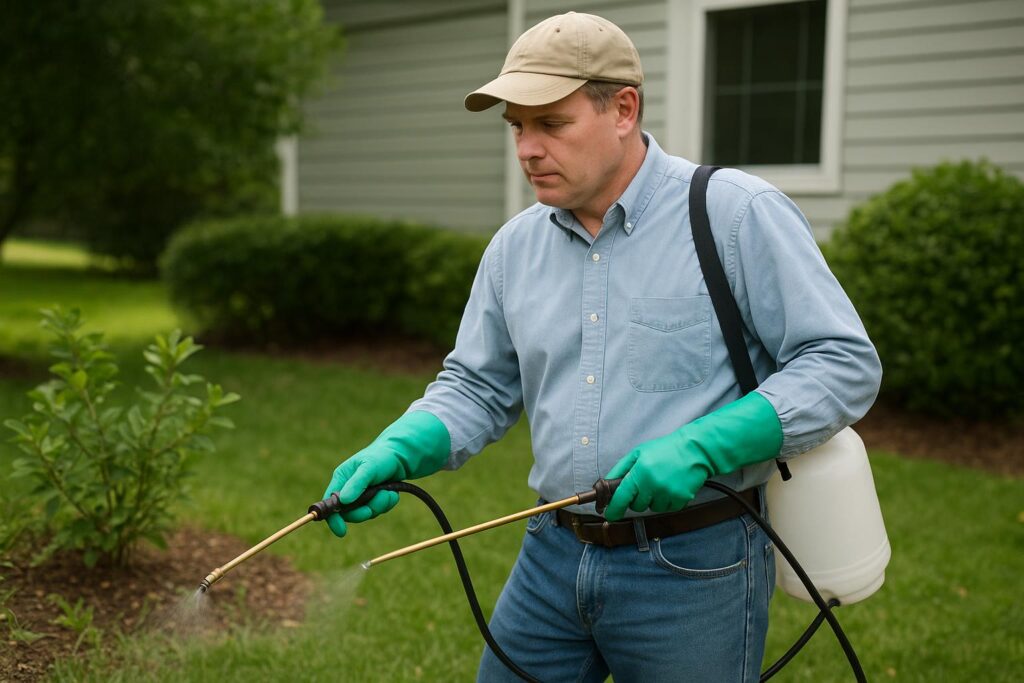
Thousands of agricultural workers, gardeners, and homeowners have filed claims alleging that exposure to Roundup weed killer caused non-Hodgkin lymphoma (NHL). Understanding Roundup lawsuit eligibility for non-Hodgkin lymphoma is critical if you or a loved one developed cancer after using glyphosate-based herbicides. This guide explains symptoms, evidence requirements, compensation factors, and filing deadlines to help you make informed decisions about your potential claim.
Understanding Roundup and Glyphosate Exposure
Roundup, manufactured by Monsanto (now owned by Bayer), contains glyphosate, a chemical classified by the International Agency for Research on Cancer (IARC) as “probably carcinogenic to humans.” Studies have linked glyphosate exposure to increased risk of non-Hodgkin lymphoma, particularly among individuals with long-term or occupational contact.
According to the National Cancer Institute, non-Hodgkin lymphoma affects the body’s lymphatic system and can develop in lymph nodes, spleen, or bone marrow. Those who regularly handled Roundup may have experienced repeated dermal or inhalation exposure, increasing their risk.
Common Signs of Glyphosate-Related Non-Hodgkin Lymphoma
Recognizing early signs of glyphosate-related non-Hodgkin lymphoma can be crucial for timely diagnosis and treatment. Symptoms may vary depending on the lymphoma subtype but often include:
- Swollen lymph nodes in the neck, armpits, or groin
- Unexplained weight loss
- Persistent fatigue or weakness
- Fever and night sweats
- Chest pain or shortness of breath
- Abdominal swelling or pain
Medical professionals may use imaging scans, blood tests, and biopsies to confirm a diagnosis. The Mayo Clinic notes that early detection can improve treatment outcomes, though prognosis depends on cancer stage and type.
Who Qualifies for a Roundup Settlement
Eligibility for a Roundup lawsuit depends on several factors. Plaintiffs must demonstrate a link between glyphosate exposure and their NHL diagnosis. Generally, you may qualify if you:
- Used or were exposed to Roundup for extended periods (occupational or residential)
- Were diagnosed with non-Hodgkin lymphoma or a related subtype
- Have medical documentation supporting your diagnosis
- Can show evidence of Roundup use or exposure history
Those who worked in agriculture, landscaping, groundskeeping, or gardening are among the most common claimants. Even homeowners who used Roundup regularly may be eligible to file a Roundup claim for NHL.
Evidence Needed for a Roundup Lawsuit
Strong evidence is essential to support your claim. Plaintiffs typically need to provide:
- Medical records confirming non-Hodgkin lymphoma diagnosis
- Proof of Roundup purchase or use (receipts, employment records, photos)
- Statements from coworkers or witnesses verifying exposure
- Documentation of medical expenses and lost wages
Attorneys often work with medical experts to establish causation between glyphosate exposure and cancer. The more comprehensive your documentation, the stronger your case may be.
How to Qualify for Roundup Cancer Settlement Compensation
Understanding how to qualify for Roundup cancer settlement involves meeting specific legal and medical criteria. Settlement eligibility generally depends on:
- Proof of glyphosate exposure
- Confirmed diagnosis of non-Hodgkin lymphoma
- Filing within the applicable statute of limitations
- Evidence linking exposure to your illness
Each case is unique, and compensation outcomes vary. Settlements may cover medical costs, lost income, and pain and suffering. However, no attorney can guarantee results, as outcomes depend on evidence strength and jurisdictional factors.
Roundup Non-Hodgkin Lymphoma Compensation Amounts
Reported Roundup non-Hodgkin lymphoma compensation amounts have varied widely. Some plaintiffs have received substantial verdicts, while others reached confidential settlements. Factors influencing compensation include:
- Severity and stage of cancer
- Extent of glyphosate exposure
- Medical expenses and ongoing treatment costs
- Impact on quality of life and ability to work
- Evidence strength and jurisdiction
While past verdicts provide insight, they do not predict future results. Each claim is evaluated individually based on its merits.
Statute of Limitations for Roundup Claims
The statute of limitations for Roundup claims varies by state, typically ranging from one to four years after diagnosis or discovery of the illness. Missing this deadline can permanently bar your right to compensation. Because timing is critical, potential claimants should act promptly to preserve their legal options.
To avoid missing important deadlines, you can check your Roundup lawsuit eligibility for non Hodgkin lymphoma now and learn whether your claim falls within the allowable timeframe.
Filing a Roundup Claim for Non-Hodgkin Lymphoma
To file a Roundup claim for NHL, claimants typically follow these steps:
- Consult with a qualified mass tort attorney
- Gather medical and exposure documentation
- Submit claim forms and supporting evidence
- Participate in discovery and settlement discussions
Attorneys may handle communication with the manufacturer and coordinate expert testimony. Many cases are consolidated into multidistrict litigation (MDL) to streamline proceedings.
CTA: Protect Your Rights Before Deadlines Close
If you or a loved one developed non-Hodgkin lymphoma after Roundup exposure, time may be limited to act. See if you are eligible for a Roundup claim before deadlines close and take the first step toward protecting your rights.
Medical Research and Glyphosate Cancer Links
Multiple studies have examined glyphosate’s potential carcinogenic effects. Research published in PubMed indicates a correlation between glyphosate exposure and increased risk of non-Hodgkin lymphoma. While regulatory agencies differ in their conclusions, ongoing litigation continues to explore these scientific findings.
The U.S. Environmental Protection Agency (EPA) maintains that glyphosate is not likely carcinogenic at typical exposure levels, but independent researchers and international health organizations have raised concerns about long-term exposure risks.
CTA: Start Your Free Eligibility Review
Don’t wait until it’s too late to act. Start your free Roundup lawsuit eligibility review for non Hodgkin lymphoma today and learn whether you may qualify for compensation related to glyphosate exposure.
Frequently Asked Questions About Roundup Lawsuits
What is the average Roundup settlement for non-Hodgkin lymphoma?
Settlement amounts vary widely depending on medical costs, exposure evidence, and jurisdiction. Some plaintiffs have received significant compensation, but each case is unique and evaluated individually.
How long do I have to file a Roundup claim?
The statute of limitations differs by state, typically one to four years from diagnosis or discovery. Consulting an attorney promptly helps ensure your claim is filed on time.
What evidence do I need to prove my Roundup case?
Essential evidence includes medical records confirming NHL, proof of Roundup use, and documentation of financial losses. Witness statements and expert opinions can strengthen your claim.
Can homeowners qualify for a Roundup lawsuit?
Yes. Homeowners who regularly used Roundup and later developed non-Hodgkin lymphoma may qualify if they can demonstrate consistent exposure and a verified diagnosis.
Does glyphosate cause other types of cancer?
Research primarily links glyphosate to non-Hodgkin lymphoma, though studies continue to explore potential associations with other cancers. Medical consultation is recommended for any health concerns.
Is there a deadline to join the Roundup settlement?
Yes. Each state enforces its own filing deadlines. Missing the statute of limitations may prevent you from pursuing compensation, so timely action is essential.
Can I still file if I no longer have proof of Roundup purchase?
Yes, alternative evidence such as employment records, witness statements, or photos can help establish exposure history even without receipts.