


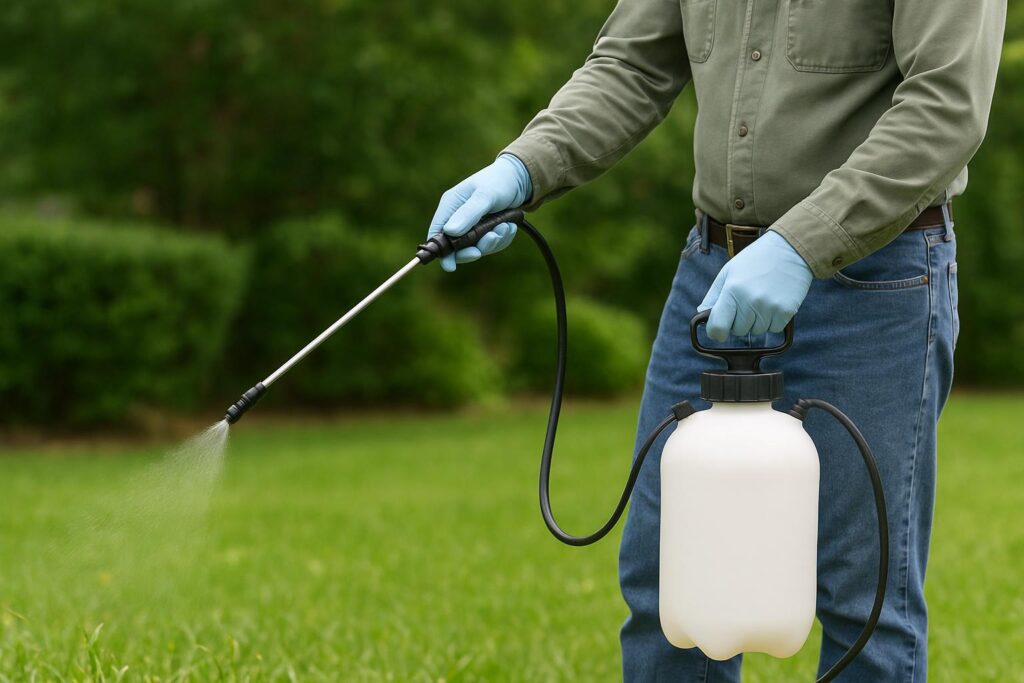
Thousands of individuals across the United States have filed claims seeking compensation for illnesses allegedly linked to Roundup weed killer. Understanding the Roundup lawsuit settlement amount and the process to file a claim can help victims and families make informed legal decisions. This guide explores symptoms of exposure, eligibility requirements, compensation factors, and the steps to file a Roundup cancer claim before deadlines expire.
Understanding the Roundup Lawsuit Settlement Amount
The Roundup litigation centers on claims that exposure to glyphosate, the active ingredient in Roundup, may cause non-Hodgkin lymphoma and other cancers. Settlement amounts vary widely depending on the severity of illness, medical costs, and evidence linking exposure to diagnosis. While no two cases are identical, settlements have ranged from tens of thousands to several million dollars in some instances.
Each Roundup lawsuit settlement amount is determined by individual case factors, including medical documentation, duration of exposure, and the strength of scientific evidence presented. Plaintiffs must demonstrate that Roundup exposure was a substantial factor contributing to their cancer diagnosis.
Symptoms of Roundup Exposure and Related Health Risks
Recognizing the symptoms of Roundup exposure is critical for early diagnosis and potential compensation eligibility. Glyphosate exposure can occur through skin contact, inhalation, or ingestion, particularly among agricultural workers, landscapers, and homeowners using the product frequently.
- Persistent fatigue or weakness
- Swollen lymph nodes
- Unexplained weight loss
- Fever or night sweats
- Abdominal or chest pain
- Frequent infections or immune system suppression
According to the Centers for Disease Control and Prevention (CDC), prolonged exposure to herbicides containing glyphosate may increase the risk of certain cancers, including non-Hodgkin lymphoma. Individuals experiencing these symptoms should seek medical evaluation and document their exposure history.
Who Qualifies for Roundup Settlement Eligibility
To determine Roundup settlement eligibility requirements, claimants must show a connection between their exposure and subsequent cancer diagnosis. Eligibility typically depends on several key factors:
- Documented use or exposure to Roundup products
- Diagnosis of non-Hodgkin lymphoma or related cancers
- Medical records linking glyphosate exposure to illness
- Proof of product purchase or occupational exposure
- Filing within the legal statute of limitations
Those who meet these criteria may qualify to file a Roundup cancer claim and pursue compensation for medical bills, lost income, and pain and suffering. Legal teams often review medical and employment records to confirm exposure patterns and strengthen claims.
How to File a Roundup Claim
Understanding how to file a Roundup claim is essential for protecting your right to compensation. The process generally includes several steps:
- Initial Consultation: Contact a legal intake center or attorney experienced in mass tort claims to review your case details.
- Evidence Collection: Gather medical records, employment history, and proof of Roundup use or exposure.
- Case Evaluation: Legal professionals assess your eligibility and potential claim value based on exposure and diagnosis.
- Filing the Claim: Your attorney submits the claim within the required timeframe to ensure compliance with legal deadlines.
- Negotiation or Litigation: Depending on the case, your claim may be resolved through settlement negotiations or proceed to trial.
Each case timeline varies, but acting promptly is crucial. Missing the timeframe to file Roundup claim could result in losing the right to compensation.
Factors That Influence Glyphosate Cancer Settlement Payouts
The glyphosate cancer settlement payout depends on multiple factors. Courts and settlement administrators consider the following when determining compensation:
- Severity and stage of non-Hodgkin lymphoma
- Extent of medical treatment and ongoing care
- Loss of income or earning capacity
- Emotional distress and quality of life impact
- Strength of evidence linking Roundup exposure to illness
- Duration and frequency of glyphosate exposure
According to PubMed research, glyphosate exposure has been associated with increased cancer risk in agricultural workers. This scientific evidence often plays a critical role in determining settlement outcomes.
Expected Compensation for Glyphosate-Related Lymphoma
While no specific amount can be guaranteed, the expected compensation for glyphosate-related lymphoma may include reimbursement for medical expenses, lost wages, and non-economic damages. Settlement values are influenced by the plaintiff’s age, health condition, and the strength of causation evidence.
Some plaintiffs have received significant compensation through global settlements, while others continue to pursue individual claims. The total Roundup lawsuit settlement amount continues to evolve as new cases are resolved and additional evidence emerges.
Legal Deadlines and Timeframe to File Roundup Claim
The timeframe to file Roundup claim varies by state, typically ranging from one to four years after diagnosis or discovery of illness. Missing this deadline can permanently bar recovery. It is essential to consult a legal professional as soon as possible to preserve your rights.
Because statutes of limitations differ, individuals should not delay seeking a case review. Early action ensures that evidence, medical records, and witness statements remain available for claim verification.
CTA: Check Your Eligibility for a Roundup Settlement
If you or a loved one has been diagnosed with non-Hodgkin lymphoma after Roundup exposure, you may be entitled to compensation. Check your eligibility for a Roundup settlement and start your free claim review now. Time limits apply, and acting quickly can help secure your legal rights.
Evidence Needed to Support a Roundup Cancer Claim
Strong documentation is vital when pursuing a Roundup claim. Evidence may include:
- Medical records confirming cancer diagnosis
- Employment or purchase records showing Roundup use
- Witness statements verifying exposure
- Expert medical opinions linking glyphosate to illness
- Receipts or photographs of Roundup products used
Comprehensive evidence strengthens your case and may increase potential compensation. Legal teams often collaborate with medical experts to establish causation and validate exposure history.
CTA: Act Fast to See If You Qualify for a Roundup Lawsuit Payout
Don’t wait until it’s too late to take action. Act fast to see if you qualify for a Roundup lawsuit payout before the deadline passes. A free case review can help determine your eligibility and potential settlement options.
Frequently Asked Questions About Roundup Lawsuits
What is the average Roundup lawsuit settlement amount?
Settlement amounts vary widely depending on medical costs, exposure evidence, and illness severity. Some claimants have received payouts ranging from tens of thousands to several million dollars, depending on case strength and negotiation outcomes.
How do I know if I qualify to file a Roundup cancer claim?
You may qualify if you were exposed to Roundup and later diagnosed with non-Hodgkin lymphoma or a related cancer. Eligibility depends on documented exposure, medical diagnosis, and filing within the statute of limitations.
What are the symptoms of Roundup exposure I should watch for?
Common symptoms include fatigue, swollen lymph nodes, fever, night sweats, and unexplained weight loss. Anyone experiencing these symptoms after glyphosate exposure should seek medical evaluation immediately.
How long do I have to file a Roundup claim?
The timeframe to file varies by state, typically between one and four years from diagnosis. Missing this deadline may prevent you from recovering compensation.
What evidence do I need to support my Roundup claim?
Evidence includes medical records, proof of Roundup use, employment history, and expert medical opinions linking your illness to glyphosate exposure.
Can I still file a claim if I used Roundup years ago?
Yes, you may still qualify if your diagnosis occurred within your state’s legal timeframe. It’s important to consult a legal professional to confirm eligibility based on your exposure history.
Where can I get a free Roundup claim review?
You can submit your Roundup claim now and discover how much compensation you may be owed. A free review helps determine your eligibility and next legal steps.