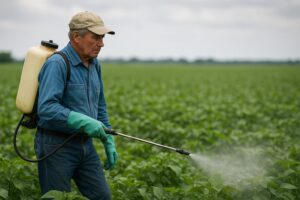
Most individuals facing litigation related to glyphosate exposure may not realize the importance of specialized legal representation. By enlisting the expertise of agricultural attorneys, you can gain access to an in-depth understanding of both agricultural practices and the legal implications surrounding Roundup use. This blog post explores how agricultural attorneys can leverage their forensic knowledge to strengthen your case, navigate complex scientific evidence, and advocate effectively for your rights in Roundup lawsuits.
Key Takeaways:
- Agricultural attorneys often have specialized knowledge of farming practices and regulations relevant to Roundup lawsuits.
- Expertise in toxicology and pesticide regulations enhances their ability to analyze and present evidence.
- Understanding the agricultural community allows for effective communication with clients and stakeholders.
- Experience in handling similar cases provides insights into legal strategies and potential outcomes.
- Networking within the agricultural sector can aid in gathering expert testimonies and supporting evidence.
- Familiarity with Roundup’s chemical composition and health impact is key to building strong cases.
- Attorneys equipped with forensic skills can better dissect complex scientific data to strengthen claims.
Background on Roundup and Glyphosate
History of Glyphosate Use in Agriculture
Glyphosate, introduced in the 1970s, became a staple herbicide in agriculture due to its effectiveness in controlling weeds. Initially marketed as Roundup by Monsanto, it gained popularity for its ability to target specific plant enzymes without harming crops. By the 1990s, glyphosate-resistant genetically modified organisms (GMOs) transformed farming practices, making glyphosate an vital tool for farmers globally.
Health Concerns and Controversies Surrounding Roundup
Health controversies around Roundup emerged prominently in the 2000s, raising concerns about its potential link to cancers, particularly non-Hodgkin lymphoma. Studies suggested that prolonged exposure to glyphosate may contribute to serious health issues, prompting regulatory scrutiny and intense public debates regarding its safety.
In 2015, the World Health Organization’s International Agency for Research on Cancer classified glyphosate as “probably carcinogenic in humans,” igniting lawsuits and public outcry. Subsequent studies presented mixed results, fueling ongoing disputes in scientific communities and among farmers regarding the herbicide’s risks versus its agricultural benefits. You face these complexities if you’re navigating litigation connected to glyphosate exposure.
Legal Implications: An Overview of Roundup Lawsuits
Legal challenges related to Roundup often involve claims of negligence and strict liability, alleging that Monsanto failed to adequately warn consumers about the risks associated with glyphosate use. Thousands of lawsuits have been filed, with verdicts reaching billions in damages, raising the stakes for both businesses and individuals affected by this contentious herbicide.
The landscape of Roundup lawsuits continues to evolve, with recent settlements indicating a trend toward financial compensation for affected users. Courts have ruled against Monsanto in several high-profile cases, emphasizing the need for thorough evidence regarding glyphosate’s dangers. You might consider how these legal precedents can influence your own situation if you’re pursuing claims linked to glyphosate exposure.
The Role of Agricultural Attorneys
Understanding Agricultural Law
Agricultural law encompasses a range of legal issues affecting farming and agribusiness. This includes regulations on land use, environmental compliance, crop insurance, and liability associated with pesticide use. Your agricultural attorney navigates these complex statutes and precedents, ensuring your operations adhere to relevant laws while protecting your rights as a farmer or agricultural professional.
The Unique Skill Set of Agricultural Attorneys
Specialized knowledge in agricultural law sets agricultural attorneys apart from general practitioners. They possess an in-depth understanding of the agricultural sector, from crop production to animal husbandry, allowing them to address legal challenges effectively. Their familiarity with industry regulations empowers them to provide nuanced, tailored legal strategies for their clients.
These attorneys often have hands-on experience with farming practices, giving them practical insights into issues such as disputes over land use, compliance with environmental regulations, and contract negotiations with suppliers or distributors. Their expertise extends beyond traditional legal training, incorporating agricultural economics and technology trends that are becoming increasingly relevant in litigation concerning products like glyphosate.
How Agricultural Attorneys Differ from General Practitioners
Unlike general practitioners, agricultural attorneys focus exclusively on the legal issues pertinent to agriculture and agribusiness. This specialization equips them with a unique perspective and nuanced understanding of the risks and regulations affecting the agricultural industry. They are adept at navigating the intersection of legal frameworks and agricultural practices, ensuring that their clients receive informed legal counsel.
While general practitioners may handle diverse cases, agricultural attorneys research deep into specific agricultural laws and precedents, allowing them to craft more effective strategies in complex situations like Roundup lawsuits. Their specialized focus on farming practices and industry standards ensures that you receive comprehensive support tailored to the agriculture sector’s distinct challenges and nuances.
The Forensic Edge in Legal Proceedings
The Importance of Forensic Evidence in Agricultural Cases
Forensic evidence plays a pivotal role in agricultural litigation, particularly in cases involving herbicides like Roundup. You must understand that such evidence can solidify connections between chemical exposure and health impacts, aiding in proving negligence. It provides the scientific backing necessary for your claims and helps establish the credibility of your case in court.
Types of Forensic Evidence Relevant to Roundup Lawsuits
In Roundup lawsuits, various forms of forensic evidence can substantiate claims. This includes scientific studies linking glyphosate to cancer, exposure records, and toxicological assessments. These elements offer compelling narratives about the dangers associated with herbicides and can significantly influence court outcomes. Knowing the types of evidence is crucial for a strong legal strategy.
| Type of Evidence | Description |
| Scientific Studies | Research linking glyphosate to various health issues. |
| Exposure Records | Documentation of herbicide use on specific farms or locations. |
| Toxicological Assessments | Analyses indicating health impacts from glyphosate exposure. |
| Expert Testimonies | Statements from professionals in toxicology and agronomy. |
| Environmental Assessments | Results indicating contamination levels in soil and water. |
Understanding the specific types of forensic evidence relevant to Roundup lawsuits enhances your strategic approach. Scientific studies often include meta-analyses demonstrating risk correlations, while exposure records may reflect usage patterns over time. Toxicological assessments reveal potential harm caused by herbicides, informing your narrative. Expert testimonies can provide authoritative viewpoints, and environmental assessments may highlight the broader impacts on local ecosystems. Knowing these consists of different elements that strengthen your legal case.
- Scientific Study Example: A 2019 meta-analysis found a 41% increase in non-Hodgkin lymphoma risk among glyphosate users.
- Exposure Record: A farmer documented herbicide application on 300 acres over 10 years.
- Toxicology Report: Indicated glyphosate’s potential oncogenic effects.
- Expert Testimony: Dr. Smith, a toxicologist, linked glyphosate to increased cancer rates in agricultural workers.
- Environmental Data: Soil samples showed glyphosate concentrations exceeding safe levels.
Recent Case Studies Highlighting Forensic Applications
Recent case studies demonstrate the tangible impact of forensic evidence in Roundup lawsuits. Various instances have underscored how scientific backing can sway jury decisions, establishing a precedent for future cases.

- Case Study 1: A farmer won $2 million after scientists confirmed glyphosate exposure led to his cancer diagnosis.
- Case Study 2: A class-action suit resulted in $289 million settlement linked to Roundup use among landscape workers.
- Case Study 3: The jury found Roundup responsible for a school district’s health issues, leading to a $30 million award.
- Case Study 4: A toxicology report in a personal injury case influenced the jury’s $5 million verdict against Monsanto.
- Case Study 5: Environmental assessments contributed to a $10 million settlement for contamination damages claimed by local residents.
These studies illustrate the effectiveness of forensic evidence in Roundup lawsuits, showing how results from previous cases can guide current litigation. The substantial awards exemplify the financial and social impact that legal victories can achieve for agricultural workers and communities. Knowing the relationship between forensic evidence and case outcomes can bolster your confidence in pursuing justice.
The Intersection of Agriculture and Law
Farming Practices and Their Legal Ramifications
Your farming practices impact not only productivity but also potential legal consequences. The choice of pesticides, herbicides, and farming techniques can expose you to lawsuits if they contravene agricultural regulations or harm neighbors. Understanding these practices is vital for mitigating risk and ensuring compliance with agricultural law.
Environmental Regulations and Compliance Issues
Environmental regulations dictate how you manage agricultural inputs to minimize ecological damage. Non-compliance can lead to significant fines and liability concerns, particularly with Roundup litigation, where alleged environmental harm intersects with agricultural operations.
Many farms face increasing scrutiny under federal and state environmental regulations designed to protect natural resources. These laws often necessitate specific practices—such as buffer zones around water bodies, optimal fertilizer usage, and the proper application of pesticides—to limit agricultural runoff, which can negatively affect water quality. As lawsuits proliferate surrounding glyphosate use, understanding your obligations under environmental law becomes critical in avoiding penalties and safeguarding your operations.
Liability in Agricultural Production
Your liability as a producer extends beyond product quality to encompass the safety of the agricultural chemicals you use. Any negligence in applying or selecting these chemicals can lead to legal action, particularly in light of the growing awareness of health issues related to herbicides like Roundup.

Assessing Evidence in Roundup Cases
Scientific Research and Expert Witnesses
In Roundup litigation, leveraging scientific research is paramount. Engaging expert witnesses who can credibly interpret data and testify to the carcinogenic properties of glyphosate strengthens your case. These experts may include toxicologists and epidemiologists, whose testimony can bridge the gap between complex scientific findings and jury understanding, enhancing your position in court.
Documenting Agricultural Practices and Exposure
Meticulous documentation of agricultural practices helps establish a clear link between herbicide use and health outcomes. You should collect records of glyphosate application, including dates, methods, and environmental conditions to substantiate claims of exposure. This evidence bolsters your argument, demonstrating a pattern of use directly correlating to health issues.
Gathering precise records involves maintaining detailed logs of when and how herbicides were applied on your land. Keep safety data sheets and product labels, as they indicate the chemicals’ attributes and application rates. Additionally, aerial photographs or maps showcasing treated areas can visually reinforce your exposure claims, serving as powerful evidence during litigation.
Evaluating the Impact of Genetic Modification on Legal Cases
Genetically modified organisms (GMOs) play a critical role in modern agriculture, influencing Roundup cases significantly. Understanding how GMOs interact with glyphosate can inform your legal strategy, especially concerning claims about agricultural practices and crop yields affected by herbicide use.
The intersection of GMOs and glyphosate presents a unique challenge in cases against manufacturers. For example, specific genetically engineered crops are designed to be herbicide-resistant, leading to higher usage rates of glyphosate. A thorough analysis of these agricultural innovations can reveal important patterns of exposure and resistance in your case, potentially influencing trial outcomes and settlement negotiations. This contextual understanding of GMOs is important in demonstrating how they exacerbate exposure risks in agricultural environments.
Attorney-Client Relationship in Agricultural Law
Communication Strategies for Effective Representation
Effective communication enhances your representation in agricultural law. Regular updates about case developments and transparent discussions regarding strategies can help align expectations. Utilizing straightforward language and avoiding legal jargon fosters better understanding, ensuring you remain informed and engaged throughout the legal process.
Understanding Client Needs in Agricultural Contexts
Your specific agricultural background shapes your legal challenges. Each farming operation has unique circumstances – from crop types to market dynamics – influencing the legal strategies employed. This understanding fosters tailored solutions that better address the complexities of your situation.
In agricultural law, comprehending your needs transcends basic legal advice. You may face issues such as land disputes, regulatory compliance, or liability related to agricultural products. An attorney who actively listens to your concerns and evaluates your operational specifics can offer customized strategies that strengthen your case while addressing the business realities of your farming practices.
Building Trust: Navigating Complex Client Cases
Establishing trust is vital in handling intricate agricultural cases. You need an attorney who demonstrates commitment by thoroughly investigating details and remaining accessible for ongoing conversations. Building this rapport enhances collaboration, allowing for a more strategic approach to your legal challenges.
Trust stems from transparency and reliability. When you feel confident that your attorney sincerely understands the emotional and financial stakes of your case, it fosters a stronger partnership. Regular consultations, along with proactive risk assessments, empower you to make informed decisions, which is especially pertinent in the unpredictable agricultural landscape where market fluctuations can impact legal outcomes significantly.
The Litigation Process in Roundup Lawsuits
Initial Consultation and Case Evaluation
Your journey begins with an initial consultation, where you discuss the circumstances surrounding your claim. During this meeting, the attorney evaluates your case based on the evidence you provide, including medical records and exposure history. This assessment helps the attorney determine the viability of your claim and what steps to take next.
Discovery Phase and Evidence Gathering
The discovery phase involves an in-depth investigation to gather pertinent evidence supporting your case. Lawyers will request documents, interview witnesses, and retain expert testimony to establish connections between Roundup exposure and any health issues you’ve experienced.
During discovery, attorneys collect a wide range of evidence, such as corporate records from Bayer, internal studies on glyphosate, and expert analyses from medical professionals specializing in pesticide exposure. This process may include depositions of key players in the agricultural sector and experts who understand the nuanced impacts of Roundup. The accumulation of substantial evidence is critical, as it bolsters the strength of your arguments and prepares your case for mediation or trial.
Mediation vs. Trial: Choosing the Right Path Forward
Mediation offers a more collaborative approach, allowing both parties to negotiate a mutually acceptable resolution with the help of a neutral third party. However, if negotiations break down or the offered settlement is unsatisfactory, proceeding to trial becomes important. Trials can produce higher compensation amounts if successful but come with greater risks and uncertainties. Your attorney will guide you through these options based on the specific details of your situation, ensuring that you make an informed choice that aligns with your goals.
Case Outcomes and Precedent
Analysis of Landmark Roundup Lawsuits
Significant cases, such as Johnson v. Monsanto, have set the stage for understanding jury perceptions about glyphosate’s risks. In this case, a $289 million verdict highlighted the impact of emotional testimonies alongside scientific data, demonstrating the jury’s inclination to side with plaintiffs facing serious health threats from pesticide exposure. These landmark rulings influence how you may approach your own case strategy.
Settlement Trends and Implications for Future Cases
Recent trends show a shift toward settlements, with many claims resolved outside court. This approach allows defendants to avoid public scrutiny and lengthy trials. Settlements can provide quicker compensation but raise questions about accountability and long-term protection for farmers. They also influence jury perceptions in future cases.
You may find that as more Roundup lawsuits are settled out of court, the landscape is changing. The average settlement amounts are growing, reflecting increasing public awareness of the risks posed by glyphosate. With corporations seeking to minimize reputational damage and costs associated with lengthy trials, your case could benefit from these evolving financial dynamics and increased leverage when negotiating settlements in similar lawsuits.
Precedent Setting Cases: What Farmers Should Know
Understanding precedent-setting cases can empower you in negotiations and litigation. The legal principles established in earlier lawsuits significantly impact the strategies and potential outcomes of future claims related to glyphosate exposure. This knowledge equips you to navigate the legal landscape with greater confidence.
Familiarizing yourself with these precedents is key; they create benchmarks for both damages awarded and defensive strategies employed by manufacturers. Notably, outcomes from cases like Hardeman v. Monsanto not only illustrate the legal arguments that resonate with juries but also help shape the expectations for future litigation. By staying informed about these trends, you position yourself to utilize both historical context and current data effectively in your legal approach.
Challenges Faced by Agricultural Attorneys
Staying Updated with Constantly Evolving Science and Law
Your ability to effectively advocate for clients hinges on a thorough understanding of rapidly changing scientific data and legislative developments. Keeping pace with the latest studies on glyphosate’s effects and emerging legal precedents is necessary. Regular participation in seminars, workshops, and reviewing peer-reviewed journals can help you stay informed and adequately prepare for litigation.
The Role of Public Perception and Media Influence
Public sentiment towards agricultural practices and products can significantly sway legal outcomes. Negative media portrayals of glyphosate use often generate public fear and influence jury decisions. Understanding how these perceptions evolve empowers you to strategically frame your client’s case, bridging the gap between scientific evidence and public opinion.
Media influence extends beyond general public perception; sensational headlines often shape the narrative around Roundup lawsuits, potentially skewing the facts. Engaging with the media, when appropriate, can help humanize your clients and counter misinformation. Strategies such as sharing factual success stories and expert insights can reinforce the legal position and mitigate public panic, ultimately leading to more balanced adjudications.
Navigating Conflicts of Interest in Agricultural Law
In agricultural law, these conflicts may arise from relationships with clients who are also closely tied to pesticide manufacturers or agricultural organizations. Your responsibility includes ensuring full transparency and managing any situations where personal interests may cloud judgment. This can involve establishing clear communication channels with clients and continuously reviewing ethical obligations, fostering trust and loyalty while also adhering to legal standards.
The Future of Roundup Litigation
Emerging Trends in Legal Strategies
Shifts in courtroom tactics are increasingly evident, as attorneys leverage scientific studies and expert testimonies more effectively. You might observe a rise in class-action lawsuits, where collective damages are pursued, and a greater emphasis on punitive damages to deter manufacturers. These strategies aim to maximize the impact of claims and streamline the legal process for affected parties.
Changes in Regulations Impacting Agricultural Practices
Regulatory shifts are reshaping how agricultural practices are conducted, with stricter guidelines on pesticide usage and safety protocols gaining momentum. As government bodies recognize the health risks associated with glyphosate, your farming operations may face new compliance requirements that could influence liability in Roundup cases.
Local and national agencies have begun enacting legislation that limits or prohibits the use of glyphosate in certain contexts. These changes foster a heightened responsibility among agricultural operators to ensure compliance, thereby potentially minimizing exposure to lawsuits. You’ll need to stay vigilant about evolving regulations to safeguard your practices and avoid liability arising from pesticide application, especially in jurisdictions where glyphosate is under scrutiny.
Innovations in Forensic Science Relevant to Agriculture
Forensic advancements are enhancing the ability to connect pesticide exposure to health issues. Techniques such as biomonitoring and advanced soil analysis allow you to provide stronger evidence of Roundup’s impact in litigation, making it crucial to consider these scientific developments as you navigate potential lawsuits.
Recent innovations, such as DNA analysis and metabolomics, facilitate a deeper understanding of how glyphosate interacts with human biology and crops. These methodologies enable you to uncover trace amounts of glyphosate in crops or blood samples, potentially linking agricultural practices directly to health outcomes. By utilizing these sophisticated tools, you can strengthen your case and better defend against allegations, making a significant difference in potential litigation outcomes.
Resources for Agricultural Attorneys
Networks and Associations for Legal Professionals
Engaging with professional networks and associations enhances your connections and knowledge in agricultural law. Organizations like the American Agricultural Law Association provide valuable resources, ongoing dialogues, and opportunities for collaboration with fellow legal professionals focused on agriculture-related issues.
Continuing Education and Specialized Training Options
Continuing education offers vital updates on legal practices and scientific advancements relevant to agriculture. Access to workshops, webinars, and seminars enables you to hone your skills and stay informed on best practices and emerging legal trends intricately linked to agricultural litigation.
Specialized training options such as the National Institute for Trial Advocacy (NITA) programs or online courses from your state’s bar association empower you to deepen your mastery of specific topics. Participating in these programs equips you with strategies and insights that can enhance your litigation capabilities, particularly in complex cases related to pesticide exposure and Roundup lawsuits.
Accessing Scientific Research and Legal Publications
Access to scientific research and legal publications is vital for substantiating your arguments and staying current on developments in the field. Resources like the Journal of Agricultural and Resource Economics and professional legal databases provide crucial insights that can fortify your advocacy in Roundup litigation.
Utilizing platforms such as JSTOR or PubMed enables you to explore peer-reviewed studies and legal analyses that inform your strategies. Staying informed on the latest research findings related to glyphosate and its health impacts diversifies your argumentation toolkit, creating opportunities to engage with expert testimonies and enhancing your credibility in the courtroom.
Collaborations and Interdisciplinary Approaches
Working with Scientists and Medical Experts
Partnering with scientists and medical professionals allows you to pull from their specialized knowledge to strengthen your case. These experts provide critical insights into the health impacts of Roundup exposure, helping to establish a clear link between the product and the diseases alleged by clients. By integrating scientific testimony with legal arguments, you elevate the credibility of your case in court.
The Role of Environmental Law in Agricultural Litigation
Environmental law plays a significant role in agricultural litigation, particularly regarding pesticide usage and safety regulations. Attorneys skilled in this area can navigate the complex interplay between agricultural practices and environmental protections, enabling you to build a robust legal framework around your case. Understanding these regulations can lead to more effective litigation strategies.
Environmental law includes statutes like the Federal Insecticide, Fungicide, and Rodenticide Act (FIFRA), which sets the guidelines for pesticide labeling and usage. Violations of these laws may serve as a foundation for your lawsuit, as evidenced in several cases where non-compliance with safety regulations resulted in significant settlements. By emphasizing environmental legal standards, you can enhance your arguments against manufacturers of harmful agricultural chemicals.
Fostering Relationships with Farmers and Agricultural Institutions
Building trust with farmers and agricultural institutions helps create a network that you can rely on for information and support during litigation. These relationships allow you to gain firsthand accounts of Roundup usage, its effects, and overall community concerns, enhancing your understanding of the real-world implications for your clients.
Establishing strong ties within the agricultural community can yield valuable testimonies and evidence for your cases. Engaging with local agricultural cooperatives or extension services not only opens doors to potential case referrals but also provides access to data and resources that underscore the risks associated with Roundup. These collaborative efforts can significantly amplify the impact of your legal strategies.
Summing up
From above, it is clear that agricultural attorneys can indeed provide you with a distinct advantage in Roundup lawsuits. Their specialized knowledge of both agricultural practices and legal intricacies equips them to effectively navigate the complexities of these cases. By leveraging their forensic skills, you can strengthen your position and enhance your chances of a favorable outcome in your legal battle against glyphosate-related claims.
FAQ
Q: What role do agricultural attorneys play in Roundup lawsuits?
A: Agricultural attorneys specialize in legal issues related to farming and agriculture, and they provide valuable expertise in Roundup lawsuits by understanding industry standards, pesticide regulations, and potential liabilities associated with herbicide use.
Q: How can agricultural attorneys utilize forensic evidence in Roundup cases?
A: They can analyze scientific studies, expert testimonies, and product labeling to establish connections between Roundup exposure and health issues, using their forensic skills to gather and interpret evidence effectively.
Q: What specific knowledge do agricultural attorneys have regarding pesticides?
A: Agricultural attorneys are familiar with federal and state pesticide regulations, safety standards, and compliance issues, allowing them to assess how these factors impact lawsuits involving Roundup.
Q: Are agricultural attorneys more effective in representing farmers versus consumers?
A: They can effectively represent both parties by understanding the agricultural context in which Roundup is used and recognizing the health implications for consumers and workers alike.
Q: How do agricultural attorneys build a case in Roundup lawsuits?
A: They gather evidence such as product usage records, medical histories, and expert analyses to build a comprehensive case that demonstrates the link between Roundup and claimed health effects.
Q: What benefits do agricultural attorneys offer in terms of negotiation with corporations?
A: Their knowledge of the agricultural sector allows them to negotiate effectively with corporations, leveraging their understanding of industry practices and regulations to achieve favorable settlements.
Q: Can agricultural attorneys help with long-term effects of Roundup exposure?
A: Yes, they can assist clients in navigating claims related to chronic health issues, utilizing their expertise to interpret medical evidence and advocate for appropriate compensation.