This guide aims to help you identify the hidden signs of video game addiction before they escalate. As gaming becomes increasingly immersive, it’s crucial to recognize warning signals in your behavior or that of a loved one. You’ll learn to look for changes in mood, social interactions, and daily responsibilities that may indicate an unhealthy relationship with gaming. Early detection can pave the way for healthier gaming habits and restoration of balance in your life.
Key Takeaways:
- Monitor frequency and duration of gameplay to identify excessive use.
- Look for changes in social interactions or withdrawal from friends and family.
- Assess impacts on academic or work performance due to gaming priorities.
- Observe for emotional responses such as irritability when gaming is restricted.
- Track neglect of responsibilities or interests outside of gaming.
The Psychological Mechanisms of Video Game Engagement
What Makes Video Games Addictive?
Video games are designed to captivate your attention through immersive storytelling, engaging gameplay mechanics, and social interactions. The blend of challenge and accomplishment keeps you returning for more, often leading to extended play sessions. As you navigate virtual worlds, the combination of leveling up, completing objectives, and unlocking rewards creates a sense of achievement that can overshadow real-life responsibilities.
The Role of Dopamine and Reward Systems
Dopamine plays a significant role in your response to video games by reinforcing behaviors associated with pleasure and reward. As you achieve goals in-game, your brain releases dopamine, leading to feelings of happiness and satisfaction. This biochemical response makes you crave the experiences repetitively, strengthening addiction pathways over time.
Video games exploit the brain’s reward system by using variable rewards, akin to gambling, where the uncertainty of reward scheduling keeps players engaged. For example, obtaining rare items or completing difficult tasks releases dopamine, prompting you to continue playing to chase that euphoria. Studies show that excessive gaming can lead to changes in dopamine sensitivity, similar to substance addiction, indicating how profoundly this reward mechanism influences behavior and engagement in gaming. Understanding this connection can help you recognize early signs of potential gaming addiction in yourself or others.
Recognizing Behavioral Red Flags
Time Spent Gaming vs. Time Spent on Daily Life
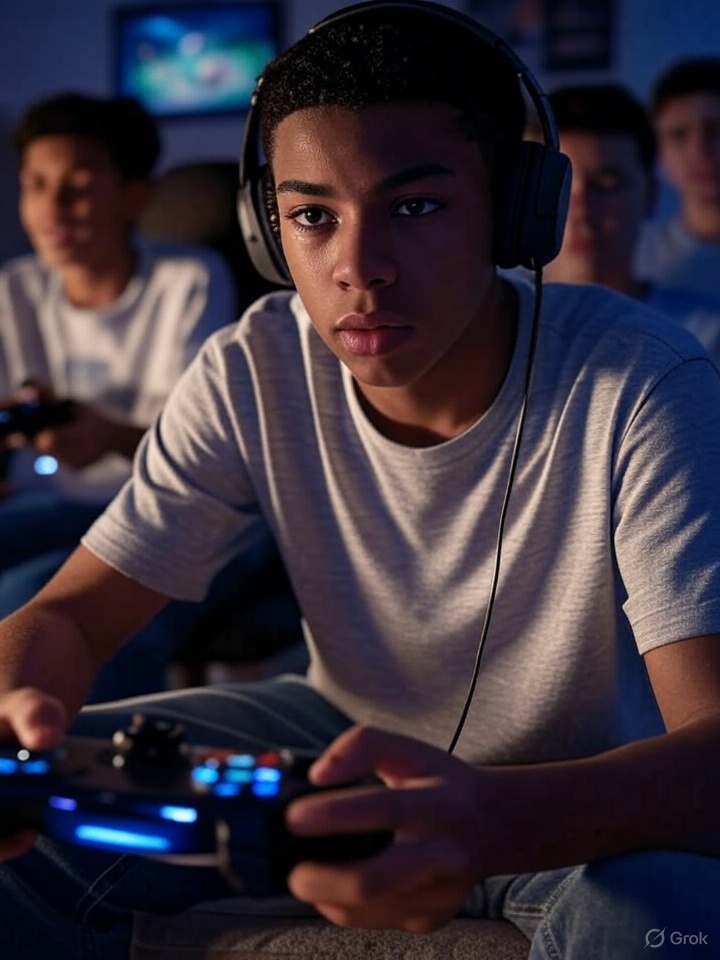
You may notice that your time spent gaming significantly outweighs your engagement in daily responsibilities and activities. If gaming consumes most of your free time and you consistently choose it over chores, work, or socializing, this imbalance can be a concerning indicator of potential addiction. Tracking your gaming hours compared to other life obligations can help you clarify this disparity.
Changes in Social Interactions and Relationships
As gaming takes priority, your interactions with friends and family might begin to dwindle. You may find yourself withdrawing from social gatherings or avoiding face-to-face connections, leading to feelings of isolation. Those who were once close might notice a shift in your prioritization of gaming over shared experiences.
These changes can disrupt important relationships in your life. You may prioritize online interactions with gaming communities over maintaining connections with friends and family. If your loved ones express concern about your absence or lack of communication, this feedback often highlights the shift in how you view social interactions, potentially indicating that gaming is taking precedence over meaningful relationships.
Withdrawal Symptoms When Not Playing
Experiencing irritability, restlessness, or anxiety when you’re unable to play can be indicative of a deeper issue. If you find yourself feeling down or losing the motivation to engage in activities you previously enjoyed, this reflects a reliance on gaming for emotional fulfillment. Recognizing these withdrawal symptoms is imperative for understanding the impact gaming has on your emotional state.
Withdrawal symptoms may manifest as heightened frustration in daily life or an overwhelming desire to resume gaming at all costs. When you feel unwell or anxious after short periods without gaming, it underscores an emotional dependency. Acknowledging this reliance can be the first step toward assessing your gaming habits critically and seeking a healthier balance in your life.
Examining Physical Signs of Overindulgence
Physical Health Consequences
Extended gaming can lead to several physical health issues, including eye strain, poor posture, and musculoskeletal disorders. A lack of physical activity may cause weight gain or other metabolic problems. You might also experience headaches or fatigue due to prolonged screen time and inactivity, which can significantly impact your overall well-being.
The Impact on Sleep Patterns
Video game overindulgence often disrupts sleep patterns, leading to insomnia or irregular sleep schedules. You might find yourself sacrificing sleep to continue gaming, resulting in difficulty waking up and a constant feeling of tiredness throughout the day.
Inadequate sleep can cause lasting effects on your mental and physical health. Persistent fatigue can impair cognitive function, decrease productivity, and exacerbate feelings of irritability or anxiety. The blue light emitted from screens also interferes with melatonin production, making it harder to fall asleep at night, creating a vicious cycle that can lead to chronic sleep deprivation.
Neglect of Personal Hygiene and Care
As gaming takes precedence, neglecting personal hygiene becomes common. Skipping showers, not changing clothes, or ignoring dental care may occur as you prioritize gaming over self-care. This neglect can lead to unpleasant body odors and promote feelings of social withdrawal.
Living in an unkempt environment can also reflect your state of mind. Disorganization, accumulating trash, or an unwashed gaming setup symbolizes a shift in your priorities. You may find that regular routines, such as exercise or meal preparation, fall by the wayside, making it easy to overlook basic cleanliness and personal care.
The Shift in Interests and Passions
Loss of Interest in Previously Enjoyed Activities
You might find that hobbies, sports, or social activities that once excited you now feel tedious compared to gaming. This shift often manifests as a reluctance to engage in any activities outside of video games, leading you to prioritize time spent in the virtual world over real-life enjoyment.

Isolation from Family and Friends
Your social circle may become strained as you choose to immerse yourself in gaming instead of spending time with loved ones. The gradual withdrawal can create a sense of loneliness, making it harder to maintain meaningful connections.
Frequent gaming can lead to missed family gatherings, reduced communication with friends, and an overall decline in your social interactions. As the hours spent gaming increase, your relationships may erode, often unnoticed until significant damage has occurred.
Prioritizing Gaming Over Responsibilities
Obligations like work, school, or chores often take a back seat to gaming marathons. You may notice assignments being neglected and deadlines missed due to the allure of the game.
Identifying Emotional Changes Related to Gaming
Mood Swings Linked to Gameplay
Mood swings are often a clear indicator of video game addiction. You may notice extreme emotional fluctuations, where gaming leads to feelings of elation or anger, depending on your in-game performance or social interactions. The intensity of these emotions can cause disruption in daily life, leaving you feeling volatile and unpredictable.
Escapism: Avoiding Real-Life Issues
Video games can serve as a refuge from real-life problems, allowing you to immerse yourself in virtual worlds instead of facing daily stressors. As you increasingly rely on gaming for this escape, you may neglect responsibilities and relationships, which leads to a cycle of avoidance and dependency.
This tendency towards escapism can manifest as prioritizing gaming sessions over crucial aspects of your life, such as work commitments or personal relationships. You might find yourself rationalizing missed deadlines or ignoring friends, all in favor of advancing in a game. The more you withdraw into the gaming world, the harder it becomes to address underlying issues, creating a potential for deeper emotional problems.
Increased Anxiety or Depression
Your gaming habits can significantly affect your mental health, often leading to heightened feelings of anxiety or depression. If you find yourself feeling more isolated or overwhelmed outside of gaming, it may be a sign that your emotional state is intertwined with your gaming habits.
As you spend more time in front of screens, social interactions may dwindle, leaving you feeling lonely and disconnected. This disconnect can spiral into increased anxiety about social situations or even depression when gaming is not an option. In fact, studies indicate that excessive gaming correlates with mental health disorders, where 37% of adolescents showing signs of gaming addiction also experience anxiety or depression. This cycle makes it imperative to monitor how your emotional state shifts relative to your gaming activities.
The Digital Footprint: Analyzing Online Gaming Habits
Tracking Playtime and Frequency
Monitor your playtime and frequency to identify patterns that may indicate addiction. Keeping a log can help highlight any excessive hours spent gaming, particularly if it detracts from daily responsibilities and relationships. A healthy balance between gaming and other activities is imperative, so ensure that your gaming habits align with your overall lifestyle.
Engagement in Competitive vs. Casual Gaming
Your involvement in either competitive or casual gaming can reveal much about your gaming habits. Competitive gaming often leads to higher engagement, increased stress, and potential obsession, while casual gaming tends to be more relaxed and balanced. A preference for competitive scenarios can signify a deeper emotional investment that might contribute to addiction.
Notably, competitive gaming can foster a heightened sense of urgency, pushing you to play longer and invest more time into achieving goals, rankings, or victories. If you find yourself frequently playing under pressure, seeking validation, or feeling frustrated when not performing well, these may be red flags. In contrast, casual gaming, while still enjoyable, typically allows for a more moderate and sustainable engagement, which is critical for healthy gaming habits.
Spending Patterns on Virtual Goods
Examine your spending patterns on in-game purchases. If you notice an increase in expenditure on virtual goods, this could point to addictive behaviors. Setting a budget for these purchases and sticking to it is vital, as overspending can lead to financial strain alongside potential addiction issues.
The tendency to spend excessively on virtual goods often correlates with a need for instant gratification and enhanced gaming experiences. If you find yourself regularly buying skins, equipment, or in-game currency, it’s worth reflecting on whether these purchases are enhancing your enjoyment or simply fueling a compulsion to keep up with peers or enhance performance. Tracking these transactions can provide insights into whether your spending aligns with a healthy gaming experience or signals troubling addictive behavior.
Conversations and Language: What to Listen For
Identifying Gaming-Centric Language
Pay attention to the language your child uses during conversations. If terms like “leveling up,” “boss fight,” or “grinding” frequently emerge, they’re adopting a gaming-centric vocabulary. This can indicate a deep emotional investment in gaming that often overshadows everyday dialogue. Moreover, a shift toward >slang used primarily within gaming communities may reflect their social circle and priorities.
The Impact of In-Game Achievements on Self-Worth
Gaming achievements can significantly influence your child’s self-image, often leading them to equate success in games with personal value. As they cultivate skills and earn accolades in virtual environments, they might increasingly rely on these accomplishments for validation, potentially neglecting their real-world development and relationships.
For instance, research shows that players who regularly achieve milestones in games may experience heightened confidence. However, this can foster an unhealthy reliance on gaming for self-esteem. When a poor gaming session occurs, their mood may shift drastically, indicating a fragility in their self-worth rooted in virtual success rather than genuine accomplishments outside of gaming.
Shifts in Communication with Non-Gamers
Monitor how your child interacts with those who are not part of the gaming culture. A noticeable decline in interest during conversations or a tendency to dominate discussions with gaming topics may signal an unhealthy fixation. Engaging less with friends and family who do not share this passion can isolate them further.
Conversations with non-gamers may become strained, as your child might feel misunderstood or dismissed. This can lead to avoidance of social settings that don’t involve gaming, hampering their social skills. In extreme cases, this isolation can escalate to loneliness and anxiety, underscoring the importance of balanced interactions outside of gaming circles.
The Role of Parental Awareness and Involvement
Setting Healthy Boundaries
Establishing clear and healthy boundaries is vital in managing your child’s gaming habits. Define daily time limits for gameplay and enforce consequences if limits are exceeded. Encourage breaks during long gaming sessions to promote a balanced lifestyle. These boundaries should be discussed openly with your child to ensure understanding and acceptance.
Creating Open Channels for Discussion
Fostering an environment where your child feels comfortable discussing their gaming experiences can illuminate potential issues. Ask open-ended questions about their favorite games and the social aspects involved. This approach not only builds trust but also helps you gauge if gaming starts to negatively impact other areas of their life.
Engage your child by showing genuine interest in their gaming experiences. For instance, ask them to share what they enjoy about certain games or their friends’ favorite titles. This dialogue can help you identify if they’re using gaming as an escape or if it’s fostering positive connections. Regular discussions can illuminate any concerns you may need to address.
Strategies for Monitoring Playtime
Effective monitoring of your child’s playtime can be achieved through various strategies. Use built-in parental control tools on devices or gaming consoles to track and limit usage. Additionally, encourage them to share their gaming schedules with you, promoting accountability while ensuring you stay informed on their gaming habits.
Consider utilizing apps designed for tracking gaming playtime, giving you real-time insights into their gaming activities. Establish check-in times to discuss what they are playing, and encourage them to reflect on how it affects their mood and daily routine. This form of active engagement will help you maintain awareness of their gaming behavior while showing them that you care about their wellbeing.
Understanding Game Design and Its Influence on Addiction
The Mechanics of Reward Systems in Games
Games utilize reward systems to create a dopamine-driven feedback loop that keeps players engaged. Every achievement, level-up, or collectible triggers a release of dopamine, making you feel accomplished and encouraging you to continue playing. This biological response can lead to a cycle of seeking more rewards, often leading to extended play sessions and potential addiction.
How Narrative Engagement Encourages Long Play
Narrative elements in games draw you into immersive worlds, making you invested in characters and plots. Well-developed stories can create a sense of urgency to see what happens next, resulting in prolonged engagement. The combination of compelling storytelling with interactive elements means you often feel a personal connection to the game’s outcome.
For instance, games like “The Last of Us” or “The Witcher 3” integrate rich narratives that encourage you to invest emotionally in the characters and storylines. This storytelling method not only captivates you but also creates a sense of obligation to complete the journey, thereby extending your gaming hours significantly as you strive to uncover the entire narrative arc.
The Impact of Social Features in Online Games
Online games often feature social integration, allowing players to connect with friends and share experiences. This social aspect feeds into a sense of belonging and community, leading to increased time spent in-game. Engaging with friends and participating in group events can deepen your attachment to the game, making it harder to walk away.
Social features such as chat functions, cooperative missions, and leaderboards create a competitive yet inviting atmosphere that enhances your gaming experience. If you’re part of a community or a guild, the fear of missing out (FOMO) often compels you to log in frequently, ensuring you maintain your social connections and remain relevant within that virtual space. This social pressure can significantly contribute to an increase in the overall hours played, reinforcing the game’s ability to capture and hold your attention.
Building Resilience: Educating Gamers about Limits
Practical Tips for Self-Regulation
Establishing effective self-regulation techniques can help you balance gaming with other responsibilities. Consider setting a timer to limit your gaming sessions, taking regular breaks, and reflecting on how gaming affects your mood and productivity. Introduce a daily or weekly schedule that includes various activities, ensuring a healthy mix of gaming and other engagements.
- Set time limits on gaming sessions
- Track your mood before and after gaming
- Incorporate physical activity into your routine
Recognizing these habits early can foster healthier gaming behavior.
Setting Personal Gaming Goals
Identifying specific, achievable goals related to your gaming experience provides direction and purpose. You might aim to complete a game within a set timeframe, improve your skills in a particular area, or balance gaming with other interests like sports or reading. These goals should align with your values and help you gain satisfaction beyond just gaming.
Creating an Accountability System
Establishing an accountability system can significantly enhance your ability to stick to your gaming limits. Involve friends or family members who understand your goals; share your gaming schedule and check in with them regularly. This support can keep you motivated and help reinforce your commitment to maintaining healthy boundaries.
Action Steps for Early Intervention
How to Approach a Loved One Showing Signs
Start the conversation in a calm and non-confrontational manner. Choose a time when your loved one is receptive to dialogue. Use “I” statements to express your concerns, such as “I notice you seem more withdrawn lately.” Encourage an open discussion about their gaming habits and listen to their perspective without judgment. Express your support and willingness to help them find balance.
Resources for Professional Help
Consulting mental health professionals who specialize in gaming addiction is vital for effective intervention. Therapists can offer personalized approaches, while support groups can provide a community experience. Dedicated programs or hotlines exist specifically for gaming addiction, connecting individuals with experts trained to address these unique challenges.
Finding appropriate resources can significantly impact recovery. Organizations like the International Centre for Responsible Gaming and local mental health clinics often have dedicated teams working on gaming-related issues. Therapists trained in CBT (Cognitive Behavioral Therapy) can aid in modifying harmful behaviors, while support groups often share successful strategies to cope and build healthier habits.
Engaging in Alternative Activities
Introduce your loved one to various hobbies that capture their interest outside of gaming. Activities such as sports, arts, or volunteering can provide rewarding experiences and create social connections. Finding enjoyable pastimes is important to substitute the time spent gaming with fulfilling alternatives.
Encouraging participation in team sports or local clubs promotes both physical activity and social interaction, creating a supportive environment. Activities like painting or music lessons can stimulate creativity and present opportunities to form new friendships. Involving your loved one in community events can further enhance their sense of belonging, reducing reliance on gaming for satisfaction.
Evaluating the Impact of Gaming on Daily Life
Self-Assessment Tools and Questionnaires
Utilizing self-assessment tools and questionnaires can provide valuable insights into your gaming habits. These resources often include specific questions that gauge how gaming affects various aspects of your life, including social interactions, academic or work performance, and emotional well-being. Completing these assessments can help pinpoint patterns that indicate excessive gaming, leading you to take actionable steps towards healthier habits.
The Importance of Balance: Gaming as a Hobby, Not a Lifestyle
Viewing gaming strictly as a hobby promotes a healthier mindset and keeps it from overtaking your daily life. Fostering a balance allows you to enjoy gaming without compromising responsibilities and relationships. When you set boundaries around your gaming time, you can pursue other hobbies and interests, ensuring that gaming remains just one part of a fulfilling life.
Establishing gaming as a hobby requires setting clear limits on both time and engagement. Prioritizing other activities, such as exercise, socializing, or pursuing new skills, enhances your overall quality of life. Not letting gaming dominate your social calendar or dictate your mood can prevent the blurring of lines between entertainment and obsession, making it easier to enjoy your gaming experience while maintaining a well-rounded lifestyle.
Knowing When to Seek Help
Recognizing the need for help is a pivotal step towards addressing potential gaming addiction. If your gaming habits start impacting relationships, job performance, or mental health, seeking professional support can be a game-changer. Awareness of your behavior and willingness to change can set the stage for recovery.
If feelings of guilt, anxiety, or irritability arise when you’re away from your gaming setup, or if you find yourself secretly gaming during important commitments, these could be signs that help is necessary. Consulting a mental health professional who specializes in behavioral addictions can provide you with tailored strategies and resources. Early intervention might steer you back towards a healthier relationship with gaming and ensure you enjoy it as a fulfilling part of your life rather than a dominating force.
Debunking Myths Around Gaming and Addiction
Common Misconceptions About Gamers
Many stereotypes about gamers paint them as socially awkward loners or violent individuals. In reality, gamers come from diverse backgrounds and often engage in various social environments, both online and offline. Studies show that a majority of gamers are well-adjusted individuals who enjoy gaming as a form of entertainment and social interaction.
Understanding the Spectrum of Gaming Behavior
Gaming behavior varies widely, with some individuals playing casually while others may exhibit tendencies that could indicate potential addiction. Recognizing that not all gaming is problematic is vital. You may find yourself immersed in gaming for hours, but this does not automatically mean you are addicted. Understanding the nuances can help distinguish between healthy engagement and harmful habits.
Different factors contribute to how gaming fits into your life, including time spent, emotional responses, and social interactions. A casual player may enjoy gaming as a way to unwind, while a habitual player might prioritize it over other crucial activities. By assessing your gaming habits on this spectrum, you can better understand where you stand and identify if any adjustments are needed.
The Difference Between Passion and Addiction
Passion for gaming can often be mistaken for addiction. Gaming can be a fulfilling hobby that provides enjoyment and community. However, when gaming starts affecting your daily functioning, relationships, or mental health, that passion may crossover into unhealthy territory.
To differentiate between passion and addiction, consider how gaming impacts your life. A passionate gamer freely manages their time and makes conscious choices, while an addicted gamer may feel compelled to play, neglecting responsibilities and personal well-being. Assessing your motivation and the balance of gaming with other life aspects can offer insights into your relationship with gaming.
Summing up
Summing up, detecting hidden signs of video game addiction early requires you to observe changes in your daily routine, social interactions, or emotional well-being. Pay attention to signs like neglecting responsibilities, withdrawal from family and friends, and increased irritability when not gaming. Monitoring your gaming habits, setting time limits, and encouraging open conversations about gaming can help you maintain a healthy balance. Being proactive about these signs allows you to address any concerns before they escalate, ensuring healthier gaming habits in your life.
FAQ
Q: What are common signs that indicate a child may be addicted to video games?
A: Signs include neglecting responsibilities, decreased social interactions, irritability when not playing, withdrawal from family activities, and frequent use of gaming as an escape from real-life problems.
Q: How can I monitor my child’s gaming habits effectively?
A: Set specific gaming time limits, review their screen time using parental control apps, observe the time spent gaming versus other activities, and discuss their gaming experience to gauge their emotional investment.
Q: What changes in behavior might signal developing video game addiction?
A: Behavioral changes may include mood swings, increased secrecy around gaming, prioritizing games over academic or personal commitments, and expressing anger or anxiety when unable to play.
Q: Are there specific age groups more at risk for video game addiction?
A: Adolescents and young adults typically have a higher risk due to social pressures, developmental changes, and the immersive nature of games catering to these age demographics.
Q: What steps can I take if I suspect someone has a gaming addiction?
A: Initiate an open conversation about their gaming habits, encourage healthy balance by promoting other interests, seek professional help if needed, and establish consistent boundaries around gaming time.