

Over time, PFAS Water contamination lawsuit has emerged as a significant threat to your health and the environment, prompting many individuals to consider filing a mass tort claim. If you believe that your water has been contaminated, taking specific steps to gather solid evidence is vital. In this blog post, we will guide you through the process of documenting your situation, collecting relevant samples, and working with legal professionals to build a strong case. By understanding the steps involved, you can better protect your interests and contribute to the fight against pollution.
Key Takeaways:
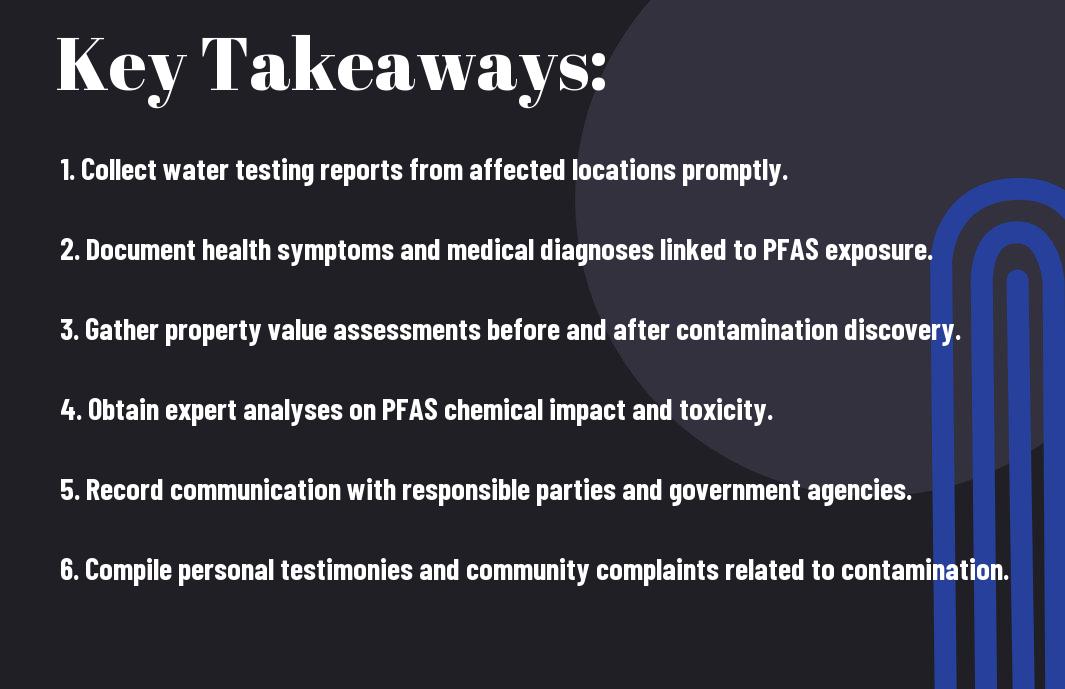
- Document any health issues: Keep detailed records of any health concerns or symptoms that may be related to PFAS exposure.
- Collect water testing results: Obtain water quality reports or conduct independent tests to confirm the presence of PFAS in your water supply.
- Gather community support: Connect with neighbors or community members who may have also experienced similar issues, as collective evidence strengthens your claim.
- Consult legal expertise: Seek advice from attorneys specializing in environmental or mass tort cases to navigate the complexities of your claim effectively.
- Compile relevant records: Gather information such as property records, communication with local authorities, and any notices from environmental agencies regarding PFAS contamination.
Understanding PFAS and Water Contamination
Definition of PFAS


Across various industries, per- and polyfluoroalkyl substances (PFAS) have become notorious for their persistent presence in the environment and human body. These synthetic chemicals, often dubbed “forever chemicals,” are widely used in products like non-stick cookware, water-repellent clothing, and firefighting foams due to their unique water- and grease-resistant properties. Unfortunately, their chemical structure makes them resistant to degradation, leading to alarming accumulations in the water supply and posing significant challenges for clean-up efforts.
As you examine deeper into the issue, it’s imperative to understand that PFAS represent a large group of compounds, each with varying levels of toxicity and potential health impacts. Once these substances enter your local water source, they can counteract normal water purification processes, increasing the risk of exposure through drinking water or even consumption of contaminated food sources. Awareness and knowledge about PFAS are the first steps in protecting yourself and your community from their harmful effects.
Health Impacts of PFAS Contamination
Below the surface of your daily life, PFAS contamination poses multiple health risks that should not be overlooked. Research has linked exposure to these chemicals with a heightened risk of various serious health issues, including liver damage, immune system disruptions, and an increased likelihood of certain cancers. The dangers are amplified by the fact that PFAS can accumulate in your body over time, leading to chronic health concerns even at low exposure levels.
This connection underscores the importance of vigilance in communities affected by PFAS contamination. Notably, studies have shown that individuals exposed to PFAS may experience elevated cholesterol levels, hormonal imbalances, and developmental issues in children. Recognizing the potential dangers of PFAS in your water supply and advocating for proper testing and remediation is a vital step for you to ensure the safety and health of your family and community.
Identifying Potential Plaintiffs
Assuming you have discovered potential issues with PFAS contamination in your area, the next vital step is to identify individuals who may have been affected by this contamination. This process is not only about finding those who have suffered health issues but also extends to anyone who has been in close proximity to contaminated water sources. You might need to gather testimonies from local residents, especially those who have consumed water from affected sources or lived near contaminated sites. These potential plaintiffs form the core group that will support your mass tort claim, as their collective experiences can serve as compelling evidence of the widespread impact of PFAS exposure.
Criteria for Involvement in a Mass Tort
Against the backdrop of a mass tort claim, there are specific criteria that can help you determine who qualifies as a potential plaintiff. These criteria typically revolve around the presence of a demonstrated link between exposure to harmful PFAS chemicals and negative health effects suffered by individuals. For instance, you should consider factors such as the duration of exposure, proximity to known sources of contamination, and existing health conditions that could be exacerbated by the presence of PFAS. Recognizing these aspects will help streamline your efforts in establishing a strong case against responsible parties.
Importance of Community Engagement
Along with gathering individual accounts, fostering community engagement is crucial in building your case. Actively involving the community not only helps in obtaining more testimonies but also raises awareness about the dangers of PFAS contamination. Organizing meetings can allow you to connect with those who share similar experiences and concerns, highlighting the widespread nature of the issue. Engaging with local environmental groups and health advocacy organizations can further amplify your efforts, as they often provide valuable resources and insights for your claim.
Even small community events can facilitate discussions about health impacts and preventative measures, helping to unite affected individuals under a common cause. The collaborative spirit can lead to the collection of more comprehensive evidence, such as surveys or reports, which can strengthen your mass tort claim. Reinforcing the community’s voice not only provides the necessary evidence but also cultivates a broader awareness of the issue, ultimately pushing for accountability and potential remedies for those affected by PFAS contamination.
Documenting Exposure Evidence


Your journey toward gathering evidence for a mass tort PFAS water contamination claim begins with a comprehensive approach to documenting your exposure. By collecting personal records, you can establish a clear connection between your experiences and the harmful effects of PFAS contaminants. This can include medical records, which detail any health issues you or your family members have faced that may have been exacerbated by exposure to contaminated water. Additionally, you might want to compile any correspondence you’ve had with local authorities or water suppliers regarding water safety, as well as any personal notes or observations about your environment that indicate potential exposure.
Collecting Personal Records
By actively gathering and organizing your personal records, you can create a compelling narrative of your exposure history. This may involve tracking down your drinking water sources, noting any changes in water quality, and documenting any relevant health symptoms. Additionally, photographs of your environment or any visible contamination can serve as powerful evidence. The goal is to form a comprehensive picture that illustrates how PFAS exposure has impacted your life, making it an imperative component of your case.
Importance of Environmental Testing
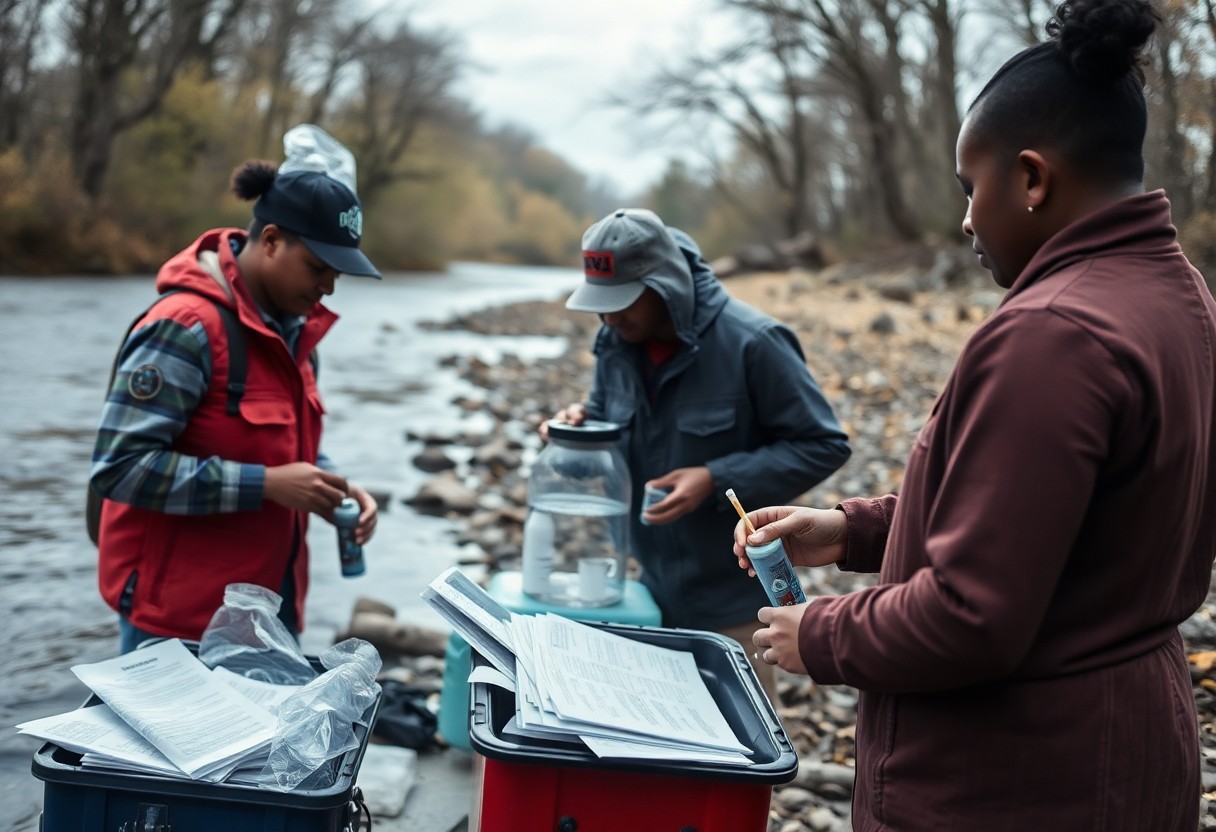
Before pursuing a mass tort PFAS water contamination claim, it is imperative to prioritize environmental testing of your water supply. This testing not only provides definitive proof of PFAS presence but also helps establish the specific types and concentrations of these chemicals. Your findings can serve as critical evidence in your claim, reinforcing the link between the contamination and your health issues. By obtaining results from certified laboratories, you solidify your case and can further engage with legal professionals who specialize in environmental claims.
For instance, if your water test results reveal a high concentration of PFOA or PFOS, two of the most concerning types of PFAS, it may strengthen your argument about the hazardous conditions you and your community have faced. Moreover, comprehensive environmental tests can document the extent of contamination, potentially revealing broader issues affecting your neighborhood. This information is invaluable when substantiating your claims and pursuing accountability from responsible parties.
Gathering Medical Evidence
Now that you understand the significance of gathering evidence for your mass tort PFAS water contamination claim, it’s time to focus on gathering medical evidence. This step is vital as it establishes a direct connection between your health issues and the exposure to PFAS-contaminated water. Without solid medical evidence, securing a successful claim may prove challenging.
Medical Records and Diagnoses
One of the first steps in gathering medical evidence is to compile your medical records. This includes documentation of any health issues you have experienced that may be linked to PFAS exposure, such as thyroid disease, elevated cholesterol levels, or various types of cancer. Your medical records should detail your symptoms, diagnoses, treatments, and any visits to healthcare professionals. Be certain to request these records from your healthcare providers, as they form the basis of your medical history and help establish a clear correlation between your health problems and exposure to PFAS.
Expert Testimonies
By including expert testimonies in your evidence gathering, you can significantly strengthen your case. Expert witnesses, such as medical professionals or environmental scientists, can provide statements regarding the health effects of PFAS exposure and how it correlates with your particular health issues. Their insights can help clarify complex medical data and serve to validate your claims in a legal context.
Records from these expert witnesses can elucidate the chemical properties of PFAS and their known health risks. These testimonies are invaluable as they can demonstrate to the court not just the existence of a health problem but also the derived effects of contaminated water on your health. Engaging qualified experts can bolster your claim and articulate the serious implications that PFAS contamination has had on your life, thus enhancing the strength of your legal case.
Collaborating with Attorneys
Despite the complexities involved in gathering evidence for a mass tort PFAS water contamination claim, partnering with experienced legal representation can significantly enhance your case’s chances for success. Your attorney will not only assist you in navigating the legal landscape but will also provide invaluable guidance on the evidence required to support your claim. Choosing a knowledgeable attorney who specializes in environmental law and mass torts is vital for ensuring that you receive appropriate legal support as you pursue justice for the damages caused by PFAS contamination.
Selecting the Right Legal Representation
With numerous attorneys available, it’s important to seek out a legal expert with a track record in mass tort cases involving water contamination. Look for an attorney who has handled similar claims and has a reputation for achieving favorable outcomes for their clients. Make sure to evaluate their communication style, approach to client engagement, and willingness to invest time into thoroughly preparing your case. A strong attorney-client relationship will enhance your confidence and allow you to better understand the legal process ahead.
Preparing for Legal Proceedings
Attorneys will guide you through the necessary steps required to prepare for your legal proceedings. This includes helping you gather relevant evidence, coordinating with experts to bolster your claims, and preparing you for any testimonies or statements you may need to provide. It will be vital to keep detailed records and notes on the ongoing symptoms and impacts of PFAS exposure you have experienced, as these will serve as powerful testimonies in court.
Collaborating with your attorney on preparations can significantly strengthen your position. Be proactive in sharing all information related to your health, the water contamination issue, and any communications with authorities. By providing detailed accounts and any existing medical records, you are not only helping your attorney build a robust case but also demonstrating your commitment to the process. This diligent preparation can play a pivotal role in achieving a favorable verdict or settlement for your claim.
Legal Considerations and Statutes of Limitations
Unlike other legal claims, mass tort actions related to PFAS water contamination come with specific legal considerations and a defined timeframe within which you must act. It is vital to familiarize yourself with the relevant statutes of limitations in your jurisdiction as these laws dictate how long you have to file your claim. In many cases, you only have a few years from the date you became aware of the contamination or the related health issues to initiate legal proceedings. Failing to adhere to these time limits could result in your claim being permanently barred, regardless of the validity of your case.
Understanding Relevant Laws
One of the first steps in gathering evidence for a mass tort PFAS claim is to understand the laws that govern environmental contamination and personal injury in your area. Regulatory bodies such as the Environmental Protection Agency (EPA) play a role in regulating PFAS chemicals, and their findings may substantiate your case. Additionally, local and state laws may provide specific avenues for holding contaminating parties accountable. You should seek to gather information about how PFAS has been regulated and any legal precedents in similar cases that may impact your claim.
Importance of Timely Action
Considerations regarding the timing of your legal action cannot be overstated. The sooner you begin gathering evidence and consulting with legal professionals, the better your chances of a successful claim. As you approach the end of the statute of limitations, gathering necessary proof becomes increasingly important. If you wait too long, you may find yourself unable to recover damages for the health impacts related to water contamination.
Plus, acting swiftly not only ensures that you meet legal deadlines but also allows you to take advantage of crucial evidence that may become harder to obtain over time. Witness recollections can fade, physical evidence may be lost, and vital records could become challenging to secure. By initiating your claims process as soon as possible, you enhance your ability to present a stable and compelling case, maximizing your chances for a favorable outcome.

Final Words
Taking this into account, gathering evidence for a mass tort PFAS water contamination claim requires a systematic and organized approach. Begin by documenting your experiences, noting any symptoms, health issues, or incidents related to PFAS exposure. Collect medical records that illustrate any health complications, and secure testimonies from affected individuals in your community. Additionally, gather any environmental reports or local water quality assessments that may indicate PFAS presence in your area. These documents can significantly strengthen your case by providing a concrete link between exposure and health repercussions.
Furthermore, consider collaborating with environmental advocacy groups, local health departments, or legal experts who specialize in mass tort claims. They may already have valuable information or resources to further support your evidence-gathering efforts. Engaging with these entities not only enhances your understanding of the complexities involved in these cases but also connects you with others facing similar challenges. By taking these proactive steps, you empower yourself to build a compelling case for your mass tort PFAS water contamination claim.
FAQ
Q: What types of evidence should I gather to support my claim of being affected by PFAS water contamination?
A: To support your claim, consider gathering a variety of evidence including, but not limited to, medical records that demonstrate any health issues linked to PFAS exposure, water quality testing results showing the levels of PFAS in your drinking water, and photographs or documentation of any spills, discharges, or contamination events in your area. Additionally, keep records of any communications with local authorities and environmental agencies regarding water quality and contamination issues. Witness statements from other affected individuals can also add weight to your claim.
Q: How can I document my exposure to PFAS in the environment?
A: Documenting exposure to PFAS can involve several steps. First, you should keep a detailed log of your daily water usage, including when and where you consumed it. Maintain any receipts or records related to your water supply, such as bottled water purchases, that demonstrate your effort to avoid contaminated water. You could also take note of any public notices or advisories issued by local health departments regarding PFAS levels. If possible, obtain test results from your water supply provider, which can serve as direct evidence of contamination levels over time.
Q: What resources are available to assist me in gathering evidence for my PFAS contamination claim?
A: Various resources can assist you in this process. Consider reaching out to environmental advocacy groups that focus on PFAS issues; they may offer guidelines on evidence collection and have experience in assisting affected individuals. Legal clinics or attorneys specializing in mass torts related to environmental contamination can provide insights on what evidence is most impactful. Additionally, state and federal environmental agencies often have research and reports available to the public, which can bolster your evidence with broader context and findings related to PFAS contamination in your area.