Experiencing an rideshare assault during a trip is a traumatic and deeply personal ordeal. In the immediate aftermath, it’s understandable to feel overwhelmed, scared, or uncertain about what steps to take next. However, one of the most powerful tools you have at your disposal in the pursuit of justice is thorough and accurate documentation. Unfortunately, many victims underestimate how essential proper documentation can be in building a strong, credible case — whether in a criminal investigation, civil lawsuit, or claims process.
If you or someone you know has been the victim of a rideshare assault, taking the time to document every detail can make a significant difference in the outcome of your case. Below are several key ways that documentation can support and strengthen your claim.

1. Preserving the Details While They’re Still Fresh
After an assault, your brain may go into a state of shock. Emotions such as fear, confusion, anger, and even guilt can cloud your memory, making it difficult to recall specific events as time passes. This is where documentation becomes critical. Writing down everything as soon as possible—ideally within hours of the incident—ensures that vital details are preserved before they begin to fade or become distorted by time and trauma.
Include as much information as you can remember:
- The exact date and time of the incident
- Location details, such as streets, landmarks, or areas where the rideshare trip began and ended
- The driver’s name, photo, license plate number, vehicle make and model
- A step-by-step timeline of what happened
- Conversations or exchanges, whether verbal or through text in the app
Even if some information feels small or unimportant in the moment, it may later prove valuable in corroborating your version of events.
2. Capturing Tangible Evidence
Whenever possible, preserve any physical or digital evidence related to the incident. This may include:
- Screenshots of ride details, driver profiles, chat logs, or receipts
- Photographs or videos of injuries, the car, the surrounding area, or other relevant items
- Clothing or items that were damaged or could contain evidence (e.g., forensics like DNA)
In legal proceedings, visual and physical evidence can significantly reinforce your narrative. Courts and law enforcement place considerable weight on evidence that goes beyond testimony, especially when it clearly illustrates the conditions or consequences of the assault.
3. Witness Accounts Can Strengthen Credibility
If the assault occurred in a public or semi-public place, there may have been witnesses—other passengers, bystanders, security personnel, or business staff. If you’re able to safely and calmly do so after the incident, try to identify any potential witnesses and obtain:
- Their full name
- Contact information (phone number, email)
- A brief note about what they saw or heard
Ask if they would be open to giving a written statement or speaking with law enforcement. Witness testimony can corroborate your experience and help establish a pattern or timeline of events that is consistent with your account.
4. Documenting Your Emotional and Psychological Impact
Assault is not just a physical violation—it often has lasting emotional and psychological effects. Creating a personal journal or log of your mental and emotional state can serve as a critical part of your case, especially if you pursue damages for emotional distress or pain and suffering.
Your documentation can include:
- Daily entries about your mood, anxiety levels, or sleep disturbances
- Any symptoms of PTSD, depression, or fear that affect your ability to work or maintain relationships
- Notes on how your behavior or lifestyle has changed (e.g., no longer using rideshare services, social withdrawal, etc.)
This record can also assist therapists or mental health professionals in evaluating your condition and providing expert testimony if needed.
5. Medical Documentation: A Vital Piece of the Puzzle
If you sought any kind of medical treatment—physical or psychological—after the assault, be sure to obtain and retain all relevant documentation. This includes:
- Emergency room or hospital visit summaries
- Diagnostic reports (X-rays, MRIs, mental health assessments)
- Treatment records, including medication prescribed and therapy sessions
- Receipts or billing statements for out-of-pocket expenses
Medical documentation not only validates your injuries and suffering but also quantifies the financial and health-related impacts, which is essential when pursuing compensation.
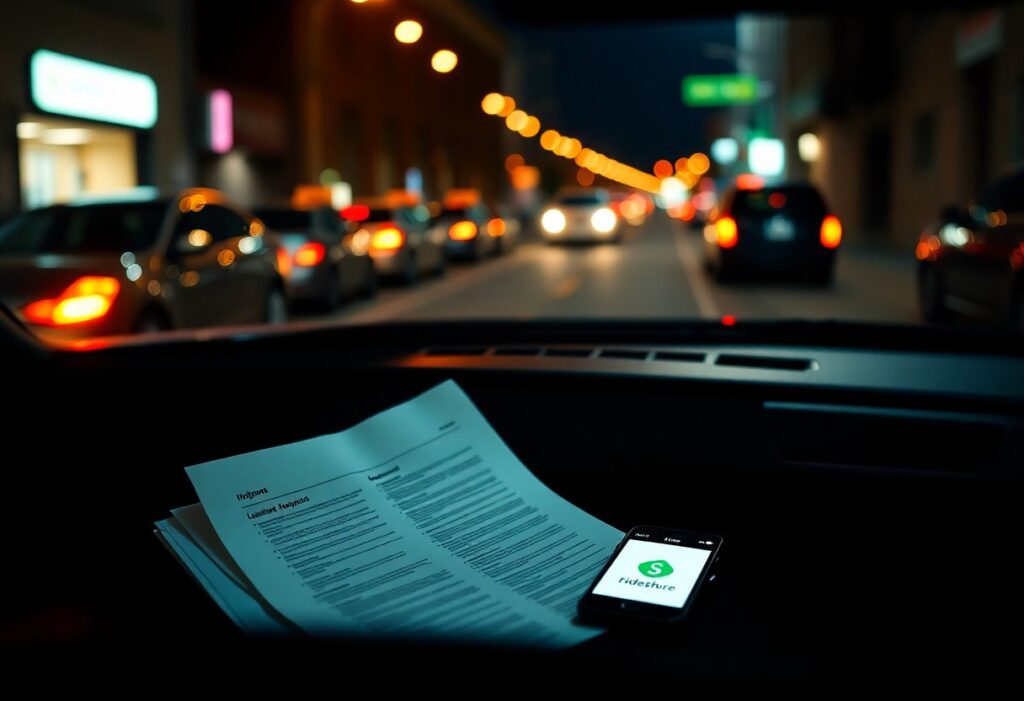
6. Creating a Cohesive and Credible Narrative
In legal or investigative contexts, consistency is key. Thorough documentation allows you to build a detailed timeline of events that aligns across your testimony, evidence, and any third-party statements. When law enforcement, attorneys, or insurance companies review your case, a well-documented file shows that you are prepared, serious, and credible.
Even if your case does not result in criminal charges or goes to court, detailed documentation can support claims with the rideshare company, facilitate a settlement, or be used in civil proceedings to pursue damages.
Final Thoughts
While documenting your experience might feel burdensome during a vulnerable time, it can become a powerful form of self-advocacy. Your voice matters—and capturing your story in a detailed, organized way ensures it is heard clearly and taken seriously.
If you’re unsure where to start, consider creating a folder (digital or physical) to store all documentation related to the incident. You may also wish to consult with a legal professional or victim advocate who can guide you through the process and ensure your documentation meets the necessary legal standards.
By taking control of the narrative and preserving the truth through detailed documentation, you give yourself the best chance at healing, accountability, and justice after a rideshare assault.