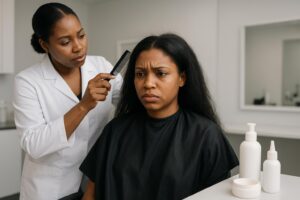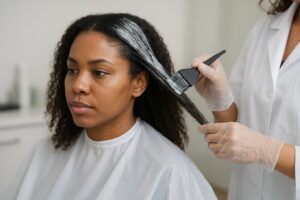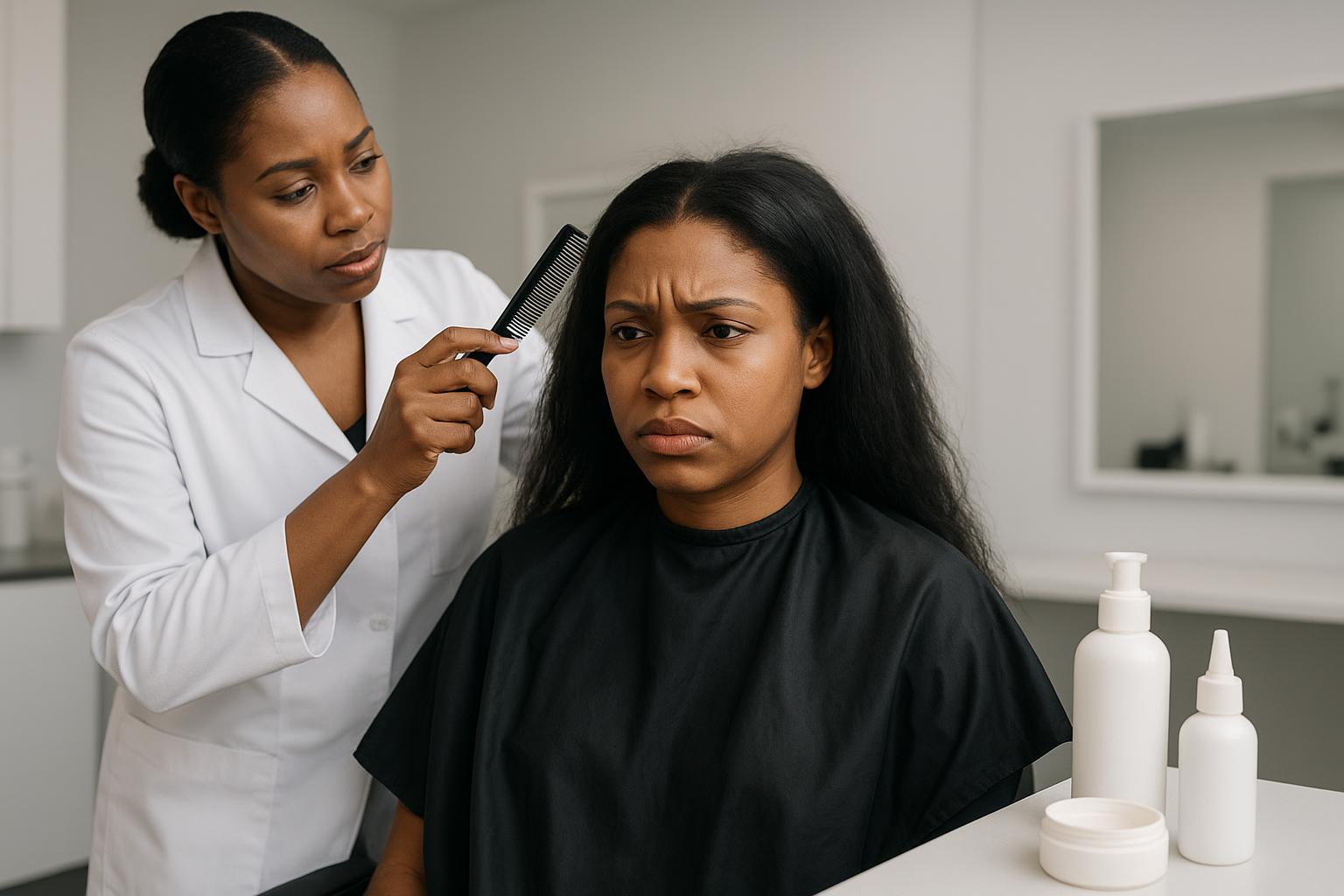
A hair relaxer lawsuit may be an option for people who used chemical straighteners and later developed certain cancers or serious injuries. If you are trying to understand whether your diagnosis could support a claim, the key issues are symptoms, product use history, medical records, and timing.
Many people first search after a diagnosis of uterine cancer, ovarian cancer, or another reproductive injury and wonder whether a chemical hair straightener cancer claim may apply. If that sounds familiar, you can check your hair relaxer lawsuit eligibility and review the facts that often matter in these cases.
This article explains what symptoms may matter, who may qualify, what evidence helps, and how hair relaxer compensation is typically evaluated. It also covers the filing process and why acting sooner can matter for a hair relaxer settlement or individual claim review.
What a Hair Relaxer Lawsuit Is About
A hair relaxer lawsuit generally alleges that long-term use of chemical hair straighteners contributed to a serious health condition, often a hormone-related cancer. These claims are usually based on the idea that repeated exposure to certain chemicals may increase risk over time, especially with frequent use starting at a young age.
Most claims focus on products marketed for straightening or relaxing tightly curled hair. The legal theory is not that every user will become ill, but that some users may have been exposed to a risk that was not adequately warned about or fully disclosed.
Scientific attention increased after research linked frequent use of chemical straighteners with higher rates of certain cancers. For a medical overview of the broader health concerns, see the National Cancer Institute’s information on uterine cancer at https://www.cancer.gov/types/uterine and the NIH’s research database at https://pubmed.ncbi.nlm.nih.gov/36287284/.
Hair Relaxer Injury Symptoms and Warning Signs
Hair relaxer injury symptoms are not always obvious at first, and many people do not connect them to product use until after a diagnosis. In these cases, the most important warning sign is often a medical condition that appears after years of repeated exposure, especially when there is no strong family history or another clear explanation.
Symptoms can vary depending on the diagnosis. For uterine cancer hair relaxer claims, common warning signs may include abnormal vaginal bleeding, bleeding after menopause, pelvic pain, or unusual discharge. For ovarian cancer hair relaxer claims, symptoms may include bloating, abdominal swelling, pelvic discomfort, feeling full quickly, or changes in bowel habits.
Other symptoms that may matter in a claim include:
- Persistent pelvic or abdominal pain
- Heavy or irregular menstrual bleeding
- Postmenopausal bleeding
- Unexplained weight loss
- Fatigue that does not improve
- Pressure in the pelvis or lower abdomen
These symptoms do not prove a claim by themselves, but they can help establish the timeline leading to diagnosis. If you were diagnosed after noticing these signs, your medical records may be important in showing when the condition began and how it progressed.
It is also important to understand that symptoms alone are not enough. A hair relaxer cancer claim usually depends on a confirmed diagnosis, a history of product use, and evidence that the exposure was frequent enough to be relevant.
Hair Relaxer Eligibility: Who May Qualify
Hair relaxer eligibility usually depends on a combination of product use, diagnosis, and documentation. People often qualify if they used chemical hair straighteners or relaxers regularly and later developed a condition that has been associated with those products in litigation.
Common factors that may support eligibility include:
- Frequent use of chemical hair relaxers or straighteners
- Use over many years, often beginning in adolescence or early adulthood
- A diagnosis of uterine cancer, ovarian cancer, or another serious reproductive injury
- Medical records confirming the diagnosis and treatment
- Evidence of product use, such as purchase history, salon records, or witness statements
Some claims may also involve breast cancer, endometrial cancer, fibroids, or other reproductive health issues, depending on the facts and the evolving litigation landscape. However, not every diagnosis will qualify, and the strength of a claim depends on the specific medical and exposure history.
If you are unsure whether your situation fits, a case review can help identify whether your facts align with current hair relaxer lawsuit criteria. You can find out now whether your hair relaxer use may qualify for compensation without making assumptions about the outcome.
Evidence That Can Strengthen a Hair Relaxer Cancer Claim
Evidence is one of the most important parts of a hair relaxer lawsuit. Even when someone has a serious diagnosis, the claim is stronger when there is a clear record of product use and a timeline showing repeated exposure.
Useful evidence may include:
- Medical records showing diagnosis, pathology, surgery, and treatment
- Pharmacy or retail receipts for relaxers or straightening products
- Salon records or appointment histories
- Photos of product containers or brand names
- Statements from family members, friends, or stylists
- Personal notes describing how often the products were used
Diagnosis records matter because they establish the exact condition, stage, and treatment history. Pathology reports, imaging studies, and operative notes can also help show the seriousness of the injury and the amount of medical care required.
Exposure evidence matters because many claims involve products used over a long period. If you do not have receipts, that does not automatically end a claim, but other proof may be needed to support your hair relaxer eligibility.
How Hair Relaxer Compensation Is Evaluated
Hair relaxer compensation is not based on a single formula. Instead, the value of a claim usually depends on the severity of the diagnosis, the amount of treatment required, the impact on daily life, and the strength of the evidence connecting product use to the injury.
Factors that may affect a hair relaxer settlement or individual recovery include:
- Type of cancer or injury diagnosed
- Stage of the disease at diagnosis
- Surgery, chemotherapy, radiation, or other treatment
- Lost wages and reduced earning capacity
- Past and future medical expenses
- Pain, suffering, and emotional distress
- Quality and consistency of product-use evidence
People often ask how much a claim is worth, but no honest source can promise a number before reviewing the facts. Some claims may be stronger because the diagnosis is severe and the exposure history is well documented, while others may be more limited if records are incomplete.
Compensation may be sought for both economic losses and non-economic harm. That can include hospital bills, follow-up care, travel for treatment, missed work, and the disruption caused by a life-changing diagnosis.
Filing a Hair Relaxer Lawsuit: What the Process Looks Like
The filing process usually begins with a case review. During that review, the goal is to confirm the diagnosis, identify the products used, and determine whether the facts fit the current litigation framework for a hair relaxer lawsuit.
After that, a legal team may gather records, interview the claimant, and evaluate whether the case should be filed individually or as part of broader mass tort proceedings. In many cases, the process also includes collecting pathology reports, treatment summaries, and proof of product use.
Typical steps may include:
- Initial intake and eligibility screening
- Collection of medical and exposure records
- Review of diagnosis and treatment history
- Preparation and filing of the claim
- Ongoing updates as the litigation moves forward
Timelines can vary widely. Some claims move faster than others, especially if the litigation is still developing or if the court is coordinating many similar cases at once. That is why people often choose to act early rather than wait until records become harder to obtain.
If you are ready to take the next step, you can get a free case review now to see if your hair relaxer claim qualifies.
Why Timing Matters in a Hair Relaxer Lawsuit
Timing matters for two reasons: evidence and legal deadlines. Medical records, receipts, and witness memories are easier to gather when the events are still relatively recent, and some claims may be affected by statutes of limitation that limit how long you have to file.
In many injury cases, the clock may start when a person knew or should have known that the injury could be linked to product exposure. That means waiting too long can create risk, even if the diagnosis happened earlier.
Acting sooner can also help preserve details about product brands, frequency of use, and the timeline of symptoms. Those details often become more difficult to reconstruct as time passes, especially if the products were used years ago.
What to Do If You Think You Have a Claim
If you believe you may have a hair relaxer cancer claim, start by gathering the basics. Write down the products you used, how often you used them, where you bought them, and when you first started using them.
Then collect any medical documents you already have, including diagnosis letters, pathology reports, discharge summaries, and treatment records. If you do not have everything, that is common, and records can often be requested later during the review process.
It may also help to note any symptoms you experienced before diagnosis, especially abnormal bleeding, pelvic pain, bloating, or other warning signs. These details can help create a clearer timeline for the claim review.
For many people, the next step is simply to check your eligibility for a hair relaxer lawsuit and act today. A review can help determine whether your facts may support a claim for compensation.
Hair Relaxer Lawsuit FAQ
What diagnoses are most often linked to hair relaxer lawsuits?
The most common diagnoses in current litigation are uterine cancer and ovarian cancer. Some claims may also involve other reproductive injuries, depending on the facts and the evolving science.
A diagnosis alone does not guarantee a claim, but it is a major part of the review. The strength of the case usually depends on the diagnosis, the exposure history, and the available records.
Do I need proof of every hair relaxer purchase?
No, but proof helps. Receipts, salon records, photos, and witness statements can strengthen a claim, especially if they show frequent use over many years.
If you do not have purchase records, you may still be able to support your claim with other evidence. A case review can help identify what documentation is most useful.
What are common hair relaxer injury symptoms before diagnosis?
Common symptoms may include abnormal bleeding, pelvic pain, bloating, abdominal swelling, fatigue, or postmenopausal bleeding. These symptoms can appear before a cancer diagnosis and may be part of the medical timeline.
Symptoms do not prove causation, but they can help show when the condition began and how it developed. Medical records are important for confirming the diagnosis and treatment history.
How is hair relaxer compensation calculated?
Compensation is usually based on the seriousness of the injury, the amount of treatment, lost income, medical bills, and the impact on daily life. Stronger evidence of product use and diagnosis can also affect case value.
There is no fixed payout amount for every claim. Each case is reviewed individually, and results can vary widely.
How long do I have to file a hair relaxer lawsuit?
The deadline depends on the state and the facts of the case. In many injury claims, the time limit may begin when the person knew or should have known that the injury might be linked to product use.
Because deadlines can be strict, it is wise to review your situation as soon as possible. Waiting too long can make it harder to file.
Can I still qualify if I used different brands over time?
Yes, possibly. Many people used more than one brand or product over the years, and a claim may still be reviewed if the use was frequent and the diagnosis fits the litigation.
The key is documenting the overall pattern of chemical straightener use. A detailed history can help show the extent of exposure.
What should I do first if I think I have a hair relaxer cancer claim?
Start by gathering your diagnosis records and writing down your product-use history. Then submit your information for a case review so someone can evaluate whether your facts may support a claim.
If you want to move forward, see if you qualify for a hair relaxer lawsuit before time runs out. Early review can help preserve evidence and clarify your options.
A hair relaxer lawsuit is about more than a diagnosis. It is about whether repeated chemical exposure, documented symptoms, and a serious medical outcome may support a legal claim for compensation.
If you believe your condition may be connected to chemical hair straightener use, do not wait to review the facts. The sooner you evaluate your hair relaxer eligibility, the sooner you can understand whether a claim may be available.