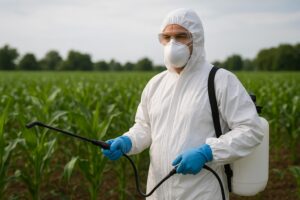
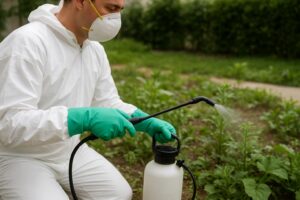
You may find yourself questioning the role of farmers in the ongoing debate surrounding Roundup toxicity. As stewards of the land, they face mounting pressures and dilemmas related to the use of glyphosate, the active ingredient in Roundup. This blog post will explore how farmers are navigating this complex landscape, weighing their responsibilities to both crop production and community health, while grappling with the implications of public perception and regulatory changes.
Key Takeaways:
- Farmers face increasing scrutiny over the use of Roundup and glyphosate.
- Concerns about health risks and environmental impact are rising among agricultural communities.
- Many farmers feel pressured by market demands and regulatory changes.
- Some are seeking alternative farming practices to mitigate risks associated with herbicide use.
- The narrative of farmers as victims is emerging amid legal battles related to pesticide toxicity.
- Public awareness and activism are prompting farmers to reconsider their reliance on chemical herbicides.
- The agricultural sector is at a crossroads, balancing productivity with sustainability and safety.
Historical Context of Glyphosate Usage
The Rise of Glyphosate as a Herbicide
The introduction of glyphosate in the 1970s marked a significant turning point in agricultural practices. Initially developed by Monsanto, it quickly became popular due to its effectiveness in controlling a broad spectrum of weeds. By the 1990s, the launch of Roundup Ready crops—genetically engineered to resist glyphosate—further propelled its use, establishing glyphosate as a staple in weed management strategies globally.
Adoption Rates Among Farmers
Farmers rapidly adopted glyphosate due to its perceived benefits, with use rising significantly over the decades. By 2018, approximately 90% of soybean and cotton crops in the U.S. were planted with glyphosate-resistant varieties, highlighting its integration into mainstream agriculture.
This widespread adoption is often attributed to the substantial reductions in labor and cost associated with glyphosate use. You likely appreciate that it allows farmers to manage weeds more efficiently, which streamlines operations and boosts productivity. The chemical’s effectiveness partly led to its dominance, fostering a shift in crop management and encouraging reliance on chemical interventions rather than alternatives like crop rotation or mechanical control.
Economic Benefits and Agricultural Productivity
The economic advantages of glyphosate extend beyond immediate weed control. Increased yields and lower production costs have incentivized its widespread use among farmers, driving profitability in many agricultural sectors.
Understanding Glyphosate and Its Toxicity
Chemical Composition and Mechanism of Action
Glyphosate, a broad-spectrum systemic herbicide, is composed of the isopropylamine salt of N-(phosphonomethyl) glycine. It works by inhibiting a specific enzyme pathway, the shikimic acid pathway, which is critical for the growth of plants and some microorganisms. This inhibition leads to plant cell death, effectively targeting unwanted vegetation while being less harmful to mammals due to significant physiological differences.
Research on Glyphosate Toxicity
Current research on glyphosate’s toxicity has illuminated potential health concerns, linking exposure to various adverse effects. Studies have indicated relationships between glyphosate exposure and conditions such as non-Hodgkin lymphoma, reproductive issues, and endocrine disruption, raising alarms among health professionals and environmentalists alike.
Several pivotal studies have underscored glyphosate’s potential risks. For instance, the International Agency for Research on Cancer classified glyphosate as “probably carcinogenic in humans,” based on findings of increased cancer rates among agricultural workers. Additionally, a review by the European Food Safety Authority found inconclusive evidence regarding its safety, leading to ongoing debate about its usage and necessity in modern agriculture.
Regulations Surrounding Glyphosate Use
Regulatory frameworks governing glyphosate’s use have become increasingly stringent in several regions, driven by mounting safety concerns. Some countries have implemented bans or significant restrictions on its application, while others continue to evaluate its safety through ongoing research.
The evolving landscape of glyphosate regulation reflects the tension between agricultural practices and public health interests. For example, in 2018, the state of California added glyphosate to its list of chemicals known to cause cancer, prompting stronger labeling requirements. As consumer awareness grows, pressure on regulatory bodies to reassess glyphosate’s safety and usage in agriculture continues to intensify.
The Role of Farmers in Glyphosate Application
Farmers’ Perspectives on Glyphosate
You may view glyphosate as a double-edged sword; many farmers appreciate its effectiveness in managing weeds and boosting crop yields, but concerns about health and environmental impacts loom large. While some value the increased efficiency and reduced labor it provides, others grapple with the backlash against its use, making your stance on glyphosate increasingly complex.
Dependence on Chemical Herbicides
Your reliance on chemical herbicides like glyphosate often stems from the nature of modern agriculture, which emphasizes high productivity and monoculture practices. This dependency becomes evident as you navigate pest pressures and economic constraints that drive you towards synthetic chemical solutions.
Your reliance on glyphosate arises from the challenges faced in crop management and economic viability. The pursuit of higher yields amidst weed resistance leads many farmers to integrate these herbicides into their systems, often resulting in an ongoing cycle of dependence. In the face of ever-evolving agricultural pressures, the quick fixes provided by chemical solutions can overshadow long-term sustainability considerations, creating a difficult balancing act between immediate needs and future impacts.
Ethical Considerations in Cropping Decisions
Health Concerns Linked to Glyphosate
Impact on Farmer Health
Your exposure to glyphosate during application can raise significant health concerns. Farmers frequently handle glyphosate products, leading to increased risks of acute and chronic health issues. Symptoms range from skin irritations to respiratory problems, with some studies indicating higher rates of lymphoma among agricultural workers utilizing this herbicide.
Community Health Implications
The health risks extend beyond individual farmers to the surrounding communities. Pesticide drift and contaminated water sources can affect residents, increasing anxiety about potential long-term health consequences. Proximity to agricultural operations raises alarms regarding the safety of local crops and livestock, prompting concerns about food safety and air quality.
As glyphosate use becomes more prevalent, communities report rising incidences of certain ailments, particularly among children and the elderly. Livestock health may also decline due to chemical runoff, impacting both family farms and local economies. Community activism is often sparked by these health issues, as residents demand transparency and safer practices from farmers and agricultural companies.
Studies on Glyphosate and Cancer Link
Environmental Impact of Glyphosate
Effects on Soil Health
Glyphosate applications can significantly alter soil health by disrupting microbial communities. Soil microorganisms play a vital role in nutrient cycling and crop productivity. You may notice reduced soil fertility and structure over time due to glyphosate’s lingering effects, leading to a decline in agricultural yields.
Biodiversity Loss
Glyphosate’s prevalence contributes to the decline of both flora and fauna. You may find that the herbicide affects non-target plant species, which disrupts ecosystems and leads to a homogenization of habitats. This narrowing of biodiversity poses risks not only to wildlife but also to the long-term sustainability of farming practices.
Biodiversity loss goes beyond plant life; it impacts entire ecosystems. Pollinators, such as bees, and beneficial insects that control pest populations are particularly vulnerable to glyphosate exposure. As you apply this herbicide, you may observe a reduction in these key species, jeopardizing the ecological balance necessary for healthy crop production and increasing reliance on synthetic pesticides.
Water Contamination Issues
Glyphosate can leach into water sources, raising concerns over the quality of drinking water and aquatic ecosystems. You may not realize that runoff from agricultural fields can carry glyphosate into rivers and lakes, affecting both human health and aquatic life.
Water contamination from glyphosate is particularly troubling as studies have shown increased concentrations of the herbicide in many waterways. You might be aware that higher glyphosate levels can lead to toxic conditions for fish and other aquatic organisms, driving declines in species and altering the food web dynamics. The potential for long-term environmental consequences is significant, emphasizing the need for careful management of herbicide application.
Public Perception and Media Coverage
The Role of Media in Shaping Public Opinion
Media outlets play a pivotal role in framing the narrative around Roundup and its alleged toxic effects. Headlines and investigative reports can amplify fears about glyphosate, influencing consumer behavior and public sentiment toward agricultural practices. Coverage often highlights personal stories of illness and environmental degradation, which resonate with audiences, but can simultaneously overshadow scientific findings that suggest glyphosate’s safety when used as directed.
Farmers as Reluctant Protagonists
Your understanding of farmers’ roles reveals they often find themselves thrust into contentious debates about pesticide use, despite wanting to focus on productivity and sustainability. As advocates for their livelihood, they may face scrutiny and backlash as they navigate public concerns while maintaining their operations.
Farmers, once regarded as straightforward producers of food, are increasingly seen as defenders of their practices amid mounting criticism. Many express frustration over being painted as villains in the narrative surrounding pesticides. While they possess firsthand knowledge and experience with Roundup, their voices often struggle to be heard over louder public fears and media sensationalism. This tension forces them into a reluctant stance, juggling the desire to protect their crop yields with the need to address societal concerns about health and safety.
Balancing Science and Sentiment in Reporting
Accurate reporting on glyphosate toxicity necessitates a delicate balance between scientific evidence and public sentiment. As studies from regulatory bodies and independent researchers emerge, the challenge lies in translating complex data into understandable language while respecting emotional responses, which can sway opinions significantly.
Incorporating both scientific data and human experiences provides a fuller picture of the Roundup discourse. Journals may report FDA assessments along with stories from affected communities, creating a rich tapestry of information that informs and evokes emotion. However, sensationalized headlines can dilute factual accuracy, prompting public misunderstandings that harm both farmers and consumers alike. Highlighting the nuances in scientific studies is crucial, ensuring that your perspective is shaped by balanced and informed reporting.
Regulatory Landscape of Glyphosate
Current Regulatory Frameworks
Your understanding of glyphosate’s regulation begins with various agencies assessing its safety and effectiveness. In the U.S., the Environmental Protection Agency (EPA) classifies glyphosate as “not likely to be carcinogenic to humans,” while other countries, like Germany, have moved towards stricter regulations, indicating that the regulatory landscape varies widely depending on jurisdiction.
Changes in Policy and Public Sentiment
Recent years have seen shifting policies concerning glyphosate use, driven by changing public sentiment and increasing evidence regarding its health effects. Advocacy groups and growing consumer demand for organic products have prompted lawmakers to reconsider the herbicide’s approval and application, resulting in a wave of proposed bans and restrictions across different states.
This shift in policy is often reflected in state-level legislation pushing for transparency about glyphosate use, and in some instances, outright bans. Growing evidence linking glyphosate to adverse health outcomes, such as cancer, has fueled public protests and increased demand for safer alternatives. You might notice heightened media coverage and grassroots campaigns that reshape how you perceive glyphosate’s role in agriculture.
International Standards and Practices
Internationally, glyphosate regulation varies, with some countries implementing advance restrictions that can inform your perspective on agricultural practices. Notably, the European Union has made headlines by reassessing glyphosate’s authorization on the continent, leading to tighter regulations compared to those in North America.
As you examine international practices, you’ll find that countries like France and Austria have initiated or proposed bans on glyphosate altogether, reflecting a precautionary approach to public health and environmental safety. These actions stem from widespread concerns regarding pesticide exposure, prompting dialogues about sustainable agriculture on a global scale. Enhanced scrutiny from scientific and public entities continues to shape the conversation around glyphosate usage and safety worldwide.
Alternative Weed Management Strategies
Integrated Pest Management (IPM)
IPM combines biological, cultural, and mechanical practices to manage pests in an eco-friendly manner. You assess the pest population levels and environmental conditions, applying targeted interventions that minimize chemical use. By promoting natural predators and using crop rotation, IPM not only reduces dependency on herbicides like glyphosate but also enhances biodiversity and soil health.
Organic Farming Practices
Organic farming emphasizes natural methods for weed control, prioritizing soil health and biodiversity. You can employ cover crops, mulching, and manual weeding as key techniques to suppress weed growth without relying on synthetic herbicides. This holistic approach often leads to improved soil structure and resilience against pests.
By utilizing cover crops, you enhance soil fertility and disrupt weed life cycles, reducing reliance on herbicides. Additionally, crop rotation plays a vital role, as different crops affect various weed species differently, further complicating their growth. Organic herbicides, derived from natural ingredients, offer an alternative for managing stubborn weeds effectively while aligning with organic certification requirements.
Technological Innovations in Agriculture
The advent of precision agriculture has transformed weed management through data-driven insights. You can leverage technologies such as GPS-guided equipment and drones to apply herbicides precisely, minimizing overspray and ensuring efficiency. This tech-driven approach provides insights that help you make informed decisions on when and where to manage weeds.
Technological advancements also include the development of genetically modified crops with built-in resistance to herbicides, offering an alternative pathway for managing weeds. Moreover, innovations like automated weeding machines can identify and eliminate weeds without harming crops, enhancing efficiency while reducing the need for chemical treatments. These technologies not only optimize your farming practices but also align with sustainable agricultural goals, possibly offering a reduction in herbicide reliance.
The Future of Glyphosate in Agriculture
Farmer Attitudes Toward Future Use
You may find that many farmers are increasingly cautious about glyphosate usage due to health concerns and market pressures. Farmers are weighing the benefits of glyphosate for efficiency against the potential backlash from consumers who are becoming more health-conscious. This hesitation reflects a growing desire for sustainable practices while still aiming to meet production demands.
Public and Regulatory Trends
Regulatory bodies are shifting towards stricter guidelines for glyphosate, influenced by public sentiment and scientific research. Increased transparency in pesticide application, alongside evolving regulations, pushes farmers to adapt their practices in anticipation of compliance issues.
As public awareness of glyphosate’s potential health risks rises, institutions like the EPA are facing greater scrutiny. Recent studies and lawsuits have prompted calls for more robust regulations, which may include reassessment of glyphosate’s safety profile. Growing consumer advocacy for organic and non-GMO products further complicates the landscape, challenging farmers to rethink traditional methods and consider alternatives that align with consumer preferences.
Predictions for Agricultural Practices
Future agricultural practices are likely to evolve significantly, incorporating integrated pest management and organic methodologies. As you adapt to shifts in consumer demand and regulatory frameworks, leveraging technology and sustainable practices may become imperative.
Anticipated shifts towards sustainable agriculture will propel innovations such as precision farming and alternative herbicides. Emphasizing soil health and biodiversity, you might prioritize crop rotation and cover cropping to mitigate weed pressure while minimizing reliance on glyphosate. These practices not only address consumer concerns but also foster resilience against potential regulatory changes, positioning you for a more sustainable future in farming.
The Economic Impact of Reducing Glyphosate
Cost-Benefit Analysis for Farmers
You may face significant financial implications when considering a reduction in glyphosate use. Analyzing the cost of switching to alternatives versus the potential yield losses from increased weed pressure is vital. While the initial investment in new herbicides or organic farming practices can be high, the long-term benefits, including sustainability and potentially higher market prices for organic products, could balance the equation.
Market Trends and Consumer Preferences
The demand for non-GMO and organic products is growing swiftly, with many consumers prioritizing health and environmental sustainability. You’re likely to notice that retailers and food manufacturers are increasingly seeking products free from glyphosate residues, shaping the agricultural landscape you operate within.
This shift in consumer preferences is backed by surveys indicating that nearly 70% of shoppers are willing to pay a premium for organic food. Additionally, brands are aligning marketing strategies to promote glyphosate-free products, creating a ripple effect on crop selection and farming practices. As you adapt to these market forces, it may influence your decisions about crop management and chemical use.
Economic Viability of Alternatives
Case Studies: Farmers’ Experiences
- Case Study 1: Farmer A in California reported a 30% reduction in glyphosate use after transitioning to organic methods, resulting in a 20% increase in crop prices.
- Case Study 2: Farmer B from Iowa faced a 15% crop yield decline initially while switching to non-GMO seeds, but profits rose by 25% in the third year.
- Case Study 3: Farmer C in Texas documented a 50% decrease in herbicide-related health issues and increased biodiversity on his land following a cover cropping strategy.
- Case Study 4: Farmer D in Oregon benefited from a local cooperative, achieving a 40% reduction in input costs while improving soil health.
Successful Transition Stories
Farmers who have embraced alternative farming methods often share inspiring stories of resilience and success. For instance, a wheat farmer in Kansas transitioned to regenerative practices, witnessing not only healthier soils but also significantly improved yields, which rose by 15% in just two years. This shift has not only benefited their income but also contributed positively to their local ecosystem.
Challenges and Obstacles Encountered
The journey toward sustainable farming can be fraught with difficulties. Many farmers face financial obstacles, experiencing initial yield declines and increased costs during the transition period. Navigating new regulations and adapting to unfamiliar farming techniques adds to the complexity of the situation. This can lead to reluctance among those unsure of the long-term benefits against immediate economic pressures.
Farmers often feel the weight of uncertainty during transitions. A notable concern is the risk of financial instability, especially when traditional income streams diminish or crop yields are low. Adjusting to new methods requires not only time but also investment in education and resources. Furthermore, some may experience pushback from communities reliant on established practices, creating social and economic friction that complicates the transition further.
Community Support and Collaborations
Building a network of support can significantly ease the transition process for farmers. Collaborative initiatives, organized workshops, and shared resources strengthen community ties while providing crucial guidance. Many farmers have found success by partnering with local agricultural organizations, enabling them to access funding and technical support to navigate their transition effectively.
Community outreach often serves as a vital pillar for farmers launching on this journey. Engaging with local agricultural groups can foster partnerships that offer both educational and financial resources. Shared experiences among farmers create a supportive environment where you can learn from others’ challenges and successes. Bullying any stigma surrounding alternative methods diminishes when communities unite to explore sustainable practices, benefiting everyone involved.
Advocacy and Grassroots Movements
Organizations Opposing Glyphosate
Numerous organizations are rallying against glyphosate, focusing on its health and environmental ramifications. Groups like the Center for Food Safety and the Environmental Working Group emphasize rigorous research and advocate for policy reforms to limit or ban glyphosate use, highlighting the risks associated with its widespread application in agriculture.
Farmer-led Initiatives for Change
Farmers are increasingly leading initiatives to confront glyphosate’s implications, driven by a desire for sustainable practices and public health. Many are adopting organic farming methods while sharing their experiences and challenges through community-supported agriculture programs and workshops.
These initiatives often include peer-to-peer education, where farmers gather to discuss the impact of glyphosate on soil health and biodiversity. By collaborating with environmental and health organizations, they are creating platforms for knowledge exchange, enabling other farmers to transition away from chemical reliance, thereby fostering a cooperative spirit in the agricultural community.
The Role of Consumer Advocacy
Consumer advocacy plays a pivotal role in shaping agricultural practices, particularly in the context of glyphosate use. Increased consumer awareness and demand for chemical-free products pressure farmers and retailers to reevaluate their practices.
Your choices as a consumer can directly influence market trends. Advocacy groups often conduct campaigns educating you about glyphosate’s potential risks, encouraging you to seek out organic and non-GMO products. This collective demand spurs farmers to adopt sustainable techniques, ensuring that food is produced with consideration for health and the environment. By supporting ethically produced products, you contribute to the momentum for change within the agricultural sector.
To wrap up
The issue of Roundup toxicity presents a challenging dilemma for you as a farmer. As awareness grows regarding the potential health and environmental impacts of glyphosate, you may find yourself questioning your role in this narrative. Your decision-making is influenced by both economic pressures and ethical considerations. Understanding the implications of using Roundup not only affects your farming practices but also shapes public perception and trust in agriculture. As you navigate these complexities, you become an crucial voice in the evolving conversation surrounding farming and responsible chemical use.
FAQ
Q: What is the main concern regarding Roundup and its effects on farmers?
A: The primary concern is the potential health risks linked to glyphosate, the active ingredient in Roundup, which has been associated with various illnesses among farmers, leading to increased scrutiny and reluctance in its use.
Q: How has public perception of Roundup changed in recent years?
A: Public perception has shifted significantly, with growing awareness of its potential toxicity leading to increased skepticism about its safety among farmers and consumers.
Q: What legal actions have been taken against Roundup manufacturers?
A: Numerous lawsuits have been filed against manufacturers like Bayer, alleging that glyphosate exposure caused serious health issues, including cancer, thus heightening farmers’ concerns about the product.
Q: Are farmers changing their practices in response to Roundup toxicity concerns?
A: Yes, many farmers are exploring alternative weed management strategies and organic methods to minimize reliance on glyphosate, reflecting a shift towards safer agricultural practices.
Q: What are the regulatory responses to the concerns surrounding glyphosate?
A: Regulatory agencies worldwide are reevaluating glyphosate’s safety, leading to stricter guidelines or outright bans in certain regions, influencing farmers’ decisions regarding its application.
Q: How does farmer hesitation impact crop yields and profitability?
A: Farmer hesitation to use Roundup may lead to challenges in weed control, potentially affecting crop yields and profitability, as farmers balance safety concerns with agricultural efficiency.
Q: What support systems are available for farmers facing Roundup-related issues?
A: Support systems include agricultural extension services, legal advice, and financial assistance programs aimed at helping farmers transition to safer practices and mitigate potential health risks.