Firefighters, military personnel, and airport workers exposed to aqueous film-forming foam (AFFF) may face serious health risks linked to toxic PFAS chemicals. Understanding AFFF lawsuit settlement amounts and how to file a claim is crucial for those seeking compensation for related illnesses. This guide explains symptoms, eligibility, evidence requirements, and the process for filing an AFFF exposure compensation claim.
Understanding AFFF and PFAS Exposure
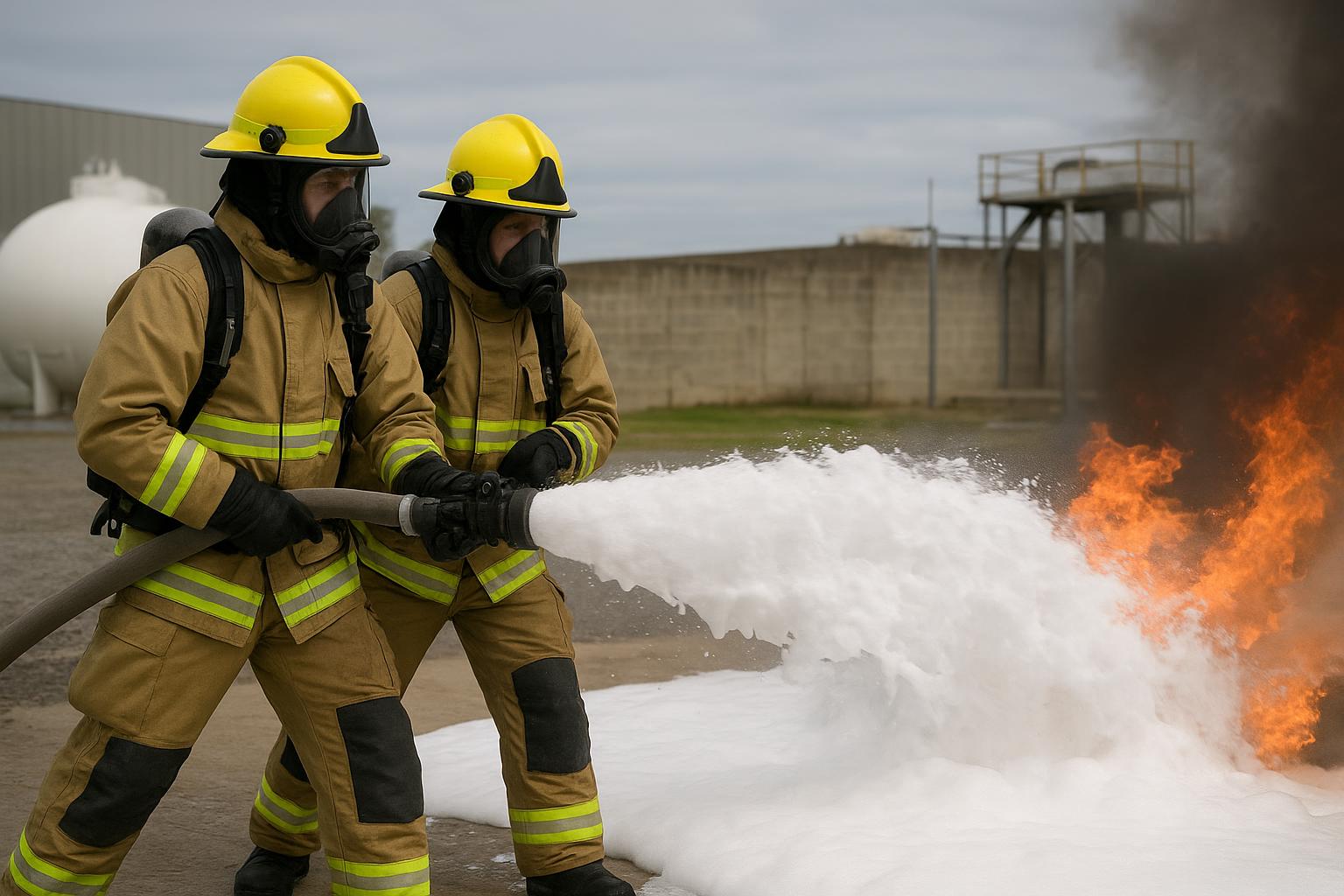
AFFF, or aqueous film-forming foam, has been widely used to extinguish fuel fires. The foam contains per- and polyfluoroalkyl substances (PFAS), known as “forever chemicals” due to their persistence in the environment and human body. According to the Centers for Disease Control and Prevention (CDC), PFAS exposure has been associated with increased cancer risk, immune system effects, and hormonal disruption.
Individuals who worked with or near AFFF—especially firefighters, airport personnel, and military members—may have been exposed through inhalation, skin contact, or contaminated water sources. Over time, PFAS can accumulate in the blood, leading to long-term health complications.
Common AFFF Exposure Symptoms and Related Illnesses
Recognizing AFFF exposure symptoms is essential for early diagnosis and potential legal action. Symptoms vary depending on exposure duration and concentration but may include:
- Persistent fatigue or weakness
- Unexplained weight loss
- Abdominal pain or swelling
- Changes in liver function
- Thyroid irregularities
- Elevated cholesterol levels
Medical studies have linked PFAS exposure to several cancers, including kidney, testicular, pancreatic, and bladder cancer. The National Institutes of Health (NIH) has documented associations between PFAS and increased cancer incidence in occupational settings. Anyone experiencing these symptoms should consult a healthcare provider for testing and documentation.
Who Qualifies to File an AFFF Lawsuit?
Eligibility to file an AFFF lawsuit depends on several factors, including documented exposure, medical diagnosis, and occupational history. Plaintiffs typically include:
- Firefighters (municipal, volunteer, or military)
- Airport fire and rescue personnel
- Military service members stationed at bases using AFFF
- Residents near contaminated water sources
To determine AFFF settlement eligibility, claimants must demonstrate a link between PFAS exposure and a qualifying illness. Medical records, employment history, and environmental testing results can strengthen a claim.
Evidence Needed for an AFFF Exposure Compensation Claim
Successful claims rely on strong evidence connecting exposure to illness. Key documentation includes:
- Employment or service records confirming AFFF use or proximity
- Medical records showing diagnosis of PFAS-related conditions
- Water or soil test results showing PFAS contamination
- Witness statements or incident reports
Legal teams often collaborate with medical and environmental experts to establish causation. The stronger the evidence, the more accurately potential AFFF illness compensation amounts can be estimated.
Factors Influencing AFFF Lawsuit Settlement Amounts
AFFF lawsuit settlement amounts vary widely based on individual circumstances. Factors influencing compensation include:
- Severity and type of diagnosed illness
- Extent of PFAS exposure and duration
- Medical expenses and ongoing treatment costs
- Lost wages and reduced earning capacity
- Pain, suffering, and emotional distress
- Strength of evidence linking exposure to illness
While no average settlement has been finalized, early estimates from similar toxic exposure cases suggest potential compensation could range from tens of thousands to several hundred thousand dollars, depending on case strength. However, each case is unique, and no outcome is guaranteed.
How to File an AFFF Lawsuit
The process to file an AFFF lawsuit typically involves several steps:
- Case Evaluation: A legal team reviews exposure history and medical records.
- Evidence Collection: Documentation and expert analysis are gathered.
- Filing the Claim: The lawsuit is filed in the appropriate jurisdiction.
- Litigation or Settlement Negotiation: Attorneys pursue compensation through settlement or trial.
Because of the ongoing multidistrict litigation (MDL) involving firefighting foam PFAS claims, many cases are consolidated for efficiency. Filing before the AFFF claim filing deadline is critical to preserve eligibility.
Statute of Limitations and Filing Deadlines
Each state sets its own statute of limitations for toxic exposure claims. Generally, the clock starts when a person discovers or should have discovered their illness was linked to PFAS exposure. Missing the AFFF claim filing deadline can permanently bar recovery. Consulting an attorney promptly ensures timely filing and proper documentation.
Medical Testing and Diagnosis for PFAS Exposure
Blood testing can detect PFAS levels, though results alone do not confirm illness. Physicians may order additional imaging or biopsies to diagnose cancers or organ damage. The Mayo Clinic recommends regular screenings for individuals with known chemical exposure risks. Medical documentation plays a vital role in linking exposure to disease for legal purposes.
Current Status of the Firefighting Foam PFAS Lawsuit
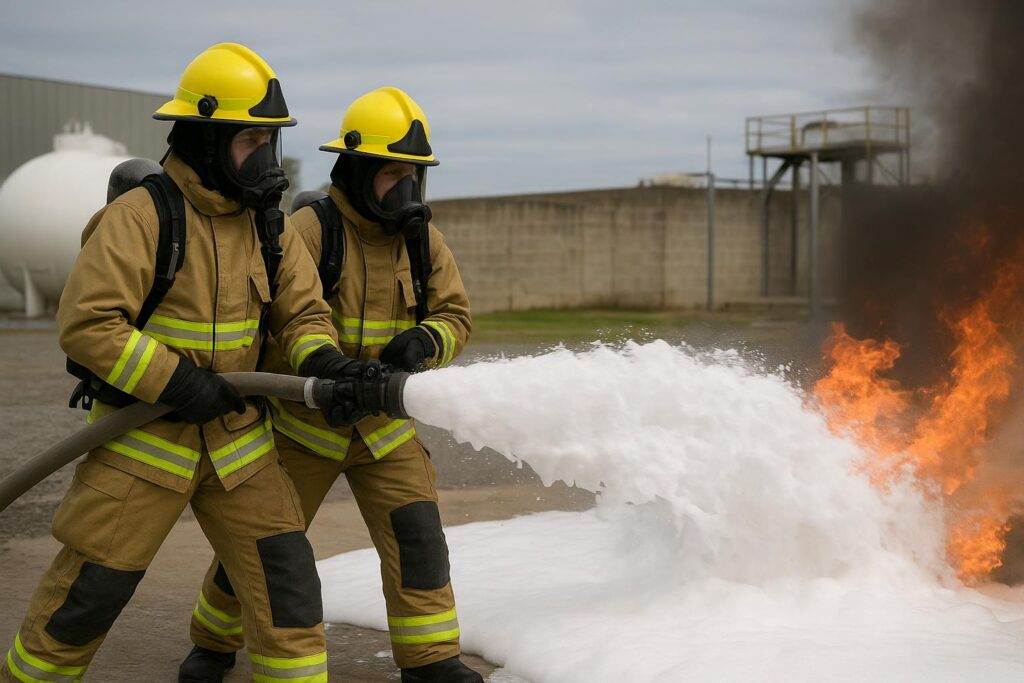
The nationwide firefighting foam PFAS lawsuit continues to grow as more victims come forward. Manufacturers such as 3M and DuPont face allegations of knowingly producing and distributing AFFF containing harmful PFAS compounds. While some settlements have been reached with municipalities for water contamination, individual personal injury claims are still being litigated. Plaintiffs who act early may have a stronger position in future settlement negotiations.
CTA: Check Your AFFF Lawsuit Eligibility
If you or a loved one developed cancer or another serious illness after AFFF exposure, you may be entitled to compensation. Check your eligibility for an AFFF lawsuit settlement now and secure your potential compensation. Legal professionals can evaluate your case and determine if you qualify to join the ongoing litigation.
Potential AFFF Illness Compensation Amounts
While no official settlement grid exists yet, projected AFFF illness compensation amounts depend on medical severity and economic losses. Plaintiffs with advanced cancers or permanent organ damage may qualify for higher compensation tiers. Economic damages may include medical bills, lost income, and future care costs, while non-economic damages address pain and suffering. Each case is evaluated individually based on evidence and jurisdiction.
How Lawyers Evaluate AFFF Cancer Lawsuits
Attorneys handling an AFFF cancer lawsuit assess multiple factors before filing. They review medical records, exposure evidence, and expert opinions to determine case strength. Legal teams also analyze prior settlements and verdicts in similar toxic exposure cases to estimate potential value. Because PFAS litigation is complex, experienced counsel is essential for navigating procedural requirements and maximizing claim potential.
CTA: Act Before the Filing Deadline
Time limits apply to all toxic exposure claims. See if you can claim your share of the AFFF lawsuit settlement before the deadline. Acting promptly ensures your rights are preserved and your evidence remains strong for potential compensation.
Frequently Asked Questions About AFFF Lawsuits
What illnesses are linked to AFFF exposure?
Studies have connected AFFF exposure to kidney, testicular, pancreatic, and bladder cancers, as well as thyroid disease and liver damage. PFAS chemicals in firefighting foam are known to accumulate in the body, increasing long-term health risks.
How do I know if I qualify for an AFFF lawsuit?
You may qualify if you were exposed to AFFF through firefighting, military service, or contaminated water and later developed a related illness. Eligibility depends on documented exposure and medical diagnosis.
What evidence do I need to file an AFFF claim?
Claimants should provide employment or service records, medical documentation, and any environmental test results confirming PFAS exposure. Witness statements and expert reports can further support your case.
How long do I have to file an AFFF lawsuit?
Filing deadlines vary by state, typically ranging from one to three years after diagnosis or discovery of exposure. It’s important to act quickly to avoid missing the statute of limitations.
Are there any settlements in the AFFF litigation yet?
Some settlements have been reached for water contamination claims, but personal injury cases are still pending. Settlement amounts will depend on future negotiations and court outcomes.
Can family members file on behalf of deceased victims?
Yes, surviving family members may file wrongful death claims if a loved one passed away from PFAS-related illnesses linked to AFFF exposure. These claims can seek compensation for medical costs, funeral expenses, and loss of support.
What should I do if I suspect PFAS contamination in my area?
Contact local health authorities for water testing and consult a physician for PFAS blood testing. If contamination is confirmed, you may be eligible to join the ongoing firefighting foam PFAS lawsuit.
For more information or to begin your claim, find out if you qualify for an AFFF settlement today before time runs out.