Many people are concerned about the potential risks associated with the use of baby powder, particularly regarding its links to cancer. With various lawsuits and studies circulating, you may wonder if these claims are based on substantial evidence or mere fear-driven myths. This article will explore the science behind baby powder ingredients, the controversies involved, and what you can do to make informed choices about your family’s health and safety.
Key Takeaways:
- Research indicates a potential link between talc, found in baby powder, and certain cancers, including ovarian cancer.
- Many studies are contested and have produced mixed results, leading to ongoing debate in the scientific community.
- The presence of asbestos in talc products raises significant safety concerns and legal implications.
- Consumer perceptions about the safety of baby powder have shifted in response to media coverage and litigation outcomes.
- Manufacturers have faced numerous lawsuits, prompting changes in product formulations and marketing strategies.
- Regulatory bodies have differing stances on the safety of talc-based products, influencing public trust.
- Expert opinions highlight the importance of further research to establish clear causal relationships regarding health risks.
Historical Background of Baby Powder
Origins of Talc and Its Use in Baby Products
Derived from the mineral talc, baby powder traces its origins back to the late 1800s. Talc’s natural absorbent properties made it a perfect fit for infant care products, leading to its widespread use in powders designed to keep your baby’s skin dry and comfortable. The incorporation of talc into baby products marked a transformative moment in personal care, promising soothing relief for diaper rash and enhancing overall hygiene.
Evolution of Baby Powder Formulations
Over the years, baby powder formulations have transformed significantly. Initially composed solely of talc, modern variations now often include cornstarch and various fragrance components to enhance usability and odor control. This shift reflects both changing consumer preferences and advancements in safety standards, allowing you to choose from products that suit your needs more effectively.
The evolution of baby powder formulations was driven by consumer awareness and regulatory developments. While traditional talc-based powders dominated the market for decades, increasing concerns about talc’s safety prompted manufacturers to explore alternatives. Today, cornstarch-based powders offer a popular substitute, appealing to parents who prioritize natural ingredients. This change in formulation illustrates a broader trend towards safer, hypoallergenic options while still addressing the fundamental need for moisture management in diapered infants.
Regulatory Oversight and Safety Standards
Regulatory bodies like the FDA and CDC rigorously oversee the safety of baby powders. Their evaluations include testing for contaminants such as asbestos, which is a significant concern given its link to cancer. Consequently, manufacturers must comply with strict safety standards, ensuring that your chosen product meets established guidelines for safety and efficacy.
Recent years have seen heightened scrutiny on baby powder safety, prompting greater transparency from manufacturers. The FDA mandates regular testing for potential contaminants, and companies must adhere to guidelines surrounding labeling and claims. This increased regulatory oversight fosters consumer trust, reassuring you that baby powders on the market are subject to thorough safety evaluations, even amid ongoing debates regarding talc’s link to serious health issues.
Chemical Composition of Baby Powder
Talc: Properties and Characteristics
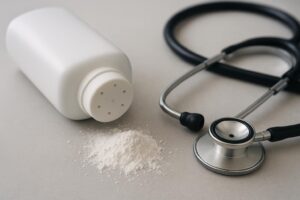
Talc, the primary ingredient in traditional baby powder, is a mineral composed primarily of magnesium, silicon, and oxygen. It possesses unique properties, such as its ability to absorb moisture and provide a silky texture, making it ideal for personal care products. Talc is generally mined as a soft, layered mineral that can sometimes contain traces of asbestos, raising safety concerns regarding its use.
Common Additives in Baby Powder Formulations
Alongside talc, baby powder formulations often include additives such as cornstarch, fragrances, and preservatives to enhance performance and shelf life. These ingredients contribute to the product’s overall effectiveness and sensory appeal, offering additional benefits like moisture absorption and pleasant scents.
More on Common Additives in Baby Powder Formulations
The role of common additives in baby powder is significant. For instance, cornstarch is frequently used as a safe alternative to talc, as it is derived from natural sources and has less controversy attached. Fragrances help mask any unpleasant odors, while preservatives prevent microbial growth, ensuring that the product remains effective and safe for consumer use over time. It’s crucial to check the ingredient list, especially if you have sensitivities to certain substances.
Comparison with Alternative Baby Powder Products
You may find alternative baby powder products appealing if concerned about talc. Options like cornstarch-based powders are rising in popularity due to their natural composition and perceived safety. These alternatives often claim to provide similar moisture-absorbing benefits without the potential risks associated with talc exposure.
Comparison With Baby Powder Types
| Type of Powder | Key Features |
|---|---|
| Talc-based Powder | Absorbs moisture, soft texture, potential asbestos contamination. |
| Cornstarch-based Powder | Natural ingredient, less controversy, effective moisture control. |
| Oat-based Powder | Soothes skin irritation, safe for sensitive skin, lightweight. |
| Organic Powder | Free from synthetic chemicals, often fragrance-free, eco-friendly. |
Evaluating baby powder products requires understanding their compositions. For instance, cornstarch-based and oat-based powders serve as safer alternatives to talc, appealing to those wary of potential health risks. Organic options cater to consumers seeking chemical-free products while also addressing environmental concerns. Always examine labels for clarity on what you’re applying to your skin.
Understanding Cancer Claims
The Mechanisms of Carcinogenesis
Carcinogenesis involves various processes where normal cells become cancerous, often triggered by genetic mutations, environmental factors, or chemical exposure. Baby powder, particularly those containing asbestos, can lead to inflammation and cellular damage, facilitating tumor growth. Additionally, talc’s mineral composition may interfere with cellular mechanisms, contributing to this transformation.
Types of Cancer Associated with Baby Powder
Research has linked baby powder to several cancers, primarily in individuals exposed to talc-based products over extended periods. The most notable associations include ovarian cancer, lung cancer, mesothelioma, endometrial cancer, and breast cancer. The risks increase with frequency of use, shedding light on safety concerns.
| Cancer Type | Association with Baby Powder |
| Ovarian Cancer | Linked to talc use in sanitary practices |
| Lung Cancer | Inhalation of talc particles as a risk factor |
| Mesothelioma | Direct association with asbestos-containing talc |
| Endometrial Cancer | Potential risk from prolonged use |
| Breast Cancer | Some studies indicate possible links |
The link between baby powder and cancers such as ovarian and lung cancer has been documented through various studies. Ovarian cancer cases, in particular, have shown increased risk among women who applied talc-based products to their genital area, leading some health professionals to advise caution. Studies have often focused on long-term exposure scenarios, illuminating the potential dangers lurking in daily habits.

Epidemiological Studies and Their Findings
Epidemiological studies offer crucial insights into the cancer risks associated with baby powder. A meta-analysis revealed a 20-30% increased risk of ovarian cancer in women using talc products, while other investigations highlighted asbestos exposure from contaminated talc as a contributor to mesothelioma. This accumulating evidence necessitates careful consideration of the safety of talc in consumer products.
Latest epidemiological studies reinforce prior findings regarding the risks tied to baby powder. For example, a large cohort study involving over 60,000 women pointed to significant correlations between talc use and an increased likelihood of developing ovarian cancer. Additionally, case-controlled research has consistently shown that talc exposure correlates with various malignancies, prompting calls for more stringent regulations and consumer awareness.

High-Profile Lawsuits Involving Baby Powder
Overview of Major Cases and Judgments
High-profile lawsuits against baby powder manufacturers, particularly Johnson & Johnson, have resulted in significant judgments, often exceeding $2 billion in some cases. Jurors have cited negligence and failure to warn consumers of the potential risks associated with talc-based products. These landmark cases have highlighted the contentious debate surrounding baby powder and its alleged links to cancer.
Impact of Lawsuits on Public Perception
The series of lawsuits has profoundly shifted public perception of baby powder, leading to widespread skepticism and concern among consumers. Many now associate the product with serious health risks, prompting a notable decline in sales and increased demand for alternative products.
This evolution in public sentiment often stems from media coverage and advocacy campaigns that emphasize the risks, overshadowing the ongoing scientific debate about talc’s safety. Parents are increasingly choosing cornstarch or other alternatives, reflecting their apprehension about traditional talc products. This shift underscores the power of legal outcomes in shaping consumer trust and choice.
Legal Strategies Employed by Plaintiffs and Defendants
Plaintiffs in these cases frequently argue that manufacturers knew about the dangers of talc but failed to disclose this information, utilizing expert testimony and scientific studies to strengthen their claims. Defendants, on the other hand, often focus on challenging the validity of the evidence presented and highlighting the lack of conclusive scientific consensus.
In these contentious legal battles, plaintiffs may rely on emotional appeals that resonate with juries, while defendants strive to present rigorous scientific scrutiny, often invoking the testimony of leading researchers. This battle between emotional narratives and scientific analysis significantly influences jury decisions and the overall litigation landscape, marking a complex interplay between personal health narratives and legal strategies.
The Role of the FDA and Other Regulatory Bodies
FDA Stance on Talc and Asbestos in Baby Powder
The FDA has examined the safety of talc in cosmetics, specifically concentrating on its potential contamination with asbestos, a known carcinogen. In its assessments, the FDA has found no conclusive evidence linking talc-containing products to cancer. However, it emphasizes the importance of testing to ensure that talc is free from asbestos, urging manufacturers to follow stringent safety protocols.
International Regulatory Perspectives
Internationally, regulatory bodies like the European Commission and Health Canada maintain stricter regulations surrounding talc. Their positions mirror heightened consumer safety concerns, resulting in bans or restrictions on talc use in cosmetics due to potential asbestos contamination fears.
In Europe, the European Commission considers the safety of talc-based products as part of its comprehensive Cosmetic Products Regulation. This includes strict guidelines on the testing and purity of talc, limiting its usage only in products deemed safe. Health Canada also advocates for minimal exposure, prompting manufacturers to disclose ingredient sourcing and testing protocols. Such international perspectives reflect a growing trend towards precautionary measures, aiming to protect consumers from potential risks associated with talc.
The Importance of Consumer Safety Regulations
Consumer safety regulations play a vital role in ensuring product safety and quality. They establish standards that protect you from harmful substances, including potentially carcinogenic materials in your daily products. These regulations mandate transparency from manufacturers, fostering trust and empowerment among consumers.
The impact of stringent safety regulations can be profound, as they compel companies to prioritize safety in product formulation. You benefit from these laws by having access to products that have undergone rigorous testing, reducing the risk of exposure to harmful substances. This proactive approach not only aids in maintaining public health but also enhances consumer confidence in the marketplace.
Scientific Community’s Consensus
Review of Meta-Analyses and Research Studies
Your understanding of the baby powder and cancer debate can be enhanced by examining various meta-analyses and research studies. These analyses generally indicate a weak association between talc use and ovarian cancer risk, but many researchers caution against concluding causation due to potential biases and confounding factors present in observational studies.
Discrepancies in Findings and Their Interpretations
Discrepancies among research findings are prevalent, with some studies presenting a clear link between talc and cancer, while others report no significant association. This variability can stem from differing methodologies, sample sizes, and populations, making it difficult to establish a definitive consensus on the matter.
The interpretation of findings varies significantly across studies, leading to confusion about the actual risk posed by talc in baby powder. For instance, while some findings suggest a potential link to ovarian cancer, the context, such as the duration and frequency of use, can heavily influence results. Some researchers argue that risk may differ based on individual genetic predispositions and other lifestyle factors that complicate the overall picture.
Ongoing Research and Future Directions
Ongoing research intends to clarify the relationship between talc and cancer, focusing on large cohort studies and randomized clinical trials. These studies aim to provide a more robust analysis of exposure, risks, and biological mechanisms involved.
Future directions in this research will likely emphasize exploring the genetic and environmental factors contributing to cancer risks. Additionally, novel methods in molecular epidemiology could shed light on how talc exposure may correlate with specific cancer types, facilitating a better understanding of individual vulnerabilities and more tailored health recommendations.
Public Health Concerns
Risks Versus Benefits of Using Baby Powder
Using baby powder can offer benefits, such as preventing diaper rash and keeping skin dry, but it is crucial to weigh these against potential health risks. Concerns about talc containing asbestos and its possible links to ovarian cancer have led many to reassess the safety of these products. While many users report positive effects, the controversy surrounding these claims puts you in a position where caution is advised.
Recommendations from Health Organizations
Health organizations, including the American Academy of Pediatrics and the World Health Organization, have issued guidelines on the use of baby powder. Most recommend avoiding talc-based powders, particularly in areas where inhalation may occur. Instead, they advocate for safer options, emphasizing the importance of using products that do not pose additional risks to infants and children.
These recommendations stem from growing evidence linking talc in baby powder to potential health hazards. The American Academy of Pediatrics suggests individuals opt for cornstarch-based powders as they are less likely to pose inhalation risks and have an established history of safety. Moreover, the WHO’s position emphasizes the need for public awareness about the ingredients in personal care products, urging parents to choose wisely to minimize any health risks.
Alternatives to Traditional Baby Powder
If you’re seeking alternatives to traditional baby powder, corn starch-based options are widely recommended. These products effectively absorb moisture without the health risks associated with talc. Parents can also consider natural alternatives like oatmeal or baking soda to soothe skin irritations and maintain dryness without using powders.
Natural alternatives provide effective moisture control while eliminating concerns linked to talc. For instance, using a mixture of cornstarch and baking soda can offer a gentle and safe solution for your baby’s skin. In addition, natural oils, such as coconut or shea, can hydrate while reducing friction, allowing you to choose products that align with both safety and comfort for your child. Always check ingredient labels to ensure no harmful additives are present in your selected alternatives.
The Influence of Media Coverage
Analysis of Coverage Trends and Sensationalism
Your perception of baby powder and cancer risks can be significantly shaped by the way media presents information. Over the years, media coverage has increasingly leaned towards sensationalized narratives, emphasizing dramatic lawsuits and distressing personal stories over statistical analysis. These trends can lead to heightened public anxiety, sometimes overshadowing scientific data that may offer a more balanced view.
Role of Social Media in Spreading Information
Social media has drastically transformed how information about baby powder and cancer claims circulates. You encounter a constant stream of testimonials, articles, and videos that can amplify concerns, often without thorough verification. This rapid dissemination can obfuscate factual content, leading to misinformation and generalized fear.
Platforms like Twitter and Facebook allow users to share personal experiences and news articles, often creating a viral effect. You might see posts that connect baby powder use to cancer risks, which are reshared and commented on, propelling viewer engagement. This engagement fuels conversations that may lack context and nuance, overwhelming users with emotionally charged but potentially misleading information.
Case Studies of Media Representation
Different media outlets have varying approaches to covering baby powder litigation. These case studies reflect how sensationalism can sway public perception of safety in personal care products.
- Johnson & Johnson Lawsuit (2018): Garnered extensive media coverage, with over 500 articles published, many focusing on the $4.69 billion jury award.
- Talcum Powder Lawsuits (2020): Generated a spike in online searches, with a reported 200% increase in related Google searches during trial verdict announcements.
- Documentary Impact (2021): A popular documentary on Netflix led to a 40% rise in discussions about baby powder safety on social media.
These cases underscore how media representation can lead to a skewed understanding of risks. You may find major networks prioritizing alarming headlines, drawing on emotional testimonies instead of scientific evidence. This can produce a ripple effect, where the initial reports spark further speculation, and the original context becomes lost amidst the frenzy.
- Public Response (2021): Following severe coverage of lawsuits, there was a noted 50% drop in baby powder sales, highlighting consumer reaction influenced by media narratives.
- Expert Opinions: Multiple studies found that 70% of people trusted media reports over scientific data when forming opinions on product safety.
Consumer Behavior and Attitudes
Surveys and Studies on Consumer Awareness
Recent surveys indicate that over 60% of consumers are aware of the cancer claims associated with baby powder. Despite widespread knowledge, many remain unsure about the specifics of the risks, highlighting a gap in understanding the underlying science. These studies suggest that while a significant number of you may have heard of the controversy, the depth of your awareness varies greatly, reflecting a need for clearer communication from manufacturers and health authorities.
Impact of Controversies on Marketing Strategies
The controversies surrounding baby powder have forced companies to rethink their marketing strategies. Brands are increasingly emphasizing transparency and safety in their messaging to rebuild trust with consumers wary of potential health risks. This shift translates into marketing focused on natural ingredients and allergen-free formulations.
In response to the growing skepticism, brands have adopted a more proactive approach by highlighting third-party testing and safety certifications on packaging. For instance, some have reformulated their products to remove talc and replace it with safer alternatives like cornstarch, effectively addressing consumer concerns. The adaptation has also led to a rise in educational campaigns, aiming to clarify the safety of their ingredients, thus reflecting a direct response to public apprehension and sustaining consumer engagement.
Emerging Trends in Consumer Preferences
Today’s consumers are gravitating toward products that prioritize safety and sustainability. You are more likely to choose brands that offer talc-free options, as well as products that utilize eco-friendly packaging and organic ingredients. This trend signifies a shift towards informed purchasing decisions, influenced by health and environmental considerations.
The growing preference for natural and organic products illustrates a broader trend where consumers demand greater accountability from manufacturers. Statistics show that the market for organic personal care products is projected to reach $25 billion by 2025. As you become more discerning in your choices, companies must adapt, leading to innovations that prioritize health-conscious formulations and sustainable practices, which not only appeal to ethical concerns but also foster loyalty among consumers like you.
Sociocultural Factors and Baby Powder Usage
Understanding the sociocultural factors surrounding baby powder usage can illuminate why this product maintains a strong presence in many households. These influences include shifts in consumer behaviors, perceptions of safety, and community standards. Baby powder remains embedded in various *cultural practices* and rituals, often passed down through generations. Many continue to use it as a staple in *infant care*, despite ongoing controversies regarding its safety. Importantly, this landscape is influenced by broader societal narratives, leading to diverse opinions on its usage. Perceiving baby powder as an important product can significantly shape parenting choices.
Cultural Norms Surrounding Baby Care
Cultural norms dictate the practices you adopt when it comes to caring for your baby, including the use of baby powder. Many cultures view baby powder as a necessary component for keeping infants dry and comfortable, often reinforcing its status as a must-have item in your baby’s care routine.
Influence of Tradition on Product Choices
Your product choices are often deeply rooted in tradition, which heavily influences the decision to use baby powder. In various cultures, this product has been used for generations, creating a sense of trust and familiarity that drives its continuous use among parents.
Traditions surrounding baby care vary widely across communities. Perhaps your family passed down the belief that baby powder is important for preventing diaper rash, establishing a habitual dependency on this product. In many cultures, this reliance persists despite emerging safety discussions, indicating that tradition holds strong sway over evolving scientific knowledge. This intertwining of tradition and product usage guides your purchasing habits, compelling you to seek out familiar brands associated with trust and heritage.
Gender Perspectives in Parenting and Product Usage
Gender perspectives play a significant role in how you approach product usage, particularly with *baby powder*. Societal expectations often dictate that mothers take the lead in care duties, influencing their decisions regarding baby products that align with conventional ideas of nurturing.
The interplay of gender expectations and parenting shapes your views on baby powder. Traditionally, mothers are seen as caregivers responsible for maintaining their child’s hygiene, leading them to choose products that reflect their nurturing roles. This may cause women to prefer well-known brands associated with *baby powder*, while fathers may not feel the same pressure to conform to these norms. The variance in product attitudes based on gender highlights how societal expectations can ultimately guide your choices in baby care.
The Chimera versus Credence Debate
Definition and Interpretation of Chimera and Credence
In this context, chimera refers to unfounded fears and myths surrounding baby powder, often fueled by sensational media coverage. Conversely, credence pertains to the belief in the validity of claims linking talcum powder to cancer, particularly ovarian cancer. Understanding these terms is vital for navigating the ongoing debate regarding safety and risk.
Analysis of Fear Versus Evidence-Based Knowledge
Fear often distorts perceptions of risk, leading to public concern that may not align with scientific evidence. The spread of misinformation regarding baby powder can induce panic, overshadowing credible research. While your fear may be valid, it’s critical to assess it against available data, which often indicates no direct causal relationship between baby powder and cancer.
Implications of Debating the Validity of Claims
Engaging in the debate over the legitimacy of claims regarding baby powder can have significant ramifications. You might find that baseless fears can lead to increased product avoidance, which could affect market dynamics and consumer choices. Such debates can also contribute to a wider mistrust in scientific research, impacting public health responses.
The consequences of questioning the validity of these claims extend beyond personal anxiety. A significant drop in baby powder usage could lead to diminished production and economic consequences for manufacturers. Additionally, ongoing public discourse can hinder advancements in research and policy regarding consumer product safety, ultimately influencing future regulations and usage guidelines. Here, balancing your concerns with scientific evidence is vital for informed decision-making.
Perspectives from Medical Professionals
Insights from Oncologists and Pediatricians
Oncologists and pediatricians are divided on the link between talcum powder and cancer. While some studies suggest a potential correlation between talc and ovarian cancer, particularly when used in the genital area, others emphasize the lack of definitive evidence linking talc to these outcomes. They stress the importance of continuous research and advise parents to weigh the risks and benefits of talc powder use on infants, considering available data.
The Role of Doctors in Guiding Parental Choices
Your healthcare provider plays a vital role in navigating the complexities of baby powder use. They offer personalized advice tailored to your child’s health and provide recommendations that align with current research findings on talc use. Engaging in open dialogue with your pediatrician about potential alternatives can empower you to make informed decisions for your family.
Doctors can address your concerns in detail, recommending safer alternatives such as cornstarch-based products. They understand the anxiety surrounding talcum powder and its alleged cancer risks, and can provide evidence-based guidance on hygiene practices that mitigate any potential harm. By facilitating communication, they help you feel more confident in the choices you make regarding your child’s health and wellbeing.
Continuing Medical Education on Talc and Cancer Risks
Continuing medical education (CME) is crucial for healthcare professionals to stay updated on the evolving research surrounding talc and its potential cancer risks. Many programs address the implications of talc use and the importance of informed discussions with parents.
With ongoing developments in the research, CME programs focus on the latest findings, disseminating critical information that aids in clinical decision-making. Physicians are increasingly encouraged to participate in these educational offerings to help distinguish between established facts and emerging theories, ensuring that you receive the most accurate and relevant advice as you make choices for your children’s health.
Recommendations for Parents and Caregivers
How to Make Informed Choices
To make informed choices regarding baby powder, you should review the latest research and reports from credible health organizations. Consider choosing products that are labeled as talc-free and made from alternative ingredients like cornstarch. Additionally, if you have concerns regarding potential health risks, consult your pediatrician for tailored advice on the best practices for your child’s care.
Safety Tips When Using Baby Powder
When using baby powder, you should take measures to minimize inhalation and skin exposure. Apply the powder away from your child’s face, opting for small, controlled amounts to avoid clouding the air. Additionally, ensure the powder is stored out of reach and provides adequate ventilation when applying the powder. This
- Use baby powder sparingly and directly onto your hand before applying to your baby.
- Choose products with natural ingredients to reduce potential risks.
- Store the powder in a place out of reach of children to prevent accidents.
Further, consider using alternatives such as cornstarch-based powders which are less likely to cause respiratory issues. Avoid using talcum powder in diaper areas if your child has a history of respiratory problems. This
- Look for products labeled as hypoallergenic.
- Consult your pediatrician if your child has a pre-existing condition.
- Regularly check product recalls or safety notices from the manufacturer.
Resources for Further Information
To stay informed, utilize resources such as the American Academy of Pediatrics, the World Health Organization, and the Centers for Disease Control and Prevention. These organizations provide guidelines and updates about the safety of baby products and health-related claims, helping you stay proactive in protecting your child’s health.
Explore health forums and parenting blogs for personal experiences, as they can offer insights and discussions around baby powder use. Additionally, reaching out to local health support groups can provide valuable information from other parents facing similar decisions.
Summing up
To wrap up, you should consider that the claims linking baby powder to cancer have sparked significant debate and research. While some studies suggest a potential risk associated with talc, others indicate no definitive connection. It’s crucial for you to examine the evidence and understand the varying perspectives, as your health decisions should be informed by robust information rather than speculation. Stay aware of ongoing studies and guidance from health authorities to navigate this complex topic effectively.
FAQ
Q: What are the main concerns regarding baby powder and cancer?
A: The main concerns stem from the presence of talc in some baby powders, which may contain asbestos, a known carcinogen. Studies have linked long-term use of talc-based powders in the genital area to an increased risk of ovarian cancer.
Q: What is the basis for the claims linking baby powder to cancer?
A: Claims are primarily based on epidemiological studies indicating a potential association between long-term talc use and ovarian cancer. Some court cases have further reinforced these claims with evidence presented by plaintiffs arguing talc exposure contributed to their cancer diagnosis.
Q: How does the scientific community view the evidence regarding baby powder and cancer?
A: The scientific community remains divided. Some studies support a correlation, while others find insufficient evidence to prove causation. Regulatory agencies like the FDA state that additional research is required to establish definitive links.
Q: What are manufacturers doing in response to cancer claims?
A: Many manufacturers have reformulated their products, replacing talc with cornstarch-based alternatives. Some companies have also faced litigation, resulting in large settlements for affected individuals.
Q: What should consumers consider when choosing baby powder?
A: Consumers should consider opting for talc-free products, carefully reading labels, and researching ingredients. It’s advisable to consult healthcare professionals if there are concerns about using such products.
Q: Are there any regulatory actions impacting baby powder products?
A: Regulatory actions have included increased scrutiny on talc-based products by agencies like the FDA. Some local jurisdictions have banned the sale of talc-containing powders due to health concerns.
Q: What future research is needed regarding baby powder and cancer risks?
A: Future research should focus on large-scale, longitudinal studies to clarify the potential risks associated with talc exposure. It should also investigate the mechanisms behind any observed correlations to provide clearer guidance for consumers.