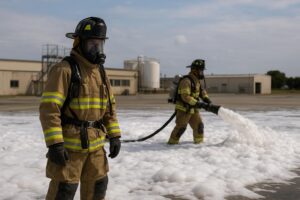
It’s crucial to understand the steps involved to File An AFFF Testicular Cancer Claim for AFFF-related testicular cancer. Exposure to Aqueous Film-Forming Foam (AFFF) used in firefighting can lead to serious health issues, including testicular cancer. If you or a loved one has been diagnosed, taking swift action can help you secure the compensation you deserve. This guide will walk you through each step of the claims process, ensuring you are well-informed and prepared to advocate for your rights.
You may be one of the many individuals affected by testicular cancer linked to aqueous film-forming foam (AFFF) exposure. Navigating the claims process can be overwhelming, but understanding the necessary steps can empower you to seek justice and compensation. This blog post will guide you through the important actions you need to take to effectively file your AFFF testicular cancer claim, ensuring you have the information and resources at your fingertips to support your case.

Key Takeaways:
- Determine eligibility: Confirm that your testicular cancer diagnosis fits within the criteria for AFFF-related claims.
- Gather documentation: Collect medical records, service records, and evidence linking AFFF exposure to your cancer.
- Consult legal assistance: Seek guidance from a lawyer experienced in AFFF claims to navigate the process effectively.
- File your claim: Complete and submit the necessary forms to the appropriate agency or entity responsible for handling AFFF claims.
- Be persistent: Follow up regularly to check the status of your claim and respond promptly to any requests for additional information.
- Consider other compensations: Explore additional benefits that might be available through Veterans Affairs or other organizations related to chemical exposure.
- Stay informed: Keep updated on developments related to AFFF lawsuits and claims to maximize your understanding and potential outcomes.
Key Takeaways:
- Understand eligibility: Ensure you meet the criteria for filing a claim related to AFFF exposure and testicular cancer.
- Gather medical evidence: Collect medical records that establish a diagnosis of testicular cancer and document any exposure to AFFF.
- Consult with experts: Engage with attorneys specializing in personal injury claims to guide you through the legal process.
- File within deadlines: Be aware of the statute of limitations for filing a claim in your jurisdiction to avoid losing the right to seek compensation.
- Detail exposure history: Document where and how you were exposed to AFFF, including any military or occupational service details.
- Consider compensation options: Explore potential financial support packages, including settlements, disability benefits, and other related compensation.
- Stay informed: Keep updated on legal developments regarding AFFF claims, as regulations and policies may evolve over time.
The Medical Landscape of AFFF Testicular Cancer
Your understanding of the medical implications of AFFF exposure can significantly influence your claim process. Aqueous Film-Forming Foam (AFFF) has been utilized extensively in firefighting, particularly within military and aviation contexts. The chemicals found in AFFF, notably per- and polyfluoroalkyl substances (PFAS), have been linked to various health concerns, including reproductive and developmental issues. Knowing how these chemicals affect your body is crucial, especially when considering the possible onset of diseases like testicular cancer.
AFFF Chemicals and Health Risks
The primary chemicals in AFFF, specifically PFAS, are known for their persistence in the environment and human body, earning them the nickname “forever chemicals.” These substances have been associated with increased risks of liver damage, thyroid disease, and immune system disorders. Their role in cancer development, particularly in sensitive organs like the testes, expands the health risks for those exposed.
The Link Between AFFF Exposure and Testicular Cancer
Studies have revealed a troubling association between AFFF exposure and testicular cancer. In recent research, firefighters and military personnel exposed to AFFF have shown higher rates of testicular cancer, particularly among those with prolonged contact. This connection is believed to stem from the interference of PFAS with hormonal functions and the disruption of cellular processes in the testes.
The evidence supporting the link between AFFF and testicular cancer is growing more compelling. For instance, a study published in the Journal of Occupational and Environmental Medicine highlighted that firefighters exposed to AFFF had a 24% increased incidence of testicular cancer compared to the general population. Other research also suggests that the hormonal disruption caused by these chemicals may facilitate tumorigenesis in the testicular tissues. Additionally, the Occupational Safety and Health Administration has recognized that long-term exposure to PFAS can double the risk of certain cancers. As you consider your claim, understanding these links can be pivotal in establishing the relevance of your AFFF exposure to your diagnosis.
Decoding Your Eligibility for AFFF Testicular Cancer Claims
Understanding your eligibility for AFFF testicular cancer claims hinges on two central factors: your exposure to AFFF and the established medical connection to testicular cancer. By carefully assessing these components, you can determine the strength of your case and take the necessary steps toward filing a successful claim.
Ascertaining Exposure to AFFF
Your exposure to AFFF is a pivotal aspect of your claim. This may involve military service, roles as a firefighter, or other occupations where AFFF was frequently used. Documenting these experiences can significantly bolster your eligibility.
Understanding the Connection to Testicular Cancer
The link between AFFF exposure and testicular cancer is increasingly recognized in medical literature. Studies suggest that per- and polyfluoroalkyl substances (PFAS) found in AFFF are associated with higher risks of several cancers, including testicular cancer. The mechanism often involves the accumulation of these chemicals in body tissues over time, leading to cellular changes and cancer development. You should gather any medical records or studies that support this connection, as they will be vital in substantiating your claim.
Understanding Eligibility Requirements for Claims
Determining eligibility for an AFFF testicular cancer claim hinges on a few key factors. You must have a diagnosis of testicular cancer and a documented history of exposure to AFFF (Aqueous Film-Forming Foam) during your career, particularly if you were involved in firefighting or military operations. To learn more about the specific criteria needed to qualify, visit Who Qualifies for the AFFF Lawsuit in 2025?.
Who Can File a Claim?
If you have been diagnosed with testicular cancer and were exposed to AFFF at any point in your career, you may qualify to file a claim. This includes firefighters, military personnel, and airport workers, among others. Being part of any facility or operation where AFFF was used increases your likelihood of eligibility.
Necessary Medical Documentation
To strengthen your claim, gather all relevant medical documentation that supports your diagnosis of testicular cancer. This may include pathology reports, treatment records, and radiology reports indicating the nature of your condition.
Detailed medical documentation is vital for your claim, as it substantiates the direct link between your testicular cancer diagnosis and your exposure to AFFF. Ensure you have comprehensive records from your healthcare provider detailing your diagnosis, treatment plan, and any related health issues. This evidence can help establish a timeline of your cancer diagnosis and demonstrate the full extent of your medical history, which may be crucial during the claims process. Consider consulting with a legal professional to ensure that all necessary documentation is properly organized and submitted.
Navigating the Paperwork: Essential Documentation
Your AFFF testicular cancer claim will require careful attention to detail, especially when it comes to the paperwork. Having the correct documentation in hand is vital to supporting your claim effectively. Accurate and comprehensive records can help establish a strong connection between your cancer diagnosis and your exposure to AFFF, ensuring your case has the best chance of success.
Medical Records and Cancer Diagnosis
Gathering your medical records is foundational to your claim. Documentation that confirms your testicular cancer diagnosis, including pathology reports, imaging studies, and treatment records, all play a substantial role in validating your condition. Opting for a clear timeline of treatment and diagnosis can further strengthen your case.

Employment Records to Prove Exposure
Providing detailed employment records is necessary to substantiate your exposure to AFFF. You should compile documents such as pay stubs, job descriptions, and workplace safety reports that indicate your presence in environments where AFFF was used. Highlighting these records can illustrate a direct link between your employment and cancer diagnosis.
Your employment records can include necessary details such as the duration of your tenure at the relevant job sites, specific roles you held, and any safety training you underwent. Obtaining witness statements from coworkers or supervisors may also be beneficial. If you worked in the military, securing documentation from your service records indicating potential AFFF exposure strengthens your claim significantly. Understanding the timeline of your exposure alongside your diagnosis will provide clarity in establishing causation, which is critical for your case.
Navigating the Claims Process: Key Steps to Take
Successfully navigating the claims process involves a series of organized and strategic steps. You will want to start by assembling all necessary documentation, which will support your case and demonstrate your eligibility for compensation. Each step— from gathering evidence to submitting your application— requires meticulous attention to detail, ensuring your claim stands out as legitimate and compelling.
Gathering Evidence and Medical Records
Prior to filing your claim, collect all relevant medical records and supporting evidence that links your testicular cancer diagnosis to AFFF exposure. This should include diagnostic reports, treatment history, and any documentation from healthcare providers that confirms your situation. Furthermore, statements from colleagues or individuals familiar with your exposure may add weight to your case.
Completing the Claims Application Form
The claims application form is your official entry point to seek compensation. You’ll need to accurately fill out all sections, providing comprehensive details about your diagnosis, medical history, and exposure to AFFF. Each entry should be clear, concise, and truthful, as any discrepancies may delay your claim or lead to denial.
Pay close attention to the specific questions on the application form; these typically require you to elaborate on how AFFF was used in your environment, the duration of exposure, and the timeline of your illness. Ensure you detail any symptoms you experienced, treatments you’ve undergone, and how your quality of life has been affected since your diagnosis. Missing information or inconsistencies can lead to unnecessary complications in processing your claim.
Crafting a Compelling Claim: Key Elements

Your claim must present a clear and persuasive case that demonstrates the connection between your exposure to AFFF and your diagnosis of testicular cancer. Include specific details regarding your military service or occupational exposure to AFFF, stressing the timeline and frequency of exposure. This can help strengthen your claim by showcasing how negligence or lack of appropriate safety measures contributed to your illness.
Articulating the Narrative of Exposure
Describe your exposure history by detailing where and how often you encountered AFFF. Mention specific incidents, jobs, or assignments where you believe your exposure occurred. Including eyewitness accounts or supporting statements from colleagues, if available, can bolster your narrative, giving a human touch to your claim and helping reviewers visualize your experiences.
Detail the Impact on Quality of Life
The ramifications of your diagnosis may extend beyond physical health issues; it can profoundly affect your emotional and psychological well-being, relationships, and daily activities. Explain how testicular cancer has altered your life, from the treatment journey to changes in your mental health, social interactions, and ability to work or engage in hobbies you once enjoyed. This context adds weight to your claim.
Highlighting these transformative impacts emphasizes that the consequences of AFFF exposure are severe and multifaceted. Many survivors experience depression, anxiety, and strain on personal relationships due to the stress of navigating a cancer diagnosis. By addressing these aspects in your claim, you underscore the comprehensive toll that your illness has taken, reflecting its true impact on your quality of life.
Common Pitfalls to Avoid When Filing Your Claim
Avoiding common pitfalls can significantly enhance your chances of a successful AFFF testicular cancer claim. Many claimants overlook details that could strengthen their case or inadvertently sabotage their efforts. Staying informed and vigilant about these potential missteps is important for a smoother claims process.
Misunderstanding Claim Deadlines
Being misinformed about deadlines can jeopardize your claim. Each jurisdiction has its own statute of limitations for filing personal injury claims. If you allow the deadline to pass without submitting your claim, you may lose the opportunity to seek compensation entirely, regardless of the merits of your case.
Inadequate Medical Evidence
Providing insufficient medical evidence to support your claim can significantly weaken your case. Medical records must clearly document your diagnosis of testicular cancer and demonstrate a connection to AFFF exposure. Failing to include comprehensive documentation may lead to delays or denials from insurers.
Gathering thorough medical evidence means not only obtaining your cancer diagnosis but also securing expert opinions and comprehensive treatment records. You may also need to include historical health data that illustrates previous occupational exposure to AFFF. Engaging with healthcare professionals who understand the links between chemical exposure and cancer can bolster your case. Their evaluations and testimonies will substantiate the impact AFFF had on your health, ensuring your claim is grounded in solid, factual data.
The Review Process: What to Expect After Filing
Once your claim is filed, it enters the review process where legal experts analyze your submitted documentation and evidence. This phase may take several months as your case is examined thoroughly, ensuring all relevant details are considered. Keep an eye on notifications, as your attorney may request additional information or clarifications to bolster your claim.
Timeline of Claim Processing
The timeline for processing an AFFF testicular cancer claim can vary significantly based on individual cases and the efficiency of the review team. Generally, you can expect the initial review to take between 3 to 6 months. This timeframe might extend further if the evidence submitted requires deeper scrutiny or additional documentation is requested.
Potential Outcomes and Next Steps
Upon completion of the review, your claim can result in several outcomes ranging from approval to denial. If approved, you may receive compensation for medical expenses, lost wages, and pain and suffering. Should your claim be denied, you have the option to appeal the decision, which often involves presenting new evidence or addressing any issues highlighted during the review.
Understanding these potential outcomes helps you prepare for the next steps in your claim process. If your claim is successful, your attorney will guide you through the compensation phase, ensuring you receive what you’re owed. However, if an appeal is necessary, you may need to revisit your documentation, potentially compile additional evidence, or even seek expert testimony to support your case. Engaging your attorney during this critical time can bolster your chances of a favorable resolution, as they understand how to navigate the complexities of appeals effectively.
Leveraging Legal Assistance to Strengthen Your Claim
Enlisting legal assistance can significantly enhance the success of your AFFF testicular cancer claim. Specialized attorneys bring a wealth of knowledge about the intricacies of the law surrounding AFFF exposure and its associated health risks. They help navigate the complexities of gathering evidence, adhering to deadlines, and formulating a compelling argument to support your case.
The Role of Specialized Attorneys
Experienced attorneys specializing in AFFF litigation understand the nuances of your situation and what must be proven for a successful claim. They can connect you with medical experts, gather necessary documentation, and leverage their legal acumen to negotiate on your behalf, ensuring that every detail bolsters your case.
How to Select the Right Legal Representation
Selecting the best attorney for your AFFF testicular cancer claim involves considering their experience, track record, and familiarity with similar cases. Look for attorneys who have successfully resolved claims for other victims, and who understand the unique challenges posed by AFFF exposure. A firm with a dedicated focus on toxic torts will be better equipped to advocate for your rights and secure the maximum compensation possible.
When evaluating legal representation, seek referrals from former clients, read online reviews, and schedule consultations to discuss your case. Assess their communication style and responsiveness to your questions. Experienced attorneys often provide a clear outline of their strategy and expected outcomes. Inquire about their success rate in handling claims similar to yours and their approach to litigation versus settlement, as both can significantly influence your compensation potential.
Strategies for Increasing Claim Approval Rates
Increasing the chances of your claim being approved involves several strategic approaches. First, gather all relevant documentation that supports your case, including medical records linking AFFF exposure to your testicular cancer diagnosis. You should also ensure your claim is complete and accurately fills in all required sections. Engaging a specialized attorney can significantly improve claim outcomes, as they are familiar with precedents and have the expertise to navigate complex legal language. For comprehensive guidance, explore the AFFF Foam Cancer Lawsuit [2025 Update] | Firefighting … for more insights.

Common Pitfalls to Avoid
Avoid overlooking specific eligibility criteria or neglecting to submit critical documentation with your claim. Incomplete forms, missing medical records, or lack of proof linking AFFF exposure to your condition can jeopardize your claim. Additionally, be cautious of submitting information that contradicts your medical history or previous statements made in other claims.
Expert Consultation: When and Why It Matters
Consulting with an expert in AFFF claims provides a substantial advantage. These professionals understand the nuances of this specific legal arena and can help ensure your claim meets all necessary requirements. An expert also offers insights into potential compensation amounts and timelines, guiding you in making informed decisions about your case.
Receiving expert consultation as soon as possible can drastically affect the outcome of your AFFF testicular cancer claim. Not only can these experts help you navigate the intricacies of the legal process, but they also bring invaluable experience from previous cases and settlements. They can identify stronger evidence you might have overlooked and advise on specific strategies tailored to your situation, ensuring you maximize your chances of a favorable result. With their guidance, you can avoid common mistakes that often lead to claim denials and position yourself for a successful resolution.
To wrap up
To wrap up, filing an AFFF testicular cancer claim involves several vital steps. First, gather all relevant medical documentation that establishes your diagnosis and links it to AFFF exposure. Next, identify the responsible parties and compile evidence of your exposure history. After that, consult with a legal expert specializing in toxic tort claims to evaluate your case, as they can guide you through the nuances of filing. Finally, submit your claim promptly to ensure you meet all deadlines. Following these steps will help you navigate the litigation process effectively.
Conclusion
As a reminder, to file an AFFF testicular cancer claim, you should gather all relevant medical documentation, establish a connection between your cancer diagnosis and AFFF exposure, and consult with a legal expert who specializes in such claims. Additionally, ensure that you file within the appropriate time frame and submit all necessary forms accurately to avoid delays. By following these steps and seeking guidance, you can navigate the claims process with greater confidence.
FAQ
Q: What is an AFFF testicular cancer claim?
A: An AFFF testicular cancer claim is a legal request for compensation filed by individuals who have developed testicular cancer potentially linked to exposure to aqueous film-forming foam (AFFF). This foam is commonly used in firefighting and has been associated with harmful chemicals that may contribute to cancer development.
Q: Who is eligible to file an AFFF testicular cancer claim?
A: Individuals who have been diagnosed with testicular cancer and have a history of exposure to AFFF may be eligible to file a claim. Eligibility typically includes military personnel, firefighters, and other workers who have used or been around AFFF in their professional roles.
Q: What evidence do I need to support my claim?
A: To support your claim, you will need medical records documenting your diagnosis of testicular cancer, records of exposure to AFFF, and evidence linking the two. This might include workplace safety records or testimony from colleagues who can confirm your exposure to AFFF during your employment.
Q: How do I start the process of filing a claim?
A: The process typically begins with gathering all relevant documentation, including medical records and proof of exposure. You may also want to consult with a lawyer who specializes in AFFF claims to help guide you through the legal process and ensure that you meet all necessary requirements.
Q: Are there deadlines for filing an AFFF testicular cancer claim?
A: Yes, there are usually time limits known as statutes of limitations that dictate how long you have to file a claim after your diagnosis. These deadlines vary by state and may also be influenced by factors such as when you were last exposed to AFFF, so it is advisable to act quickly and consult legal counsel to ensure timely filing.
Q: What types of compensation can I seek through my claim?
A: Through an AFFF testicular cancer claim, you may seek various types of compensation, including medical expenses related to your diagnosis and treatment, lost wages due to inability to work, pain and suffering, and other damages resulting from your illness. An attorney can help assess your specific situation to maximize your claim.
Q: Can I file a claim if I have already received treatment for my cancer?
A: Yes, you can still file a claim even if you have undergone treatment for your testicular cancer. The key factors are the diagnosis and documented exposure to AFFF. It is crucial to have sufficient medical and occupational evidence to support your claim regardless of when treatment occurred.