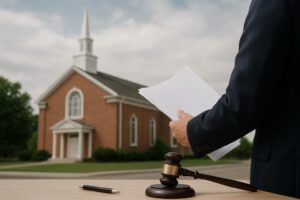
You may be wondering who is eligible to benefit from the LDS Church sexual abuse settlement. This settlement is designed for individuals who have experienced sexual abuse within the church, and it aims to provide support to survivors. They must demonstrate that their abuse was linked to the church’s teachings or leadership actions. Specifically, he, she, or they should consider filing a claim if they suffered abuse while involved in church activities or under church authority. Understanding these qualifications is crucial for those seeking justice and accountability.

Key Takeaways:
- Individuals who have experienced sexual abuse while members of the LDS Church may be eligible for compensation under the settlement.
- The settlement is aimed at offering financial relief to victims and addressing the church’s handling of sexual abuse cases.
- Eligibility includes those abused by church leaders or during church-sponsored activities, emphasizing accountability within the institution.
- Detailed documentation of the abuse may be required to support claims, with specific guidelines provided for submission.
- The settlement process is designed to be accessible, providing legal support to victims navigating their claims.
The Genesis of the LDS Church Sexual Abuse Settlement
Historical Context of the Settlement
In recent years, allegations of sexual abuse within the LDS Church’s ranks have gained significant attention, highlighting systemic issues that span decades. These revelations prompted public outcry and legal scrutiny, as survivors sought justice and accountability within a religious framework that often prioritized the institution over victims’ voices.
Key Events Leading to the Agreement
A series of pivotal incidents and legal challenges laid the groundwork for the settlement. A notable turning point occurred when multiple plaintiffs came forward, sharing harrowing experiences of abuse and a perceived lack of response from church authorities. With mounting cases being filed, the church faced increasing pressure to address these issues more effectively.
In June 2021, a landmark case drew significant media scrutiny, as a former member publicly detailed their abuse and alleged cover-ups by church leaders. This incident galvanized support for other victims, leading to a coordinated legal effort. As more cases surfaced, the LDS Church was compelled to reevaluate its response strategy, culminating in negotiations for a settlement that acknowledged survivors’ experiences and made financial reparations. This settlement marks not only a significant financial commitment but also a cultural shift within the church, aiming to foster a safer, more transparent environment for all congregants.
Defining ‘Qualifying Individual’ in the Context of the Settlement
Criteria for Victims of Sexual Abuse
Individuals who qualify for the LDS Church sexual abuse settlement include those who have experienced sexual abuse within the scope of church activities or programs. These victims must provide evidence of their abuse, including but not limited to police reports, counseling records, or court documents to substantiate their claims. Only those who have encountered abuse directly linked to church-operated entities or affiliates will be eligible for compensation under the settlement terms.
Differentiating Between Church and Secular Definitions
The definition of a ‘qualifying individual’ within the context of the LDS Church settlement diverges significantly from secular definitions of sexual abuse. In a church context, the criteria often encompass the setting, the roles of the individuals involved, and whether church protocols were violated. Secular definitions typically focus on criminal statutes and the broader legal implications of abuse without specifics pertaining to the institution.
This differentiation can create confusion for potential claimants. For instance, a victim may consider their experience abusive under secular norms, but it may not fall under the church’s guidelines if it occurred outside of church activities or was perpetrated by someone unaffiliated with the church. The settlement aims to address incidents tied directly to church environments, emphasizing the importance of adhering to these established criteria for eligibility.
Understanding the Requirements for Claims
Evidence Needed to Support Claims
To establish a valid claim, individuals must present substantial evidence demonstrating that they experienced sexual abuse while associated with the LDS Church. This may include testimony from the survivor detailing their experiences, corroborative accounts from witnesses, medical or psychological records, and any relevant documentation such as police reports or records of prior complaints made to Church authorities. The stronger the evidence, the more likely a claim will be processed effectively.
Legal Framework Surrounding Submissions
An intricate legal framework governs the submission of claims within the context of the LDS Church’s sexual abuse settlement. State laws, including statutes of limitations, dictate how long survivors have to file their claims after an incident. Furthermore, various jurisdictions may impose different requirements regarding how claims are processed. Understanding these parameters is vital for potential claimants, as they navigate the intricate legal landscape associated with their submissions.
The legal framework surrounding submissions involves nuanced regulations that vary by state. For example, certain states have extended or eliminated statutes of limitations specifically for sexual abuse cases, allowing survivors to seek justice regardless of when the abuse occurred. This means that individuals who may have felt previously barred from filing a claim due to the expiration of traditional limitations may find new pathways to seek recognition and compensation. Legal counsel familiar with these evolving laws is often encouraged to ensure that claims are submitted in accordance with applicable regulations.
Navigating the Application Process
Step-by-Step Guide to Filing a Claim
Filing a claim for the LDS Church sexual abuse settlement involves a specific step-by-step process to ensure that all necessary information is submitted correctly. Below is a breakdown of the steps that individuals must take to navigate the application process.
Step-by-Step Filing Process
| Step 1 | Gather documentation related to the abuse, including any police reports or medical records. |
| Step 2 | Complete the Claim Form, providing detailed information about the abuse and impact on their life. |
| Step 3 | Submit the claim within the designated filing period outlined by the settlement. |
| Step 4 | Await communication from the claims administrator regarding the status of the application. |
| Step 5 | If approved, review the compensation offered and decide whether to accept or appeal. |
Common Pitfalls and How to Avoid Them
Many individuals encounter obstacles while applying for the LDS Church sexual abuse settlement, often due to common mistakes in the application process. Being aware of these pitfalls can increase the chances of a successful claim.
Incomplete or inaccurate information frequently leads to significant delays or outright denials of claims. Applicants may overlook details such as dates, specific incidents, or the required documentation needed to support their assertion. Additionally, submitting forms past the deadline can result in disqualification. Seeking assistance can remedy confusion and improve the quality of submissions. Legal counsel or knowledgeable advocates can offer guidance, ensuring claims are thoroughly reviewed and entirely accurate before submission. By anticipating challenges, individuals can better their chances of securing rightful compensation.
The Role of Legal Counsel
When to Seek Legal Advice
Individuals considering filing a claim related to the LDS Church sexual abuse settlement should seek legal counsel as soon as possible. Engaging an attorney early can help navigate the complexities of the legal process, including understanding one’s rights and determining eligibility for compensation. Legal experts can clarify ambiguities surrounding the settlement’s requirements and assist in gathering necessary documentation to support the claim.

Understanding Fee Structures and Representation
Legal representation can be daunting due to varying fee structures. Many attorneys handling sexual abuse claims operate on a contingency fee basis, meaning they only receive payment if the claimant successfully secures a settlement. This arrangement alleviates upfront financial burdens while incentivizing attorneys to maximize claim outcomes. It’s vital for claimants to fully understand the specifics of each attorney’s fee structure during initial consultations to ensure transparency and avoid any surprise expenses later.
Additionally, it’s crucial for individuals to clarify what percentage of the settlement will be taken as the attorney’s fee. Typically, attorneys may charge between 25% to 40% of the recovered amount, depending on factors like the complexity of the case and the stage at which it resolves. Understanding these dynamics not only aids in budgeting for potential costs but also ensures claimants are comfortable and informed throughout the legal process. Selecting an attorney who specializes in sexual abuse cases can further enhance strategic representation and foster a trust-based attorney-client relationship, which is crucial for navigating emotionally charged claims.
Implications of the Settlement for Victims and the Church
Long-term Effects on Victims’ Recovery
The settlement represents a significant step toward healing for many victims, offering a sense of validation and closure. However, the long-term effects on their recovery may vary. For some, financial compensation could facilitate access to therapy and support services, allowing them to rebuild their lives. For others, the emotional aftermath of abuse may persist, necessitating ongoing support. Each individual’s journey towards recovery remains unique and may be influenced by their circumstances and the support they receive.
Broader Implications for the Church’s Policies and Practices
The LDS Church’s commitment to revising its policies and practices following the settlement may forge a path towards greater accountability and safety. In the aftermath of high-profile abuse cases, the Church takes a necessary step in establishing stricter guidelines for reporting and responding to abuse allegations. This adjustment could include increased training for leaders and members, fostering a culture that emphasizes safety and transparency.
By prioritizing the protection of vulnerable individuals, the Church acknowledges the importance of safeguarding its communities. Implementing comprehensive training for clergy and volunteers, improving communication around abuse reporting, and enhancing support for victims could create a more responsive environment. Such changes might also encourage survivors to come forward without fear of being shamed or silenced. Ultimately, these measures could ensure that the Church not only addresses current challenges but also mitigates the risk of future incidents, fostering a safer atmosphere for all congregants.
Perspectives from Survivors and Advocates
Personal Accounts from Claimants
Many survivors have shared their stories, shedding light on the profound impact of abuse within the LDS Church. One claimants recounts feeling isolated and unheard during their formative years, exacerbating feelings of shame and betrayal. They express hope that the settlement not only provides financial relief but also serves as validation of their experiences, enabling them to move forward in their healing journey.
Advocacy Group Views on the Settlement
Advocacy organizations have largely welcomed the settlement as a potential turning point for victims of sexual abuse within religious institutions. However, they remain vigilant, stressing that financial compensation should not overshadow the necessity for systemic change. Many groups emphasize that accountability must extend beyond this settlement, urging the LDS Church to implement rigorous safeguarding measures to prevent future abuse.
The voices from advocacy groups highlight a critical perspective: while financial reparations are significant, they also call for deeper reforms within the church structure. They argue the settlement must prompt the LDS Church to confront the underlying issues that have allowed abuse to persist. For example, groups advocate for improved training for church leaders and a more transparent reporting process for allegations, ensuring survivors feel empowered to come forward without fear of stigma or retribution. These changes are viewed not merely as a response to the past but as a necessary framework for a safer future for all congregants.
Future Considerations and Ongoing Support
Resources Available for Survivors Post-Settlement
Survivors of sexual abuse in the LDS Church can access a variety of resources designed to support their healing journey. Mental health services, support groups, and legal aid are available, ensuring that individuals receive the care they need. Organizations focused on survivor support provide invaluable information and emotional assistance, helping them navigate both their personal recovery and the complexities surrounding the settlement.
The Church’s Commitment to Preventing Future Abuse
In light of the settlements, the LDS Church has taken steps to emphasize their dedication to preventing future abuse. New training programs, aimed at church leaders and volunteers, focus on recognizing warning signs and fostering safe environments. Additionally, the Church has implemented stricter reporting protocols and enhanced transparency regarding abuse allegations.
This commitment involves examining existing policies and ensuring that they are consistent with best practices for safeguarding vulnerable individuals within the community. Collaborations with external experts in abuse prevention are also being considered, reflecting a proactive stance toward improving training and educational resources. Through these initiatives, the Church aims to restore trust and affirm their resolve to create a safer environment for all members.
Summing up
Taking this into account, individuals who have experienced sexual abuse within the LDS Church may qualify for the settlement. She must demonstrate that the abuse occurred while under the church’s care or during church-sponsored activities. They should provide verifiable evidence of their claims, such as documentation from counseling or medical professionals. Additionally, he needs to adhere to the submission timelines and requirements set forth by the settlement guidelines. This process aims to provide acknowledgment and support to survivors, ensuring their voices are heard and addressed within the church community.
FAQ
Q: Who is eligible to participate in the LDS Church Sexual Abuse Settlement?
A: Individuals who were victims of sexual abuse and were affiliated with the LDS Church during the time of the abuse may qualify for participation in the settlement. This includes individuals who suffered abuse while attending church activities, events, or under the supervision of church leaders.
Q: What types of abuse are covered by the settlement?
A: The settlement generally addresses claims of sexual abuse that occurred within the church environment. This includes incidents involving church leaders, teachers, or volunteers who were acting in their capacity with the church at the time of the abuse.
Q: Is there a specific time period for which claims can be filed?
A: Yes, the settlement typically pertains to abuse that occurred within a designated time frame. Individuals seeking to file a claim should verify the specific time period outlined in the settlement details, as it may vary based on the agreement.
Q: How can victims file a claim for the settlement?
A: Eligible individuals can file a claim by following the procedures set forth in the settlement agreement. This usually involves submitting a claim form, along with any necessary documentation or evidence supporting the claim. Details on the filing process will be provided by the administering body overseeing the settlement.
Q: Will filing a claim require victims to go to court?
A: Typically, the settlement process is designed to avoid court proceedings, allowing victims to receive compensation without the need for a lengthy court battle. The specifics of this process can be clarified in the settlement documentation provided to potential claimants.
Q: Are there any deadlines for filing a claim?
A: Yes, there are usually deadlines associated with filing claims in such settlements. Claimants should ensure they are aware of any specific dates to submit their claims to ensure eligibility for compensation under the settlement agreement.
Q: What compensation can victims expect from the settlement?
A: Compensation can vary based on the specifics of the claim and the circumstances surrounding the abuse. The settlement may offer financial restitution to victims, and the exact amount will be determined through the claims process, taking into consideration the individual situation of each claimant.