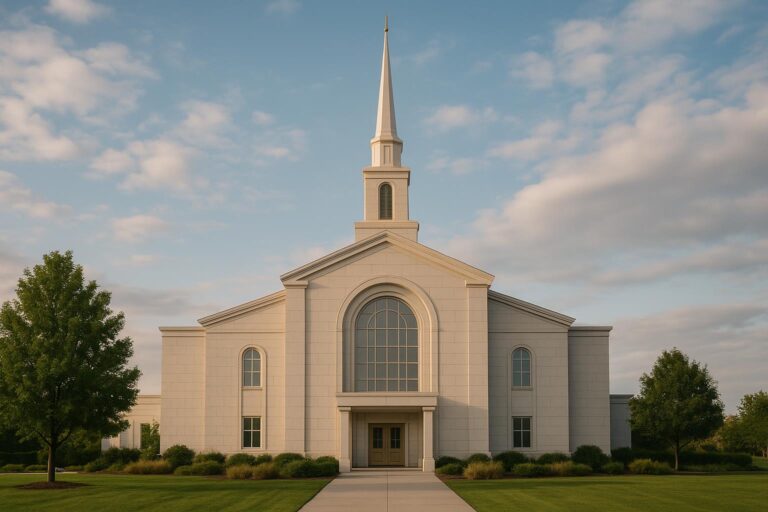
LDS Church Sexual Abuse Lawsuits
Allegations of sexual abuse within the Church of Jesus Christ of Latter-day Saints (LDS Church) have prompted a wave of lawsuits and public scrutiny across the United States. While faith-based organizations have long faced challenges related to abuse and accountability, the scope and scale of claims against the LDS Church have grown significantly over the past decade. Survivors and advocates are demanding not just compensation, but also greater transparency, reform, and protection for current and future members.
Background and Historical Context
The LDS Church, commonly referred to as the Mormon Church, is one of the largest religious organizations in the United States, with millions of members nationwide. The church’s structure places significant authority in local and regional leaders, such as bishops and stake presidents, who are often responsible for counseling and supervising children, youth, and families.
For decades, the LDS Church, like many religious institutions, handled reports of sexual abuse internally. Accusations were sometimes managed through church-run “helplines” or by counseling the accused rather than immediately contacting law enforcement. Critics argue that this approach prioritized institutional reputation over child safety, resulting in some abusers being shielded from criminal prosecution or moved to new congregations.
Recent Legal Developments and Investigations

Over the past several years, investigative journalism, whistleblowers, and survivors have brought to light troubling patterns of abuse, cover-ups, and lack of mandatory reporting. In some high-profile cases, internal church communications were exposed showing efforts to limit reporting to authorities or to quietly resolve allegations with non-disclosure agreements.
Several lawsuits have been filed in multiple states, including Utah, Arizona, Idaho, and California, alleging that the church and its leaders failed to protect children and vulnerable adults from known or suspected abusers. Many of these lawsuits contend that the church’s policies—including its use of the “help line” managed by church attorneys—were designed to protect the institution rather than to report and stop abuse.
State legislatures in several states have debated or passed new laws that make it easier for survivors to file lawsuits, even decades after the abuse occurred. Some states have created “look-back windows” that temporarily suspend statutes of limitation, allowing older cases to be heard in court. These changes have led to a new surge of legal claims against the LDS Church.
How the LDS Church Has Responded
In response to public pressure, the LDS Church has issued statements expressing regret for abuse, has updated training for local leaders, and has provided resources for prevention. The church says it encourages reporting of abuse to authorities, but critics argue that the actual practice still leaves too much discretion with local leaders.
Some lawsuits have led to significant settlements, with the church agreeing to pay financial compensation to survivors. However, many plaintiffs say that true justice also requires public accountability, release of documents, and ongoing support for survivors.
Who Can File a Lawsuit?
Survivors who were sexually abused by a member, leader, volunteer, or employee of the LDS Church—especially as minors—may have grounds to file a lawsuit against the church and, in some cases, against individual perpetrators. Key elements in most claims include:
- Proof of abuse while involved with church activities or programs
- Evidence that the church knew or should have known about the abuser’s conduct
- Documentation of physical, emotional, or psychological harm
Even if the abuse occurred many years ago, new laws in some states allow survivors to come forward now. Families of survivors, or of those who died as a result of abuse-related trauma, may also have legal standing.
Damages and Compensation
Typical compensation sought in these cases includes:
- Payment for therapy, counseling, and mental health treatment
- Damages for pain, suffering, and loss of quality of life
- Reimbursement of lost wages or educational opportunities
- In some cases, punitive damages meant to deter future misconduct
Settlements vary widely depending on the specifics of each case, the age and circumstances of the survivor, and the jurisdiction where the lawsuit is filed.
The Path Forward (2025 Update)
As of 2025, LDS Church sexual abuse lawsuits continue to make headlines, with new cases filed and others settled confidentially. Law firms specializing in institutional abuse cases are actively investigating claims nationwide, and survivors are encouraged to seek legal counsel—even if they are unsure about the strength or timing of their case.
Many survivors say that coming forward, even years after the abuse, has been an important step toward healing and holding institutions accountable. For some, the lawsuits are about much more than money—they are about creating a safer future for children and demanding change from powerful organizations.