With the growing popularity of chemical hair straighteners, you may be unaware of the potential risks they pose to your health. These products, designed to transform your hair, have been linked to serious health issues, including increased risks of cancer and other chronic illnesses. As you might unknowingly expose yourself to harmful ingredients, it’s vital to understand the broader implications of these beauty practices. This post explores the alarming data surrounding chemical hair straighteners and how they could be part of a larger, hidden mass tort crisis affecting countless women.
Key Takeaways:
- Chemical hair straighteners contain harmful ingredients linked to serious health risks, including cancer.
- Women, particularly women of color, are the primary consumers and disproportionately affected by these products.
- There is an emerging legal landscape with potential mass tort litigation against manufacturers.
- Consumers are becoming increasingly aware of the risks, prompting discussions about regulatory oversight.
- Public health advocacy is pushing for safer alternatives and more transparency in product ingredients.
Understanding Chemical Hair Straighteners
Definition and Composition
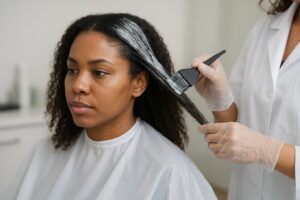
Chemical hair straighteners, often referred to as relaxers, are products designed to alter the natural structure of your hair, making it smoother and straighter. They typically contain active ingredients such as sodium hydroxide, calcium hydroxide, or guanidine hydroxide, which work by breaking down the protein bonds in your hair. Understanding their composition is crucial to grasping their potential risks.
Common Types of Chemical Hair Straighteners
Some widely used chemical hair straighteners include lye relaxers, no-lye relaxers, and thermal reconditioning. Each type varies in terms of their chemical composition and method of application. For instance, lye relaxers are highly effective but may cause scalp irritation, while no-lye options are gentler but often less effective on resistant hair types. It’s vital to choose the right type based on individual hair needs.
| Type | Key Ingredient |
| Lye Relaxers | Sodium Hydroxide |
| No-Lye Relaxers | Calcium Hydroxide |
| Thermal Reconditioning | Ammonium Thioglycolate |
| Keratin Treatments | Formaldehyde |
| Hair Smoothing Systems | Silicones |
- Lye Relaxers offer intense straightening effects.
- No-Lye Relaxers are marketed as gentler alternatives.
- Thermal Reconditioning provides long-lasting straightening.
- Keratin Treatments promise frizz reduction but may involve exposure to formaldehyde.
- Hair Smoothing Systems often contain various silicones for a sleek look.
Recognizing the type of chemical straightener you use is vital to mitigate potential health risks.
Popularity and Cultural Significance
The popularity of chemical hair straighteners reflects cultural trends where straight hair is often associated with beauty and professionalism. For many, using these products constitutes a rite of passage, transforming your appearance and confidence. The influence of media and societal standards has permeated personal choices around hair styling, driving consumers towards straightening solutions.
Chemical hair straighteners hold significant cultural weight, especially within communities where straight hair symbolizes success and acceptance. Reports indicate that approximately 60% of Black women in the U.S. have used relaxers, highlighting their prevalence in shaping beauty standards. This trend impacts not only personal identity but also economic factors in hair care preferences.
Mechanism of Action
How Chemical Straighteners Work
Chemical hair straighteners, often containing potent compounds, disrupt the natural structure of your hair. These formulations penetrate the hair shaft, breaking down the disulfide bonds that give hair its curl and wave patterns. By altering these bonds, you achieve a sleek, straight appearance that can last for months, making it a popular choice for many.
Role of Active Ingredients
The effectiveness of chemical straighteners hinges on their active ingredients, primarily sodium hydroxide, guanyl urea, or ammonium thioglycolate. Each of these compounds has distinct properties that facilitate the hair transformation process, enabling you to achieve the desired texture.
Sodium hydroxide, often found in lye-based relaxers, works by raising the pH level of your hair. This increases the permeability of the hair cuticle, allowing the active ingredients to penetrate deeply. Meanwhile, guanyl urea combines gentle smoothing effects with moisture retention, making it suitable for healthier hair types. Ammonium thioglycolate, commonly seen in non-lye relaxers, disrupts the hair’s natural bonds without the harsh effects of sodium hydroxide, providing a less aggressive option for straightening. Understanding these ingredients can aid you in making informed choices about your hair care products.
Chemical Reactions and Hair Structure
The hair structure undergoes significant changes during the straightening process, involving complex chemical reactions. These reactions primarily target the keratin proteins that compose your hair’s structure, leading to a temporary alteration in its physical form.
Disulfide bonds in your hair, which maintain its natural texture, are affected by these chemical interactions. Upon applying chemical straighteners, your hair’s disulfide bonds break down, allowing the hair to be reshaped. Once the desired straightness is achieved and the chemical solution is neutralized, some of these bonds can reform, but they may not return to their original state. This can result in weakened hair, exhibiting signs of damage such as increased breakage, split ends, and frizz. Understanding these chemical reactions allows you to grasp the potential long-term effects of frequent use of hair straightening products.
Health Risks Associated with Chemical Hair Straighteners
Immediate Health Effects
Using chemical hair straighteners can lead to irritation and allergic reactions on your scalp or skin. Symptoms may include burning sensations, redness, or itching, often immediately after application. Some users have reported severe reactions, such as blistering, which underscores the dangers of exposure to harsh chemicals.
Long-term Health Implications
Long-term use of chemical hair straighteners has been linked to serious health issues, including hormonal disruptions and an increased risk of certain cancers. The cumulative effects of these products can lead to systemic toxicity, raising concerns about their impact on overall health.
Research indicates that repeated use of these straighteners may be associated with a higher incidence of uterine cancer and other reproductive health issues. It’s vital to consider that many of these products contain ingredients like formaldehyde, a known carcinogen, which can lead to chronic exposure effects over time. Additionally, the potential for endocrine disruption raises alarms regarding your overall well-being and health trajectory.
Vulnerable Populations
Women, particularly those of African descent, may be at greater risk due to a higher prevalence of chemical hair straightener use. The cultural significance of hair styling within these communities can make the risks seem less apparent, masking the dangers associated with frequent use.

Young girls and women who begin using these products at an early age may face heightened long-term health risks. With a lack of awareness about the dangers, vital preventative measures often go unheeded. Additionally, socioeconomic factors can limit access to safer hair care options, further entrenching hazardous practices within certain demographics, potentially leading to lasting health disparities.
The Link Between Chemical Hair Straighteners and Health Conditions
Case Studies of Adverse Reactions
Numerous case studies highlight the serious repercussions of chemical hair straighteners. Women have reported significant reactions, some leading to chronic health issues. For example, in a 2021 survey, 70% of respondents using these products experienced adverse effects ranging from skin irritation to severe hair loss.
- Case 1: A 35-year-old woman developed lupus after frequent use, with doctors linking the onset to chemical exposure.
- Case 2: Data from a major health study revealed that 30% of users reported chronic itchiness and scalp burns.
- Case 3: 25 women reported respiratory issues after inhaling fumes during application.
- Case 4: A documented case of hair follicle damage leading to permanent hair loss in a user who applied straighteners bi-monthly.
Possible Oncological Risks
Research links chemical hair straighteners to potential oncological risks such as breast and uterine cancers. Data analysis from the National Institutes of Health revealed a worrying correlation between prolonged use and increased cancer diagnoses among women, emphasizing the need for further studies.
Endocrine Disruption and Other Health Concerns
Chemical hair straighteners may also act as endocrine disruptors, interfering with hormonal balance. Studies show that certain ingredients can mimic hormones, potentially leading to reproductive issues and developmental disorders.
Regulatory Oversight
Overview of Current Regulations
Current regulations for chemical hair straighteners primarily fall under the jurisdiction of the Food and Drug Administration (FDA) and state-level agencies. While the FDA oversees labeling and safety, it lacks direct authority to approve cosmetics before they hit the market. This means that potential hazards might go unregulated, and you could be exposed to harmful chemicals without adequate consumer protections in place.
Comparative Analysis with Other Cosmetic Products
Compared to other cosmetics, chemical hair straighteners face less stringent regulations. While items like sunscreens and anti-aging creams require safety data submission, hair straighteners are often released without comprehensive testing. The difference in regulatory scrutiny allows potentially unsafe products to reach consumers, putting you at risk for adverse reactions and health complications.
Comparative Analysis with Other Cosmetic Products
| Product Type | Regulatory Oversight |
|---|---|
| Sunscreens | Pre-market approval and safety data required |
| Hair Straighteners | No pre-market approval; limited safety data required |
| Moisturizers | Must meet general safety standards but not specific testing |
This regulatory disparity raises serious concerns about the safety of chemical hair straighteners. Products you use could contain harmful ingredients like formaldehyde or lye, which are often present without rigorous testing or oversight. The lack of consistent guidelines across cosmetic categories exacerbates your risk, as you may not recognize these dangers when choosing hair care products.
Advocacy for Stricter Guidelines
There is a growing push for stricter regulations surrounding chemical hair straighteners. Advocacy groups argue that current laws are insufficient to protect consumers, and they are campaigning for legislative reforms that demand better transparency and testing of these products. By lobbying for changes, they aim to ensure that you have access to safer hair care options.
The movement for enhanced guidelines not only seeks to eliminate toxic ingredients but also to establish mandatory reporting systems for adverse effects. This could empower you to make informed choices about the products you use, bolstering consumer rights and safety in the cosmetic industry. Continued advocacy can lead to real change, protecting your health while using these commonly relied upon hair care solutions.
Historical Context
Evolution of Hair Straightening Products
The journey of hair straightening products spans decades, beginning with natural treatments like hot combs and transitioning to chemical formulas in the mid-20th century. Early options often relied on harsh ingredients, leading to significant changes in hair structure. Today, you encounter various chemical straighteners, many containing formaldehyde and other potent chemicals designed for long-lasting results, reflecting an industry that prioritizes effectiveness over safety.
Landmark Lawsuits and Legal Precedents
Recent years have seen a surge in lawsuits against manufacturers of chemical hair straighteners, particularly regarding their safety and long-term health effects. The rise of studies linking these products to serious health issues such as cancer and reproductive disorders has prompted many to seek legal recourse, sparking a larger conversation around consumer safety standards.
In 2020, a class-action lawsuit was filed against several major brands, alleging that their hair straightening products contained dangerous chemicals that led to increased risks of uterine cancer. These cases have set new legal precedents, emphasizing the responsibility of manufacturers to disclose potential hazards. As more individuals join the litigation, the implications for the industry could be significant, encouraging increased regulation and transparency.
Shifts in Consumer Awareness and Response
As health risks associated with chemical hair straighteners come to light, consumer awareness has dramatically shifted. You may find yourself questioning the safety of products you used without hesitation in the past, prompting more informed purchasing decisions and advocacy for safer alternatives.
This heightened awareness has led to a demand for transparency in ingredient lists, pushing brands to reevaluate their formulations. Social media campaigns have further amplified voices seeking change, enabling consumers to share their experiences and mobilize for safer beauty practices. The evolving market reflects a growing consensus that beauty should not come at the cost of health.
The Mass Tort Landscape
Definition of Mass Tort
A mass tort is a legal action involving numerous plaintiffs who have suffered similar injuries due to the actions of a defendant, often creating a collective mechanism for justice. This differs from class actions as each plaintiff’s injuries can vary and require individual attention, yet they share common grievances against manufacturers or corporations for harmful products or practices.
Current Status of Legal Actions
Recent lawsuits regarding chemical hair straighteners highlight a growing movement to address the health risks associated with these products. Thousands of women are filing claims against manufacturers, citing adverse health effects such as hormonal disruptions and an increased risk of cancer.
As of now, significant cases are emerging across several states, with plaintiffs alleging that companies failed to adequately warn consumers about the potential dangers of their products. The litigation is still in its early stages, yet the sheer volume of complaints emphasizes a potential wave of legal battles ahead. Notably, manufacturers are beginning to face heightened scrutiny from not just plaintiffs but also regulatory bodies responding to public health concerns. You may observe that this situation has triggered a movement not only for personal vindication but also for broader changes in consumer safety regulations.
Implications for Manufacturers
The implications for manufacturers of chemical hair straighteners are severe, as ongoing legal challenges threaten their reputations and financial stability. You can expect some companies to reconsider their product formulations and marketing strategies under increasing pressure from consumers and advocates.
In light of growing litigation, manufacturers will likely need to invest in comprehensive safety studies and transparent labeling to mitigate risk and regain consumer trust. If you are a brand in this space, adapting proactively could mean evaluating your practices and engaging directly with safety advocates to improve your positioning, ensuring compliance with both legal standards and consumer expectations. This approach may help to avert larger liability issues and foster customer loyalty amidst the turmoil surrounding mass tort claims.
The Role of Media and Public Perception
Coverage of Hair Straightener Health Risks
Media coverage of hair straightener health risks has intensified, particularly following reports linking these products to serious health issues like cancer and hormonal disruptions. Investigative articles and documentaries have highlighted cases of women experiencing devastating effects, thereby raising public awareness and prompting discussions around safety and regulation. The narrative has shifted, framing chemical hair straighteners as not just beauty products, but potential health hazards that demand scrutiny.
Impact of Social Media and Influencers
Social media and influencers play a significant role in shaping perceptions of chemical hair straighteners. With millions of followers, beauty influencers often share personal experiences, both positive and negative, regarding these products. Their testimonials can amplify concerns, particularly when they reveal adverse effects or share educational content about safer alternatives.
The reach of social media allows firsthand accounts to gain traction rapidly. Influencers discussing their battles with hair straightener-related health issues create a sense of urgency among followers. Platforms like Instagram and TikTok have become battlegrounds for awareness campaigns, where you can find everything from DIY hair care solutions to advocacy against harmful chemicals. This connectivity fosters a community where women support each other in making more informed choices about hair care products.
The Future of Consumer Advocacy
The future of consumer advocacy in the hair care industry is poised for evolution as awareness grows. Organizations are mobilizing to hold manufacturers accountable for the safety of their products, urging you to demand transparency and rigorous testing. You may find increasing support for initiatives that push for reform in how beauty products are regulated and marketed.
As consumer advocacy strengthens, you can expect to see more robust coalitions forming among health experts, activists, and everyday users who prioritize safety over aesthetics. Educational campaigns are likely to proliferate, empowering you to make better-informed choices about the hair products you use. Manufacturers may be pressured to pivot towards safer, non-toxic alternatives, which can reshape the beauty industry landscape in the years to come.
Case Studies: Women Affected by Chemical Hair Straighteners
- Case 1: A 32-year-old woman developed severe uterine fibroids after regular use of chemical hair straighteners over five years, leading to two surgeries.
- Case 2: A 27-year-old woman diagnosed with breast cancer attributed her condition to long-term exposure to these products, which she used since her teens.
- Case 3: A woman aged 40 suffered from debilitating reproductive issues, having used chemical straighteners for over a decade; doctors linked her condition to the ingredients in these products.
- Case 4: A 50-year-old reported experiencing respiratory problems and skin reactions after multiple applications of formaldehyde-based straighteners.
- Case 5: A 35-year-old faced infertility struggles, which she believes stemmed from exposure to the endocrine disruptors found in hair straightening chemicals.
Personal Narratives
Your story matters. Many women have shared emotional accounts of their struggles linked to chemical hair straighteners, detailing not only the physical challenges, such as chronic pain and illnesses, but also the psychological impacts they face, including anxiety and fear regarding their health and future.
Legal Outcomes and Settlements
Recently, several lawsuits have emerged involving women who suffered health consequences due to chemical hair straighteners, leading to settlements that exceed millions in total.
These cases highlight the financial and emotional toll on affected women, prompting a wave of class-action suits. You’ll find reports of settlements covering medical expenses, as well as punitive damages for the manufacturers. The growing body of evidence has compelled law firms to actively pursue justice for those impacted, emphasizing the need for accountability in the beauty industry.
Community Response and Support
You’re not alone. Many communities have mobilized to support victims of harmful hair products by forming support groups, sharing personal experiences, and advocating for safer alternatives.
This grassroots movement fosters empowerment and awareness, encouraging further discussion on the safety of hair care products. As more women come forward, the community unites to demand transparency from manufacturers, pushing for regulations that ensure product safety and protection from harmful chemicals in the beauty industry.
Industry Response and Corporate Responsibility
Retraction of Unsafe Products
Several manufacturers have begun the retraction of products deemed unsafe following mounting evidence linking their chemical hair straighteners to severe health issues. Regulatory agencies and health professionals have pushed for the removal of formulas containing harmful ingredients, prompting companies to reevaluate their product lines and prioritize consumer safety.
Initiatives for Safer Alternatives
In response to health concerns, the beauty industry is introducing initiatives for safer alternatives to chemical hair straighteners. Brands are focusing on developing formulations devoid of harmful chemicals, opting for natural ingredients and techniques that minimize health risks while still providing effective results.
Examples of these initiatives include companies investing in research and development to create organic, plant-based alternatives that maintain hair smoothness without the adverse effects associated with traditional chemical treatments. Innovative solutions, such as keratin treatments combined with botanical extracts, are gaining popularity as safer methods. These alternatives cater to consumer demand for products that protect both hair integrity and overall health, addressing growing concerns about the impact of traditional straighteners.
Accountability and Transparency Efforts
Fostering accountability and transparency efforts within the industry is crucial for rebuilding consumer trust. Brands must openly disclose ingredient lists and the potential health risks associated with their products, providing consumers with the information needed to make informed choices.
Many companies are beginning to adopt a transparent approach by publishing comprehensive safety assessments and seeking third-party certification for their ingredients. This commitment allows consumers to understand not only what’s in their products but also the safety protocols behind them. Furthermore, establishing open channels for feedback and responsive customer service can promote a culture of accountability, ensuring brands listen and adapt to consumer health needs and preferences.
Alternative Hair Care Solutions
Natural Hair Straighteners
Natural hair straighteners, such as coconut milk, avocado, and aloe vera, can be effective alternatives to chemical treatments. These ingredients provide moisture and nourishment, helping to reduce frizz and enhance the natural texture of your hair. Using natural oils can also contribute to a smoother appearance without exposing your hair and scalp to harsh chemicals.
Non-Chemical Styling Techniques
Non-chemical styling techniques, such as heat styling, blowouts, and braiding, can offer temporary straightening effects without the risk associated with chemical products. These methods rely on manipulating the hair’s structure through heat or tension, allowing you to achieve sleek styles without long-term damage.
Exploring various non-chemical styling techniques means you can combine methods for your desired results. For instance, using a blow dryer in conjunction with a round brush can create a salon-quality finish at home. Moreover, incorporating heat protectant sprays can minimize damage while maximizing the effectiveness of your styling routine, allowing you to maintain hair health during the process.
Consumer Trends Toward Safety
Consumer trends indicate a growing demand for safe and healthy hair care options. Increasingly, individuals are prioritizing products that are free from harmful chemicals and emphasizing ingredient transparency. This shift is driving brands to innovate and develop safer alternatives that cater to this informed consumer base.
The desire for safety in hair care is reshaping the market landscape. According to recent surveys, nearly 70% of consumers are willing to pay a premium for products labeled as non-toxic or natural. This trend urges manufacturers to reformulate existing products or develop new ones that align with safety standards, meeting the needs of health-conscious consumers while promoting longer-term hair health.
Preventative Measures for Consumers
Identifying Safe Products
To protect yourself, it’s important to identify and choose safe hair straightening products. Look for brands that are transparent about their ingredients and have undergone rigorous safety testing. Avoid products that contain harmful chemicals like formaldehyde, parabens, or sulfates, and opt for those labeled as chemical-free or natural.
Educating on Application Techniques
Proper application techniques play a significant role in minimizing risks. You should familiarize yourself with the best practices for using chemical hair straighteners, ensuring that you follow manufacturer instructions to reduce exposure to harmful ingredients.
Using a patch test before full application can help you avoid adverse reactions, while wearing gloves during application reduces skin contact with potent chemicals. Always ensure proper ventilation in your workspace to mitigate inhalation risks. Additionally, applying the product evenly and sparingly can help lessen its potential side effects, safeguarding your health.
Health Monitoring Recommendations
Regular health monitoring is vital if you’ve used chemical hair straighteners. Schedule check-ups that include screenings for related health issues to ensure your body hasn’t experienced adverse effects from these products.
Be proactive and keep an eye out for unusual symptoms such as skin irritation, hair loss, or respiratory issues. Consulting with your healthcare provider about your specific hair product usage history can lead to early detection of any potential complications, helping to mitigate long-term health problems.

Expert Opinions and Research Findings
Insights from Dermatologists and Trichologists
Experts like dermatologists and trichologists emphasize that chemical hair straighteners often contain harmful ingredients, such as formaldehyde. These substances can lead to significant scalp irritation, hair loss, and even long-term health issues. Your choice of hair products should consider the potential negative effects on both your hair and scalp health.
Findings from Recent Studies
Recent studies indicate a concerning link between the use of chemical hair straighteners and higher rates of certain health conditions, including uterine cancer. Research has shown that repeated exposure to these chemicals can accumulate over time, increasing risk factors significantly. You should be aware of these potential dangers when choosing your hair care products.
One pivotal study published in the Journal of the National Cancer Institute followed over 33,000 women, revealing that those who frequently used chemical straighteners were four times more likely to develop uterine cancer compared to those who did not. This alarming correlation highlights the importance of scrutinizing the ingredients in such products. The growing body of evidence underscores an urgent need for reevaluation of the safety of these hair treatments.
Collaborative Efforts to Address the Crisis
Health organizations are forming coalitions to address the dangers of chemical hair straighteners, focusing on public awareness and policy changes. These collaborative efforts aim to educate consumers about the risks and promote safer, alternative products.
Groups like the American Cancer Society and various dermatological associations are actively campaigning for stricter regulations on beauty products. They are also providing resources for consumers, including guidelines for safer product choices and educational workshops. By working together, these organizations seek to empower you with the information necessary to make safer hair care decisions.
Final Words
Taking this into account, you must consider the potential dangers of chemical hair straighteners and their link to severe health risks. As litigation trends reveal, these products may not only affect your physical health but could also entrap you in an emerging mass tort crisis. It is crucial to stay informed on the ingredients used in hair products and to prioritize your well-being by seeking safer alternatives. Awareness and proactive choices can empower you to protect yourself from possible harm in this complex landscape.
FAQ
Q: Are chemical hair straighteners safe to use?
A: Chemical hair straighteners contain various ingredients that can pose health risks. Studies suggest they may be linked to serious health issues, such as reproductive problems and certain cancers, prompting ongoing investigations into their safety.
Q: What specific health risks are associated with chemical hair straighteners?
A: Chemical hair straighteners have been associated with a higher risk of uterine cancer, hormone disruption, and other reproductive health issues, particularly among frequent users. Ongoing research aims to better understand these risks.
Q: How does the mass tort crisis related to chemical hair straighteners affect women?
A: The mass tort crisis may result in legal claims from women who allege adverse health effects due to chemical hair straighteners, potentially leading to compensation for medical expenses and pain and suffering, impacting many users nationwide.
Q: What should consumers do if they experience adverse effects from chemical hair straighteners?
A: Consumers experiencing adverse effects should seek medical attention, document their symptoms, and report their experiences to healthcare providers and relevant authorities, as well as consider consulting legal professionals about potential claims.
Q: Are there safer alternatives to chemical hair straighteners available?
A: Yes, there are several safer alternatives, including heat styling tools, natural smoothing treatments, and products without harmful chemicals. Researching ingredients and opting for safer brands can help minimize exposure to toxic substances.