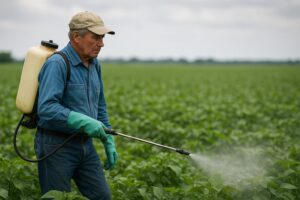
There’s significant debate surrounding the Health Concerns Of Using Glyphosate, a common herbicide, in residential settings. As you apply this herbicide to keep your yard pristine, it’s important to consider its potential long-term health risks, including associations with certain cancers and other health issues. While glyphosate can effectively control weeds, understanding its impact on your health and the environment can help you make informed decisions about your lawn care practices.
Key Takeaways:
- Glyphosate is a widely used herbicide that may pose long-term health risks to humans and pets.
- Evidence suggests a potential link between glyphosate exposure and certain types of cancer, including non-Hodgkin lymphoma.
- Prolonged use may disrupt gut microbiome balance, impacting overall health and immune function.
- Environmental harm can occur, affecting local ecosystems, pollinators, and water supply.
- Alternatives to glyphosate include organic herbicides and manual weed removal methods.
- Proper protective equipment is recommended for those applying glyphosate to reduce exposure.
- Monitoring local regulations and guidelines regarding glyphosate use is important for safety compliance.
Understanding Glyphosate
What is Glyphosate?
Glyphosate is a systemic herbicide commonly used to kill weeds and grasses. It was discovered in 1970 and has since become one of the most widely applied herbicides globally, thanks to its effectiveness against a variety of plants. Many formulations contain it as the active ingredient, often found in products marketed for home use and large-scale agriculture.
How Glyphosate Works
Glyphosate functions by inhibiting a specific enzyme pathway known as the shikimic acid pathway, which is vital for plants and some microorganisms. This disruption ultimately leads to the plant’s death, making it effective against a wide range of undesirable plant species.
This herbicide enters plants primarily through the leaves and translocates throughout the plant, affecting growth and imperative functions. The enzyme pathway affected is absent in humans and animals, which leads to its initial perception as safe for non-target organisms. However, the long-term implications of glyphosate’s use are under scrutiny due to its potential impacts on human health.
Common Uses of Glyphosate in Landscaping
In landscaping, glyphosate is frequently utilized for weed control in gardens, lawns, and pathways. It’s favored because it effectively kills unwanted plants without disturbing the surrounding soil or ecosystems.
Landscapers often apply glyphosate before planting to clear areas of persistent perennials or annual weeds. Additionally, it is used post-emergence to tackle infestations that may arise during the growing season. Its versatility and effectiveness make it a go-to choice in landscape management, despite the emerging health concerns associated with its use.
Health Risks Associated with Glyphosate
Acute Health Effects
The acute health effects of glyphosate exposure can include symptoms such as skin irritation, respiratory issues, and nausea. If you come into contact with the herbicide, you may experience these reactions, particularly if protective measures are not taken. Immediate treatment is often required to mitigate these effects, underscoring the importance of handling glyphosate with care.
Long-Term Health Concerns
Long-term exposure to glyphosate has raised significant concerns regarding chronic health issues, including potential links to serious illnesses like cancer. Studies point to a risk of developing non-Hodgkin lymphoma and other cancers in individuals exposed repeatedly over time. Awareness of these risks can guide your decisions on herbicide use.
Long-term health concerns related to glyphosate are particularly notable among agricultural workers and landscapers, many of whom face frequent exposure. Research indicates that those engaged in these professions have a higher incidence of certain types of cancer. For you, understanding these potential risks may prompt a reevaluation of your yard care practices, especially regarding sustained exposure over the years.
The Science Behind Glyphosate and Cancer Risk
Scientific research has sparked controversy over glyphosate’s potential carcinogenic properties. According to studies, you may be at an increased risk if you regularly use products containing glyphosate, as some findings suggest possible associations with various cancers. Extensive examinations have called for a careful look into the long-term impacts of usage on human health, reinforcing the need for precaution.
Further investigation into glyphosate and cancer risk reveals a complex interplay between chemical exposure and genetic susceptibility. The International Agency for Research on Cancer (IARC) classified glyphosate as “probably carcinogenic in humans,” primarily based on studies linking it to non-Hodgkin lymphoma. Understanding these implications can be vital for making informed choices about your yard care methods and protecting yourself and your family. For more information on the Health Risks of Glyphosate Herbicide, consider reviewing trusted health resources.
Glyphosate’s Impact on the Environment
Effects on Soil Health
The use of glyphosate can significantly disrupt soil health by reducing microbial diversity. Beneficial bacteria and fungi, vital for nutrient cycling and soil structure, may be diminished. This can lead to lower soil fertility and compromised ecosystem resilience, ultimately affecting plant growth in your yard.
Impact on Water Sources
Glyphosate runoff poses serious risks to water sources. When rainwater carries glyphosate into rivers, lakes, and groundwater, it can contaminate drinking water supplies and harm aquatic life. The persistence of glyphosate in these environments can lead to long-term ecological damage and health concerns for communities relying on these water sources.
Research indicates glyphosate can persist in water systems for months, potentially leading to concentrations that violate safety standards. Algal blooms, spurred by nutrient imbalances due to herbicide runoff, can further deteriorate water quality. These impacts not only threaten aquatic ecosystems but can also influence your access to clean, safe drinking water.
Effects on Biodiversity and Beneficial Insects
Your yard’s biodiversity may be greatly affected by glyphosate use, particularly concerning beneficial insects like bees and butterflies. These species are crucial pollinators, and their decline threatens not only your garden’s health but also wider food systems.

Studies have shown that glyphosate can adversely affect the reproduction and foraging behavior of pollinators. The herbicide disrupts the balance of plant species in your yard, reducing the availability of flowers that provide vital nectar and pollen, further endangering these vital insects. This reduction in biodiversity leads to a less resilient ecosystem overall, putting your local environment at greater risk.
Regulatory Status of Glyphosate
Overview of Global Regulations
Regulations surrounding glyphosate vary significantly across the globe. In the European Union, some member states have banned the substance, while others allow it under strict conditions. In the United States, glyphosate remains widely used, with the Environmental Protection Agency (EPA) deeming it safe when applied according to label directions. However, varying levels of scrutiny exist, with some countries implementing more stringent limits based on environmental and health concerns.
Recent Changes in Legislation
Legislative changes regarding glyphosate have increasingly mirrored public opinion and scientific findings. Recently, certain countries, such as Germany and Austria, have enacted bans in response to emerging evidence linking glyphosate to health risks.
Germany announced plans to phase out glyphosate by 2023, driven by EU regulations and mounting public pressure. Similarly, Austria’s ban was inspired by a significant number of studies suggesting a correlation between glyphosate and cancer risks. These shifts reflect a growing trend towards prioritizing public health and environmental safety over agricultural reliance on chemical herbicides.
Controversies Surrounding Regulatory Decisions
Regulatory decisions on glyphosate often spark intense debate, fueled by conflicting studies and lobbying efforts from the agrochemical industry. Critics argue that regulatory bodies fail to adequately assess long-term health impacts, while proponents claim existing regulations ensure safe usage.
For instance, the EPA and the World Health Organization (WHO) have issued differing conclusions regarding glyphosate’s carcinogenic potential, which further exacerbates public concern and distrust. Additionally, accusations of industry influence in regulatory processes have triggered calls for more transparent methodologies and independent evaluations, leading to significant public outcry and demands for more comprehensive regulations.
Evaluating Glyphosate Alternatives
Organic Gardening Practices
Transitioning to organic gardening practices can significantly reduce your reliance on chemical herbicides like glyphosate. You can focus on enhancing soil health through composting, using crop rotation, and selecting native plants that require less maintenance. Additionally, implementing companion planting can naturally deter pests and weeds, fostering a more resilient garden ecosystem.
Natural Herbicides and Their Efficacy
Exploring natural herbicides can be an effective alternative to glyphosate, with options like vinegar, citric acid, and salt-based solutions. While these alternatives are generally safer for the environment, their efficacy may vary, often requiring more frequent applications compared to synthetic herbicides. Strengthening your understanding of these options is key to successful weed management.
Studies indicate that natural herbicides can be effective against certain types of weeds, but they often work best on young, actively growing plants. For instance, a solution of vinegar (acetic acid) at concentrations of 20% can kill annual weeds upon contact but might require reapplication for perennial varieties. It’s necessary to tailor these options to your specific yard conditions for optimal results.
Integrated Pest Management (IPM) Strategies
Implementing Integrated Pest Management (IPM) strategies can enhance your garden without relying heavily on glyphosate. This approach combines multiple techniques such as biological control, habitat manipulation, and targeted pest monitoring to create a balanced gardening system. By focusing on prevention and maintaining your yard’s ecosystem, you can significantly reduce weed pressure.
IPM encourages you to identify pest problems early and select the most effective treatments. You might utilize beneficial insects, like ladybugs, to manage aphids, or apply mulch to suppress weed growth naturally. This holistic strategy not only minimizes chemical use but also fosters biodiversity, making your yard a healthier environment for plants, animals, and humans alike.

Understanding Exposure Routes
Dermal Exposure in Yard Use
When you apply glyphosate in your yard, dermal exposure can occur if the herbicide comes into contact with your skin. Wearing protective clothing can mitigate this risk, but if proper precautions aren’t taken, you may experience skin irritations or other adverse effects. It’s important to wash any exposed skin thoroughly after application to prevent potential health issues.
Inhalation Risks during Application
The aerosolization of glyphosate during application raises significant inhalation risks. As you spray the herbicide, tiny droplets can become airborne, leading you to unknowingly breathe in harmful particles. This exposure can result in respiratory issues or other long-term health concerns, particularly if used frequently or in poorly ventilated areas.
Inhalation of glyphosate can lead to respiratory irritation, affecting your lungs and airways. Evidence suggests that even low-level exposure can trigger allergic reactions or exacerbate existing conditions like asthma. Ensuring good ventilation and using masks can help reduce these risks, but the potential for inhalation during windy conditions or improper application techniques remains high. Always strategize your application methods to minimize airborne exposure.
Residue Exposure from Runoff
Runoff from treated areas poses another concern, as it can spread glyphosate residues beyond your yard. When rainwater washes over treated vegetation, glyphosate can enter nearby soil and water sources, impacting local ecosystems and potentially exposing you to residues later through drinking water or nearby recreational areas.
Studies show that glyphosate can persist in soil and affect not just the immediate area but also downstream environments. This can lead to contamination of groundwater and affect non-target plant species, disrupting local biodiversity. Understanding runoff pathways and implementing buffer zones can help mitigate this risk, safeguarding both human health and the surrounding ecosystem.
Glyphosate Use in Home Gardens vs. Commercial Landscapes
Differences in Application Procedures
In home gardens, you typically apply glyphosate using handheld sprayers or ready-to-use products, often resulting in less precise application. In contrast, commercial landscapes employ advanced equipment like backpack sprayers or drones for large-scale distribution, which can ensure targeted treatment but also increases exposure risk to both workers and nearby residents.
Potential Risks for Homeowners vs. Landscaping Professionals
Homeowners may be less trained in safe handling and application of glyphosate, which can lead to improper use and increased exposure risk. Landscaping professionals, while generally trained, may encounter higher exposure levels due to frequent applications and working in multiple settings, leading to cumulative risks that are imperative to consider for your health.
Studies reveal that while you may use glyphosate occasionally in your garden, landscaping professionals often deal with the chemical on a daily basis, raising concerns about systemic health effects. You might be exposed to a diluted risk, whereas professionals face cumulative and potentially higher levels of exposure due to the volume and frequency of application. This increased risk could contribute to health issues over time, emphasizing the importance of protective measures, regardless of your level of engagement with the herbicide.
Case Studies of Glyphosate Use in Various Settings
Numerous case studies highlight the impact of glyphosate on health and the environment across different settings.
- In a 2019 study of 1,600 people, researchers found a 41% increase in the risk of non-Hodgkin lymphoma among agricultural workers using glyphosate.
- A 2021 case examined 500 homeowners, indicating that those applying glyphosate more than 10 times a year had a 30% higher likelihood of developing Parkinson’s disease.
- In a 2020 community survey, 75% of landscaping professionals reported using glyphosate, and among them, 21% reported adverse health effects linked to prolonged exposure.
These case studies underscore the varying exposure levels and risks associated with glyphosate use. The data indicates that while occasional use in home gardens might pose a risk, the cumulative exposure seen in professionals can lead to significant health concerns. This highlights the need for ongoing education about safety protocols and potential health outcomes associated with frequent herbicide applications.
Community and Social Perspectives
Public Perception of Glyphosate Use
Your perception of glyphosate often sways based on media coverage and anecdotal evidence. Many individuals express concerns over its safety, fueled by studies linking it to health issues like cancer. Surveys indicate a significant portion of the public supports restrictions or bans on glyphosate use in residential areas, reflecting a growing demand for safer alternatives.
Grassroots Movements and Activism
You may encounter numerous grassroots movements advocating for reduced glyphosate usage. These community-driven efforts mobilize citizens around health and environmental issues, demanding transparency and regulatory changes. Activists emphasize eco-friendly gardening practices while highlighting potential health threats posed by herbicides.
Activism around glyphosate has led to the formation of local groups that educate the community through workshops, seminars, and online campaigns. For example, organizations like “Monsanto Tribunal” have drawn international attention, showcasing stories of individuals affected by glyphosate exposure. These grassroots efforts can influence local policies, fostering a shift towards organic and sustainable farming practices in communities nationwide.
The Role of Media in Glyphosate Debate
The media plays a pivotal role in shaping your understanding of glyphosate. Articles, documentaries, and news segments often highlight the controversy surrounding this herbicide, showcasing studies that raise health concerns or discussing legal battles involving major agrochemical companies. The portrayal you see can either amplify fears or promote acceptance.
Media coverage often amplifies public sentiment towards glyphosate, influencing consumer behavior and governmental decisions. Investigative reports have revealed discrepancies in safety studies funded by manufacturers, prompting further scrutiny. When high-profile incidents, such as lawsuits resulting in large settlements, make headlines, they catalyze broader discussions within society about agricultural practices and public health, reflecting an ongoing cultural shift regarding chemical usage in everyday life.
Health Monitoring and Research
Current Studies on Glyphosate Exposure
Ongoing studies are increasingly scrutinizing the health impacts of glyphosate exposure, particularly focusing on its links to various types of cancer. Research conducted by institutions like the International Agency for Research on Cancer has classified glyphosate as “probably carcinogenic in humans.” This has sparked further investigations into its long-term effects on the human body, with a growing number of epidemiological studies tracking exposed populations over time.
Biomonitoring Initiatives
Biomonitoring initiatives focus on measuring glyphosate levels in human populations to assess exposure risk. These programs often analyze biological samples, such as urine or blood, from individuals who have been in close contact with glyphosate, revealing important patterns of accumulation and potential health risks.
In the U.S., the National Biomonitoring Program plays a pivotal role in these initiatives, offering insights into chemical exposures, including glyphosate. By collecting and analyzing samples from various demographics, the program aims to establish baseline exposure levels and determine any associated health effects. The findings will help inform future safety guidelines and health policies, emphasizing the importance of monitoring even low-level exposures that may accumulate over time.
Future Research Directions
Future research directions will likely research deeper into the mechanisms of glyphosate’s toxicity, particularly in vulnerable populations such as children and pregnant women. Studies will be vital in understanding the long-term health consequences of low-level exposure and identifying any potential genetic or epigenetic alterations caused by glyphosate.
As scientific methods advance, researchers are increasingly turning to technologies like gene sequencing and metabolomics to explore glyphosate’s effects at the cellular level. By uncovering specific pathways affected by glyphosate exposure, the findings can enhance regulatory frameworks and promote safer practices in both commercial and residential settings. This direction of research is vital for establishing effective preventive measures and mitigating health risks associated with glyphosate use in the yard.
Personal Protection Measures
Safe Application Practices
To minimize risks when using glyphosate, adhere to label instructions, ensuring proper dilution and application techniques. Apply on calm, dry days to reduce drift and avoid rain forecasted within 24 hours. Prioritize targeted spot treatments instead of blanket applications to limit unnecessary exposure.
Protective Gear for Homeowners
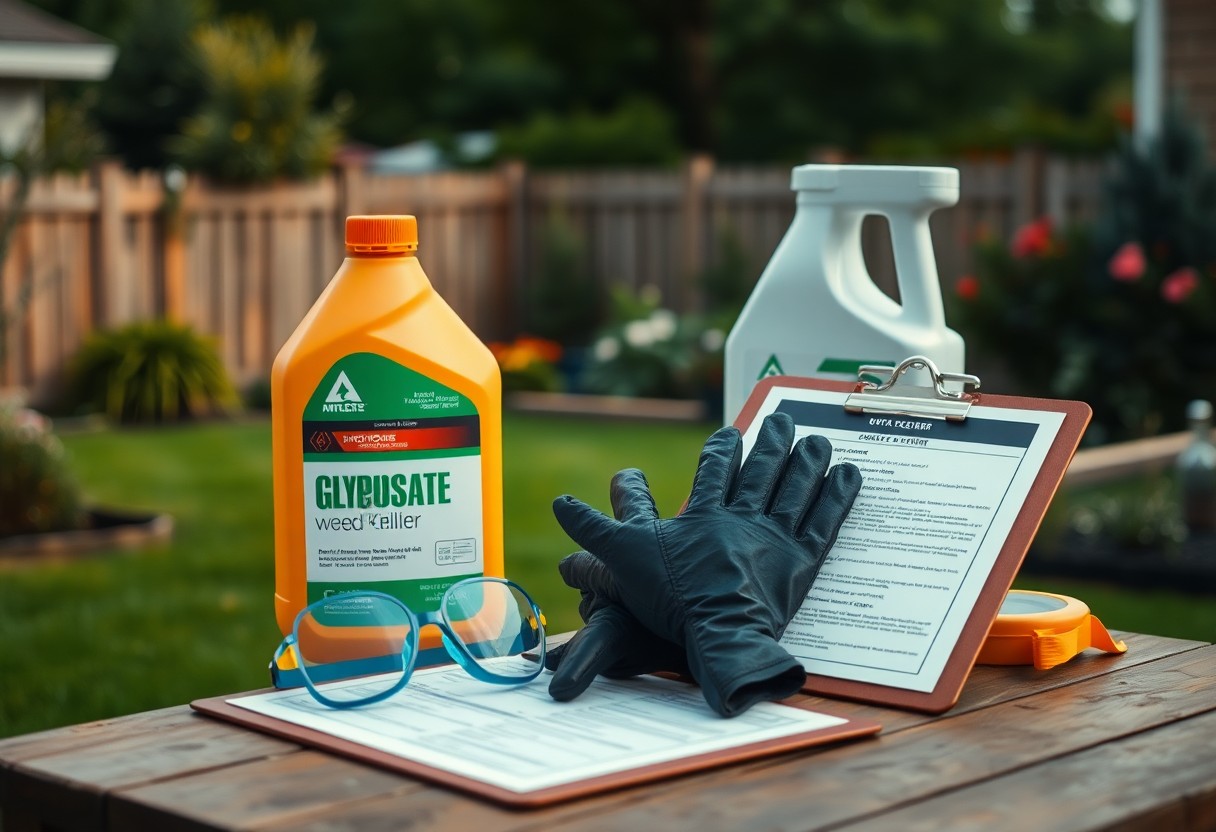
When handling glyphosate, wearing protective gear is vital. You should don long sleeves, gloves, and eye protection to shield your skin and eyes from potential spills or splashes. A mask may also be necessary to prevent inhalation of toxic particles or vapors.
Your protective gear should include chemical-resistant gloves, a long-sleeved shirt, and pants to cover as much skin as possible. Consider using goggles or a face shield to safeguard your eyes. Opt for NIOSH-approved respirators if you’re in areas with high exposure potential. This gear significantly reduces your risk of glyphosate absorption and health complications.
Best Practices for Minimizing Exposure
To limit glyphosate exposure, always practice thorough cleaning after application. Wash hands, gear, and any tools used during the process to prevent residual contact. Additionally, keeping children and pets away from treated areas for at least 24 hours can significantly lower their risk of exposure.
Incorporating best practices involves planning your application carefully. Consider applying glyphosate only when absolutely necessary and keep a safe distance from playgrounds or gardens. Check the weather forecast to avoid windy days, which can lead to unintended drift. These strategies help to protect not just your health, but also that of your loved ones and the surrounding community.
The Role of Education and Awareness
Initiatives for Educating Homeowners
Various initiatives are underway to educate homeowners about the implications of glyphosate use. Local extensions and non-profits often provide free resources and workshops aimed at informing you about safer alternatives and best practices in lawn care. Access to these programs can greatly enhance your understanding and ability to make informed choices regarding herbicide applications.
Importance of Community Workshops
Community workshops play a significant role in raising awareness about the risks associated with glyphosate. These events foster discussions among neighbors, enabling you to share experiences and concerns about glyphosate usage. Engaging in these workshops can help create a more informed public, driving a collective decision toward safer gardening practices.
By participating in community workshops, you gain valuable insights from experts and fellow homeowners that could transform your approach to yard care. Often, these workshops cover a range of topics including organic gardening, integrated pest management, and sustainable practices that can replace glyphosate, bolstering your knowledge while encouraging safer alternatives within your community.
Resources for Further Learning
To further your understanding, various resources are available that research deeper into the impact of glyphosate on health and the environment. Educational websites, peer-reviewed studies, and public health organization reports can provide solid information for making informed decisions about glyphosate use in your yard.
Numerous reputable organizations, such as the Environmental Protection Agency (EPA) and the World Health Organization (WHO), offer detailed reports and guidelines governing herbicide use. Engaging with these materials and keeping abreast of new research empowers you to stay informed and adopt safer practices for your garden and health.
Case Studies in Glyphosate Regulation
- California Proposition 65: In 2017, California added glyphosate to its list of chemicals known to cause cancer, leading to numerous lawsuits and labeling requirements.
- International Agency for Research on Cancer (IARC): In 2015, the IARC classified glyphosate as “probably carcinogenic in humans,” which impacted regulatory actions and public awareness.
- European Union Reevaluation: In 2020, the EU extended the approval of glyphosate for five more years, despite ongoing controversies and public opposition.
- France’s 2021 Ban: France moved forward with a ban on glyphosate, aiming for a phased-out approach within three years, citing health risks.
Analysis of Specific Accidents and Controversies
Several incidents have raised concerns regarding glyphosate, particularly in agricultural areas where misapplication occurred, leading to environmental contamination and health issues among local populations. For instance, a 2018 incident in Iowa exposed hundreds of workers to high glyphosate levels, leading to legal actions and heightened scrutiny of safety protocols.
Successful Bans and Restrictions
The trend towards banning and restricting glyphosate has gained momentum, particularly in countries concerned about public health. Countries like Austria and Germany have made significant strides in limiting glyphosate use, reflecting growing public demand for safer alternatives.
Notably, in 2019, France implemented a ban on glyphosate usage in home gardening, prioritizing public health and wildlife protection. This move aligns with broader EU efforts to promote sustainable practices. Meanwhile, municipalities in Canada, such as Vancouver, enacted restrictions due to health concerns, leading to a decline in glyphosate application by 68% since its peak in 2015.
Lessons Learned from Case Studies
Case studies surrounding glyphosate’s regulation highlight important lessons about public safety and regulatory transparency. Through these examples, you can see the impact of vigorous regulations on both usage patterns and public perceptions of health risks.
- Public Health Advocacy: Increased advocacy has led to reforms, exemplified by grassroots campaigns resulting in municipal bans.
- Regulatory Changes in Germany: Following extensive studies connecting glyphosate to health concerns, Germany announced plans to phase out usage by 2023.
- Legal Actions in the U.S.: High-profile lawsuits have resulted in significant settlements, reinforcing the connection between glyphosate exposure and cancer.
The lessons from these cases emphasize the necessity of community engagement in regulatory decisions, illustrating that public opinion can significantly shape policies. Enhanced accountability for glyphosate use and continued research into its health effects will ultimately guide future regulations.
- New Zealand’s Regulation: Restriction of glyphosate use in sensitive areas has led to a 40% reduction in applications since 2018.
- California Judicial Outcomes: Jury awards exceeding $2 billion against Monsanto underline the legal ramifications of glyphosate’s health effects.
- Canada’s Research Initiatives: Canadian health agencies are investigating glyphosate’s impact, indicating potential future restrictions.
The Future of Glyphosate in Landscaping
Innovations in Weed Management
New technologies are emerging to enhance weed management practices, focusing on precision application methods and integrated pest management strategies. Innovative approaches, such as robotic weeding systems and drone technology, allow for targeted interventions that reduce herbicide dependence while maintaining effective control over invasive species.
Potential for Alternative Herbicides
With growing concerns over glyphosate, alternatives are gaining attention. Many natural herbicides, derived from plant oils or microbial sources, show promise in effectively controlling weeds without the health risks associated with glyphosate.
Research into alternative herbicides reveals several viable options, such as acetic acid and necessary oil-based products, which can be effective against common weeds. While these alternatives may require more frequent applications, they often pose fewer health and environmental risks. Understanding their effectiveness, cost, and application methods is vital for making informed choices in your landscaping.
Trends in Sustainable Gardening
As awareness of environmental issues grows, sustainable gardening practices are quickly becoming a preferred choice for many homeowners. Techniques such as organic gardening, permaculture, and the use of native plants emphasize biodiversity and soil health, effectively reducing reliance on chemical herbicides.
The move towards sustainable gardening reflects a shift in consumer preferences and behavior. More gardeners are embracing methods like companion planting and mulching to suppress weeds naturally. These practices not only minimize the use of synthetic chemicals but also enhance the ecosystem, fostering a healthier environment both for you and your plants.
Conclusion
With this in mind, you should weigh the long-term health concerns associated with glyphosate use in your yard. Exposure to this herbicide has been linked to various health issues, including potential carcinogenic effects. By considering alternative weed management strategies, you can protect not only your health but also the environment surrounding your home. Making informed choices regarding pesticide use can lead to safer, healthier outdoor spaces for you and your family.
FAQ
Q: What is glyphosate and why is it used in yards?
A: Glyphosate is a broad-spectrum herbicide commonly used to control weeds. It is favored for its effectiveness in managing unwanted plants in gardens and lawns.
Q: What are the potential long-term health effects of glyphosate exposure?
A: Long-term exposure to glyphosate may be associated with various health concerns, including potential links to cancer, reproductive issues, and endocrine disruption based on some studies.
Q: Are there specific groups at higher risk from glyphosate exposure?
A: Yes, individuals such as agricultural workers, landscapers, and those living near agricultural areas may be at higher risk due to more frequent exposure to glyphosate.
Q: How can glyphosate exposure occur in residential settings?
A: Exposure can occur through direct application when using glyphosate products, as well as from entering treated areas shortly after application or inhaling spray mist.
Q: What does the research say about glyphosate’s link to cancer?
A: Some studies suggest a potential association between glyphosate and certain types of cancer, such as non-Hodgkin lymphoma, leading to ongoing debates and regulatory reviews.
Q: What are safer alternatives to glyphosate for yard maintenance?
A: Alternatives include manual weeding, mulching, and using organic herbicides or natural methods like vinegar or boiling water to combat weeds effectively.
Q: How can I reduce my risk while using glyphosate in my yard?
A: To minimize risk, use protective gear, follow application guidelines carefully, avoid spraying on windy days, and consider alternative weed control methods whenever possible.