Most individuals are unaware about PFAS Water Contamination and that exposure to PFOA and PFOS, key substances in PFAS, can lead to severe health concerns. This type of water contamination has been linked to various ailments, including kidney and testicular cancer, liver damage, and thyroid disease. Understanding the implications of PFAS contamination is vital for you and your family, as these substances persist in the environment and can accumulate in your body over time. In this blog post, we will explore the significant health risks associated with PFAS exposure and what actions you can take to protect yourself.
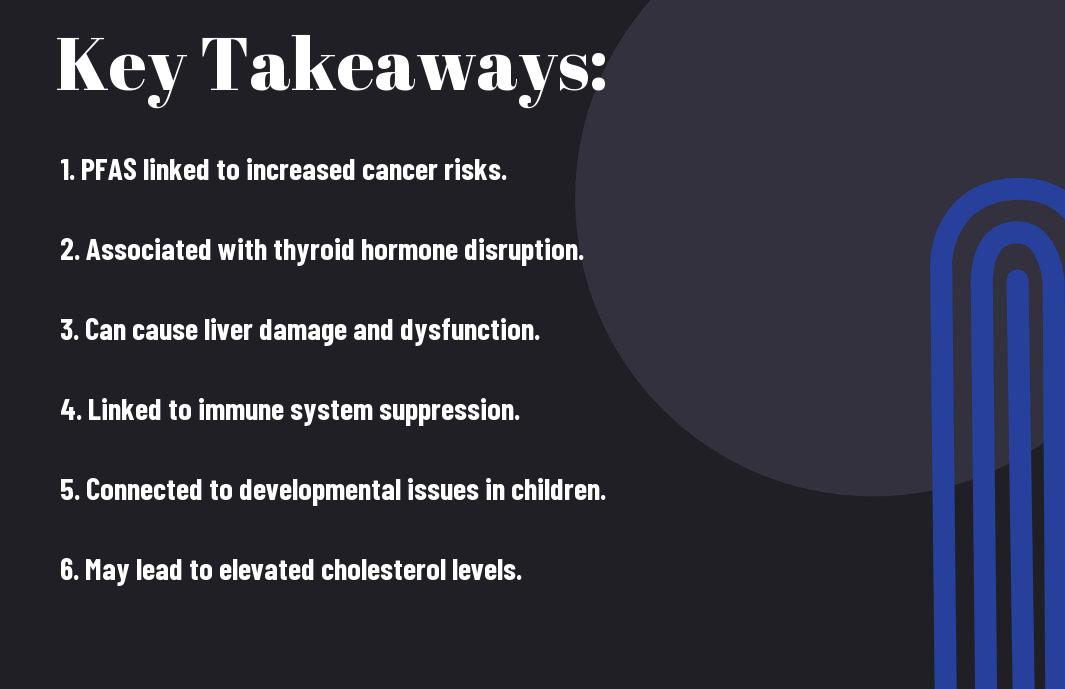
Key Takeaways:
- PFAS (Per- and polyfluoroalkyl substances) exposure is linked to various health issues, including cancer, liver damage, and immune system impairments.
- Studies have shown that PFAS can disrupt hormonal functions, potentially leading to reproductive and developmental problems.
- Individuals exposed to PFAS-contaminated water may experience increased cholesterol levels and other cardiovascular issues.
- Long-term exposure to PFAS has been associated with thyroid disease, affecting metabolism and overall health.
- Research indicates that certain populations, such as firefighters and individuals living near military bases, may be at higher risk due to occupational exposure or environmental contamination.
Overview of PFAS Contamination

PFAS, or per- and polyfluoroalkyl substances, refer to a group of man-made chemicals that have become pervasive in our environment. These substances, which are commonly used in a variety of industrial and consumer products, are known for their water- and grease-resistant properties. You may find these chemicals in products like non-stick cookware, water-repellent clothing, and firefighting foam. As a result, they have leached into the soil and groundwater, leading to contamination of local water supplies. The implications of PFAS contamination on human health are being studied rigorously, as the substances are often termed “forever chemicals” due to their inability to break down in the environment.
Definition and Sources
Before diving deeper into the health consequences, you should understand what PFAS are and where they come from. PFAS is a broad category that includes thousands of different chemicals, all of which share a similar carbon-fluorine bond that makes them resistant to degradation. These substances can be found in a variety of industrial applications, including the production of plastics, textiles, and coatings. They are often used in firefighting foams and are present in many household products as well. Your exposure to PFAS can come from using these everyday products, consuming contaminated water, or even eating contaminated food.
Prevalence in Water Supplies
Along with their widespread use, PFAS have been detected in water supplies across the country at alarming levels. Studies indicate that many public water systems have been contaminated, affecting millions of people. You might be surprised to learn that PFAS are not only found in water sources near industrial sites or military bases but have also been detected in drinking water far removed from their original sources. As a result, the presence of PFAS in water supplies poses a significant risk to your health and the health of your community.
Hence, the prevalence of PFAS in drinking water is of serious concern, particularly considering that you may not even be aware of your exposure. Many communities have reported levels that exceed regulatory limits set by agencies such as the Environmental Protection Agency (EPA). This contamination can result from a combination of local industrial activity and wider environmental impacts, meaning that even remote areas are not immune. This widespread contamination underscores the importance of staying informed about your local water quality and advocating for measures that ensure your drinking water remains safe and free from harmful substances like PFAS.
Health Risks Associated with PFAS
Clearly, the dangers associated with PFAS water contamination are significant, affecting numerous health aspects. As you examine into the implications of exposure to these persistent chemicals, it becomes evident that the toll on human health is severe. Specifically, the potential link between PFAS and various forms of cancer has garnered substantial attention in recent years.
Cancer Links

Health studies have increasingly suggested a connection between PFAS exposure and an elevated risk of certain types of cancer, including kidney and testicular cancer. As you examine the findings, the potential association between these chemicals and malignancies highlights the urgency of addressing PFAS contamination in your environment. The evidence is accumulating, with some research indicating that the longer you are exposed to PFAS, the higher your risk becomes.
Hormonal Disruptions
With ongoing investigations into the effects of PFAS, researchers are paying close attention to their role as endocrine disruptors. These substances can interfere with your hormonal systems, leading to a myriad of health issues, particularly affecting reproductive health. Such disruptions can manifest in various ways, including alterations in hormone levels that can influence your metabolism, immune response, and even your developmental processes.
Links between PFAS and hormonal disruptions also extend to fertility issues and reproductive health problems. Studies have indicated that these chemicals may affect your menstrual cycle, pregnancy outcomes, and the overall health of developing fetuses. The long-term implications of hormonal imbalances caused by PFAS can have lasting effects on both mothers and children, emphasizing the need for awareness and action against PFAS water contamination in your community.
Other Potential Health Effects
Many studies have begun to explore the myriad health concerns linked to PFAS water contamination, revealing implications that extend beyond the well-documented issues of cancer and liver damage. The ongoing research continues to identify potential connections between PFAS exposure and various health effects, offering important insights that could affect your health and those around you. Awareness of these potential risks can empower you to take proactive measures in safeguarding your well-being.
Immune System Concerns
Potential effects on your immune system are one of the compelling reasons to pay attention to PFAS contamination. Research indicates that exposure to these toxic compounds may lead to diminished immune responses, which could leave you more susceptible to infections and diseases. This impairment can be particularly concerning during vaccination, as studies suggest that individuals with higher PFAS levels may not respond as effectively to vaccines, ultimately putting your health at greater risk.
Developmental Issues in Children
Immune system deterioration is just one facet of the potential health issues arising from PFAS exposure, particularly for children. You may be interested to know that there is evidence suggesting that PFAS can also have detrimental developmental effects in children. Exposure during critical developmental windows can lead to lower birth weights, reduced growth rates, and potential neurodevelopmental delays. As a caregiver, being aware of these risks can help you make informed choices about your child’s environment and health.
Even more alarming is the finding that children exposed to higher levels of PFAS may experience cognitive issues and behavioral problems as they grow. These developmental challenges can have long-lasting impacts on their academic performance and social interactions. Thus, understanding the connection between PFAS exposure and these serious health concerns allows you to recognize the importance of ensuring clean and safe water for your family, which is paramount for fostering a healthy upbringing for your children.

Legal Implications of Mass Tort Cases
Once again, navigating the legal landscape surrounding mass tort cases can be daunting for individuals affected by PFAS water contamination. These legal proceedings allow multiple plaintiffs with similar claims against a single defendant or group of defendants to seek justice collectively. This can amplify your ability to hold responsible parties accountable while sharing litigation costs, ultimately making the process more manageable. Victims of PFAS exposure may have the opportunity to pursue financial compensation for medical expenses, property damage, and other effects on their quality of life, depending on the specific circumstances of their cases.
Overview of Mass Tort Law
Around the country, mass tort law serves as a powerful mechanism to address widespread harm inflicted upon multiple individuals, such as that caused by PFAS contamination. Unlike class action lawsuits, where plaintiffs relinquish certain rights in exchange for a shared outcome, mass torts allow each individual to maintain their own distinct claim while benefiting from a shared legal framework. This structure is designed to accommodate the unique circumstances each claimant faces, including differing health issues or compensation amounts, making it particularly suitable for complex cases involving environmental hazards like PFAS.
Case Studies on PFAS Litigation
To illustrate the emerging landscape of PFAS litigation, let’s consider several impactful case studies that reveal the extent of legal battles surrounding this contamination. These instances demonstrate how communities and individuals have come together to seek justice against companies responsible for the introduction of PFAS into their water supply.
- Holland, MI Case (2018): Residents exposed to PFAS from a local firefighting foam manufacturer filed suits, resulting in a settlement of $3 million for medical monitoring and health assessments.
- West Virginia Case (2019): A group of plaintiffs succeeded in a case against DuPont, leading to damages of $671 million awarded for health issues linked to PFAS exposure.
- North Carolina Case (2020): The state government reached a historic settlement of $68 million with Chemours to address contamination created by PFAS manufacturing.
- PFAS Contamination in New Jersey (2021): A $275 million settlement was reached with multiple defendants, including corporations like 3M, for water contamination affecting thousands.
- Michigan Department of Health Petition (2021): The state filed a petition for a mass tort regarding interconnected lawsuits from various municipalities, creating a potential class of thousands of individuals impacted.
Even as these case studies reflect different outcomes and settlement amounts, they share a common thread of *exposing the significant health risks* linked to PFAS contamination in your community. These litigations not only serve as a means for financial restitution but also aim to foster greater accountability, potentially leading to stronger regulations on industrial chemicals. By staying informed about these developments, you position yourself to better understand your rights and the potential ramifications of PFAS exposure in your life.
Regulatory Responses and Policies
Unlike many environmental issues, the prevalence of PFAS (per- and polyfluoroalkyl substances) contamination in water systems has invoked significant attention from both federal and state regulators. As studies emerge linking PFAS to a range of health problems, including cancer and immune system disruption, policymakers are compelled to develop regulations to protect public health. The EPA (Environmental Protection Agency) has moved forward to establish guidelines and set drinking water standards, yet implementation and enforcement can vary widely by state. Your state’s regulations may differ, affecting how quickly actions are taken to address PFAS in your water supply.
Federal and State Regulations
One significant step taken on the federal level is the establishment of the PFAS Action Plan, which outlines strategies for evaluating and mitigating the risks associated with these chemicals. However, it’s important for you to know that while the EPA rolls out these initiatives, many states have taken the lead in developing their own strict standards and testing protocols, sometimes exceeding federal recommendations. These variations can significantly impact you, especially if you reside in a state where regulatory measures are less stringent.
Efforts to Remediate Contamination
After identifying areas with high levels of PFAS, local governments and organizations are implementing various remediation strategies aimed at reducing contamination. These measures include installing advanced filtration systems and conducting extensive soil and water testing to monitor levels of PFAS. You should be aware that these efforts can be costly and time-consuming, often requiring collaboration between multiple stakeholders, including private companies and public health agencies.
Regulatory bodies are actively exploring innovative cleanup technologies and investing in public education about PFAS risks. Some approaches include using activated carbon and ion exchange systems to remove PFAS from drinking water, while others focus on establishing treatment methods that target the specific chemical structures of PFAS. As a resident, your awareness of these efforts can empower you to stay informed about the quality of your water and advocate for necessary actions in your community.
Community Impact and Response
After the revelation of mass tort PFAS water contamination, communities across affected regions faced an urgent crisis. Residents began to realize the significant impact of these toxic substances on their health and environment, igniting a collective response. You might notice that many community members have rallied together to demand accountability from corporations responsible for the pollution and to call for government intervention to ensure safe drinking water. This newfound solidarity has not only fostered a stronger community spirit but also initiated dialogues about environmental policies and public health that might reshape your local legislation.
Awareness and Advocacy
For many residents, the first step in addressing the PFAS crisis has been raising awareness about its dangers. You may find local organizations, activists, and concerned citizens working tirelessly to educate your community about the possible health implications linked to PFAS exposure. Awareness campaigns have emerged that focus on providing resources for testing water quality, understanding rights concerning contaminated water, and discussing health risks associated with long-term exposure. This advocacy has empowered individuals to take informed actions and connect with others who share a common concern.
Long-Term Health Monitoring
Against this backdrop of community action, long-term health monitoring has become an crucial component of the response to PFAS contamination. You might be aware that numerous studies suggest links between PFAS exposure and serious health issues, making the need for ongoing health assessments all the more pressing. Various health departments and organizations are stepping up to establish health registries and monitoring programs to track the health outcomes of affected populations. By engaging in regular health evaluations, you can safeguard your well-being and contribute to vital research efforts aimed at understanding the full spectrum of PFAS-related health effects.
Plus, the implementation of long-term health monitoring initiatives ensures that you stay informed about emerging studies and trends associated with PFAS exposure. Such programs may provide access to necessary resources, including health screenings and educational information, which enable you to make proactive decisions regarding your health. Additionally, regular monitoring can help detect any health anomalies early on, leading to better treatment outcomes, fostering a sense of security in a community grappling with the uncertainties of water contamination.
To Wrap Up
So, as you explore into the complexities of PFAS water contamination and its associated health risks, it becomes evident that you should remain informed about the potential long-term effects on your health. Research has linked exposure to PFAS, often referred to as “forever chemicals,” to various ailments like immune system dysfunction, reproductive issues, developmental delays in children, and an increased risk of certain cancers. Understanding these risks is pertinent not only for your health but also for community awareness and advocacy.
Moreover, by recognizing the types of health issues tied to PFAS contamination, you equip yourself with the knowledge to take proactive steps in minimizing your exposure. Staying informed about local water quality reports, engaging in discussions about environmental safety in your community, and advocating for regulatory changes can all contribute to a healthier future for you and those around you. Your awareness and actions are vital in addressing and mitigating the impacts of PFAS water contamination.
FAQ
Q: What are PFAS and why are they of concern in relation to water contamination?
A: PFAS, or per- and polyfluoroalkyl substances, are a group of man-made chemicals used in various industrial processes and consumer products for their water- and grease-resistant properties. They are commonly found in products such as non-stick cookware, water-repellent clothing, and food packaging. The concern surrounding PFAS in water contamination arises from their persistence in the environment and human body, leading to potential health risks. Studies have linked PFAS exposure to various health issues, including liver damage, immune system disruption, and lower fertility rates. The accumulation of these substances in drinking water sources poses a significant risk to public health.
Q: What specific health issues are associated with exposure to PFAS-contaminated water?
A: Exposure to PFAS-contaminated water has been associated with several health issues. Notable concerns include increased cholesterol levels, which can lead to cardiovascular problems, and developmental issues in fetuses and infants, such as low birth weight and delayed development. Additionally, research suggests a potential link between PFAS exposure and certain types of cancer, including testicular and kidney cancer. Other reported effects include thyroid disruption, immune system effects, and a higher risk of experiencing pregnancy complications. These health issues highlight the importance of addressing PFAS contamination to protect public health.
Q: Are there specific populations that are more at risk from PFAS exposure in contaminated water?
A: Yes, certain populations are at a heightened risk from PFAS exposure in contaminated water. This includes pregnant women, whose developing fetuses may be particularly vulnerable to the harmful effects of PFAS. Infants and young children are another at-risk group, as their developing bodies can be more sensitive to chemical exposure. Additionally, individuals who live near sites of PFAS production or use—such as military bases or manufacturing facilities—may be at greater risk due to higher levels of exposure. People with pre-existing health conditions, including liver disorders or compromised immune systems, may also experience more severe health effects from PFAS exposure, emphasizing the need for targeted public health measures.