Just as you strive to maintain a safe and healthy environment at home, it’s important to understand the potential risks associated with the use of Roundup, a widely used herbicide. Numerous studies have raised concerns about the Link Between Roundup And Cancer, particularly non-Hodgkin lymphoma, which could impact your health and that of your family. This guide will provide you with vital information on the risks involved, alternative solutions for maintaining your garden, and how to make informed decisions regarding your use of glyphosate-based products.
Key Takeaways:
- Glyphosate, the active ingredient in Roundup, has been classified as a probable human carcinogen by the WHO.
- Studies show mixed results on the direct link between glyphosate exposure and various types of cancer.
- Homeowners using Roundup may want to consider alternative weed control methods to reduce potential risks.
- Personal protective equipment (PPE) is recommended when applying glyphosate-based products.
- Environmental factors such as application methods and dosage significantly influence exposure levels.
- Long-term health studies on glyphosate usage are ongoing, with new findings emerging regularly.
- Consultation with healthcare professionals is advised for those concerned about glyphosate exposure and cancer risks.
Understanding Glyphosate
What is Glyphosate?
Glyphosate is a broad-spectrum systemic herbicide commonly used to kill weeds, especially annual broadleaf weeds and grasses that compete with crops. As the active ingredient in Roundup, it works by inhibiting a specific enzyme pathway important for plant growth. This chemical has become one of the most widely used herbicides globally, raising concerns about its effects on human health and the environment. For more on the Health Risks of Glyphosate Herbicide, you can explore additional resources.
History of Glyphosate Use
Glyphosate was discovered in 1970 by Dr. John E. Franz while he was working at Monsanto. Initially used as a descaling agent, its herbicidal properties quickly came to light. By 1974, Roundup was introduced and became popular with farmers due to its effectiveness and low toxicity to humans and animals.
Over the years, glyphosate’s use expanded beyond agriculture to residential areas, contributing to its widespread adoption. By the 1990s, Roundup Ready crops, which are genetically modified to tolerate glyphosate, began dominating the market, leading to increased usage. As of now, glyphosate is used extensively in various farming practices; however, its ubiquitous presence has sparked ongoing debates regarding safety.
Regulatory Perspective
Regulatory bodies like the Environmental Protection Agency (EPA) and the European Food Safety Authority (EFSA) have conducted assessments of glyphosate’s safety. The EPA has stated that glyphosate is “not likely to be carcinogenic to humans,” while the International Agency for Research on Cancer (IARC) identified it as a probable human carcinogen based on limited evidence in humans and sufficient evidence in animals.
This conflicting stance complicates the narrative surrounding glyphosate. Various countries have taken different regulatory actions; some have banned its use while others have maintained its approval based on perceived risks. These disparities reflect the ongoing scientific and public debates regarding glyphosate’s long-term effects, making it important to stay informed and cautious when using it in your gardening or farming practices.
Cancer Types Linked to Glyphosate
| Cancer Type | Research Findings |
|---|---|
| Non-Hodgkin Lymphoma | Significant correlation found in multiple studies linking glyphosate exposure to increased risk. |
| Multiple Myeloma | Some studies indicate a possible connection, requiring further investigation. |
| Breast Cancer | Research shows mixed results but suggests a potential link with environmental exposures. |
| Kidney Cancer | Limited evidence points to a relationship between glyphosate use and kidney cancer risk. |
| Liver Cancer | Emerging studies explore potential links, but definitive conclusions remain pending. |
Non-Hodgkin Lymphoma
Studies have consistently reported a higher incidence of Non-Hodgkin Lymphoma among individuals exposed to glyphosate. The International Agency for Research on Cancer (IARC) included this type of lymphoma as a possible outcome for glyphosate exposure, emphasizing the need for careful consideration by those using these products in their homes.
Other Potential Cancers
Research is still emerging on the potential links between glyphosate and other cancers such as multiple myeloma and breast cancer. Although evidence is not yet definitive, some studies suggest possible associations warranting further investigation.
These cancers, although whose connection to glyphosate isn’t fully established, have raised concerns among researchers. For example, studies often indicate potential links between glyphosate exposure and melanoma or prostate cancer, pointing to disparities in how these chemicals might affect different individuals based on various factors like genetics and exposure levels.
Risk Factors for Cancer Development
Various risk factors can amplify your chances of developing cancer alongside glyphosate exposure. These include genetics, lifestyle choices, and chemical interactions in the environment. Understanding these factors can help in assessing the overall risk you may face.
- Genetic Predisposition
- Health History
- Age
- Exposure Duration
- Chemical Synergy
Evaluating personal circumstances, such as family health history and chemical exposure levels, is important. These risk factors not only anchor the conversation on glyphosate but also guide you in making informed decisions regarding herbicide use and overall health strategies.
- Lifestyle Choices
- Environmental Factors
- Occupation
- Previous Illness
- Dietary Habits
Understanding how these various elements play a role can empower you to take proactive measures in minimizing cancer risks related to glyphosate, thus enhancing your overall well-being.
Recognizing Symptoms and Warning Signs
Early Symptoms of Associated Cancers
Being vigilant about early symptoms is necessary for timely diagnosis. You may notice unexplained weight loss, persistent fatigue, or skin changes such as unusual moles or lesions. These seemingly minor signs can indicate underlying issues, so it’s important to monitor your health closely.
Long-term Symptoms
Long-term symptoms may manifest as chronic pain, difficulty breathing, or neurological changes like numbness and confusion. As these signs progress over time, they can become debilitating, highlighting the importance of regular health check-ups and screenings.
Specific long-term symptoms associated with certain cancers can vary significantly. For example, if you experience prolonged digestive issues, such as changes in bowel habits, it may be linked to colorectal cancer. Similarly, persistent cough or chest pain could be warning signs of lung cancer. Being aware of these symptoms allows for a more proactive approach to your health and well-being.

When to Seek Medical Advice
If you notice any concerning symptoms that persist beyond a few weeks, it’s crucial to consult a healthcare professional. Early intervention can significantly impact outcomes in cancer treatment.
Seeking medical advice promptly can lead to earlier diagnosis and increased treatment options. If you’re experiencing multiple symptoms or have a history of pesticide exposure, it’s imperative to discuss these factors with your doctor. They may recommend further testing or referrals to specialists for comprehensive evaluation and care.
Types of Products Containing Roundup
| Type | Product Examples |
| Residential Use | Roundup Ready-to-Use, Roundup Concentrate |
| Agricultural Products | Roundup Agricultural Glyphosate, Roundup for Lawns |
| Professional Use | Roundup Pro, Roundup Custom |
| Specialty Products | Roundup Weed & Grass Killer, Roundup Extended Control |
| Home Garden Products | Roundup Garden Sprayer, Roundup Grass & Weed Killer |
Residential Use Products
In the residential market, Roundup offers products like Roundup Ready-to-Use and Roundup Concentrate, designed for homeowner convenience. These formulations allow you to tackle weeds and unwanted vegetation in gardens, yards, and driveways easily. However, the application of these products necessitates caution due to the potential health risks associated with glyphosate.
Agricultural Products
Agricultural products containing Roundup, such as Roundup Agricultural Glyphosate, are widely used by farmers to control weeds across vast fields. The formulation is effective in promoting crop yields while targeting specific plant types. Always note that these concentrates require careful handling and adherence to safety regulations to minimize health risks.
Agricultural products like Roundup are often employed for their efficiency in large scale farming operations. Farmers appreciate the rapid action against a variety of weed species, which can be crucial for maintaining crop health. Additionally, many farmers use genetically modified crops that are resistant to glyphosate, which enhances the effectiveness of these products. Ensuring proper application and understanding the potential health implications remains vital in agricultural practices.
Alternatives to Roundup
If you’re concerned about the potential risks associated with Roundup, there are various alternatives available. Organic herbicides, natural weed killers, and manual weeding are some of the methods you can consider for maintaining your landscape without the use of glyphosate.
Alternatives to Roundup can offer effective weed control without the chemical concerns linked to glyphosate. Options like vinegar-based solutions or commercially available organic herbicides provide environmentally friendly ways to manage weeds. Additionally, incorporating practices like mulching and crop rotation may enhance your gardening and farming efforts while reducing reliance on chemical herbicides. Recognizing these alternatives can lead to healthier outdoor spaces without the potential risks associated with traditional products.
The Science Behind the Connection
Research and Studies on Glyphosate
Numerous studies have investigated the potential link between glyphosate and cancer, most notably the 2015 International Agency for Research on Cancer (IARC) classification that concluded glyphosate is “probably carcinogenic to humans.” Research has highlighted cases, such as the legal battles involving homeowners suffering from non-Hodgkin lymphoma after using Roundup, further supporting these claims through epidemiological evidence.
Mechanism of Carcinogenicity
The exact mechanism by which glyphosate may cause cancer remains an area of ongoing research, but it is believed to involve genetic damage and oxidative stress, leading to changes in cellular processes. Such alterations can result in tumor formation and growth.
This chemical disrupts several biological pathways, including cell signaling and DNA repair, which increases the likelihood of mutations. It has been observed that glyphosate can induce oxidative stress in cells, leading to inflammation, a known cancer-promoting condition. In laboratory settings, glyphosate exposure has resulted in significant genetic damage, elevating the concern regarding its safety for long-term use in home gardens.
Expert Opinions
Expert opinions, including those from oncologists and toxicologists, largely agree on the potential risks associated with glyphosate. Many suggest that you should approach its use with caution, especially considering alternative weed control methods.
Prominent experts advocate for more regulatory scrutiny and safer alternatives, emphasizing the necessity of more comprehensive studies to clarify glyphosate’s long-term effects. Organizations such as the American Medical Association have expressed concern over the increased incidents of cancers linked to glyphosate exposure, urging consumers to be informed and cautious regarding its application in residential settings.
Environmental Impact of Roundup
Effects on Soil Health
Using Roundup can significantly disrupt soil health, affecting beneficial microbes imperative for nutrient cycling. Glyphosate not only inhibits weed growth but also diminishes soil biodiversity, leading to a reduction in organic matter. This decline can impair soil structure and fertility, making it less productive over time.
Impact on Biodiversity
Roundup has a profound negative effect on biodiversity, particularly among non-target species. The widespread application of glyphosate can lead to a decline in plant and insect species, which play vital roles in ecosystems. As these communities diminish, the cascading impacts often include decreased pollination and altered food webs.
Moreover, studies indicate that glyphosate can directly affect species such as butterflies, bees, and various aquatic organisms. For instance, exposure to glyphosate has been linked to reduced survival rates in bee populations, which are imperative for pollinating many crops and wild plants. This imbalance not only threatens local flora but can also result in economic repercussions for agriculture and natural habitats alike.
Water Contamination Concerns
Glyphosate does not just remain on the surface; it can leach into water systems, raising significant concerns over water contamination. Rainfall can wash away residues, leading to contamination of nearby rivers and groundwater supplies, which many communities rely on for drinking water.
The presence of glyphosate in water can have adverse effects on aquatic ecosystems, disrupting the natural balance and leading to declines in fish populations. Additionally, regulatory agencies have detected glyphosate concentrations that exceed safe limits in some water bodies, heightening public health concerns. For your safety, being aware of these potential contamination sources is imperative for responsible property management.
Tips for Homeowners
- Educate yourself about glyphosate and its potential risks.
- Consider alternatives to glyphosate for weed control.
- Implement preventive measures to minimize exposure.
- Use personal protective equipment when handling herbicides.
- Stay informed about local regulations regarding herbicide use.
The following guidelines can assist in making informed decisions regarding your lawn care.
Safe Usage of Glyphosate Products
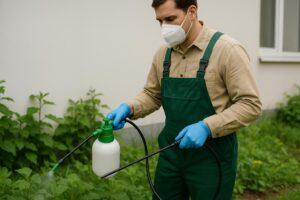
When using glyphosate products, always follow label instructions and ensure that your application is done on windless days to avoid drift. Wear proper protective gear such as gloves and masks to minimize direct exposure. Disposing of empty containers safely is also vital to prevent unintended environmental contamination.
Alternative Weed Control Methods
There are numerous alternative methods available for controlling weeds in your garden that do not involve glyphosate. These include manual weeding, mulching, and natural herbicides like vinegar or salt. Each of these methods can reduce weed growth without posing the same risks associated with chemical herbicides.
Manual weeding involves pulling out weeds by hand, which can be labor-intensive but is effective for small areas. Mulching with materials like bark chips or straw prevents weed growth by blocking sunlight. Vinegar contains acetic acid that can kill weeds upon direct contact, while salt can be sprinkled selectively on undesirable plants. These alternatives are not only safer but also environmentally friendly.
Preventive Measures to Reduce Exposure
To further minimize exposure to glyphosate, consider employing landscaping strategies, such as dense planting and ground cover, to reduce weed growth naturally. Regular lawn maintenance and monitoring also contribute to effective weed control, decreasing the need for herbicides.
Employing preventive measures helps create a safer outdoor environment. Keeping your lawn healthy through proper mowing, watering, and fertilization reduces the chances of weed invasion, which in turn lessens reliance on chemical treatments. Implementing these practices can significantly lower potential health risks associated with herbicide exposure.
Step-by-Step Guide for Homeowners
| Step | Description |
| 1 | Assess your garden and identify problem weeds. |
| 2 | Choose alternatives to Roundup. |
| 3 | Implement integrated pest management (IPM). |
Assessing Your Garden and Weeds
Start by examining your garden to identify the specific weeds affecting your plants. Understanding the type of weeds you face will help you choose the most effective removal methods. Look for native weed species, as these are often easier to manage and can enrich your garden’s biodiversity. Keeping records of weed infestations will aid in tracking their patterns and help you strategize future preventive measures.
Choosing Alternatives to Roundup
When considering herbicide alternatives, consider options like vinegar, salt, or boiling water. These substances can be effective in controlling weeds without the health risks associated with glyphosate. Additionally, some organic herbicides contain natural ingredients that deter weed growth while maintaining garden safety.
Vinegar, with its high acetic acid content, can effectively kill young weeds. Salt can be used selectively, but apply it cautiously to avoid harming your soil. Commercial organic herbicides, often based on plant oils, provide another safe alternative. Research these options to determine which aligns best with your lifestyle and gardening practices.
Implementing Integrated Pest Management
Integrated pest management (IPM) combines various strategies to control pests and weeds effectively while minimizing harmful environmental impacts. Begin by attracting beneficial insects to your garden to help with natural pest control. This method promotes a balanced ecosystem and further reduces the need for chemical interventions.
By employing IPM, you can explore cultural practices such as crop rotation and mulching, which discourage weed growth and enhance soil health. Combining these techniques with biological controls, like introducing predatory insects, can significantly reduce pest populations and allow for a harmonious garden environment, ultimately leading to less reliance on herbicides.
Legal Considerations
Liability and Lawsuits
If you’ve used Roundup and developed health issues, you may face challenges in proving liability. Many lawsuits focus on demonstrating that the manufacturer failed to warn users about potential dangers. A growing number of successful cases indicate that juries often side with plaintiffs, leading to significant settlements, with thousands of cases reported nationwide. It’s important to consult a legal expert familiar with toxic torts to evaluate your situation adequately.
Consumer Rights and Protections
You have the right to safe products, and there are legal frameworks in place to protect consumers from harmful substances. Under laws such as the Consumer Product Safety Act, you can seek recourse if a product is found to be harmful. Understanding these rights gives you the foundation to act if you believe your health has been compromised by Roundup.
In recent years, consumer rights have expanded, enabling those affected by glyphosate to seek justice. For example, the Federal Insecticide, Fungicide, and Rodenticide Act (FIFRA) regulates pesticides like Roundup, mandating that they meet safety standards before reaching consumers. If you believe Roundup has harmed you, gathering evidence and understanding your rights can empower you to take legal action.
Reporting Unsafe Practices
If you suspect unsafe practices related to Roundup use, reporting these can help protect others. You can report any hazardous incidents to the Environmental Protection Agency (EPA) or your local health department, which may take action against misuse or unsafe application practices.
Reporting unsafe practices is vital, as it can lead to broader investigations into the safety of Roundup. Many states have local regulations that require reporting incidents of pesticide misuse. By submitting detailed reports, you contribute to ensuring public safety and may influence regulatory changes that hold manufacturers accountable for their products’ safety and efficacy.
Pros and Cons of Using Roundup
| Pros | Cons |
|---|---|
| Effective weed control | Potential cancer risks |
| Fast-acting formula | Environmental concerns |
| Cost-effective solution | Risk to beneficial insects |
| Wide-ranging application | Possible development of resistant weeds |
| Easy to use | Controversial regulatory status |
| Used globally by professionals | Legal and health implications in lawsuits |
| Designed for home and garden use | Residual soil effects |
| Compatible with various crops | Debate over pesticide regulation |
| Supports efficient gardening | Public health concerns |
| Custom formulations available | Impact on water sources |
Advantages of Glyphosate
Glyphosate, the active ingredient in Roundup, provides rapid weed control, making it highly effective in managing unwanted vegetation in your garden. Its capability to target a wide range of weeds, including tough perennial species, ensures that you can maintain a cleaner outdoor space with less effort. Additionally, its cost-effectiveness and ease of use contribute to its popularity among homeowners and professionals alike.
Disadvantages and Risks
While glyphosate is effective, it comes with significant health and environmental risks. Numerous studies have raised concerns about its potential link to various cancers and have highlighted the adverse effects on ecosystems. The product’s application may also damage beneficial organisms in your garden, resulting in an unbalanced environment.
Research underscores the alarming potential ofglyphosate to contribute to serious health issues. The International Agency for Research on Cancer (IARC) classified glyphosate as “probably carcinogenic in humans,” which raises substantial concerns for individuals using it without protective measures. Beyond personal health, glyphosate poses risks to pollinators and other vital wildlife, emphasizing the need for caution when applying this herbicide.
Weighing Your Options
Before deciding to use Roundup, assess both the benefits and downsides carefully. It’s vital to consider alternatives that may offer satisfactory weed control with fewer risks. Organic or natural herbicides, such as vinegar or salt solutions, can be less harmful to the environment and your health, though they often require more frequent application.
As you weigh your options, think about the long-term implications of your choice. Will the benefits of glyphosate outweigh the health risks and potential environmental damage? Engaging in responsible gardening practices might lead you to safer alternatives, promoting not only healthier spaces for you but also a more sustainable environment.
Factors Influencing Glyphosate Exposure
- Application Methods
- Duration and Frequency of Use
- Environmental Conditions
Application Methods
The method you choose for applying glyphosate can significantly impact your level of exposure. Common techniques include spraying, granulating, and using pre-mixed formulations. Spray applications, particularly in windy conditions, can drift and land on unintended areas, increasing your risk of contact. Proper equipment and techniques can minimize exposure.
Duration and Frequency of Use
Your glyphosate exposure increases with how often and how long you use the product. Frequent applications on your lawn or garden escalate the likelihood of contact. Additionally, extended use over the years compounds potential risks to health.
For homeowners, understanding the implications of duration and frequency is vital. Those who apply glyphosate regularly, especially in large quantities, may put themselves at a higher risk for adverse health effects. Statistical studies have indicated a correlation between long-term exposure and increased incidence of certain cancers among applicators.
Environmental Conditions
The environmental conditions during application play a pivotal role in determining glyphosate exposure levels. Factors such as temperature, humidity, and wind speed can influence how glyphosate behaves once applied. High temperatures can accelerate evaporation, while windy conditions can cause drift and spread to unintended targets.
Additionally, certain environmental conditions can lead to increased runoff and contamination of nearby water sources. In heavy rain, glyphosate can wash away from areas where you applied it, potentially affecting neighboring properties and water supplies. Awareness of these conditions is critical to managing safe usage.
Community Resources and Support
Local Health Departments
Your local health department can be a valuable resource for information on pesticide safety and health inquiries relating to herbicides like Roundup. They often provide services such as risk assessments, health education, and recommendations for safe pesticide use. Engaging with them can help you understand any regulations or community health programs that support safer gardening practices and protect your health.
Advocacy Groups and Organizations
Numerous advocacy groups focus on chemical safety and public health, providing educational resources and support for those impacted by glyphosate. Organizations like the Environmental Working Group and Beyond Pesticides work tirelessly to raise awareness about the health risks associated with pesticides, empowering you to make informed decisions about your home environment.
These groups often offer resources such as informational guides, research findings, and personal stories from affected individuals. By connecting with them, you gain access to a network of support and advocacy, which can help amplify your voice regarding health policies or community regulations. Participation in their initiatives can also direct much-needed attention to legislative actions that seek to regulate harmful chemicals.
Online Resources and Helplines
There are numerous online resources and helplines available to help you navigate concerns about glyphosate and health. Websites like Healthy Child Healthy World and the National Pesticide Information Retrieval System provide insights, data, and helpline options for specific inquiries related to pesticide exposure.
These platforms frequently update their databases with the latest studies and health advisories. Utilizing helplines can also connect you with experts who can answer your questions and provide immediate assistance for any health concerns or pesticide exposure. Such resources can significantly enhance your knowledge and bolster your confidence in handling your gardening practices safely.

Scientific Perspectives and Ongoing Research
Current Research Endeavors
Researchers are currently exploring the link between glyphosate exposure and cancer through various epidemiological studies, laboratory experiments, and reviews of existing data. Notable efforts include long-term cohort studies that assess the health outcomes of farm workers and applicators, which have produced mixed results. Recent work focuses on identifying biological mechanisms by which glyphosate may induce carcinogenic effects, including its potential impact on DNA damage and cell proliferation.
Future Directions in Glyphosate Studies
Future glyphosate research will likely focus on longitudinal studies that track health outcomes over extended periods, the effects of combined pesticide exposure, and the impact on vulnerable populations, including children and pregnant women.
Additionally, investigations into the environmental persistence of glyphosate and its breakdown products are necessary since they may contribute to cumulative exposure risks over time. Understanding how glyphosate interacts with other chemicals in your environment will be paramount in determining its overall safety profile. Such multidimensional studies can illuminate the broader implications of glyphosate use in agricultural and residential settings.
Understanding Limitations of Current Research
Current research is limited by challenges such as inconsistent exposure assessments and variability in study designs. Many studies rely on self-reported data, which can introduce bias, while others may not adequately account for confounding factors like lifestyle choices or genetic predispositions.
The lack of consensus among regulatory agencies regarding glyphosate’s carcinogenic potential further complicates your understanding of the risks. Variations in methodologies, populations studied, and endpoints evaluated contribute to mixed findings. A unified approach that addresses these limitations could help clarify the safety concerns surrounding glyphosate and guide informed decisions for your gardening or landscaping efforts.
Conclusion
Summing up, understanding the potential link between Roundup and cancer is necessary for you as a homeowner. By staying informed about the ingredient glyphosate and considering safer alternatives, you can make better decisions regarding your gardening and landscaping practices. Your health and the environment can benefit from proactive choices, allowing you to maintain your property while minimizing potential risks. Being aware empowers you to create safer spaces for yourself and your family.
FAQ
Q: What is Roundup and what is its active ingredient?
A: Roundup is a widely used herbicide designed to kill weeds and grasses. Its active ingredient is glyphosate, a broad-spectrum systemic herbicide that targets specific enzymes in plants.
Q: How does glyphosate work in controlling weeds?
A: Glyphosate disrupts the shikimic acid pathway, an vital process for plant growth, leading to the death of the target weeds while being less harmful to most crops and animals.
Q: Is there a link between glyphosate and cancer?
A: Some studies and organizations, including the International Agency for Research on Cancer (IARC), have classified glyphosate as “probably carcinogenic in humans,” though definitive evidence is still debated among experts.
Q: What types of cancer have been associated with glyphosate exposure?
A: Research has suggested a potential link between glyphosate exposure and certain cancers, particularly non-Hodgkin lymphoma, but further research is needed to establish conclusive evidence.
Q: How can homeowners reduce their exposure to Roundup?
A: Homeowners can reduce exposure by using alternative weed control methods, applying herbicides carefully, wearing protective clothing, and following label instructions closely.
Q: What are some alternatives to Roundup for weed control?
A: Alternatives include vinegar, salt, boiling water, mulch, and natural herbicides that contain plant-based oils to control weeds effectively without relying on glyphosate.
Q: Where can homeowners find more information on this topic?
A: Homeowners can access information through reliable sources such as the Environmental Protection Agency (EPA), the Centers for Disease Control and Prevention (CDC), and various agricultural extension services for guidelines on safe herbicide use.