


Just by implementing a few simple strategies, you can significantly Reduce Weed Killer Exposure in your home and garden. Understanding the dangers of these chemicals is crucial for protecting your health and the environment. From selecting safer alternatives to adopting preventive measures, you have the power to create a healthier living space. This guide will help you take concrete steps towards reducing the risks associated with conventional weed management, ensuring peace of mind for you and your loved ones.

Key Takeaways:
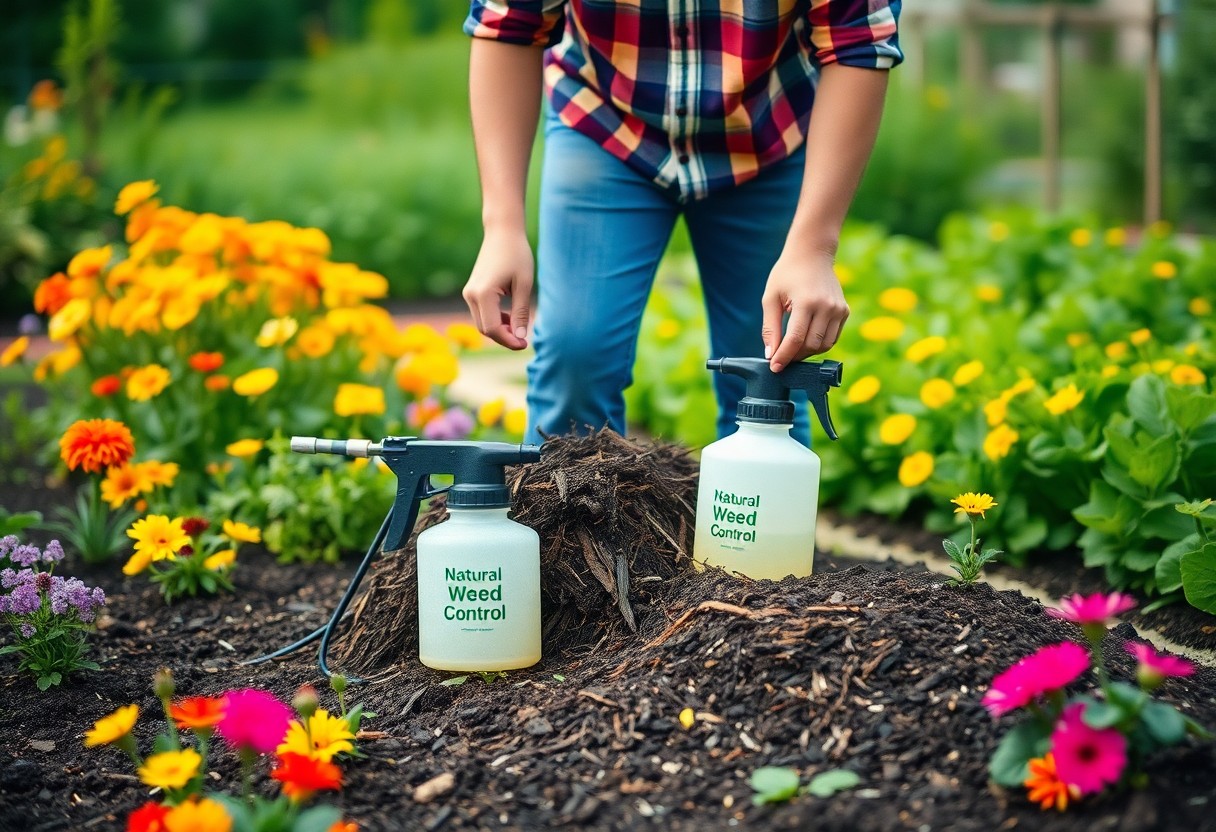
- Opt for natural weed control methods like mulch or vinegar.
- Maintain healthy soil to promote strong plants that compete against weeds.
- Emphasize manual weeding as a safe alternative for small areas.
- Choose organic or non-toxic herbicides if chemicals are necessary.
- Educate family members about the dangers of weed killer exposure.
- Store all chemicals safely away from living areas and pets.
- Consider hiring professionals who use eco-friendly practices for lawn care.
Understanding Weed Killers
What Are Weed Killers?
Weed killers, or herbicides, are chemicals designed to eliminate unwanted plants. These products target specific plants while ideally leaving your desired crops or grass unharmed. However, the effectiveness of these chemicals can vary widely, and their impact on the environment and human health is a growing concern.
Types of Herbicides
Herbicides can be categorized into two main types: selective and non-selective. Selective herbicides target specific weed species, protecting desired plants, while non-selective herbicides kill all plants they contact. Additionally, some herbicides are pre-emergent, designed to prevent weed seeds from germinating, whereas post-emergent herbicides tackle existing weeds.
| Type | Description |
| Selectives | Targets specific weeds while protecting desired plants. |
| Non-selectives | Kills all vegetation it comes in contact with. |
| Pre-emergent | Stops weed seeds from germinating in soil. |
| Post-emergent | Tackles existing weeds already present. |
- Understanding selective herbicides can aid in choosing the right option for your garden.
- Non-selective herbicides require caution, as they affect all plants.
- Utilizing pre-emergent herbicides can significantly reduce weed growth.
- Post-emergent options should be applied to visible weeds.
- After reviewing the types, you can make informed choices about your weed management strategy.
The Impact of Chemical Exposure
Exposure to herbicides has been linked to various health issues, including respiratory problems and skin irritation. Prolonged exposure, especially for children and pets, can lead to serious conditions such as hormonal disruptions and increased cancer risk.
Research indicates that certain chemicals found in herbicides, like glyphosate, may have concerning effects on human health and the environment. Studies have suggested that glyphosate exposure may be associated with an elevated risk of certain cancers, prompting many to seek safer alternatives for weed control.
Assessing Your Garden
Identifying Areas with Weeds
Start by taking a walk through your garden and pinpointing areas where weeds are prevalent. Use a notepad to mark locations of heavy infestation, as this will help in strategizing your management approach. Regularly monitoring these areas allows you to catch issues early and decide whether to use manual removal or alternative control methods.
Understanding the Types of Weeds
Familiarize yourself with the various types of weeds in your garden. Common categories include annuals, perennials, and biennials, with each type having specific growth habits and life cycles. Recognizing the differences can significantly impact your approach to control and prevention. The following table summarizes their key characteristics:
| Type | Characteristics |
| Annuals | Germinate, flower, and die within one year. |
| Perennials | Live for multiple years and can spread quickly. |
| Biennials | Take two years to complete their life cycle. |
| Invasive Weeds | Can outcompete native plants for resources. |
| Native Weeds | Support local ecosystems but may still compete. |
- Recognizing annuals can help you plan for timely intervention.
- Identifying perennials is vital for targeted removal efforts.
- Monitoring biennials ensures you manage them before they seed.
- Classifying invasive types will support your native plants
- Perceiving the differences among weeds is key to effective garden management.
Evaluating Current Weed Control Methods
Examine the weeding methods you currently employ in your garden. Consider whether you’re using chemical herbicides or organic approaches like hand-pulling and mulching. Effectiveness, safety, and impact on neighboring plants should all factor into your evaluation.
Investigate the various methods you apply, including any potential risks they pose to your garden’s health. For example, heavy reliance on chemicals may inadvertently harm beneficial organisms. It’s advisable to keep a log of your practices, noting successes and failures. Utilizing this information can create a more tailored plan for your garden, ultimately leading to enhanced results. The table below lists common methods and their implications:
| Method | Implications |
| Hand-Pulling | Effective but labor-intensive |
| Mulching | Suppresses weeds and retains moisture |
| Chemical Herbicides | Quick effects but potential harm to soil |
| Boiling Water | Environmentally friendly but may kill nearby plants |
| Vinegar Solution | Natural option that can control shallow-rooted weeds |
- Assess how hand-pulling can be an exhausting but rewarding practice.
- Consider how mulching not only prevents weeds but benefits overall plant health.
- Weigh the efficiency of chemical methods against their long-term impacts.
- Evaluate boiling water as a quick fix and its environmental consequences.
- Perceiving your current weed control methods allows for more strategic adjustments.
Alternative Weed Control Methods
Manual Weeding Techniques
Manual weeding is an effective and eco-friendly way to control weeds in your garden. By regularly pulling weeds by hand or using tools like hoes and cultivators, you can disrupt their growth and prevent them from seeding. It’s best to remove weeds when the soil is moist, allowing for easier extraction, including the roots, which helps ensure that the weeds do not regrow.
Organic Herbicides
Organic herbicides provide an alternative to chemical weed killers, utilizing natural ingredients to combat unwanted plants. Many of these products contain ingredients like vinegar, necessary oils, or plant-derived compounds that can effectively target weeds while being safer for your environment and health.
When choosing organic herbicides, look for options with acetic acid or clove oil, which can kill weeds on contact. It’s necessary to apply these products on sunny days for maximum effectiveness, as the heat enhances their action. Always follow the manufacturer’s instructions to minimize any unintended effects on surrounding plants.
Mulching and Ground Cover Options
Utilizing mulch and ground cover plants is a great way to suppress weed growth and improve soil health. Mulch blocks sunlight from reaching weed seeds, preventing germination, while ground cover plants create a dense layer that competes with weeds for resources.
Use organic materials like wood chips, straw, or grass clippings for mulching, aiming for a thickness of about 2-3 inches. This not only hampers weed growth but also retains soil moisture and gradually improves the soil as it decomposes. For ground cover, consider planting low-growing species like clover or creeping thyme, which spread quickly and can effectively outcompete weeds.
Implementing Integrated Pest Management
What is Integrated Pest Management (IPM)?
Integrated Pest Management (IPM) is a holistic approach to controlling pests, including weeds, by combining different practices and strategies. It emphasizes understanding the interactions between plants, pests, the environment, and beneficial organisms to create sustainable solutions. Instead of relying solely on chemicals, IPM integrates techniques such as monitoring, biological control, and cultural practices to manage pest populations while minimizing harmful impacts on human health and the ecosystem.
Benefits of IPM for Weed Control
Utilizing IPM for weed control offers multiple advantages, including enhanced biodiversity, reduced reliance on synthetic herbicides, and long-term sustainability. By implementing IPM strategies, you improve your garden’s resilience, encourage beneficial species, and promote a healthier ecosystem overall. Focusing on prevention rather than reactive measures leads to a more effective and environmentally friendly management approach.
For example, studies show that farms using IPM techniques report up to a 50% reduction in pesticide use while maintaining or even increasing crop yields. This balance promotes natural predator populations that can help control weed species and reduces chemical runoff into surrounding areas, benefiting both your garden and the broader environment.
Steps to Develop an IPM Plan
To develop an effective IPM plan, start by assessing your garden’s current conditions and identifying key problems. Next, monitor pest species through regular observations and set thresholds for when action is necessary. Combine various control methods, such as cultural, mechanical, or biological strategies, tailored to your specific needs.
Begin your plan by conducting a thorough survey of your garden to pinpoint weed species and their growth stages. Engage in regular monitoring by keeping a pest diary or using apps to track changes in weed populations. Implement an array of strategies like crop rotation, mulching, and using competitive plants to suppress weed growth. Regularly evaluate and adjust your plan based on its effectiveness, ensuring you always use the most efficient methods available to maintain a healthy and balanced garden ecosystem.
The Importance of Plant Selection
Choosing Native Plants
By selecting native plants, you’ll create a resilient garden that requires less chemical intervention. Native species are better adapted to the local climate and soil, making them more resistant to pests and diseases. This not only minimizes your reliance on herbicides but also supports local wildlife, including pollinators that are vital for biodiversity.
Selecting Drought-Resistant Varieties
Opting for drought-resistant varieties can significantly reduce your need for irrigation and pesticide use. These plants thrive in arid conditions, requiring less maintenance and fewer chemicals to survive, which in turn lowers your exposure to harmful weed killers.
Drought-resistant plants like lavender, sedum, and agave require minimal water and are often less susceptible to plant diseases, reducing the need for herbicides. Integrating these varieties into your garden can lead to a more sustainable landscape while conserving water and lowering maintenance efforts. Consider grouping these plants together to create a microclimate that enhances their drought tolerance.
Designing a Diverse Planting Plan
A diverse planting plan helps create a balanced ecosystem that can self-regulate and reduce pest problems. By incorporating a variety of plants, you enhance the resilience of your garden, making it less likely that any one pest or disease will take hold and require chemical intervention.
When you design a planting plan that includes a mixture of flowers, herbs, shrubs, and trees, you not only enhance the aesthetic appeal but also provide different habitats for beneficial insects and wildlife. This diversity attracts natural predators of pests, creating a more harmonious garden environment. Aim for at least 5-7 different species in a planting bed to optimize ecological balance and minimize the need for herbicides.
Lawn Care Practices
Proper Mowing Techniques
Utilizing correct mowing heights and frequencies can significantly reduce weed growth in your lawn. Aim to keep your grass height between 2.5 to 3.5 inches, as taller grass can shade the soil and inhibit weed seed germination. Additionally, avoid mowing when grass is wet to prevent clumping, which can create bare patches that weeds exploit.
Maintaining Healthy Soil
Healthy soil is foundational for a thriving lawn and helps reduce weed proliferation. Incorporate organic matter and maintain the correct pH balance to enhance nutrient availability and microorganism activity. This creates an environment where your grass thrives, limiting the chances for weeds to establish.
To maintain healthy soil, consider conducting a soil test periodically. This helps you understand pH levels and nutrient deficiencies. By enriching your soil based on test results—using compost, mulch, or organic fertilizers—you bolster plant resilience. Furthermore, regular aeration improves drainage and airflow, further ensuring your grass can outcompete weeds for resources.
Watering Strategies to Minimize Weeds
Implementing effective watering strategies can significantly curb weed growth. Water your lawn deeply but infrequently, ideally 1 to 1.5 inches per week, to promote deep root growth in grass, which helps it choke out weeds. Early morning watering is optimal to minimize evaporation and disease.
Consider using a drip irrigation system or soaker hoses that direct water to the root zone without soaking the soil surface. This lessens the moisture available for weed seeds, which typically thrive in damp topsoil. By practicing these watering techniques, you can enhance the overall health of your lawn while effectively limiting weed establishment.
Monitoring and Managing Weed Growth
Regular Garden Observations
Conducting regular observations of your garden allows you to stay ahead of weed growth. By walking through your garden weekly, you can identify early signs of weeds and take action before they spread. Look for new sprouting weeds in areas that may have been disturbed or recently mulched, as these are often the first to emerge. A watchful eye can save time and effort in the long run.
Early Identification of Invasive Species
Identifying invasive weed species early on is important for effective management. These aggressive plants can outcompete your garden’s native flora, leading to diminished biodiversity and a compromised ecosystem. Monitoring for signs such as rapid growth or unusual flower structures can help you catch them before they establish.
For instance, plants like Japanese Knotweed and Bittercress spread quickly and can damage your garden’s health. Knowing how to identify these species—by their unique leaf shapes or growth patterns—enables you to act promptly. Maintaining a list of known invasive species in your area aids in swift recognition and management, preventing serious infestations.
Seasonal Strategies for Weed Management
Your approach to weed management should vary with the seasons to be effective. In spring, focus on pre-emergent strategies; in summer, utilize regular hand-pulling combined with mulch application. In fall, consider overseeding to allow grass to outcompete weeds. Each season has distinct strategies that can greatly improve garden health.
For example, applying a pre-emergent herbicide in early spring blocks weed seeds from germinating. During the summer months, frequent weeding sessions after rainfall can make it easier to remove weeds without disturbing the soil too much. In fall, planting cover crops can prevent weeds from taking root while enriching your soil with nutrients over winter. Tailoring your strategy seasonally maximizes your results and reduces reliance on chemical solutions.
Educating Yourself and Others
Understanding Labels and Safety Data Sheets
Reading and comprehending labels and Safety Data Sheets (SDS) is necessary for any homeowner using herbicides. These documents provide critical information on active ingredients, application rates, hazards, and first-aid measures. Familiarize yourself with terms such as signal words (e.g., caution, warning, danger) to gauge toxicity levels. This knowledge helps ensure safe handling and reduces risks to your health and the environment.
Community Workshops and Resources
Participating in community workshops can enhance your understanding of safe weed management practices. Local extension services and gardening clubs often offer educational sessions where experts share effective, low-risk alternatives to chemical herbicides. You can typically find upcoming events on community bulletin boards or online group platforms.
These workshops provide hands-on demonstrations, allowing you to learn safe application techniques and environmentally friendly alternatives. By networking with local gardeners and attending sessions, you can examine into practical solutions tailored to your region’s climate and ecosystem, ultimately reducing reliance on harmful chemicals.
Sharing Best Practices with Neighbors
Engaging with your neighbors to share best practices fosters a community-wide approach to weed control, minimizing chemical exposure. Discussing successful organic methods, such as using mulch or hand-pulling weeds, can encourage others to adopt safer strategies.
By forming a neighborhood group focused on sustainable practices, you can collectively explore new techniques, share resources, and even organize group purchases of organic supplies. This sense of community not only enhances your local environment but also creates accountability among participants, ultimately leading to a cleaner, healthier community.
Safe Application Techniques
When and How to Apply Herbicides
Apply herbicides during calm weather conditions to minimize drift, ideally in the early morning or late afternoon. Avoid applying before heavy rain, as runoff can contaminate nearby areas. Follow the manufacturer’s recommended application rates; for example, using exactly the dosage specified ensures effectiveness while reducing environmental impact.
Protective Gear and Safety Measures
Wear protective gear such as gloves, goggles, and a mask when applying herbicides. This protects your skin and respiratory system from exposure to harmful chemicals that can lead to serious health issues.
Choosing specific protective equipment tailored to the herbicide being used is crucial. For instance, use nitrile gloves when handling glyphosate. Always ensure your gear is in good condition; damaged items should be replaced to maintain safety. Additionally, keep children and pets away from treated areas for at least 24 hours following application.
Cleaning Up After Application
After applying herbicides, thoroughly clean your equipment and dispose of any leftover product according to label instructions. Proper cleanup helps prevent accidental exposure or contamination of other areas.
Utilize soap and water to wash your hands, clothing, and equipment after handling herbicides. Dispose of leftover chemicals as directed on the label, often in a designated hazardous waste facility. This not only protects you but also contributes to environmental safety by preventing potential leaching of chemicals into the soil or water sources.
Maintaining a Healthy Environment
Benefits of Organic Gardening
Choosing organic gardening practices significantly minimizes your exposure to harmful chemicals. By incorporating natural fertilizers and pest control methods, you not only protect your health but also enhance the quality of your soil and the diversity of your garden ecosystem. Ultimately, organic gardening promotes long-term sustainability by fostering a robust, resilient environment.
Encouraging Beneficial Insects
Introducing beneficial insects into your garden can naturally control pest populations. These insects, such as ladybugs and lacewings, thrive on common garden pests, reducing the need for chemical interventions. By fostering an inviting habitat, you can maintain a balanced ecosystem that relies on nature’s own mechanisms.
To encourage beneficial insects, consider planting a diverse range of flowers that provide nectar and pollen. Herbs like basil and parsley, along with flowering plants such as marigolds and cosmos, attract these helpful species. Additionally, avoiding broad-spectrum pesticides ensures that these allies can thrive and effectively mitigate pest issues.
Creating Wildlife-Friendly Spaces
Designing your garden with wildlife in mind creates a sanctuary for various species, promoting biodiversity. Incorporating native plants not only supports local wildlife but also reduces your reliance on pesticides, allowing for a healthier environment overall.
Wildlife-friendly spaces can include native plant gardens, birdhouses, and water features to attract different species. Providing a range of habitats encourages pollinators like bees and butterflies while offering shelter for birds and beneficial insects. This proactive approach enriches your garden and creates a natural balance that benefits you and the ecosystem. You can also find more tips on this topic here.
Community Involvement
Organizing Community Clean-Up Days
By organizing community clean-up days, you foster a collective effort to improve local parks and neighborhoods, reducing the need for chemical weed control. Engaging residents in these events allows you to raise awareness about the dangers of weed killers and promotes organic alternatives in maintaining clean spaces.
Participating in Local Environmental Initiatives
Your active participation in local environmental initiatives can amplify the impact of safer gardening practices. Programs focused on sustainability often promote education and awareness, demonstrating the environmental benefits of reducing chemical usage in favor of natural methods.
Advocating for Reduced Chemical Use
Advocating for reduced chemical use within your community not only protects public health but also encourages a cultural shift towards safer gardening practices. By discussing the risks associated with herbicides and pesticides, you can spark conversations that lead to policy changes and greater community involvement.
Engage local community boards and organizations to propose the implementation of stricter regulations on chemical use in public areas. Promoting ordinances that limit herbicide applications around schools and playgrounds can significantly lower exposure risks. Sharing data on the health impacts of chemical products can motivate others to join your cause, creating a united front advocating for greener, healthier environments.
Understanding Local Laws and Regulations
Overall Regulations on Herbicide Use
Herbicide use is governed by federal and state laws that outline acceptable practices to safeguard human health and the environment. The Environmental Protection Agency (EPA) regulates the registration of herbicides, setting safety standards and usage guidelines. Additionally, states can impose stricter regulations, requiring you to stay informed about local requirements and documentation required for application.
Local Bans or Restrictions on Specific Chemicals
You may find certain herbicides banned or restricted in your area due to environmental concerns. For instance, municipalities may prohibit the use of substances like glyphosate or 2,4-D to protect nearby water sources and ecosystems. Being aware of these bans can help you make safer choices in weed management.
Research your local ordinances to discover specific chemicals restricted in your area. Many communities have adopted policies to limit hazardous herbicides, especially near schools or waterways. Some regions may offer alternatives to chemical treatments or require special permits for their use, providing an opportunity for you to adopt more sustainable practices in your landscaping efforts.
Reporting Violations and Seeking Guidance
If you suspect a violation of herbicide regulations, you have the responsibility to report it to local authorities. By doing so, you contribute to community safety and environmental protection. Your local agricultural extension office or environmental agency can provide you with information on reporting processes.
Take the proactive step of contacting your local regulatory agencies for guidance on herbicide use. They can explain the legal landscape, clarify which products are permitted, and provide resources for safe application practices. Engaging with these organizations ensures you are compliant and can help foster a healthier community environment.
Keeping Informed
Current Research on Weed Control
Stay abreast of current research regarding weed control methods that prioritize safety and efficacy. Scientists are increasingly focusing on organic and biological alternatives, such as using beneficial insects or native plants, that can suppress weeds naturally without harmful chemicals. Engaging with academic journals or agricultural extension services can provide insights into innovative practices and products that align with eco-friendly standards.
Staying Updated on Eco-Friendly Practices
To minimize your exposure to harmful chemicals, it’s vital to stay updated on eco-friendly practices in weed management. Techniques such as mulching, crop rotation, and integrating cover crops not only reduce weed growth but also enhance soil health. Regularly visiting gardening workshops or sustainable agriculture seminars can offer practical guidance on implementing these strategies effectively.
Workshops and seminars are often led by experts with firsthand experience in eco-friendly weed control. They can demonstrate techniques such as hand-weeding or using barriers, which are effective means of managing weeds without resorting to chemical herbicides. Engaging with local gardening communities can also provide valuable insights into adaptive strategies tailored to your specific climate and soil conditions.
Resources for Ongoing Learning
Explore a variety of resources for ongoing learning about safe weed management practices. Websites of organizations like the National Sustainable Agriculture Coalition or local extension offices provide up-to-date information on environmentally friendly weed control alternatives. Additionally, social media platforms often feature groups dedicated to sustainable gardening, where you can exchange tips and experiences with like-minded individuals.
Many of these resources offer online courses, webinars, and newsletters that equip you with the latest research and techniques in eco-friendly practices. For example, extension services frequently publish guides and bulletins that cover effective and responsible weed management strategies suitable for your area. Proactive engagement with these resources can enhance your knowledge base and implementation of safe practices in your home and community.
Summing up
On the whole, you can significantly reduce weed killer exposure by adopting integrated pest management practices, utilizing natural alternatives, and maintaining healthy soil. Regularly monitor your landscape for weeds and hand-pull them when feasible, and consider mulching to suppress weed growth. When chemical treatments are necessary, choose targeted application methods and follow label instructions meticulously. Additionally, educate yourself about the ingredients in products you use, ensuring they align with your health and environmental goals. By implementing these steps, you can create a safer, healthier outdoor space for you and your family.
FAQ
Q: What are some alternative methods to handle weeds without using chemical weed killers?
A: Some alternative methods include hand-pulling weeds, using boiling water, applying vinegar, employing mulch, and planting ground cover plants to compete with weeds.
Q: How can I create a healthier lawn that reduces the need for weed killers?
A: Create a healthier lawn by mowing at the correct height, aerating the soil, implementing proper watering techniques, and fertilizing using organic methods.
Q: What role does soil health play in weed growth?
A: Healthy soil promotes strong plants that can outcompete weeds. Testing and improving soil fertility and structure can help minimize weed issues.
Q: Is it possible to reduce weed killer exposure during lawn care?
A: Yes, by timing applications appropriately, using targeted treatments rather than broad sprays, and selecting lower-impact products, exposure can be minimized.
Q: What timing should I consider when applying any necessary weed control?
A: Apply weed control products during calm days, in the early morning or late afternoon, to minimize drift and weather-related issues affecting efficacy.
Q: Are there specific plants I can include in my garden to suppress weeds naturally?
A: Yes, consider planting dense, deep-rooted perennials, ground covers, or cover crops that shade the soil and reduce light for weed seeds.
Q: How can I educate myself further about minimizing pesticide use in my gardening practices?
A: Research organic gardening practices, attend local workshops, join gardening clubs, or consult with extension services for resources and guidance.