


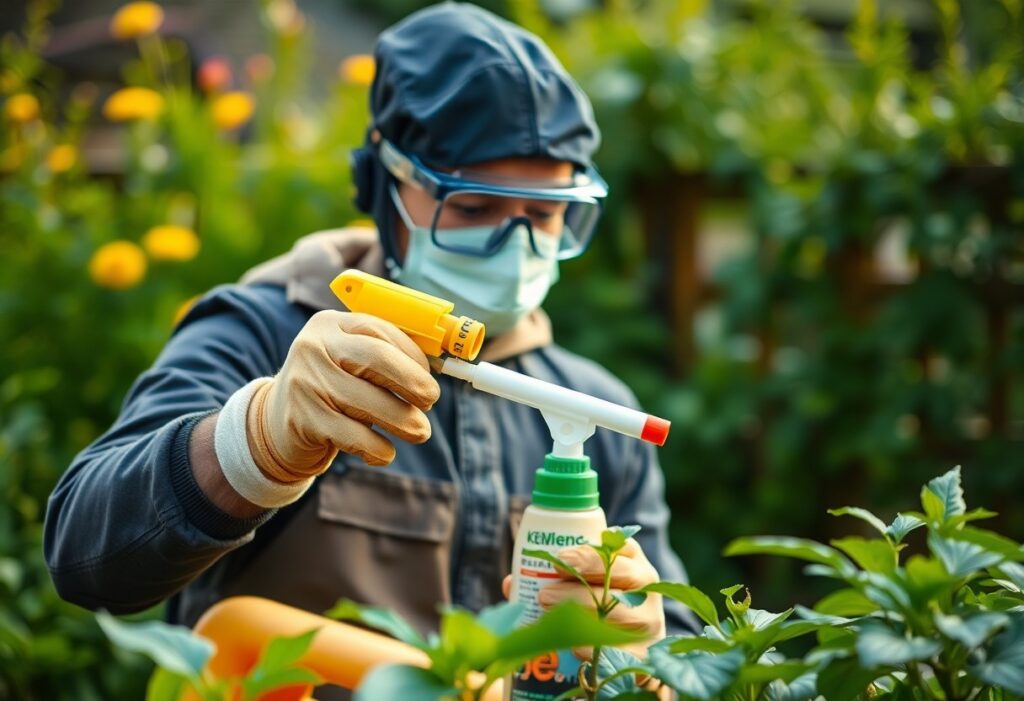
Home gardening often involves the use of weed killers to maintain a beautiful landscape; however, it’s imperative to protect yourself during application. You should always wear protective gloves, a mask, and eye protection to minimize exposure. Ensure that your children and pets are kept away from treated areas for at least the recommended time to avoid any health risks. By following these safety measures, you can effectively control unwanted plants while maintaining a safe environment for you and your loved ones.
Key Takeaways:
- Always read and follow label instructions on weed killer products.
- Wear protective clothing, including gloves, goggles, and masks.
- Apply weed killers on calm days to minimize drift and evaporation.
- Keep children and pets away from treated areas until it’s safe.
- Store chemicals in a secure, labeled container out of reach.
- Consider using alternative, organic weed control methods when possible.
- Dispose of any unused or expired products according to local regulations.
Understanding Weed Killers
Types of Weed Killers
Weed killers, or herbicides, are categorized based on their effectiveness and function. Common types include pre-emergent herbicides that prevent weed seeds from germinating, and post-emergent herbicides designed to kill existing weeds. They can further be divided into selective and non-selective herbicides, targeting specific plants or all vegetation, respectively.
- Pre-emergent – prevents germination
- Post-emergent – destroys existing weeds
- Selectivity – targets specific weeds
- Non-selectivity – kills all plants
- Natural – derived from plant oils or minerals
Any choice of weed killer should align with your gardening goals and safety standards.
| Type | Description |
| Pre-emergent | Stops weed seeds from growing. |
| Post-emergent | Kills currently growing weeds. |
| Selective | Affects specific weeds. |
| Non-selective | Kills all plant life. |
| Natural | Derived from natural sources. |
Active Ingredients to Look For
When opting for a weed killer, it’s crucial to understand the active ingredients listed on the label. Common active ingredients include glyphosate, a non-selective herbicide, and 2,4-D, which targets broadleaf weeds. Each ingredient has its specific use and potential health concerns, making awareness critical for safety.
Research indicates that glyphosate has faced scrutiny regarding its safety and environmental effects. 2,4-D, while effective, may pose risks to non-target plants and wildlife. Being knowledgeable about these ingredients helps you make informed choices about safe usage and potential alternatives.
Environmental Impact
The use of weed killers can significantly affect local ecosystems. Non-selective herbicides may harm beneficial insects and neighboring plants, while some active ingredients can leach into water sources, endangering aquatic life. Understanding these impacts is vital for responsible gardening.
Studies reveal that residues of certain herbicides persist in soil and water long after application, altering ecosystems. Additionally, it is crucial to consider the potential for herbicide resistance in weeds, which can result from over-application of specific chemicals, prompting the need for more potent solutions. Awareness of these factors can lead to more sustainable gardening practices.
Assessing Your Needs
Evaluating Your Lawn and Garden
To tailor your weed killer use effectively, start by evaluating your lawn and garden. Inspect the types of plants present, as well as the overall size and health of your green areas. Look for problem areas where weeds thrive, which may require more attention. Identifying specific zones, like flower beds or vegetable patches, helps determine the most appropriate weed control methods and products you should employ for your landscape.
Factors Influencing Weed Growth
Several factors influencing weed growth can impact your strategy. Consider the soil type, moisture levels, and sunlight exposure in your yard. Different weeds thrive under varying conditions, so knowing whether your soil is sandy, clayey, or loamy helps you predict which weeds may invade. Additionally, environmental conditions like temperature and humidity play significant roles in weed proliferation. Any changes in these elements can affect your weed management approach.
- soil type
- moisture levels
- sunlight exposure
- environmental conditions
Understanding these elements enables you to choose the right weed killer and customize your approach for maximum efficacy. Any changes in these elements can necessitate adjustments in your weed management strategy.
- temperature
- humidity
- soil health
- weed species
Keep in mind that certain weeds may exploit specific environmental conditions more effectively, meaning areas that seem healthy might be more susceptible to weed invasions than you think. Any insights you gain about these factors will enhance your weed control efforts significantly.
Personal Safety Precautions
Protective Gear
Wearing the right protective gear is imperative when applying weed killers. Always use gloves made of chemical-resistant materials to prevent skin contact, and opt for goggles to shield your eyes from splashes. A face mask can help you avoid inhaling harmful fumes, while long-sleeved clothing adds an extra layer of protection against skin exposure.
Safe Handling Practices
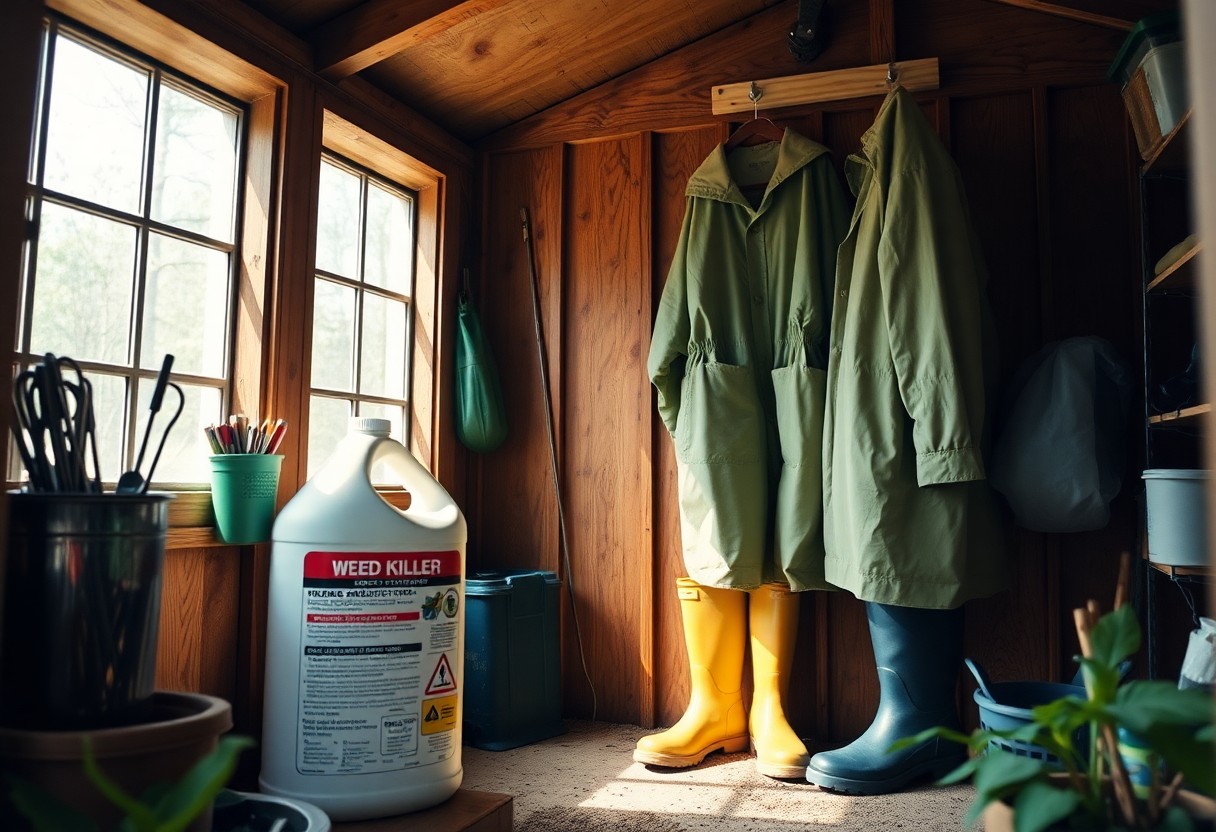
Implementing safe handling practices is vital for your safety. Always read and follow the label instructions carefully before using any weed killer. Pour chemicals in a well-ventilated area and avoid mixing different products unless explicitly stated. Store pesticides out of reach of children and pets, ideally in a locked cabinet.
Additionally, use a dedicated sprayer for herbicides to prevent cross-contamination with other products. Avoid applying weed killers on windy days to minimize drift, and always aim for contact with the targeted plants to limit unnecessary exposure. Clean any spills immediately and wash your hands thoroughly after handling any chemicals.
First Aid Procedures
Knowing the appropriate first aid procedures is imperative in case of exposure to weed killers. Should contact occur, immediately flush the affected area with plenty of water for at least 15 minutes. If ingestion happens, do not induce vomiting; instead, seek medical attention right away. Always have the product container on hand for reference.
If someone experiences difficulty breathing after exposure, it’s critical to move them to fresh air and call emergency services if symptoms persist. For eye exposure, ensure they rinse their eyes gently for an extended duration. Keeping a first aid kit accessible, including activated charcoal, can be a lifesaver in emergencies related to chemical exposure.
Application Techniques
Timing Your Application
Timing is imperative for effective weed killer application. Aim for calm days, ideally between early morning and late afternoon, when temperatures are moderate. Applying during this window enhances absorption while minimizing drift caused by wind. Avoid application before rain, as it can wash away the product, rendering it ineffective.
Application Methods
Choosing the right application method enhances the effectiveness of your weed killer. You can opt for sprayers, granular products, or even foam applications. Sprayers allow for precise coverage, while granular options cover larger areas with less effort, catering to your specific needs.
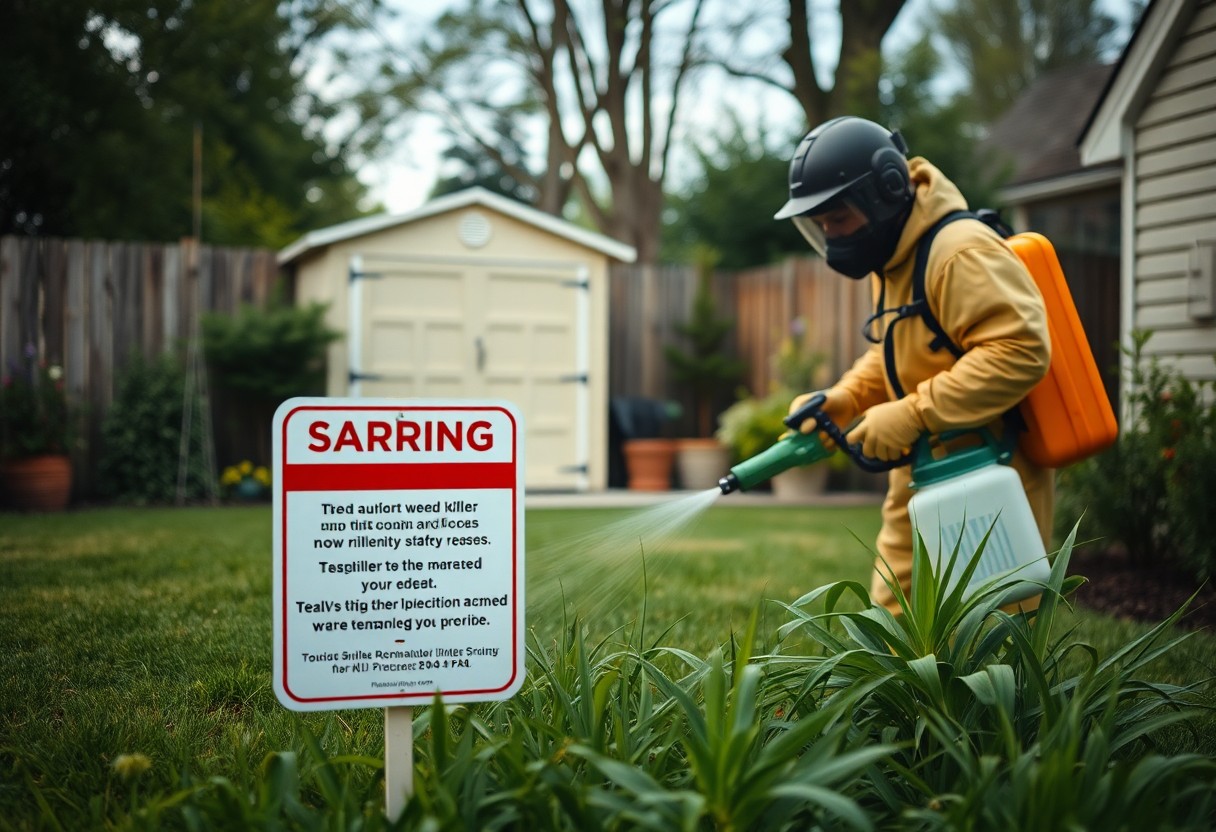
For small areas, a handheld sprayer is highly effective, allowing you to control the amount of product delivered. In contrast, for larger spaces, a backpack sprayer can save time while ensuring even distribution. Always follow the manufacturer’s instructions for application rates and techniques to avoid overuse or damage to desirable plants.
Targeting Weeds Efficiently
To maximize the efficacy of your weed killer, focus on identifying and targeting the right weeds. Understanding the specific type of weed problem you have will inform your choice of product and method. Treating weeds while they are actively growing and before they flower yields the best results.
Utilize a selective herbicide that targets specific weeds without harming your lawn. Identifying whether the weeds are annuals or perennials can direct you to the most effective treatment. For instance, perennial weeds often need more persistent treatments than annuals, helping you allocate your resources wisely.
Post-Application Care
Cleaning Up After Application
After applying weed killers, thoroughly clean your tools and equipment to prevent any chemical residue from affecting other areas. Use soap and water to wash spray nozzles, hoses, and containers. For clothing, wash separately to avoid contamination. Dispose of any unused chemicals according to local regulations. You can find additional safety tips for using weed control chemicals to ensure proper handling.
Monitoring for Side Effects
Keep an eye on your lawn and garden for any signs of distress or unintended damage to desirable plants. Symptoms such as yellowing leaves, wilting, or stunted growth may indicate that the weed killer affected more than just the targeted weeds.
Monitoring side effects involves checking not just the areas where you’ve applied the weed killers, but also any adjacent plants. Be aware of their health and growth; if you notice adverse reactions, reassess your application methods and timing. Common side effects can arise from drift or runoff, so regularly inspect plants for unexpected changes.
Before Reentry Guidelines
Wait a specified time before reentering treated areas. This duration, mentioned on the product label, is important for ensuring your safety while the chemicals work. The waiting period allows time for the weed killer to dry or dissipate, lowering health risks.
Before reentry, always check the label for specific guidelines regarding timeframes. Many products recommend waiting anywhere from a few hours to several days, depending on environmental conditions like temperature and humidity. Not adhering to these guidelines could expose you to harmful chemicals, making it vital to follow all directions closely.
Organic Alternatives
Natural Weed Control Methods
Various natural weed control methods can effectively manage unwanted plants without resorting to chemicals. Options include using vinegar, which contains acetic acid to kill weeds, or boiling water to scald them. Other techniques involve mulching to suppress growth, hand-pulling for smaller infestations, and employing corn gluten meal as a pre-emergent herbicide. These methods are safe for your garden and the environment while still providing effective results.
Benefits of Organic Methods
Opting for organic methods yields numerous benefits, including minimizing chemical exposure to yourself, your family, and pets. Organic weed control nurtures a healthier ecosystem by protecting beneficial insects and improving soil health. You also contribute to sustainable gardening by avoiding synthetic substances that can leach into the water supply.
In addition to enhancing safety, using organic methods positively impacts your garden’s long-term vitality. By embracing techniques that build soil health, like mulching and composting, you create an environment that naturally discourages weeds. These practices also fortify plant resilience, making them better equipped to outcompete weeds over time, leading to a more productive and sustainable garden.
Combining Techniques
Integrating various techniques can yield impressive results in your fight against weeds. For instance, pairing manual removal with organic mulching and applying natural herbicides can maximize your efforts. You might tackle larger infestations using boiling water and follow up with corn gluten meal to prevent further growth.
This combined approach not only enhances effectiveness but also preserves your garden’s equilibrium. By interspersing techniques, you can adapt to different weed types and conditions, ensuring comprehensive coverage. Using multiple strategies reduces reliance on any single method and fosters a more resilient garden ecosystem, ultimately leading to a healthier, more sustainable outdoor space.
Local Legislation and Guidelines
Understanding Local Regulations
To ensure safety when using weed killers, it’s important to understand your local regulations. Many municipalities have specific laws governing the use of herbicides, including restricted products, application methods, and timing. Check with your city or county’s environmental agency for guidelines that might affect your lawn care practices.
Neighbor Considerations
Your use of weed killers can impact your neighbors, especially if they have sensitivities or children and pets. Communicating openly about your planned applications can foster goodwill and prevent misunderstandings, ensuring everyone is aware of potential exposure risks.
Discussing your weed killer application schedule with neighbors not only promotes transparency but also gives them the opportunity to take their own precautions. If you plan to treat your yard on particularly windy days or during periods of heightened allergic reactions, notifying nearby residents can help them protect their pets or avoid spending time outdoors. This collaborative approach is beneficial in maintaining a harmonious community atmosphere.
Community Resources
Investigate local community resources that provide information on safe herbicide use. Many communities offer educational programs, workshops, and materials that can help you understand best practices and eco-friendly alternatives.
Local extension services or gardening clubs often host events focused on pest management and sustainable gardening. Participating in these workshops can equip you with valuable insights and techniques tailored to your area’s specific challenges. Accessing these resources can reinforce your commitment to responsible gardening while also protecting your health and that of your community.
Educating Yourself and Others
Finding Reliable Resources
Accessing trustworthy information about weed killers is vital for effective and safe usage. Look for resources from government agricultural departments, environmental agencies, and established gardening organizations. Websites like the Environmental Protection Agency (EPA) and university extension services offer guidelines on product safety and best practices. Check for recent publications or studies to ensure the information reflects the latest research.
Sharing Knowledge with Family
Once you’ve educated yourself, share that knowledge with your family. Discuss the dangers associated with weed killers and the importance of safe application practices. Encourage family members to ask questions and engage in dialogues about their experiences, creating a supportive environment where everyone is informed.
Engaging your family in discussions about weed killers helps establish a collective understanding of safety measures. Organizing a family meeting or a casual conversation during gardening can foster awareness about protective gear, proper storage, and the significance of reading labels. This collective responsibility reinforces safety habits that benefit everyone.
Engaging with the Community
Connecting with your local community can amplify awareness about weed killer safety. Attend workshops or join neighborhood gardening clubs where members share experiences and techniques. These interactions can provide practical insights and enhance your understanding of effective weed control while adhering to safety measures.
Community engagement projects, such as local clean-up events or pesticide education drives, can raise awareness on safe practices surrounding weed killers. By participating, you not only contribute to environmental safety but also spread knowledge to neighbors. Forming partnerships with local gardening centers can facilitate free workshops, educating more individuals about the risks of improper weed killer use and fostering a culture of safety across your community.
Advanced Weed Management Strategies
- Integrate Cultural Practices
- Utilize Organic Herbicides
- Employ Mulching Techniques
- Practice Crop Rotation
- Use Competitive Planting
Weed Management Techniques
| Technique | Description |
|---|---|
| Integrate Cultural Practices | Alter soil pH and moisture levels to make the environment less favorable for weed growth. |
| Utilize Organic Herbicides | Explore eco-friendly herbicide options that target weeds specifically without harming beneficial plants. |
| Employ Mulching Techniques | Apply organic or inorganic mulch to block sunlight, reducing weed seed germination. |
| Practice Crop Rotation | Alter planting schedules and types of crops to disrupt weed growth cycles. |
| Use Competitive Planting | Select plants that naturally outcompete weeds for resources, reducing weed population. |
Monitoring and Evaluation
Regularly assessing your weed management strategies is necessary for success. Track the effectiveness of your interventions, noting any changes in weed populations and plant health. This ongoing evaluation allows you to adjust tactics, ensuring an optimal balance of weed control and environmental health.
Long-term Prevention Techniques
Establishing enduring weed management strategies can significantly lessen future weed issues. Implementing practices such as proper lawn maintenance, soil health improvement, and strategic planting can help maintain a weed-resistant environment.
Continual enhancement of your garden’s health promotes stronger plants that can outcompete weeds. Through practices like optimal soil conditioning, frequent overseeding, and the selection of robust plant varieties, you foster a thriving ecosystem. These proactive measures ensure that the conditions remain favorable for your desired plants while deterring weed growth.
Professional Help When Necessary
If your weed problems persist despite your best efforts, seeking professional assistance can be beneficial. Experts can provide tailored solutions based on specific weed challenges in your landscape, ensuring effective and safe management.
Consulting with landscaping or horticultural professionals allows you access to advanced techniques and insights that may not be achievable on your own. These experts can offer personalized recommendations, evaluate your site conditions, and help develop a long-term weed management plan tailored to your unique needs.

Common Mistakes to Avoid
Misapplication of Products
Applying weed killers at the wrong time or inappropriately leads to ineffective treatment and can harm desirable plants. Always read the label to ensure you’re using the right product for the specific weeds you’re targeting and follow the recommended application rates. Using too much can damage your landscape, while insufficient application may not eliminate the weeds effectively.
Neglecting Safety Measures
Safety precautions are important when handling weed killers. Failing to wear appropriate personal protective equipment (PPE) such as gloves, goggles, and masks can expose you to harmful chemicals. Additionally, ensure your skin is covered, and avoid contact with your face during application to reduce risk.
By neglecting safety measures, you increase your chances of chemical exposure, which can lead to health issues over time. Wearing protective clothing helps shield your skin from irritation, while using a mask helps you avoid inhaling toxic fumes. Always apply in a well-ventilated area and after checking weather conditions to prevent drift.
Failing to Monitor Outcomes
After applying weed killers, it’s vital to monitor the outcomes regularly. If you don’t observe changes in weed growth, you may need to adjust your approach or assess the application method used.
Failure to monitor outcomes can result in prolonged weed problems that damage your landscape. You should evaluate the effectiveness of your treatment within a week or two. If the weeds persist, consider testing soil health or adjusting application techniques, as poor results might indicate underlying issues that need addressing for successful weed management.
Tips for Sustainable Gardening
- Choose native plants that thrive in your local ecosystem.
- Implement companion planting for improved growth and pest management.
- Engage in continuous learning and adaptation of your gardening practices.
Choosing Native Plants
Opting for native plants in your garden design enhances biodiversity and requires less maintenance. These plants are adapted to your local environment, which means they are more resistant to pests and diseases. By incorporating native species, you create a thriving ecosystem that supports local wildlife and pollinators.
Implementing Companion Planting
Utilizing companion planting can yield various benefits, such as pest reduction and improved crop yield. Certain plants naturally deter unwanted insects, while others can enhance nutrient uptake for neighboring plants. For example, planting marigolds alongside vegetables can help repel nematodes and aphids.
Effective companion planting involves strategic pairings based on plant behaviors and needs. For instance, pairing basil with tomatoes can enhance flavor and repel pests. Research specific combinations that promote growth and actively manage pest populations. Monitoring these interactions can significantly influence your garden’s success.
Continuous Learning and Adaptation
Adopting a mindset of continuous learning is crucial for evolving as a gardener. Each season offers new challenges and insights into plant behavior and local ecosystems. Attend workshops, read relevant literature, and connect with local gardening communities to keep your skills sharp.
By embracing continuous learning and adaptation, you position yourself to respond effectively to changing conditions and emerging gardening techniques. Experimentation can lead to innovative solutions, making your gardening efforts more productive and environmentally friendly. Perceiving gardening as a dynamic process allows you to refine your practices over time.
Frequently Asked Questions (FAQs)
Common Concerns About Chemical Use
Many homeowners worry about the potential health risks associated with using chemical weed killers. It’s valid to be concerned, as exposure can lead to respiratory issues, skin irritations, and even long-term health effects. To minimize risks, always apply these products on still days, wear protective clothing, and ensure children and pets stay away during application.
Troubleshooting Application Issues
If you encounter problems with your weed killer, such as poor effectiveness or unexpected plant damage, you should first check the label for instructions on proper use and timing. Adjustments in temperature, humidity, or even soil type can impact the product’s effectiveness.
Consider ensuring that you apply the weed killer during the recommended season and at the correct growth stage of the weeds. If you notice a lack of results, it may be due to environmental conditions; for instance, rain within 24 hours of application can wash away the treatment. Additionally, dead or dying weeds should be removed before reapplication.
Efficacy of Organic Alternatives
Organic weed killers can be effective, but they often require more frequent applications compared to their chemical counterparts. Common organic options include vinegar or salt-based solutions, which can eliminate weeds but may also harm surrounding plants if not used cautiously.
Studies have shown that while organic weed killers can control certain types of weeds, they typically work best on young, actively growing plants. You may need to apply these alternatives multiple times for consistent results, and they often require immediate, thorough coverage to gain effectiveness. Understanding the limitations of organic options allows you to set realistic expectations and choose methods suited to your needs.
Resources
Recommended Books and Articles
For those looking to deepen their understanding, consider reading “The Organic Gardener’s Handbook of Natural Pest and Disease Control” and “Landscaping with Native Plants of Texas”. Articles from reputable sources like the Environmental Protection Agency (EPA) provide guidelines on safe weed killer use, while the American Horticultural Society offers insights into alternatives for achieving a healthy garden without chemicals.
Online Tools and Calculators
Utilizing online tools and calculators can streamline your herbicide application process. Websites like the EPA’s Pesticide Product Label System allow you to check the safety and efficacy of specific products tailored to your needs, ensuring you apply the right amount while minimizing risk.
Explore various online resources that enable you to input specific variables, such as yard size and weed type, to calculate the precise amount of product needed. These tools promote responsible use, preventing over-application and the negative consequences that follow, including potential harm to your environment and health.
Community and Online Forums
Joining community forums and memberships, such as those found on GardenWeb or Reddit’s gardening threads, allows you to connect with fellow gardeners. You can share experiences, ask for advice, and obtain tips on safe weed management practices tailored to your local climate and conditions.
Engaging with online communities not only fosters knowledge sharing but also provides a support network. You can receive real-time feedback on your gardening practices and learn from others’ successes or challenges with weed killers. This collaborative exchange enhances your skills while ensuring safer gardening methods tailored to your specific context.
To wrap up
Drawing together the important points on using weed killers safely, it’s vital that you always wear protective gear, including gloves and a mask, to minimize exposure. Ensure proper ventilation when applying these chemicals and follow the manufacturer’s instructions meticulously. Store products securely away from children and pets to avoid accidents. Consider choosing less harmful alternatives when possible, and always dispose of leftover chemicals responsibly. By taking these precautions, you can effectively manage weeds while safeguarding your health and your environment.