

Resources are vital for you if you have been affected by mass tort PFAS water exposure health effects. These community supports include legal assistance, health services, and educational programs that can help you navigate the complex aftermath of exposure. Understanding your options and accessing the right resources can make a significant difference in your journey toward recovery and justice. This post outlines how various community organizations and initiatives aim to assist you in overcoming the challenges posed by PFAS contamination.


Key Takeaways:
- Community resources offer emotional support and counseling for victims of PFAS water contamination, helping them cope with the psychological impact of their situation.
- Local organizations facilitate access to legal assistance, ensuring victims understand their rights and potential avenues for compensation.
- Health screenings and educational programs provided by community health resources inform victims about the long-term health effects associated with PFAS exposure.
- Advocacy groups play a significant role in raising awareness and mobilizing community action, which can lead to policy changes and improved environmental protections.
- Resource networks can connect affected individuals with financial assistance programs to help cover medical costs and other related expenses resulting from contamination.
Understanding PFAS Water Contamination
Your understanding of PFAS water contamination is crucial in navigating its complexities and implications. PFAS, or per- and polyfluoroalkyl substances, are a group of man-made chemicals widely used for their water- and grease-resistant properties. They are found in various household products, such as non-stick cookware, water-repellent clothing, and food packaging, as well as in industrial applications. Unfortunately, these substances do not break down easily in the environment, leading to their accumulation in soil and water supplies, and ultimately impacting the health of local communities.
Definition and Sources of PFAS
At their core, PFAS substances are synthetic compounds used for their effective resistance to heat, water, and oil. They are commonly referred to as “forever chemicals” due to their persistence in the environment and human body. Common sources of PFAS contamination include industrial discharges, air emissions, and wastewater treatment plants, often infiltrating groundwater and surface water. Additionally, firefighting foams that contain PFAS have been significant contributors to contamination near military bases and airports.
Health Impacts on Affected Communities
Behind the growing awareness of PFAS contamination lies a grave concern regarding its health impacts on affected communities. Studies have linked PFAS exposure to a range of serious health issues, including increased cholesterol levels, immune system dysfunction, and higher risks of various cancers. Communities exposed to contaminated water supplies may experience higher incidences of these conditions, creating an urgent need for action and support.
Plus, addressing the health implications of PFAS exposure is vital for the wellbeing of affected communities. Children and pregnant women are particularly vulnerable, as they may suffer from developmental delays or complications that could have long-term effects. As research continues to unveil the depths of these health risks, your awareness and response to PFAS contamination can greatly influence the course of action for local advocacy and support initiatives.
Role of Community Resources
Local Advocacy Groups
By engaging with local advocacy groups, you can gain access to vital information and support regarding PFAS water contamination. These organizations often serve as liaisons between affected individuals and governmental agencies, helping you navigate the complexities of legal and environmental issues. They typically provide educational resources that inform you about your rights and available remedies, fostering a sense of empowerment among community members who might otherwise feel overwhelmed by the situation.
Additionally, local advocacy groups often mobilize community efforts to press for stronger regulations and clean-up initiatives. By joining forces with others who share your concerns, you can amplify your voice and influence local policy changes aimed at addressing the widespread impacts of PFAS contamination. This collective action can lead to heightened awareness and dialogue, creating a supportive network that uplifts victims and their families.
Mental Health Support Services
An important aspect of recovery for victims of PFAS water contamination involves accessing mental health support services. The emotional toll of dealing with health concerns caused by contamination can be significant, and these services are designed to help you process your experiences and feelings. Counselors and therapists trained in trauma-informed care can equip you with coping strategies, allowing you to manage anxiety, depression, and stress that often accompany such challenging situations.
Also, many community mental health organizations provide specialized programs that focus on trauma and grief related to environmental disasters. These programs often include group therapy options, where you can connect with others facing similar challenges, fostering a sense of camaraderie and validation. The support you receive can significantly impact your healing journey, helping you to rebuild a sense of normalcy and resilience despite the adversities caused by PFAS contamination.

Legal Resources and Support
After experiencing the devastating effects of PFAS water contamination, you may feel overwhelmed and unsure of your next steps. Legal resources play an vital role in helping you navigate the complexities of this situation. Access to professional legal support can provide you with the knowledge and guidance needed to pursue justice effectively. Community organizations often collaborate with legal experts to ensure that you are well-informed about your rights and options, making it easier for you to advocate for yourself and your community.
Access to Legal Aid
Below, you will find various avenues to access legal aid tailored specifically for victims of mass tort cases related to PFAS contamination. Many local legal aid societies and nonprofits offer free or low-cost consultations, which can significantly benefit your understanding of the legal landscape surrounding your case. Additionally, these organizations are equipped to direct you to specialized attorneys who have experience with environmental law and mass tort litigation, ensuring that you receive the best possible representation.
Class Action Lawsuits and Legal Precedents
Among the most effective ways to seek justice for PFAS water contamination is through class action lawsuits. These lawsuits allow you, along with others affected by the same issue, to move forward collectively against responsible parties. Class actions can streamline the legal process, reduce individual costs, and amplify your voice against corporate negligence. Many successful lawsuits in similar contexts have set important legal precedents, which can strengthen your case and help establish a sense of accountability among those responsible for the contamination.
With a growing number of legal precedents arising from class action lawsuits, victims of PFAS contamination find themselves in a more empowered position than ever before. These precedents can serve as a powerful tool to secure compensation for medical expenses, property devaluation, and emotional distress caused by contaminated water. Furthermore, they help spotlight the negligence and recklessness of corporations, promoting stricter regulatory measures to protect public health. By engaging with these legal avenues, you can take significant steps toward achieving justice and ensuring that your community is better protected from such hazardous practices in the future.
Government and Nonprofit Assistance
To navigate the complex landscape of support available to you after experiencing PFAS water contamination, it is crucial to understand the various government and nonprofit initiatives designed to assist victims. These resources often play a vital role in helping affected communities rebuild and recover from the devastating impacts of such environmental disasters. Whether seeking financial assistance, legal aid, or health-related services, you can turn to both federal and state programs tailored for victims of mass tort cases.
Federal and State Programs
An array of federal and state programs exists specifically to help individuals like you who have suffered from the harmful effects of PFAS water contamination. The Federal Emergency Management Agency (FEMA) provides disaster assistance programs that may offer financial aid for temporary housing, home repairs, and other disaster-related expenses. Additionally, your state may have its own environmental protection agencies or health departments offering resources tailored to address PFAS contamination, which can include monitoring water quality and providing medical evaluations for affected residents.
Community Grants and Funding
Any local nonprofits and community organizations often play a significant role in securing grants and funding that can directly benefit you and your neighbors affected by PFAS exposure. These funds can be used to develop educational programs, advocacy initiatives, and health outreach efforts aimed at helping residents understand the risks of PFAS and how to mitigate them. Moreover, many organizations collaborate with governmental bodies to ensure that your community’s specific needs are being met effectively.
A deeper look into community grants reveals that these funds can be a lifeline for residents impacted by PFAS contamination. Many organizations now actively seek out state and federal funding opportunities to enhance local response initiatives. These initiatives include health assessments, community workshops, and informational dissemination to ensure that you receive up-to-date information on health risks, available resources, and legal support. By leveraging community grants effectively, you can work towards forming a more informed and empowered community capable of addressing the ongoing challenges posed by PFAS contamination.
Grassroots Mobilization and Education
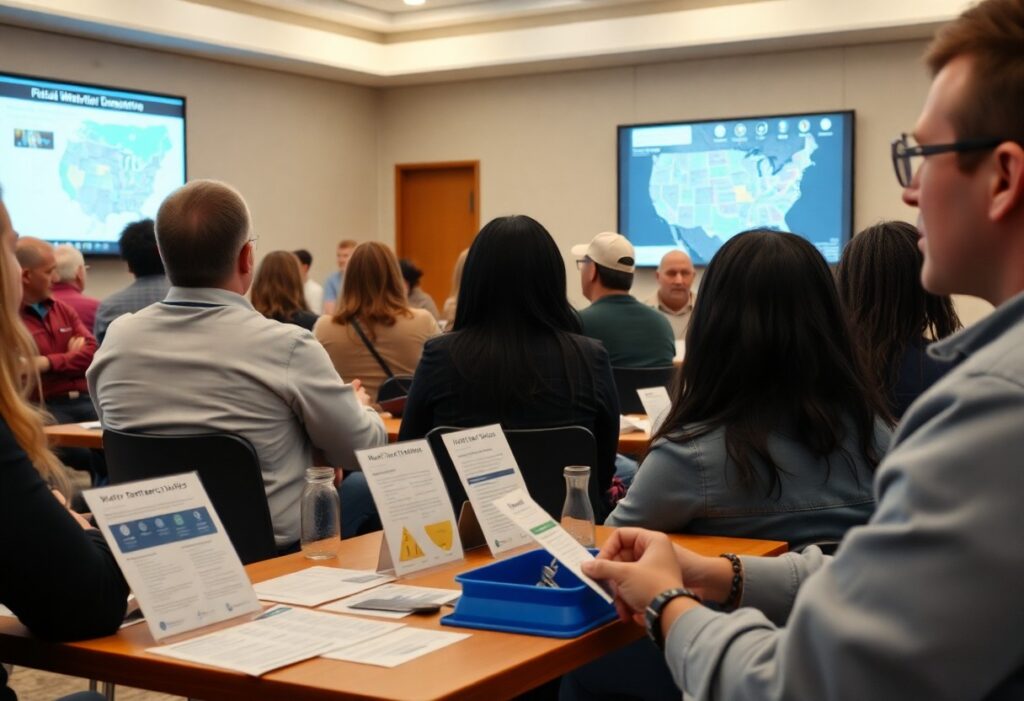
Unlike many traditional support systems, grassroots mobilization empowers communities to band together, share their experiences, and advocate for change in light of the devastating impacts of PFAS water contamination. This collective effort not only creates a sense of solidarity among victims but also ensures that their voices are heard at local, state, and even national levels. Community members often organize meetings, educational sessions, and workshops to discuss the effects of contamination, ways to navigate the legal landscape, and strategies to hold responsible parties accountable. Such actions foster unity and generate momentum for broader systemic change.
Raising Public Awareness
Raising public awareness is a vital component of grassroots mobilization. You have the power to spread the word about the dangers of PFAS contamination and its ongoing effects on your community. Through social media campaigns, local outreach initiatives, and collaborative events, you can help increase visibility around this pressing issue. By sharing personal stories and scientific research, you instill a sense of urgency and empathy in those who may not yet be aware of the implications of PFAS exposure. As awareness grows, more individuals may become motivated to take action, leading to an informed community ready to advocate for environmental justice.
Encouraging Community Involvement
Alongside raising awareness, encouraging community involvement is imperative for building a support network among victims of PFAS contamination. Many communities have established dedicated platforms that invite local residents to participate actively in addressing this crisis. These platforms may include advocacy groups, community forums, or volunteer opportunities that unite concerned individuals around a common goal. By getting together with others who share similar experiences and concerns, you foster a stronger collective response, paving the way for more effective advocacy and resource mobilization.
This collective involvement not only enhances the support system but also amplifies your specific needs and perspectives among larger platforms that can drive change. By participating in events such as town hall meetings, workshops, or lobbying efforts, you contribute to a powerful voice advocating for improved water standards and government accountability. Moreover, through collective action, you can help secure funding for research and health screenings, which can ultimately lead to safer environments and informed communities. The impact of a united front can lead to significant shifts in policy and greater attention from local officials, creating a ripple effect for personal and communal healing.
Success Stories and Case Studies
Once again, community resources have played a pivotal role in supporting victims of mass tort PFAS water contamination. Numerous case studies illustrate the impact of collaborative efforts on affected communities. Key examples include:
- Case Study 1: In Flint, Michigan, community organizations formed coalitions to provide safe drinking water and health screenings, leading to a 40% increase in residents receiving medical assistance.
- Case Study 2: In Hoosick Falls, New York, a grassroots movement successfully advocated for federal funding, resulting in $10 million allocated to filter installations that improved water safety for over 10,000 residents.
- Case Study 3: The Parkersburg, West Virginia, community saw a 60% reduction in PFAS levels in water after a legal settlement led to a $40 million community recovery fund to support cleanup and health initiatives.
- Case Study 4: A large-scale health monitoring project in the Cape Fear region of North Carolina identified over 1,500 affected individuals, leading to enhanced healthcare access and education on PFAS-related health risks.
These success stories showcase the potential of community engagement in achieving positive outcomes for victims of PFAS contamination and underscore the importance of sustained effort and collaboration.
Lessons Learned from Affected Communities
The experiences of affected communities reveal valuable lessons in addressing the challenges posed by PFAS contamination. Victims learn that community mobilization is important in advocating for accountability and securing necessary resources. Furthermore, forming coalitions with local organizations increases the visibility of the issue while fostering a supportive network for those impacted.
Additionally, engaging in ongoing education about PFAS risks and mitigation strategies has proven important. These communities emphasize the need for transparency and communication between government entities and residents. When communities stay informed, they are better equipped to address needs and pursue solutions collaboratively.
Effective Community Strategies
About addressing PFAS water contamination, communities have employed various strategies to support victims effectively. Central to these efforts is the establishment of public awareness campaigns that educate residents on PFAS risks and available resources. By creating accessible informational materials, they empower individuals to take action on behalf of their health and environment.
A key element of these effective community strategies is facilitating partnerships with local health organizations and environmental groups. This collaboration enhances resource effectiveness and provides a larger support platform to assist affected individuals. Communities have also initiated regular town hall meetings to ensure ongoing dialogue and foster connections, amplifying the impact of collective action. Through these strategies, you gain not only a voice but also the tools needed to navigate and overcome the complexities of PFAS contamination.
FAQ
Q: What types of community resources are available to support victims of PFAS water contamination?
A: Victims of PFAS water contamination can access a variety of community resources designed to assist them. These may include local health departments that offer testing for PFAS exposure, counseling services for mental health support, and legal aid organizations that can help victims understand their rights and pursue compensation. Additionally, non-profit organizations may provide educational resources about PFAS and its health impacts, while community forums allow affected individuals to share experiences and build support networks.
Q: How can local governments assist communities affected by PFAS contamination?
A: Local governments can play a significant role in assisting communities impacted by PFAS contamination through policy advocacy, public health initiatives, and funding for clean-up efforts. They can establish task forces to assess the scope of contamination, provide resources for water testing and filtration, and facilitate communication between residents and state or federal agencies. Furthermore, local governments might organize community meetings to keep residents informed about developments and available support services.
Q: What steps can victims take to connect with available community resources?
A: Victims of PFAS water contamination can take several steps to connect with community resources. They can start by reaching out to their local health department for information about testing and health services. Joining local advocacy groups or attending community meetings can also provide opportunities to learn about resources and connect with others facing similar challenges. Additionally, victims may benefit from researching online platforms or social media groups dedicated to PFAS issues, where they can find information about available support networks and legal assistance.