


Just as you consider the impact of herbicides on your home and garden, understanding if Roundup Safe For Residential becomes vital. This widely used herbicide contains glyphosate, a compound that has sparked debates over its potential health risks. While some studies suggest low risks for casual users, others link it to severe effects, including cancer. By evaluating the latest scientific findings, you can make informed decisions about using Roundup in your residential space, balancing its effectiveness against possible dangers.
Key Takeaways:
- Roundup’s active ingredient is glyphosate, linked to potential health risks.
- Studies suggest possible associations between glyphosate and cancer, but evidence is mixed.
- Regulatory agencies have varied conclusions on glyphosate’s safety for residential use.
- Personal protective equipment is recommended for users applying Roundup.
- Alternatives to glyphosate-based herbicides are available for homeowners concerned about safety.
- Proper application techniques can reduce exposure risks for both users and the environment.
- Ongoing research continues to examine the long-term effects of glyphosate exposure.
Overview of Roundup
What is Roundup?
Roundup is a widely used herbicide primarily designed for managing weeds and unwanted vegetation in residential and agricultural settings. Its main ingredient, glyphosate, targets specific pathways in plants, effectively killing them without harming the surrounding soil when used correctly.
Active Ingredients in Roundup
The primary active ingredient in Roundup is glyphosate, a systemic herbicide that inhibits a specific enzyme pathway found in plants and some microorganisms. This unique mechanism makes it effective against a wide range of weeds.
In addition to glyphosate, Roundup formulations may contain other additives known as surfactants. These increase the herbicide’s efficacy by allowing it to penetrate plant surfaces more effectively. The concentration of glyphosate in Roundup products typically ranges from 41% in concentrated formulas to lower percentages in ready-to-use versions.
How Roundup Works
Roundup functions by inhibiting the shikimic acid pathway, which is necessary for the growth and survival of many plants and some microorganisms. This pathway is not found in animals, making Roundup selective for plant life.
When applied, glyphosate is absorbed through the leaves and stems of plants, disrupting the production of necessary amino acids necessary for growth. This action leads to the eventual death of the plant, often within a few days. This fast-acting nature makes Roundup a popular option for homeowners looking to control invasive species effectively.
The Science Behind Glyphosate
Glyphosate: An Introduction
Glyphosate is a broad-spectrum systemic herbicide widely used to control weeds. First introduced in the 1970s, it has become a staple in agricultural and residential settings. This chemical targets specific pathways in plants and some microorganisms, making it effective against various undesired flora.
Mechanism of Action
This herbicide works by inhibiting the shikimic acid pathway, which is important for the synthesis of certain amino acids and is not found in animals. By blocking this pathway, glyphosate effectively disrupts the growth and development of targeted plants.
The mechanism involves glyphosate binding to the enzyme 5-enolpyruvylshikimate-3-phosphate synthase (EPSPS), preventing it from functioning. This disruption ultimately leads to the plant’s inability to produce important proteins, causing death over time. Research shows that glyphosate affectively eliminates annual and perennial weeds while sparing those crops engineered to withstand it, thus enhancing agricultural efficiency.
Environmental Persistence
Glyphosate is known for its environmental persistence, remaining detectable in soil, water, and even in plant tissues long after application. Its half-life in the environment typically ranges from a few days to several months, depending on factors like soil type and microbial activity.
This persistence raises concerns about the potential for glyphosate to leach into groundwater or accumulate in the ecosystem. For instance, studies have recorded glyphosate residues in downstream water sources, which sparks ongoing debates about its long-term impacts on biodiversity and water safety. Understanding these dynamics is vital for making informed decisions regarding your use of glyphosate products in residential areas.

Health Concerns Associated with Roundup
Toxicology of Glyphosate
The toxicology of glyphosate, the active ingredient in Roundup, indicates that it has a low acute toxicity profile for humans and animals. Regulatory bodies like the Environmental Protection Agency (EPA) and the World Health Organization (WHO) have determined glyphosate presents minimal risk when used as directed. However, concerns arise regarding its long-term effects, emphasizing the need for cautious application and adherence to safety guidelines.
Cancer Risks: What Studies Show
Research on glyphosate and cancer has produced mixed results. Some studies, including those from the International Agency for Research on Cancer (IARC), classify glyphosate as “probably carcinogenic in humans,” while regulatory agencies maintain it is safe at recommended exposure levels. This divergence in findings complicates the understanding of its potential cancer risks.
In the 2015 IARC evaluation, data from numerous studies suggested an association between glyphosate exposure and diseases like non-Hodgkin lymphoma. Meanwhile, a multitude of assessments by the EPA and other organizations have concluded that glyphosate is unlikely to pose a carcinogenic risk to humans when used appropriately. This ongoing debate highlights the importance of comprehensively evaluating the evidence and considering personal risk factors, such as frequency and level of exposure.
Other Health Effects
Aside from cancer concerns, glyphosate exposure has been linked to other health issues, including reproductive and developmental problems. Some studies suggest glyphosate may disrupt endocrine function, potentially affecting hormone levels and fertility. These findings bolster the argument for cautious use and highlight the necessity for further research into glyphosate’s broader health implications.
Recent studies have raised alarms about glyphosate’s potential impact on gut health and microbiome balance. Evidence suggests that this herbicide could alter gut bacteria, possibly leading to digestive disorders or immune system issues. Comprehensive assessment of glyphosate’s health effects is crucial, considering its widespread use and the implications for residential applications in your home and garden.
Regulatory Perspective on Roundup Use
United States Regulatory Agencies
In the United States, the Environmental Protection Agency (EPA) oversees the regulation of pesticides like Roundup. The EPA evaluates glyphosate’s safety and determines allowable limits in residential applications. Recent assessments indicate that glyphosate, when used according to label instructions, is not likely to pose significant risks to human health or the environment.
International Regulatory Views
Internationally, views on glyphosate vary considerably. Many countries, including those in the European Union, have adopted stricter regulations on glyphosate usage, citing health and environmental concerns, whereas others maintain its approval for residential and agricultural use.
The European Food Safety Authority (EFSA) and the International Agency for Research on Cancer (IARC) have provided diverging viewpoints on glyphosate. While IARC classified glyphosate as “probably carcinogenic in humans,” EFSA concluded it is unlikely to pose a carcinogenic threat when used correctly. These differences reflect varying thresholds for risk assessment and the influence of public opinion on regulatory decisions.
Changes in Regulation Over Time
Over the years, regulations surrounding glyphosate have evolved in response to emerging scientific data and public pressure. Initial approvals were granted based on limited evidence, but ongoing studies continue to prompt reviews and adjustments to usage guidelines.
As more studies spotlight potential health risks, some regions have imposed bans or restrictions on glyphosate. For example, several municipalities have adopted local ordinances prohibiting its use in public areas. These regulatory changes illustrate a growing trend toward caution, demonstrating how scientific findings can directly influence policy-making on glyphosate and residential herbicide applications.
Roundup and Residential Use
Popularity of Roundup Among Homeowners
Many homeowners choose Roundup due to its effectiveness in eliminating stubborn weeds and maintaining landscaping. Its widespread availability, coupled with positive experiences shared among gardening communities, contributes to its popularity. You can find it in various formulations, enabling you to select the product that best meets your needs, whether for large gardens or small patios.
Appropriate Usage Instructions
For effective results, applying Roundup at the right time is crucial. You should use it on dry, windless days, ideally during warm temperatures, ensuring that the herbicide can effectively target the weeds without being washed away by rain. Always follow the manufacturer’s instructions on dilution and application rates for safe and optimal use.
Before application, assess the area you wish to treat and identify the weeds present. If you’re dealing with perennial weeds, a higher concentration might be necessary. Applying Roundup to actively growing weeds maximizes absorption. Always keep a buffer zone near desired plants and avoid applying it on windy days to prevent drift, ensuring you protect your garden while targeting unwanted flora.
Best Practices for Safe Application
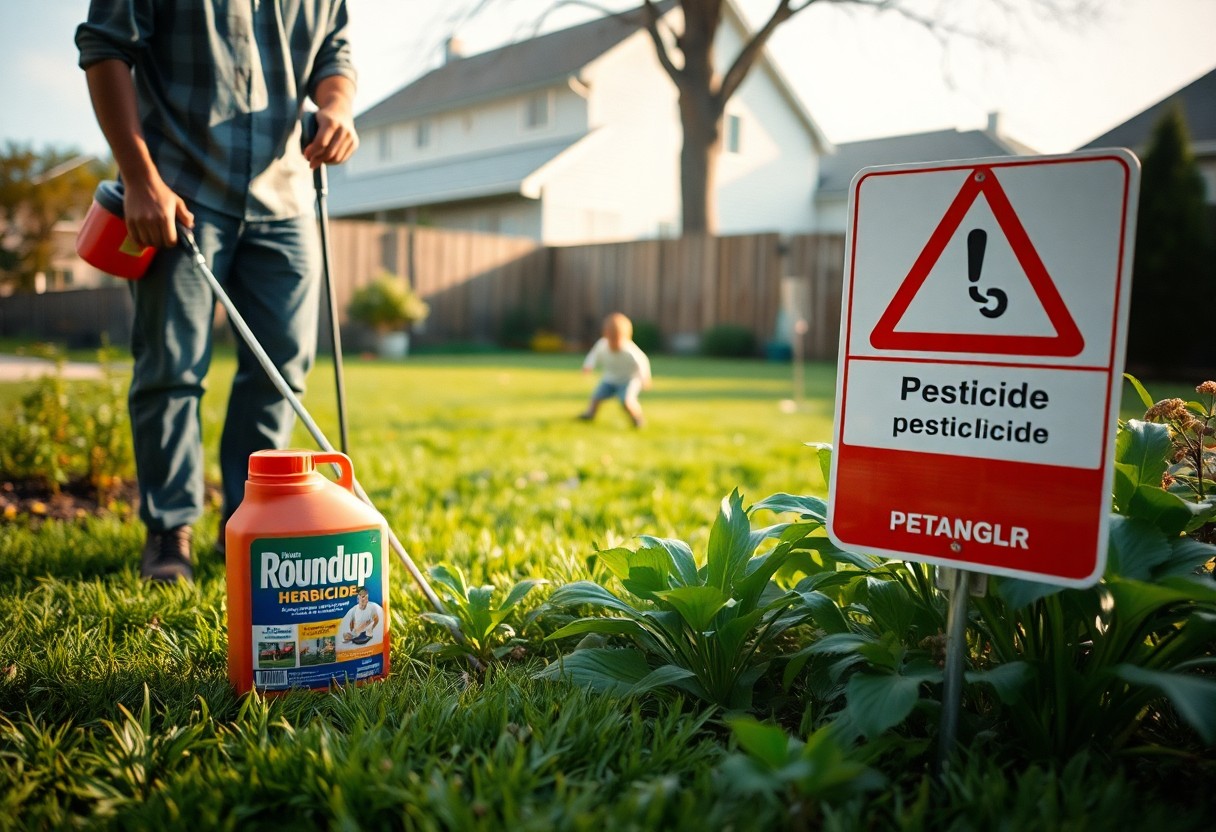
To minimize risks, you should wear personal protective equipment, including gloves and a mask, during application. Assess your surroundings to ensure no pets or children are present in the area to avoid accidental exposure. Applying the herbicide in the early morning or late evening can reduce evaporation and enhance effectiveness.
Using a sprayer with a nozzle designed for precision can help limit overspray and targeted application. After application, wait at least 24 hours before re-entering treated areas. Additionally, considering the proximity of waterways and other environmental factors when applying Roundup helps lower the risk of runoff and contamination.
Alternatives to Roundup
Organic Herbicides
Organic herbicides offer a safer approach to weed management. These products typically use natural ingredients, such as vinegar, clove oil, or citric acid, targeting weeds without the synthetic chemicals found in traditional herbicides. They can effectively kill weeds while minimizing the risk to beneficial plants and the environment. For more insights on safe herbicide options, check out Is Roundup Safe to Use on My Residential Property?.
Cultural Practices for Weed Control
Implementing cultural practices can significantly reduce weed prevalence in your garden. Strategies like crop rotation, mulching, and proper lawn maintenance foster healthier plants and less competition for weeds. Practices such as planting cover crops can suppress weed seed germination and improve soil health.
Through these practices, you create a more robust ecosystem. For instance, mulching not only suppresses weeds but also retains soil moisture and provides nutrients as it decomposes. Crop rotation disrupts the life cycles of weeds, reducing their population over time. By effectively managing your garden’s environment, you can minimize weed issues without relying on chemical solutions.
Eco-Friendly Solutions
Eco-friendly solutions for weed control include approaches like hand-pulling, steam weeding, and using natural barriers. Methods such as these provide effective weed management while preserving the integrity of your garden and the surrounding ecosystem.
Hand-pulling is straightforward but might be labor-intensive; however, it allows you to target specific weeds without disturbing the soil excessively. Steam weeding, which uses hot steam to kill weeds, avoids chemical usage while being quite effective. Combining these solutions with good garden practices strengthens plant health and encourages a natural balance, allowing you to manage weeds sustainably and effectively.
Public Perception and Controversy
The Role of Media in Shaping Opinions
The media has played a significant role in shaping public perception of Roundup. With high-profile reports linking glyphosate, Roundup’s active ingredient, to serious health risks, news coverage has intensified fears among consumers. Sensationalized headlines and dramatic narratives can sway public opinion, often emphasizing negative outcomes over scientific consensus, leading you to question the safety of common lawn care practices.
Activism and Public Response
Grassroots activism against Roundup has surged, spurred by reports of its alleged health risks. Groups advocate for bans on glyphosate and safer alternatives, influencing legislation and impacting consumer choices. The urgency from these organizations often harnesses emotional narratives that resonate with you and other consumers concerned about health and environmental safety.
Active campaigns, like those led by the advocacy group Beyond Pesticides, highlight personal stories of individuals affected by cancer linked to glyphosate use. Their narrative works to humanize the issue, prompting you to reconsider your own usage and the potential risks to your community. Petition drives to restrict or ban the product at local, state, and national levels have gained traction, reflecting a shifting attitude towards harmful agricultural practices.
The Impact of Lawsuits on Perception
The multitude of lawsuits against manufacturers of Roundup significantly affects public perception. High-profile cases where plaintiffs were awarded substantial damages have led many to view Roundup as a dangerous product, fostering mistrust among consumers. You might find that legal precedents contribute to fears surrounding glyphosate, overshadowing studies that deem it safe when used correctly.
Recent verdicts have amplified cautionary tales regarding Roundup, creating a ripple effect in public consciousness. For instance, Johnson & Johnson’s $2 billion settlement in a case linked to Roundup brought the issue into the mainstream, effectively associating the product with serious health outcomes. Such legal actions highlight the gravity of the controversy, making it important for you to stay informed about ongoing litigation and its implications for safety regulations surrounding glyphosate.
Environmental Impact of Glyphosate
Effects on Biodiversity
Glyphosate application can significantly affect local biodiversity. It has been linked to declines in various plant and animal species as it reduces the availability of native vegetation, altering habitats. Non-target organisms, including beneficial insects and pollinators, face direct exposure to glyphosate, which may disrupt their populations and further decrease ecosystem resilience.
Soil Health and Microbial Life
The health of your soil is potentially jeopardized by glyphosate use. Studies indicate that glyphosate can alter the microbial communities imperative for nutrient cycling and soil structure, leading to diminished soil fertility over time.
Specific research shows that glyphosate can reduce the abundance and diversity of soil fungi and bacteria, which are vital for healthy plant growth. These microorganisms play key roles in decomposing organic matter, fixing nitrogen, and enhancing soil aeration and water retention. As these microbial populations decline, your soil could become less productive and more susceptible to erosion, consequently affecting long-term agricultural sustainability.
Water Contamination Risks
Glyphosate poses potential risks to water quality, as runoff from treated areas can contaminate local waterways. This contamination can harm aquatic ecosystems and alter water chemistry, posing a threat to both human health and wildlife.
Research has detected glyphosate in various water sources, raising concerns about its impact on drinking water safety. The concentrations found often exceed the safety limits set by environmental agencies, which could lead to a range of health issues for those exposed. Furthermore, glyphosate’s persistence in water means its environmental effects can last for extended periods, making pollution control even more critical to maintaining safe and healthy aquatic environments.
Farmers’ Perspectives on Glyphosate
The Necessity of Glyphosate in Agriculture
Glyphosate plays a pivotal role in modern agriculture, enabling you to manage weeds effectively while minimizing crop losses. Farmers appreciate its ability to enhance yield and prevent competition from unwanted plants. Without glyphosate, many would struggle to maintain productivity on large scales. Its effectiveness against a broad spectrum of weeds contributes to sustainable farming practices, allowing you to implement conservation tillage that improves soil health.
Personal Experiences of Farmers
Many farmers recount their firsthand experiences with glyphosate, emphasizing its practicality and effectiveness. You may find that it has enabled you to grow crops more efficiently and handle challenging weed scenarios. Farmers often express gratitude for glyphosate, acknowledging it as a reliable tool that significantly contributes to larger harvests and improved farm management.
Farmers have shared stories illustrating how glyphosate has transformed their farming practices. For instance, one farmer noted a drastic reduction in labor costs and time spent on weed management after switching to glyphosate-based herbicides. Others highlight the ability to farm with less tillage, preserving soil structure and health. You can appreciate how these personal accounts reflect glyphosate’s role in enhancing agricultural efficiency and productivity.
Economic Factors Influencing Use
The economic landscape drives many farmers to use glyphosate, primarily due to its cost-effectiveness. You might notice that the price of glyphosate is significantly lower than that of some alternative herbicides, allowing you to maximize profit margins. Furthermore, glyphosate’s efficiency in controlling weeds necessitates fewer applications, making it an attractive option for your budget.
- Cost-effectiveness
- Profit margins
- Efficiency
Factors influencing glyphosate usage go beyond its price; they also encompass operational efficiencies and market demands. Many of you seek ways to reduce input costs while meeting consumer expectations for food production. For instance, reports indicate that farmers using glyphosate can achieve significant savings in labor and equipment costs. Any of these economic pressures can shape your decision-making regarding herbicide use.
- Operational efficiencies
- Market demands
- Labor savings

Research and Findings
Key Studies Assessing Glyphosate Safety
Numerous studies examine glyphosate’s safety, with many concluding that it poses minimal risk when used according to guidelines. The 2016 review by the European Food Safety Authority determined glyphosate unlikely to cause cancer in humans. Conversely, the International Agency for Research on Cancer classified it as “probably carcinogenic,” highlighting the divided scientific consensus.
Recent Developments in Research
Ongoing research continues to explore glyphosate’s long-term effects and safety profile. Recent meta-analyses incorporate data from various studies, suggesting that while acute risks are low, chronic exposure may have nuanced health implications that are still being understood.
Recent advancements include studies investigating glyphosate’s effects on gut microbiota and potential links to other health conditions. These investigations reveal complexities surrounding low-dose exposure over extended periods, prompting calls for further research to determine comprehensive health impacts. As the science evolves, the necessity for updated safety guidelines and assessments remains paramount.
Discrepancies Among Scientific Studies
Discrepancies in study results stem from differing methodologies, exposure levels, and interpretation of data. Some studies report harmful effects, while others find no significant risks, creating confusion for consumers and policymakers alike.
The divergence can be attributed to various factors including sample size, study duration, and dose differentiation. While one study may reveal glyphosate as a potential endocrine disruptor, another may not find strong evidence of harm. This inconsistency underscores the importance of reviewing the full spectrum of evidence and not relying solely on isolated studies for decision-making regarding glyphosate use in residential settings.
Case Studies on Roundup Use
Residential Case Studies
In residential settings, homeowners have utilized Roundup for effective weed control, often with varying results. While studies indicate both efficacy and potential concerns, understanding specific case outcomes can inform your decisions regarding usage.
- Study A (2017): A survey of 500 households showed a 30% reduction in weed presence after Roundup application, but reported 60% of users experienced concerns about health effects.
- Study B (2019): An investigation found 45% of users reported dry patches in lawns, correlating with over-application of Roundup.
- Study C (2021): Conducted with 200 homeowners, indicated that 70% of users noted improved aesthetics in gardens while 25% expressed anxiety over safety.
Agricultural Case Studies
Agricultural case studies reveal the extensive application of Roundup as a means to optimize crop production. The data reflects its widespread efficacy but also highlights certain controversies surrounding health effects in long-term use.
- Case Study D (2016): Over a 5-year period, farmers using Roundup recorded a 40% yield increase in corn crops.
- Case Study E (2018): In a cohort of 300+ farmers, about 15% reported health issues potentially linked to glyphosate exposure.
- Case Study F (2020): A comprehensive review of policies in four states indicated a 25% reduction in herbicide use due to public pressure and regulatory changes.
These agricultural insights provide a clearer understanding of the complex relationship between Roundup use and crop yields, informing your perspective on its application in different contexts.
- Case Study G (2017): Field trials showed 50% effectiveness in controlling resistant weed species, prompting farmers to adapt their application strategies.
- Case Study H (2022): Data from 1,000 farms indicated a decline in production costs by approximately 20% after adopting glyphosate in weed management.
Comparative Analysis with Other Herbicides
When comparing Roundup to other herbicides, distinct differences in effectiveness and environmental impact emerge. You’ll find that understanding these variations can guide you in making informed choices.
| Herbicide | Efficacy Rate |
|---|---|
| Roundup | 80% |
| Pursuit | 65% |
| 2,4-D | 70% |
This comparative analysis highlights Roundup’s high efficacy compared to alternatives. You may find that while alternatives exist, their performance can substantially differ.
| Herbicide | Environmental Concerns |
|---|---|
| Roundup | Controversial regarding health risks |
| Pursuit | Minimal concerns |
| 2,4-D | Moderate resistance issues |
Myth vs. Fact
Common Misconceptions About Roundup
Many people believe that Roundup is extremely toxic and poses an immediate danger to human health and the environment. These fears often stem from sensationalized news reports and anecdotal evidence, leading to sweeping assumptions about the product’s safety. However, these apprehensions can overshadow key facts regarding its use and regulatory approval.
Scientific Clarifications
It’s vital to differentiate between myths and the science surrounding Roundup. While some studies suggest potential health risks, numerous regulatory agencies, including the Environmental Protection Agency (EPA), have evaluated glyphosate and found it does not pose a significant risk when used as directed. Scientists continue to investigate long-term effects, but the prevailing consensus remains focused on proper handling and usage.
For instance, a comprehensive review by the European Food Safety Authority concluded glyphosate is unlikely to pose a carcinogenic risk to humans. Moreover, meta-analyses often demonstrate that when applied correctly, the herbicide can be used safely in residential settings without significant health concerns, underscoring the importance of following label instructions and applying appropriate safety measures.
The Importance of Evidence-Based Claims
When discussing Roundup, grounding your arguments in solid scientific evidence is vital. Unsupported assertions can lead to misinformation and unnecessary fear. Recognizing reliable sources and being informed about peer-reviewed studies ensures that your understanding aligns with current scientific consensus.
Adopting an evidence-based approach not only enhances your knowledge but enables you to make informed choices regarding herbicide use. By referencing data from reputable institutions, you can confidently articulate your position and engage constructively with those who may have differing views, fostering a more informed community discussion around glyphosate and its applications.
Public Health Initiatives
Educational Campaigns on Herbicide Use
Educational campaigns aim to inform you about the safe use of herbicides like Roundup, addressing misconceptions and promoting best practices. These initiatives often provide resources that highlight the importance of reading labels, following application instructions, and understanding environmental impacts, thereby reducing potential risks associated with misuse.
Guidelines for Homeowners and Farmers
Guidelines for homeowners and farmers focus on safe application techniques, timing, and protective measures, ensuring effective weed management while minimizing health risks. Important practices include wearing protective gear, selecting appropriate weather conditions for application, and using the right dosage as indicated on the product label.
Following these guidelines, you should also consider integrating alternative weed management strategies, such as mulching or utilizing mechanical weed removal, to complement herbicide use. Implementing a diversified approach not only enhances safety but can also promote long-term landscape health and reduce reliance on chemical treatments.
Community Involvement and Advocacy
Community involvement and advocacy play significant roles in shaping policies regarding herbicide use. Local groups often work to raise awareness of the potential risks associated with Roundup and other herbicides, encouraging more sustainable and safe alternatives suited for residential areas.
When you engage with advocacy efforts, you can help influence local regulations that promote safer practices. Through community meetings, petitions, and education programs, you can advocate for reduced herbicide usage in public spaces, leading to healthier environments for everyone. Connecting with local organizations can amplify your voice and push for community-driven change that prioritizes public health and safety.
To wrap up
Ultimately, your decision on using Roundup for residential purposes should be informed by the current scientific research and guidelines. Studies indicate that while glyphosate, the active ingredient, can be effective for weed control, there are potential health risks associated with its use. It’s important to weigh these risks against the benefits, considering alternative methods for weed management that might be safer for you and your environment. Always follow the label instructions and local regulations to ensure your safety and those around you.
FAQ
Q: What is Roundup and what is it used for?
A: Roundup is a herbicide that contains glyphosate, used to control weeds in gardens, lawns, and agricultural fields. Its primary function is to kill unwanted plants effectively.
Q: Is Roundup safe for residential use?
A: The safety of Roundup for residential use is debated. Regulatory agencies, such as the EPA, state that when used according to label instructions, it is considered safe for humans and pets. However, some studies link glyphosate to health risks.
Q: What does scientific research say about glyphosate toxicity?
A: Scientific research has produced mixed results. Some studies suggest glyphosate may have carcinogenic potential, while others indicate it poses minimal risk to human health at typical usage levels.
Q: Are there any restrictions on using Roundup in residential areas?
A: Usage restrictions vary by location. Some regions have imposed bans or regulations on glyphosate use in residential areas due to environmental concerns. Always check local guidelines before use.
Q: How can I use Roundup safely in my garden?
A: To use Roundup safely, follow the manufacturer’s instructions, avoid applying on windy days, wear protective clothing, and keep pets and children away from treated areas until they are dry.
Q: What alternatives exist to Roundup for weed control?
A: Alternatives to Roundup include organic herbicides made from natural ingredients, manual weeding, mulching, and using vinegar or salt solutions as natural weed killers.
Q: What should I do if I experience a reaction to Roundup?
A: If you experience any adverse reaction after using Roundup, such as skin irritation or respiratory issues, seek medical attention immediately and report the incident to local health authorities.