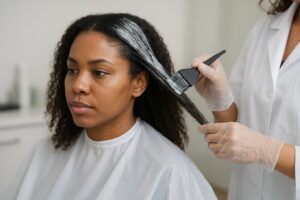
There’s a growing concern that the beauty industry’s fixation on straight hair is not just a trend but may lead to legal repercussions. As you navigate your beauty choices, it’s important to understand how this obsession can affect your self-image and influence societal norms. Lawsuits regarding discrimination and cultural appropriation are on the rise, challenging the industry to rethink its standards and practices. By examining this complex issue, you can become more informed about the implications of beauty standards on both personal and legal fronts.
Key Takeaways:
- The beauty industry has a longstanding bias towards straight hair, influencing standards of beauty.
- Legal challenges are emerging as individuals and groups challenge discriminatory practices related to hair texture.
- Recent court cases highlight the intersection of race, identity, and workplace standards regarding hair.
- Legislation is evolving to protect individuals from discrimination based on natural hair textures.
- The conversation about hair in the beauty industry is prompting broader discussions about inclusivity and representation.
Historical Context
Evolution of Hair Standards
The standards of beauty have adapted over the centuries, often influenced by societal norms and media representation. In the 19th century, for instance, waves and curls were celebrated, while the early 20th century brought about a preference for the sleek bob. Each shift reflects not just fashion, but also deeper societal beliefs about femininity and power.
Cultural Significance of Hair
Hair extends beyond aesthetics; it serves as a cultural marker and an expression of identity. For many communities, hairstyles signify heritage, social status, and even political affiliations. Recognizing this significance is important as you explore the implications of beauty standards.
Throughout history, hair has symbolized various aspects of identity. In African cultures, traditional hairstyles often convey social status, age, and familial ties, which hold inherent value in communal life. Similarly, specific hairstyles have been embraced during movements for civil rights and self-expression, forging a powerful connection between hair and cultural pride. You can see how these layers of meaning underscore why straight hair is more than a preference; it intersects with personal and collective experiences.
Emergence of Straight Hair as the Standard
In the mid-20th century, straight hair emerged as an industry norm largely due to Hollywood influence. Major film stars featured sleek, straight locks, setting a beauty standard that dominated advertisements and fashion magazines. This created an aspirational image that many felt pressured to emulate.
The shift towards straight hair as the ideal was not merely coincidental. As you explore into this topic, you’ll see how media representation played a significant role in solidifying this beauty standard. The emergence of chemically straightened hairstyles like the “Brazilian Blowout” pushed the notion that straight hair equals success and elegance, creating a ripple effect in consumer behavior. The beauty market responded with a surge in straightening products, reinforcing this standard and marginalizing diverse hair textures, which disproportionately affects individuals with naturally curly or textured hair.
The Influence of Media and Pop Culture
Representation in Film and Television
Your perception of beauty is heavily shaped by film and television. Historically, characters on screen have predominantly featured straight-haired actors, reinforcing the notion that straight hair is the standard for beauty. This lack of representation can impact your self-image and the beauty ideals that permeate society, leaving many feeling excluded or undervalued based on their natural hair texture.
Impact of Celebrity Endorsements
Celebrity endorsements are powerful tools in shaping beauty trends and consumer behavior. When icons promote straight hair as a beauty ideal, they send a message that influences your preferences and purchasing decisions. The connection between celebrity culture and hair standards is evident in how brands market products, often elevating straight hair while sidelining textured styles.
For example, numerous top-tier celebrities have launched hair care lines that emphasize straight hair. These endorsements not only create a desire for products that smooth and flatten curls but also embrace a *one-dimensional* view of beauty that overlooks the richness of diverse hair types. Your choice in products is influenced by these stars, leading to a broader cultural implication that can marginalize those with naturally curly or textured hair.
Social Media and Beauty Trends
Social media is an undeniable force in shaping beauty trends today, with platforms like Instagram and TikTok dictating what is considered desirable. The prevalence of straight-haired influencers can create a culture where you feel pressure to conform to ideals that may not reflect your own hair type. This relentless pursuit of perfection can make you question the beauty of your natural hair.
With the introduction of viral challenges and aesthetics showcasing straight hair, users are often driven to replicate these looks, further entrenching the notion that straight hair is *the* aspirational standard. Algorithms amplify this trend, making it difficult for diverse representations of beauty to gain equal footing, thus continuously shaping your understanding of beauty norms based on limited visuals.

Consumer Preferences in the Beauty Industry
Market Research on Hair Products
Recent market research indicates a significant trend toward diverse hair care products, with consumers increasingly seeking items that cater to natural textures rather than straight hair alone. Data from industry reports shows that over 30% of consumers now prefer products that specifically target curl management and frizz control, reflecting a growing appreciation for textured hair.
Shifts in Consumer Demographics
Shifting demographics within the beauty consumer base reveal a more diverse audience prioritizing inclusivity. Younger generations, particularly Gen Z and Millennials, are less inclined to conform to traditional beauty standards, embracing a variety of hair types and styles that celebrate cultural identities.
This shift is particularly pronounced among consumers from different ethnic backgrounds, who increasingly demand products tailored to their unique hair textures. For instance, the natural hair movement has gained momentum, with over 60% of Black women actively choosing to wear their hair in its natural state. This evolution signifies an important cultural shift, wherein authenticity and self-expression take precedence, pushing brands to adapt their offerings accordingly.

The Role of Influencers in Hair Choices
Influencers play a pivotal role in shaping consumer hair choices by promoting diverse hairstyles and products through social media channels. Platforms like Instagram and TikTok have seen influencers showcasing their journeys with textured hair and advocating for brands that support inclusivity.
In fact, influencers can significantly impact product sales; studies show that 70% of younger consumers trust recommendations from social media personalities over traditional advertising. As influencers embrace a broader definition of beauty, they challenge the hegemony of straight hair, encouraging a more inclusive narrative and empowering followers to explore their authenticity in hair expression.
The Business of Straight Hair Products
Overview of Major Brands
Several major brands dominate the straight hair product market, including Garnier, L’Oréal, and Kerastase. These companies have created comprehensive lines encompassing shampoos, conditioners, and styling tools designed specifically for achieving and maintaining straight hair. The branding often emphasizes sleekness and shine, aligning with societal beauty standards that prioritize straight hair textures.
Marketing Strategies and Campaigns
To promote straight hair products, brands deploy targeted marketing strategies that appeal to contemporary beauty ideals. These campaigns often celebrate models with straight hair, reinforcing a narrow definition of beauty. Influencer partnerships and social media advertisements tailored to your preferences increasingly dominate their reach.
Brand collaborations with high-profile influencers amplify the visibility of straight hair products, making them desirable within your social circles. Campaigns often leverage aspirational imagery and testimonials, enticing you to aspire to the “ideal” straight-haired look. Additionally, limited-time offers and bundle deals are used to drive urgency and enhance sales, effectively tapping into your desire to stay trendy and relevant.
Profit Margins and Economic Implications
The profit margins for straight hair products are notably high, making them economically significant for brands in the beauty industry. Reports suggest that these products can yield margins exceeding 60%, showcasing their lucrativeness and demand.
As straight hair products continue to dominate sales, brands can invest more in development and marketing that perpetuates this trend, potentially sidelining innovations that cater to diverse hair types. This focus on straight hair may limit economic opportunities for niche brands addressing various textures, thereby constraining competition and diversity within the beauty industry.
Health and Hair Care
Chemical Treatments and Their Risks
Chemical treatments, often used to achieve straight hair, involve harsh substances like formaldehyde and sodium hydroxide that can damage your hair and scalp. These treatments can lead to burns, allergic reactions, and long-term hair loss if not administered properly. You must be aware of your options, as some salons prioritize results over your safety.
Long-term Consequences of Hair Straightening
Frequent hair straightening can lead to significant long-term issues. The gradual weakening of hair’s structure often results in breakage, split ends, and an overall lack of health. You may notice changes in your hair’s texture over time, leading to a less vibrant appearance.
Regularly applying heat and chemicals to straighten your hair damages the keratin structure, making your strands more susceptible to brittleness and fracturing. Over time, you might find that your hair is not only weaker but also less able to retain moisture, resulting in a dry and unmanageable mane. This cumulative damage can transform your healthy hair into a lifeless mass in need of extensive repair.
Natural Hair Care Products vs. Chemical Solutions
Choosing natural hair care products often means opting for ingredients that nourish rather than strip your hair of its vital oils. Unlike chemical solutions, natural alternatives typically use plant-based extracts and oils that promote moisture retention and overall scalp health. These options can reinforce your hair’s natural texture, enabling you to embrace and enhance your unique style.
Natural products like argan oil and shea butter not only hydrate but also fortify your hair. These ingredients help to restore shine and vitality while minimizing the risk of adverse reactions associated with chemical straighteners. By choosing to invest in natural hair care, you align your hair health with a growing movement advocating for personal authenticity and wellbeing, ultimately fostering a more positive relationship with your natural texture.
Legal Framework Surrounding Hair Discrimination
Anti-Discrimination Laws and Hair
While discrimination based on physical appearance often flies under the radar, various anti-discrimination laws are in place that address hair-related biases, particularly in workplace settings. Legal frameworks in many jurisdictions recognize behaviors that target individuals because of their natural hairstyles, leading to the potential for legal recourse for victims of discrimination. These laws are gradually evolving to include specific protections against hairstyle discrimination, acknowledging the cultural and personal significance of certain hair types.
Case Studies in Legal Battles
Legal battles surrounding hair discrimination illustrate the complexities of the issue, with numerous cases highlighting the intersection of race and personal expression. Several landmark lawsuits have emerged, showcasing how workplaces have failed to accommodate natural hairstyles. As these cases develop, they shed light on an evolving legal landscape that is increasingly receptive to addressing hair discrimination.
- Case 1: In 2019, a federal judge ruled in favor of a high school student suspended for wearing braids, highlighting a workaround against dress codes discriminating based on cultural hairstyles.
- Case 2: A lawsuit in California resulted in a settlement for a company that discriminated against an employee for their afro, illustrating workplace accountability.
- Case 3: New Jersey’s CROWN Act, passed in 2019, prohibits discrimination based on hairstyles such as locks, braids, and twists in employment and public education.
- Case 4: In Texas, a judge ruled that a workplace must prove business necessity for policies that disproportionately impact certain hair types, setting a legal precedent.
The Role of Activism in Changing Legislation
Activism has become an important driver in enacting changes to legislation regarding hair discrimination, with grassroots movements raising awareness about the importance of hair equity. Activists work tirelessly to lobby for policy changes, drawing attention to the systemic biases embedded in societal norms surrounding hair. These efforts help not only to pass laws but also to reshape cultural attitudes regarding diverse hairstyles.
In recent years, activism has proven effective, leading to the passage of notable acts like the CROWN Act, which aims to combat discrimination based on hair texture and style. You’ll find that many activist organizations educate the public about these issues through campaigns and advocacy efforts, highlighting personal stories that resonate with wider audiences. Their work emphasizes the pressing need for legal recognition of hair discrimination as a form of bias that disproportionately affects individuals of color, shaping a more equitable future.
Cultural Appropriation and the Beauty Industry
Definitions and Examples
Cultural appropriation refers to the adoption of elements from one culture by members of another culture, often without understanding or respecting the original significance. In the beauty industry, examples include non-Black individuals wearing hairstyles like braids, afros, or cornrows, which are deeply rooted in Black culture. When trends like “boxer braids” gain popularity, while the cultural significance is overlooked, it highlights a complex dynamic of power and privilege.
The Impact of Appropriation on Communities
The appropriation of cultural hairstyles leads to a disconnection from the historical and social contexts of those styles, which can diminish their significance to the communities they originate from. This phenomenon perpetuates stereotypes and reinforces societal inequalities, making it crucial to recognize the harm that appropriation inflicts.
For many marginalized communities, seeing their cultural identities commodified by the mainstream beauty industry can feel alienating. When styles are adopted without acknowledgment, it undermines the struggles and narratives entwined with those looks. The disconnect can foster resentment among communities who feel their heritage is being exploited for profit, emphasizing the need for awareness and sensitivity within the beauty conversation.
Reactions and Responses from Affected Groups
Affected communities often respond with a mix of outrage, advocacy, and calls for education regarding cultural significance. Social media campaigns have emerged to protest appropriation, emphasizing the importance of context and respect in adopting cultural expressions.
Organizations and activists work tirelessly to bring awareness to these issues, encouraging individuals to engage with cultures authentically rather than superficially. Many creators focus on educating others about the origins and significance of hairstyles in their communities, fostering a deeper appreciation that goes beyond mere trendiness. This grassroots activism aims to shift the conversation from exploitation to mutual respect and understanding, promoting inclusivity in the beauty industry.
The Psychological Impact of Hair Standards
Self-Esteem and Body Image
The obsession with straight hair can significantly affect your self-esteem and body image. Many individuals internalize societal beauty standards, leading to negative perceptions of their natural hair. This often results in feelings of inadequacy and the belief that straight hair is synonymous with beauty and success. As a result, you may find yourself striving for an unattainable ideal, which can erode your confidence.
The Pressure to Conform
The pressure to conform to straight hair standards is pervasive, often manifesting in various aspects of your life, from personal identity to professional settings. On a daily basis, you may face the subtle yet powerful influence of media, social circles, and workplace expectations, which reinforce the notion that straight hair equates to professionalism and attractiveness. This societal pressure can compel you to alter your appearance to gain acceptance and validation.
For example, a study reported that nearly 80% of women in diverse workplaces felt the need to straighten their natural curls to fit in. Consequently, many may spend hours styling their hair in ways that do not reflect their true selves. This consistent effort to conform drains your energy and can steer you away from embracing your natural identity.
Mental Health Considerations
The impact of hair-related standards extends beyond physical appearance and significantly affects your mental health. Struggling to meet societal expectations can lead to increased anxiety and feelings of exclusion. You may find that the constant battle to achieve a specific look is mentally exhausting, leaving you feeling defeated and isolated.
Research indicates that individuals who face discrimination or pressure related to their natural hair are at a higher risk for anxiety, depression, and low self-worth. This psychological toll can be particularly pronounced in communities where diverse hair textures are still marginalized in favor of mainstream ideals. By prioritizing unrealistic beauty standards, the beauty industry inadvertently exacerbates these issues, leading to a cycle of distress that impacts your overall well-being.
Industry Resistance and Reforms
Movements Supporting Natural Hair
Grassroots movements advocating for natural hair acceptance have gained traction, urging you to appreciate diverse textures. Organizations like the Natural Hair Industry Coalition promote awareness and empower individuals to embrace their unique styles, challenging traditional beauty standards entrenched in society. You might also encounter social media campaigns showcasing personal stories that highlight the importance of representation.
Role of Ethical Brands in Changing Paradigms
Ethical brands are pivotal in reshaping the beauty landscape by championing inclusivity. Companies like Fenty Beauty and SheaMoisture have expanded product lines to accommodate various hair types and textures, inspiring others to follow suit. By prioritizing diversity, you see an industry shift towards recognizing the beauty in all hair forms.
These brands not only challenge the status quo but also set a standard for others to emulate. Their commitment to inclusivity resonates with your values, as they actively engage with communities that reflect a wide range of hair types, offering products designed specifically for diverse needs. This shift encourages you to support brands that empower you to embrace your natural beauty while advocating for broader representation within the beauty industry.
Success Stories of Inclusive Policies
Several brands have implemented inclusive policies that serve as models of progress. By introducing initiatives such as employee training on diverse hair needs and inclusive marketing campaigns, these companies demonstrate a commitment to recognizing and celebrating all hair types. You can find inspiration in their efforts as they work toward reforming industry norms.
Unilever and L’Oréal have launched policies that specifically address the representation of textured hair in advertisements and on shelves. These success stories highlight a growing movement within the industry, indicating that embracing diversity is not just a trend but a sustainable shift. As brands recognize the value of inclusivity, you become part of a larger dialogue that fosters acceptance in the beauty space.
Future Trends in Hair Beauty Standards
Predictions for Hair Types in Marketing
As brands increasingly acknowledge diverse aesthetics, you can expect future marketing to emphasize a spectrum of hair types. Innovative campaigns will likely spotlight textured, curly, and coily hair alongside straight styles. This inclusivity reflects a broader shift towards authentic representation.
| Trending Hair Types | Potential Market Impact |
| Curly | Expanded product lines |
| Textured | Increased brand loyalty |
| Coily | New demographic targeting |
| Wavy | Enhanced online engagement |
| Straight | Reinvention of existing products |
The focus on varied hair types demonstrates a shift in consumer preferences, positioning brands for greater success.
The Rise of Inclusivity in the Beauty Industry
You are witnessing a transformative movement within the beauty industry, where inclusivity is taking center stage. This trend is reshaping how brands engage with consumers, valuing each individual’s unique hair texture and type. Companies are now developing products tailored specifically for a wide array of hair textures, reflecting a genuine understanding of and respect for diversity.
This commitment to inclusivity is evident in various brand campaigns, which feature models representing different ethnicities and hair textures. You might notice an increase in advertisements showcasing a range of styles, from exquisitely curly to beautifully straight. This shift not only enhances brand perception but also fosters a sense of belonging within the community. By creating products that cater to different hair types, the beauty industry is adapting to meet consumers’ demands, making it a more welcoming space for all.
Innovations in Hair Care Products
The beauty industry is advancing rapidly with innovative hair care products designed to meet diverse hair needs. You’ll find a rise in formulations featuring natural ingredients and technological enhancements, focusing on hair health while embracing sustainability. These innovations aim to address specific concerns, from moisture retention to damage repair.
As you explore the market, you may come across breakthrough products like heat protectants infused with organic oils or styling creams designed for multiple hair textures. This emphasis on innovation enables you to achieve diverse hairstyles without compromising the integrity of your hair. Furthermore, brands are increasingly incorporating eco-friendly practices within their product lines, reflecting a growing consumer demand for sustainable beauty. In this evolving landscape, you can anticipate a future that not only celebrates diverse hair but also promotes healthy hair care practices.
Global Perspectives on Hair
Variations Across Different Cultures
Hair holds varied significance across cultures, influencing beauty standards and personal identity. In some societies, such as the Himba tribe in Namibia, natural hair textures are celebrated with intricate braiding, while Western cultures might prioritize smooth, straight hair as a symbol of professionalism and beauty. This cultural diversity demonstrates that beauty ideals are not universal but deeply rooted in historical and social contexts.
International Brands and Their Strategies
International beauty brands are adapting their marketing strategies to align with a more inclusive representation of hair types. Companies like Unilever and L’Oréal have shifted their focus to cater to ethnic diversity, recognizing a growing consumer base that values authentic representation. These brands are now creating products specifically designed for various hair textures, aiming to meet the needs of consumers with curls, coils, and waves.
For instance, L’Oréal launched the “Frizz Ease” line targeting curly-haired individuals, whereas Unilever developed the “Love, Beauty and Planet” range to promote sustainable practices while embracing diverse hair types. Your purchasing power matters; when you choose brands that reflect and respect your hair, you send a strong message that inclusivity is not just a trend but a necessity.
Global Activism for Hair Rights
Activism for hair rights has surged worldwide, with movements advocating for the acceptance of natural hair against discriminatory practices. From the #BlackAndBeautiful campaign to policy changes in workplace regulations governing hairstyle acceptability, you are witnessing a moment where societal norms are being challenged and reshaped.
This activism is vital, as it pushes for policies that protect individuals from discrimination based on their hair texture, particularly in schools and workplaces. Organizations like the “Crown Coalition” have successfully lobbied for laws protecting natural hairstyles, emphasizing that your hair is an extension of your identity. Engaging in this movement not only supports your community but helps dismantle the longstanding stereotypes associated with hair.
The Economic Impact of Hair Discrimination
The Cost of Hair Care and Treatments
The expenses associated with maintaining straight hair can significantly strain your budget. For instance, the average Black woman spends over $500 annually on hair care products tailored to manage, straighten, or chemically treat their hair. These expenses accumulate quickly, influencing your economic stability as you navigate societal pressures to conform to straight hair standards.
Employment Discrimination Based on Hair
Discrimination in the workplace based on hair can hinder your career prospects and income potential. Reports indicate that over 80% of Black professionals have faced negative biases tied to their natural hairstyles, resulting in missed job opportunities, lower wages, or hostile work environments. This bias creates a substantial barrier to career advancement, impacting your earnings.
Employers often impose unfair grooming standards that favor straight hair, forcing you to alter your appearance to fit a narrow definition of professionalism. Companies with a lack of inclusive policies may unintentionally perpetuate discrimination, leading to higher turnover rates and diminished employee morale. Studies show that this bias can affect your hiring chances by as much as 50% for those with natural hairstyles, creating an economic disadvantage that can last for years and undermine your career trajectory.
Financial Burdens on Marginalized Communities
The financial implications of hair discrimination disproportionately affect marginalized communities. Research indicates that Black individuals may spend up to six times more on hair care products, highlighting systemic economic inequalities that hinder your ability to invest in education or savings.
These financial burdens extend beyond mere hair care; they ripple through every aspect of life. When you allocate funds to maintain a style that is unfairly deemed “acceptable,” it diverts imperative resources away from education, health care, or home ownership. As a result, the long-term economic disparity compounded by hair discrimination contributes to a cycle of poverty within your community, exacerbating existing inequalities and limiting your potential for upward mobility.
Advocacy and Community Response
Role of Nonprofits and Organizations
Nonprofits and organizations play a pivotal role in advocating for hair discrimination rights, providing educational resources and legal support. Groups like the CROWN Coalition work tirelessly to promote laws prohibiting discrimination based on hair texture and style, influencing policy changes across the United States. Their efforts have led to several states, including California and New York, enacting reforms that foster inclusivity in schools and workplaces.
Grassroots Movements Against Hair Discrimination
Grassroots movements such as “#BlackHairIsBeautiful” and “#MoreThanMyHair” have emerged as powerful voices against hair discrimination. These movements unite individuals and communities to share personal stories and amplify awareness about the impact of biased beauty standards. By leveraging social media platforms, they create a digital space where the narrative around natural hair can be reclaimed and celebrated.
Through organized events, protests, and online campaigns, grassroots movements foster a sense of solidarity among individuals facing hair discrimination. They often collaborate with local artists and influencers to create vibrant campaigns that highlight the beauty and versatility of natural textures. For instance, the “Crown Act” movement, which advocates for legislative changes, has gained momentum through social media, leading to a significant increase in public discussions about systemic issues related to hair.
Community Support for Natural Hair Acceptance
Community support for natural hair acceptance is growing, as individuals and local groups champion inclusivity and celebrate diverse hair textures. Local salons, cultural organizations, and community centers host events that emphasize the beauty of natural hair, offering workshops and styling sessions to educate others. This collective effort not only fosters pride but also encourages self-acceptance among individuals of all backgrounds.
These community initiatives often feature workshops that celebrate cultural heritage and educate participants about the significance of hairstyles in various communities. Local leaders host panels discussing the emotional and economic implications of hair discrimination, while initiatives like “Natural Hair Days” promote embracing one’s heritage. By engaging in these activities, you’re not just learning about natural hair; you’re actively participating in a movement that uplifts and encourages acceptance, fostering a more inclusive society.
Summing up
Considering all points, you can see that the beauty industry’s fixation on straight hair not only reinforces harmful beauty standards but also raises significant legal issues. As consumers become more aware of the implications of these norms, you might find that discussions around discrimination and representation are gaining traction in the courts. This evolving landscape challenges you to consider your own practices and beliefs within the beauty sector, urging you to advocate for a more inclusive and diverse definition of beauty that respects all hair types.
FAQ
Q: What is the main concern regarding the beauty industry’s preference for straight hair?
A: The primary concern is that the beauty industry’s emphasis on straight hair perpetuates beauty standards that marginalize those with naturally curly or textured hair, leading to discrimination and psychological impacts on individuals who do not conform to these standards.
Q: How is this preference for straight hair resulting in legal issues?
A: The preference is resulting in legal issues as it may lead to lawsuits based on discrimination, particularly against employees in salons and workplaces who are penalized or judged for wearing their natural hair.
Q: What steps are being taken to address discrimination in the beauty industry?
A: Legislative measures, such as the CROWN Act in the U.S., have been introduced to prohibit discrimination based on hair texture and protective hairstyles, aiming to protect individuals from bias due to their natural hair.
Q: Are there any movements challenging the beauty industry’s standards on hair?
A: Yes, various movements, such as “Natural Hair Movement,” advocate for the acceptance of natural hair textures and challenge societal norms that prioritize straight hair, encouraging individuals to embrace their authentic selves.
Q: What impact does this obsession with straight hair have on cultural identity?
A: This obsession can negatively affect cultural identity by causing individuals to feel pressured to conform to mainstream beauty ideals, which often neglect and devalue diverse hair textures and their cultural significance.