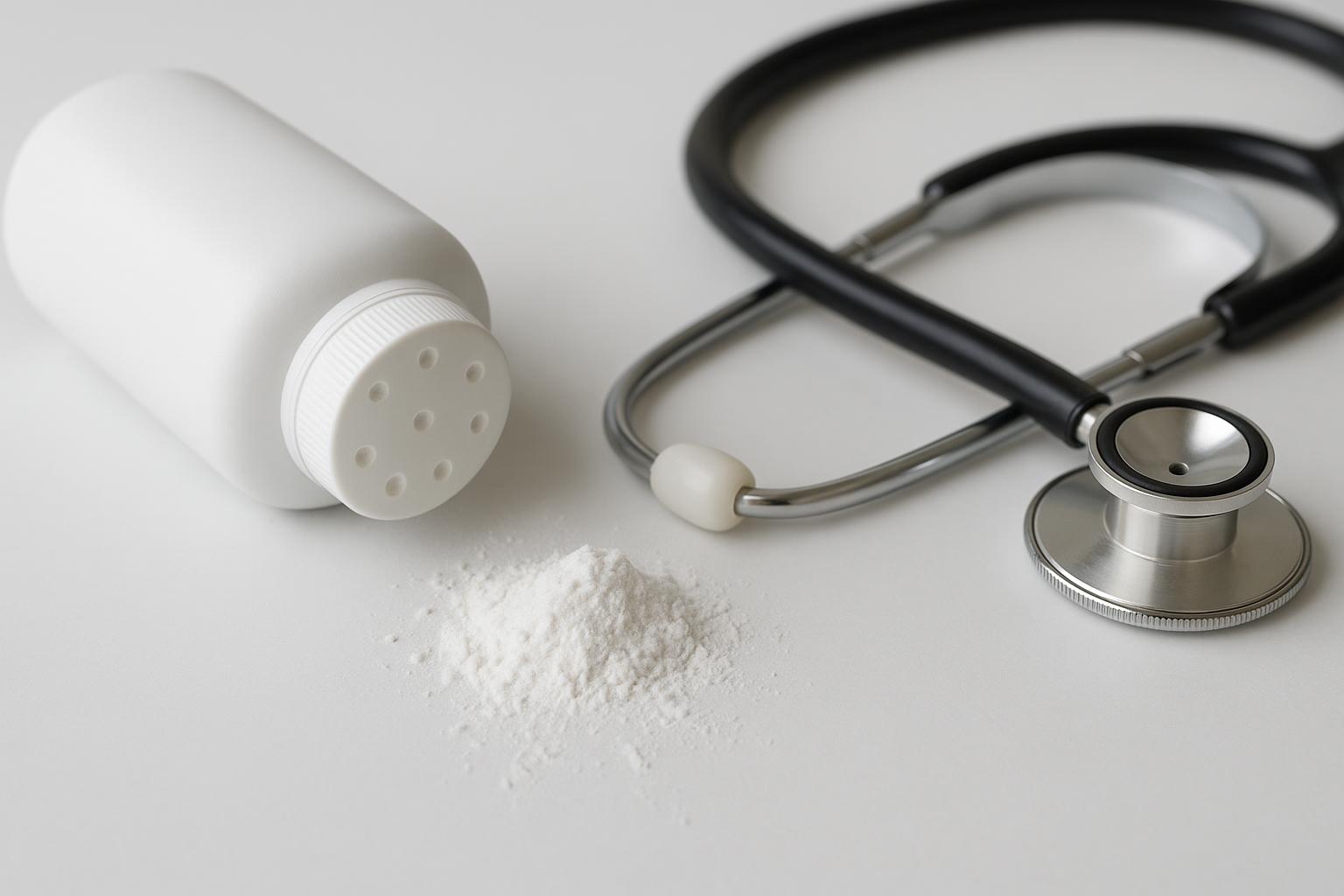
Thousands of women have filed claims alleging that long-term use of talcum powder products led to ovarian cancer. The talcum powder lawsuit ovarian cancer litigation continues to grow as more evidence links talc-based powders to serious health risks. If you or a loved one has been diagnosed with ovarian cancer after using talcum powder, understanding your legal rights and potential compensation options is critical.
Women across the U.S. are pursuing claims against major manufacturers, alleging that these companies failed to warn about the potential dangers. Learn how to file a talcum powder claim for ovarian cancer and what evidence may be needed to support your case.
Understanding the Link Between Talcum Powder and Ovarian Cancer
Talc is a naturally occurring mineral often used in personal hygiene products for its moisture-absorbing properties. However, studies have suggested that when talc particles travel through the reproductive system, they may cause inflammation that contributes to the development of ovarian cancer. Research published by the National Cancer Institute has examined this potential connection for decades.
While not every study confirms a direct cause, the cumulative evidence has raised serious concerns. Many lawsuits claim that manufacturers knew of these risks but continued to market talc-based products as safe for feminine hygiene use.
Ovarian Cancer Symptoms Linked to Talcum Powder Use
Recognizing early symptoms of ovarian cancer can be difficult because they often mimic less serious conditions. Women who used talcum powder regularly and experience persistent symptoms should seek medical evaluation immediately. Common signs include:
- Abdominal bloating or swelling
- Pelvic or lower back pain
- Changes in bowel habits
- Frequent urination
- Fatigue or unexplained weight loss
According to the Mayo Clinic, these symptoms may indicate ovarian cancer, especially when they persist for several weeks. Medical documentation of these symptoms is often crucial when proving talcum powder caused ovarian cancer in a legal claim.
Eligibility to File a Talcum Powder Claim for Ovarian Cancer
Eligibility for a talcum powder lawsuit depends on several factors. Generally, you may qualify if you:
- Used talcum powder products for feminine hygiene for several years
- Were diagnosed with ovarian cancer
- Have medical records linking your diagnosis to talc exposure
- Are within your state’s statute of limitations for filing
Each state has its own statute of limitations for talcum powder claims, which limits how long you have to file after diagnosis. Missing this deadline can permanently bar your right to compensation. It’s important to act quickly to preserve your claim rights.
Check your eligibility for a talcum powder ovarian cancer claim today to determine if you meet the criteria before time runs out.
Evidence Needed to Prove Talcum Powder Caused Ovarian Cancer
Strong evidence is essential to support your claim. Plaintiffs typically need to provide:
- Medical diagnosis records confirming ovarian cancer
- Proof of long-term talcum powder use (receipts, product packaging, or testimony)
- Pathology reports showing talc particles in ovarian tissue (if available)
- Expert medical opinions linking talc exposure to your diagnosis
These documents help establish causation and strengthen your case. Attorneys often work with medical experts to interpret pathology findings and connect them to product use history.
Compensation and Talcum Powder Settlement Amounts for Ovarian Cancer
While no two cases are identical, talcum powder lawsuit payouts and verdicts have varied widely based on the strength of evidence and the extent of harm. Some jury verdicts have reached millions of dollars, while settlements may differ depending on individual circumstances.
Factors that may influence potential compensation include:
- Severity of the cancer diagnosis and treatment costs
- Loss of income or earning capacity
- Pain, suffering, and emotional distress
- Evidence of corporate negligence or failure to warn
It’s important to note that no outcome is guaranteed. However, understanding talcum powder settlement amounts for ovarian cancer can help you gauge what similar cases have achieved in the past.
Filing Process and Timelines for Talcum Powder Claims
Filing a claim involves several key steps. First, you’ll need to gather your medical and product use records. Next, an attorney can help evaluate your eligibility and file your claim within the appropriate jurisdiction. The process typically includes:
- Initial case review and eligibility assessment
- Collection of medical and product evidence
- Filing the complaint in court
- Discovery and expert testimony
- Negotiation or trial
Because of the statute of limitations for talcum powder claims, acting promptly is essential. Many states allow only two to three years from diagnosis to file. Delays can jeopardize your right to compensation.
CTA: Find Out If You Qualify
If you or someone you love developed ovarian cancer after using talcum powder, you may be entitled to pursue compensation. Find out if you qualify for a talcum powder ovarian cancer lawsuit before time runs out. Speaking with a qualified legal team can help you understand your options and protect your rights.
What Diagnosis Records Are Needed for a Talcum Powder Claim?
Medical documentation plays a central role in proving your case. You will likely need:
- Pathology and biopsy reports confirming ovarian cancer
- Oncology treatment records
- Physician notes linking talc exposure to your diagnosis
- Any lab results showing talc particles in tissue samples
These records help establish a timeline between product use and diagnosis, which is vital for proving causation.
Recent Talcum Powder Lawsuit Payouts and Verdicts
Over the past decade, juries have awarded significant verdicts in talcum powder cases. Some plaintiffs have received multi-million-dollar awards after proving that manufacturers failed to warn about the cancer risks. However, many cases are still pending, and settlement negotiations continue nationwide.
While past results do not guarantee future outcomes, they demonstrate how courts have responded to evidence of corporate negligence and consumer harm. Reviewing these outcomes can help you understand potential case value factors.
CTA: Take Action Now
Time limits apply to all talcum powder claims. Don’t risk missing your opportunity for justice. Act now to find out if you qualify for compensation from the talcum powder lawsuit. A free case review can help determine your next steps.
Frequently Asked Questions About Talcum Powder Ovarian Cancer Lawsuits
How do I know if I qualify for a talcum powder ovarian cancer lawsuit?
You may qualify if you used talcum powder for feminine hygiene and were later diagnosed with ovarian cancer. Eligibility also depends on your state’s filing deadline and available medical evidence.
What is the statute of limitations for talcum powder claims?
The statute of limitations varies by state, typically ranging from two to three years after diagnosis. It’s important to contact an attorney as soon as possible to avoid missing the deadline.
What evidence is needed to prove talcum powder caused ovarian cancer?
Evidence may include medical records, pathology reports, proof of product use, and expert testimony linking talc exposure to your diagnosis.
How much are talcum powder settlement amounts for ovarian cancer?
Settlement amounts vary depending on the severity of illness, medical costs, and strength of evidence. Some verdicts have reached millions, but each case is unique.
Can family members file a claim if a loved one passed away from ovarian cancer?
Yes. Surviving family members may be eligible to file a wrongful death claim if talcum powder exposure is believed to have caused the cancer.
Do I need a lawyer to file a talcum powder claim?
While not legally required, having an experienced attorney can help ensure your claim is filed correctly and supported by strong evidence.
What should I do first if I suspect talcum powder caused my ovarian cancer?
Gather your medical records and product history, then contact a legal professional for a free case review to determine your eligibility.