Many consumers are unaware of their rights when it comes to Eligibility for Hair Relaxer Lawsuit the link to to relate that may have caused harm. If you have experienced serious health issues linked to hair relaxers, it is vital to know if you qualify for a lawsuit. In 2025, eligibility criteria will be established, and you could be entitled to compensation for damages incurred. This blog post will guide you through the factors that determine your eligibility, empowering you with vital knowledge to protect yourself and seek justice.
Key Takeaways:
- To qualify for the hair relaxer lawsuit, individuals must have used specific brands linked to health issues, such as uterine cancer or reproductive problems.
- Eligibility typically includes proof of consistent use of hair relaxer products over a defined period.
- Claimants may need to provide medical documentation showing a diagnosis or condition directly attributed to hair relaxer exposure.
- Compensation may cover medical expenses, lost wages, and pain and suffering resulting from health complications.
- Potential claimants are encouraged to consult with legal professionals specializing in product liability to navigate the lawsuit process effectively.
The Landscape of Hair Relaxer Products in 2025

Historical Context: The Rise of Hair Relaxers
Hair relaxers gained immense popularity during the 20th century, particularly among Black women seeking to achieve straight hair and ease the management of their naturally curly locks. These chemical products, often containing aggressive ingredients like lye, became household staples, marketed as a solution to “unmanageable” hair and ensuring social acceptance. During peak usage in the late 20th century, over 80% of Black women reported using some form of hair relaxer, highlighting its profound societal impact.
Shifting Consumer Preferences towards Natural Hair Care
In recent years, a significant shift has occurred among consumers as many are embracing their natural hair textures. This movement represents a broader societal change focused on self-acceptance and cultural pride. By 2025, the market reflects this transformation, with the demand for natural hair care products rising dramatically, as evidenced by staggering growth—over 25% in the past five years alone—encouraging brands to develop more inclusive offerings that prioritize ingredients that nourish rather than chemically alter your hair.
This pivotal change extends beyond personal preference and influences entire industries, as more people advocate for organic, cruelty-free, and chemical-free products. You may have noticed a proliferation of brands catering to natural hair care, often emphasizing the importance of health-conscious ingredients. Brands are increasingly moving away from harsh chemicals, with a marked focus on oils, butters, and botanical extracts. Not only does embracing natural hair align with wellness trends, but it also fosters community among those sharing tips and experiences online, creating a supportive environment that values authenticity over conformity.
Identifying Harmful Ingredients: What to Look For
Analysis of Common Chemicals in Hair Relaxers
Many hair relaxers contain lye (sodium hydroxide), a potent chemical that effectively straightens hair but can also cause severe damage to the scalp and skin. Other common ingredients include guanidine hydroxide, often touted as a gentler option, yet still poses risks. Additionally, parabens and phthalates, known for their endocrine-disrupting properties, are frequently used as preservatives or fragrances, further heightening health concerns associated with these products.
Link Between Ingredients and Health Risks
Research has established a connection between the harsh chemicals in hair relaxers and various health issues, including fibroids, uterine cancer, and other reproductive problems. Long-term exposure can lead to a significant build-up of these harmful substances in your body, increasing susceptibility to severe health conditions over time.
The link between hair relaxer ingredients and health risks extends beyond immediate side effects like skin burns or allergic reactions. Studies have indicated that regular use of these products may elevate the likelihood of developing certain types of cancers, particularly among women of color. For instance, a 2022 study indicated that women who used these chemicals frequently had a 60% higher risk of developing uterine cancer compared to those who did not. This alarming correlation highlights the necessity for individuals to scrutinize ingredient labels and consider the long-term implications of product choices on their health.
Understanding the Legal Framework for Hair Relaxer Lawsuits
Key Legislation Impacting Hair Relaxer Claims
Several laws govern product liability and consumer protection, directly affecting your ability to file a hair relaxer lawsuit. The most significant legislation includes the Consumer Product Safety Act and the Tort Reform Acts, which outline the safety standards manufacturers must meet and the compensation frameworks available for harmed consumers. Understanding these laws is necessary as they dictate the grounds for your claim and the potential compensation you may receive.
Precedents Set by Past Lawsuits
Many past lawsuits involving hair relaxers have laid the groundwork for how future claims will be interpreted in court. Notable cases have centered on punitive damages awarded to victims suffering from severe health issues linked to hair relaxer use, leading to increased scrutiny of manufacturing processes and ingredient disclosures. These cases not only highlight the risk factors associated with chemical exposure but also inform your legal strategy.
Landmark cases, such as the one against a major hair product manufacturer in the early 2000s, resulted in a significant award for a plaintiff who developed debilitating health issues after using their relaxer. This precedent established that companies bear responsibility for consumer safety, setting a clear example of the potential for financial compensation in cases of negligence. As you consider your own situation, remember that these rulings establish a legal pathway emphasizing accountability and may strongly support your claim against similar manufacturers.
Criteria for Qualification: Who Can File a Lawsuit?
Defining the Scope of Eligible Individuals
Your eligibility to file a hair relaxer lawsuit hinges on several factors, including your personal history with these products. Individuals who have used hair relaxers and subsequently developed health issues could have grounds for legal action. This group encompasses a wide demographic, as both professional stylists and home users may experience adverse effects. Identifying your status as a consumer or a professional utilizing these products is key in establishing your right to compensation.
Medical Requirements: Evidence of Harm
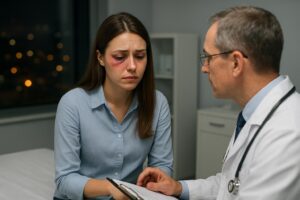
Proving that you suffered harm after using hair relaxers is important for your case. This harm often takes the form of alarming medical conditions linked to the chemicals in these products. Those seeking compensation must provide records or documentation that reflect a diagnosis or significant health issues, such as cancer, hormone disruption, or skin conditions resulting from usage.
Documentation of your medical history can significantly strengthen your case. If you have been diagnosed with ailments linked to hair relaxers—like uterine cancer, fibroids, or other reproductive system disorders—you should gather test results, doctor’s notes, and treatment records. In some instances, expert testimony may also be necessary to illustrate the causal relationship between your health issues and the use of these products. This could include analysis from medical professionals affirming that the chemicals in hair relaxers were likely contributors to your condition. Building a robust evidence base will support your claim and increase your chances of receiving compensation.
The Claims Process: Steps to Take if You Qualify
Gathering Important Documentation and Evidence
Collecting relevant documentation is a vital part of the claims process. You should gather your medical records, treatment histories, and any previous diagnoses that are linked to the use of hair relaxers. In addition, retaining packaging or labels from the hair relaxer products you used can strengthen your case. This supporting evidence will not only help validate your claims but also serve as a foundation for any legal arguments made on your behalf.
Navigating Legal Representation and Support
Securing legal representation is crucial in navigating your hair relaxer lawsuit successfully. Choose an attorney with experience in product liability or toxic tort cases, as they will have the expertise needed to handle complex legal matters effectively. Look for a law firm that offers a free initial consultation, allowing you to discuss your case without financial obligations. This initial meeting can provide valuable insight into your options moving forward.

Having the right attorney can significantly impact the trajectory of your case. A skilled lawyer will understand the intricacies surrounding hair relaxer claims, including the need for expert testimonies and pre-trial motions. They are equipped to gather the necessary evidence, negotiate with manufacturers, and advocate for your rights to ensure you receive the compensation you deserve. A solid legal team not only increases your chances of success but can also alleviate the stress associated with the legal process, leaving you more focused on your recovery.
Potential Compensation: What You Could Be Entitled To
Types of Damages You Can Claim
Victims of hair relaxer-related injuries may pursue various types of damages through a lawsuit. You could potentially claim:
| Medical expenses | Costs incurred due to treatment, medications, or hospital stays. |
| Pain and suffering | Compensation for physical pain and emotional distress caused by the injury. |
| Loss of income | Wages lost due to inability to work as a result of your condition. |
| Future earnings | Projected loss of income if ongoing health issues affect your ability to work. |
| Punitive damages | Additional compensation to punish the responsible parties for their negligence. |
Any compensation awarded is meant to address the various impacts the hair relaxer has had on your life.
Factors Influencing the Amount of Compensation
The amount of compensation you receive can vary greatly based on several factors. Your case’s specifics, including the severity of your injuries, the type of damages claimed, and the evidence available, play a significant role in determining compensation.
- Severity of injuries
- Duration of treatment
- Impact on daily life
- Evidence quality
- Jurisdiction laws
Thou should consider all aspects that contribute to the case’s value when pursuing compensation.
Factors such as the jurisdiction in which your lawsuit is filed can significantly affect potential compensation. For instance, some states allow for higher punitive damages than others, while specific laws may limit particular claims. Moreover, the quality and comprehensiveness of your evidence, including medical records and expert testimony, can amplify your claim’s strength and influence the outcome. Settlements may also vary based on the willingness of the opposing party to negotiate.
- State laws
- Negotiation outcomes
- Insurance company policies
- Previous case precedents
- Public perception
Thou need to be aware of how these various factors intertwine to establish the ultimate outcome of your case.
Future Implications: The Evolving Landscape of Hair Relaxer Litigation
Anticipated Trends in Legal Claims
With the rising awareness of the health risks associated with hair relaxers, a significant increase in legal claims is expected. Victims, particularly women of color who often use these products, are becoming more vocal about their experiences. In 2025, anticipatory trends may lead to *class-action lawsuits* or larger litigation movements, as more individuals realize the long-term effects of these products, potentially resulting in substantial settlements.
Discussion on Regulatory Changes and Industry Reform
The recent surge in lawsuits has garnered the attention of regulatory bodies, prompting calls for reform in the beauty industry. Manufacturers may face stricter guidelines regarding the safety and marketing of hair relaxers. Moreover, public health advocates are lobbying for enhanced transparency about ingredients used in beauty products, ensuring consumers are better informed before making purchases.
As discussions around regulatory changes gain momentum, you might see significant shifts affecting the beauty industry landscape. For instance, the FDA may implement stricter safety protocols or require manufacturers to disclose any studies linking their products to health risks. States could initiate more comprehensive testing requirements for hair relaxers, promoting safer alternatives or even banning harmful chemicals altogether. Increased pressure from advocacy groups could lead to more sustainable practices within the industry, aiming for a healthier approach to beauty.
Personal Accounts: Voices from Victims of Hair Relaxer Abuse
Impact on Health and Quality of Life
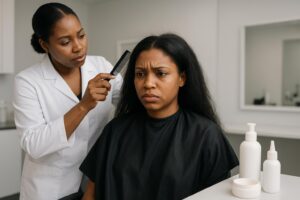
The ramifications of using hair relaxers can extend well beyond the salon chair. Many individuals report experiencing a range of health issues, from severe burns to long-term conditions such as fibroids and other reproductive health concerns. These injuries can significantly diminish your quality of life, affecting emotional well-being, self-image, and daily functioning. When you encounter chronic pain or health complications, the impact resonates throughout every aspect of your life, from personal relationships to job performance.
The Importance of Sharing Experiences for Legal Advocacy
Sharing your story can illuminate the widespread impact of hair relaxer abuse and contribute to the legal fight for justice. Victims who come forward create a collective voice that amplifies concerns regarding the dangers associated with these harmful products. This collective testimony can bolster lawsuits and potentially lead to broader changes in regulatory measures.
Final Words
From above, it’s clear that determining your eligibility for a hair relaxer lawsuit in 2025 requires understanding both the specific conditions associated with the products used and the impact on your health. If you have experienced adverse effects after using hair relaxers, it’s crucial to review the criteria for compensation carefully. Consulting with a legal professional can help you navigate the claims process and ensure you receive the support you deserve. Stay informed and proactive about your rights when considering your potential eligibility in this important matter.
FAQ
Q: Who is eligible to participate in the hair relaxer lawsuit?
A: Individuals who have used hair relaxer products and subsequently experienced health issues, such as uterine cancer, ovarian cancer, or other related ailments, may be eligible to participate in the lawsuit. Eligibility typically requires documented use of specific hair relaxer brands, and in some cases, a medical diagnosis confirming a related health condition.
Q: What types of conditions qualify for compensation in this lawsuit?
A: Compensation may be sought for various health conditions linked to the use of hair relaxers. These include, but are not limited to, uterine cancer, ovarian cancer, endometriosis, and other reproductive health disorders. The specific conditions that qualify will depend on evidence presented during the legal process and may vary by case.
Q: How can I prove my eligibility for the hair relaxer lawsuit?
A: To prove eligibility, you will need to gather documentation such as receipts or proof of purchase showing you used the product, as well as medical records detailing any health issues you have encountered. Consulting with a lawyer experienced in handling such cases can help you understand what specific evidence is required and assist you in the claims process.
Q: Is there a deadline to file a claim in the hair relaxer lawsuit?
A: Yes, there are typically statutes of limitations that apply to filing a claim. The time frame can vary based on the jurisdiction and specifics of the case. It is advised to act promptly and consult with a legal professional to ensure your claim is filed within the required timeframe.
Q: Will I have to go to court if I join the lawsuit?
A: Not necessarily. Many hair relaxer lawsuits are settled out of court, meaning that you may not need to appear in front of a judge. However, if the case does proceed to trial, you may be required to provide testimony or additional documentation to support your claims. Your attorney will guide you through this process.