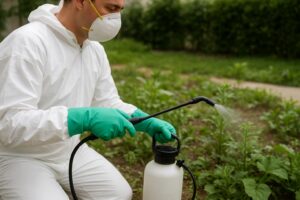
With increasing awareness of environmental factors in health, you may find it concerning to learn about the potential Evidence Links Paraquat To Parkinson, a widely used herbicide, and the development of Parkinsonian disorders. This blog post investigates into the esoteric evidence that suggests paraquat exposure may play a significant role in the onset of these debilitating conditions. By exploring scientific studies and research findings, you will gain insight into the mechanisms by which paraquat could impact neural health and contribute to Parkinson’s disease.
Key Takeaways:
- Paraquat exposure is linked to an increased risk of Parkinson’s disease.
- Epidemiological studies show a correlation between paraquat use and neurodegenerative disorders.
- Mechanisms suggest paraquat induces oxidative stress and neuroinflammation in the brain.
- Animal studies demonstrate that paraquat damages dopaminergic neurons, key in Parkinson’s pathology.
- Genetic factors may influence susceptibility to paraquat’s neurotoxic effects.
- Exposure levels and duration significantly impact the likelihood of developing Parkinsonian symptoms.
- Regulatory agencies continue to assess paraquat’s safety in light of emerging evidence.
Overview of Paraquat
Chemical Composition and Usage
Paraquat, or methyl viologen, is a highly toxic herbicide chemically classified as a bipyridinium compound. Its formula, C12H14Cl2N2, indicates its structure, which consists of two pyridine rings linked by a methylene bridge. You will find paraquat primarily used for controlling grass and broadleaf weeds, particularly in crops such as soybeans and corn, due to its fast-acting nature.
Historical Application in Agriculture
Introduced in the 1960s, paraquat quickly became a staple in agricultural practices globally. Farmers utilized its rapid weed-killing properties to enhance crop yields and manage difficult weed species, making it particularly popular in countries like the United States and Brazil. You can trace its reliance back to its efficiency and affordability, factors that contributed to its widespread adoption over the decades.
Since its introduction, paraquat has been favored for its ability to act swiftly against stubborn weeds, leading to increased productivity in various crops. By the 1980s, paraquat was utilized extensively across numerous agricultural sectors, thanks to aggressive marketing campaigns and its perceived effectiveness. However, as awareness of its health risks grew, particularly concerning its toxic effects, regulatory scrutiny increased, leading to restrictions in certain regions.
Regulatory Status and Safety Concerns
The regulatory status of paraquat varies significantly globally, with many countries imposing strict regulations or bans due to its toxicity. In the United States, it is classified as a restricted-use pesticide, meaning only certified applicators may handle it. Your understanding of these regulations is important for assessing the risks involved in its use.
In recent years, safety concerns have escalated as studies link paraquat exposure to severe health outcomes, including Parkinson’s disease. Regulatory agencies continually assess paraquat’s safety, resulting in a patchwork of restrictions. For instance, while some countries have banned it outright, others have implemented safety training and protective measures to mitigate its lethal risks. Public outcry and scientific research continue to spur these efforts, highlighting the need for stringent regulatory frameworks to protect public health.
Understanding Parkinsonian Disorders
Definition and Symptoms of Parkinson’s Disease
Parkinson’s disease is a progressive neurodegenerative disorder that primarily affects movement control. Common symptoms include tremors, stiffness, slowness of movement, and balance issues. You may also observe non-motor symptoms, such as sleep disturbances, mood changes, and cognitive decline, which can significantly impact your quality of life.
Mechanisms of Neurodegeneration
The underlying mechanisms of neurodegeneration in Parkinson’s disease involve the death of dopamine-producing neurons in the substantia nigra, a critical area of the brain. This degeneration leads to an imbalance of neurotransmitters, particularly dopamine and acetylcholine, affecting motor functions and other vital processes.
Recent research identifies several cellular processes contributing to neurodegeneration, such as mitochondrial dysfunction, oxidative stress, and protein aggregation. Specifically, the accumulation of alpha-synuclein protein can form toxic aggregates, impairing neuronal health. Alterations in cellular signaling pathways may further enhance vulnerability to environmental toxins like paraquat, exacerbating neurodegenerative processes and hastening the onset of symptoms.
Risk Factors and Environmental Triggers
Several risk factors and environmental triggers are associated with the development of Parkinson’s disease. Genetic predisposition, age, and exposure to certain toxins can heighten your risk. Occupational factors and lifestyle choices may also contribute significantly to the likelihood of developing this disorder.
- Age: Higher incidence in older adults.
- Genetics: Family history increases risk.
- Environmental toxins: Exposure to pesticides like paraquat.
- Occupational exposure: Jobs involving chemicals or heavy metals.
- Lifestyle factors: Diet and exercise levels.
Researchers are probing the impact of other environmental exposures, including heavy metals and various pollutants. Studies suggest that individuals living in agricultural areas may face higher risks due to pesticide use. Exploring these connections furthers understanding and potentially leads to preventive strategies against the disorder. Any interventions targeting known risk factors can be pivotal in decreasing your chances of developing Parkinsonian symptoms in later life.
- Environmental pollution: Link to neurodegenerative diseases.
- Occupational hazards: Lasting effects of chemical exposure.
- Dietary influences: Role of antioxidants and nutrition.
- Sleep disruptions: Connection to overall brain health.
- Physical activity: Protective effects against neurodegeneration.
Identifying and addressing environmental triggers can provide insights into prevention. Your awareness and proactive measures addressing these risks can make a significant difference in delaying or mitigating the onset of Parkinsonian disorders.
Epidemiological Studies Linking Paraquat to Parkinsonism
Cohort Studies and Meta-Analyses
Cohort studies have consistently highlighted a link between paraquat exposure and an increased risk of developing Parkinsonian disorders. Notably, a meta-analysis of several studies revealed that rural populations exposed to paraquat exhibited a 2-3 times higher likelihood of developing these conditions compared to non-exposed groups. This accumulation of evidence underscores the potential long-term neurological impacts of this herbicide on human health.
Geographical Studies and Regional Variations
Geographical studies indicate that regions with high agricultural reliance on paraquat report elevated rates of Parkinson’s disease. In areas where paraquat is extensively used, the prevalence of Parkinsonism can be notably higher than in urban or less agriculturally intensive regions. This regional disparity provides compelling evidence regarding the environmental exposure pathway to neurodegenerative diseases.
Investigating the correlation between geographical regions and Parkinson’s incidence reveals pronounced differences; for example, rural communities in California, where paraquat is heavily utilized, demonstrate significant rates of Parkinson’s disease compared to urban centers. Research suggests that environmental factors, particularly pesticide exposure, significantly contribute to these disparities. You can see a pattern in agricultural activities where paraquat is frequently applied, mapping out elevated Parkinsonian incidents, further supporting the notion of a direct link between environmental exposure and neurological health outcomes.

Case-Control Studies
Case-control studies have played a pivotal role in elucidating the relationship between paraquat exposure and Parkinson’s disease. By comparing individuals with Parkinsonism to healthy controls, researchers found that those with a history of paraquat exposure are more likely to have developed the disease. This approach provides valuable insights into how specific exposures impact disease onset and progression.
For instance, in one prominent case-control study, researchers identified a cohort where 20% of Parkinson’s patients reported prior exposure to paraquat, contrasted with only 5% of matched controls. This stark difference highlights how occupational and environmental factors may predispose certain individuals to Parkinsonian disorders. By examining various exposures and their timelines in relation to disease onset, case-control studies help clarify potential causal mechanisms, aiding in the understanding of how paraquat might contribute to neurodegeneration in susceptible populations.
The Role of Oxidative Stress
Mechanisms of Oxidative Damage in the Brain
Oxidative stress arises when there is an imbalance between free radicals and antioxidants in the brain, leading to cellular damage. This damage can affect neurons, resulting in mitochondrial dysfunction, which is pivotal in neurodegenerative disorders. Dysfunctional mitochondria produce more reactive oxygen species (ROS), intensifying oxidative damage and initiating a cascade that disrupts normal cellular processes, ultimately contributing to neuronal death.
Paraquat-Induced Oxidative Stress Pathways
Paraquat exposure activates pathways that generate high levels of ROS, contributing to oxidative stress. Once in the body, paraquat disrupts mitochondrial function, leading to increased ROS production. As these levels rise, they cause lipid peroxidation, protein modification, and DNA damage, triggering inflammation and cell death in critical areas associated with movement and coordination.
Paraquat’s mechanism involves its direct interaction with cellular components, enhancing the electron transport chain’s production of ROS. This cascade creates an oxidative environment that overwhelms the brain’s antioxidant defenses. Continued exposure exacerbates neuronal loss, particularly in dopaminergic neurons, suggesting a direct pathway through which paraquat fosters Parkinsonian symptoms. The persistence of this oxidative stress leads to chronic inflammation, compounding the neurodegenerative process.
Evidence from Animal Studies
Animal studies have provided substantial evidence connecting paraquat to oxidative stress resulting in Parkinson-like symptoms. Research shows that rodents exposed to paraquat exhibit significant increases in oxidative markers, leading to dopaminergic neuron degeneration similar to that observed in Parkinson’s disease.
In these studies, laboratory animals treated with paraquat showed diminished motor control and notable neuroinflammation, mirroring human Parkinsonian symptoms. Additionally, researchers have observed that the administration of antioxidants in conjunction with paraquat mitigates neuronal loss, supporting the theory that oxidative stress plays a critical role in paraquat-induced neurotoxicity. These findings underline the potential mechanisms by which paraquat exposure may precipitate the onset of Parkinsonian disorders.
Neuroinflammation and Paraquat Exposure
Relationship Between Inflammation and Parkinson’s Disease
Inflammation plays a fundamental role in the pathogenesis of Parkinson’s disease, where neuroinflammatory processes contribute to neuronal degeneration. Cytokines and chemokines released during inflammatory responses can exacerbate neuronal damage, ultimately leading to the loss of dopaminergic neurons. This chronic inflammation can create a vicious cycle of neurodegeneration and further inflammation, escalating the risk of developing Parkinsonian disorders.
Paraquat’s Impact on Neuroinflammatory Markers
Studies have shown that paraquat exposure significantly elevates various neuroinflammatory markers such as interleukin-1β and tumor necrosis factor-alpha. These cytokines are indicative of the inflammatory response activated within the brain. Elevated levels of these markers can signal the onset of neuroinflammation, highlighting paraquat’s potential role as a catalyst in the inflammatory processes associated with Parkinson’s disease.
In rodent models, paraquat administration leads to a pronounced increase in microglial activation, a hallmark of neuroinflammation. Research has demonstrated that paraquat exposure results in upregulated expression of inflammatory cytokines, suggesting that the herbicide not only induces oxidative stress but also triggers an inflammatory cascade that may contribute to neuronal death. These findings emphasize the dual pathogenic mechanism by which paraquat may influence the development of Parkinsonian symptoms.
Longitudinal Studies of Inflammatory Responses
Longitudinal studies have tracked neuroinflammatory responses over time following paraquat exposure, revealing persistent inflammation as a potential risk factor for neurodegenerative diseases. These studies typically monitor cytokine levels and microglial activation to assess how prolonged exposure impacts neuroinflammatory profiles, aiding in understanding the timeline of Parkinson’s disease development.
For instance, research has illustrated that individuals with a history of paraquat exposure show sustained elevations in inflammatory markers long after initial exposure. Long-term analyses often reveal that chronic inflammation correlates with declining motor function, reinforcing the theory that ongoing neuroinflammation may be a significant contributor to the onset and progression of Parkinsonian disorders. Understanding these patterns through longitudinal studies is crucial for developing preventive strategies and interventions for at-risk populations.
Genetic Predisposition to Paraquat-Induced Neurotoxicity
Genetic Variants Linked to Parkinson’s Disease
Certain genetic variants, such as those in the LRRK2 and PARK7 genes, have been strongly associated with an increased risk of developing Parkinson’s disease. These variations can influence neuronal resilience and apoptosis, making some individuals more susceptible to environmental stressors like paraquat. Identifying these genetic markers can help pinpoint individuals at higher risk when exposed to toxic substances.
Interaction Between Genetics and Environmental Toxins
Your genetic makeup can significantly modulate how environmental toxins, including paraquat, affect your neurological health. This interaction highlights that not everyone exposed to paraquat will experience the same neurotoxic effects, as genetic predisposition plays a vital role in susceptibility.
Research emphasizes the intricate relationship between genetic factors and environmental exposures, suggesting that specific alleles may amplify the neurotoxic effects of paraquat. For example, individuals with certain variations in genes related to dopamine metabolism may exhibit exacerbated neurodegeneration when exposed to this herbicide. This interplay underscores the multiplicity of factors contributing to Parkinsonian disorders and reinforces the necessity for personalized health assessments.
Implications for Population Susceptibility
Understanding genetic predispositions enhances your insight into population vulnerability to paraquat-induced neurotoxicity. Variability in genetic makeup among different demographic groups can influence overall disease incidence rates, revealing higher risks in certain populations.
This knowledge is pivotal for public health strategies and preventative measures. Tailoring interventions based on genetic risk factors can improve outcomes, especially in agricultural communities where paraquat exposure is common. By identifying high-risk populations, targeted education and monitoring can be implemented, aiding in the reduction of Parkinson’s disease incidence linked to paraquat exposure.
Mechanisms of Paraquat-Induced Neurodegeneration
Mitochondrial Dysfunction
Mitochondrial dysfunction is a key mechanism through which paraquat induces neurodegeneration. Exposure to paraquat leads to increased production of reactive oxygen species (ROS), overwhelming the mitochondria’s capacity to manage oxidative stress, which can result in neuronal damage and death. This impaired mitochondrial function not only disrupts ATP production but also triggers further neurodegenerative processes.
Apoptotic and Autophagic Pathways
The activation of apoptotic and autophagic pathways is significantly influenced by paraquat exposure. You may find that paraquat initiates programmed cell death, or apoptosis, through caspase activation, while also impairing the autophagic process that typically clears damaged cellular components. This dual impact exacerbates neuronal loss and contributes to the progression of Parkinson’s disease.
Paraquat exposure has been shown to activate key apoptotic pathways, leading to the release of cytochrome c from mitochondria and subsequent caspase cascade activation. At the same time, it inhibits autophagy through mTOR signaling, failing to effectively clear damaged proteins and organelles. The interplay between these pathways amplifies neurotoxic effects, increasing neuronal susceptibility to degeneration.
Altered Dopaminergic Signaling
Altered dopaminergic signaling occurs as a direct consequence of paraquat exposure, manifesting as a disruption in dopamine neurotransmission. You should be aware that paraquat can lead to the degeneration of dopaminergic neurons in the substantia nigra, which interferes with the neural circuits vital for motor control and coordination, characteristic of Parkinson’s disease.
This alteration in dopaminergic signaling is linked to decreased dopamine levels and sensitivity in receptors, resulting in impaired motor functions. Furthermore, animal studies highlight that paraquat-treated models exhibit reduced striatal dopamine release and altered receptor density, reinforcing the compound’s role in aggravating symptoms associated with Parkinsonian disorders. The long-term impact of these changes can significantly affect behavioral and cognitive functions over time.
The Interaction Between Paraquat and Other Neurotoxins
Dual Exposures and Their Synergistic Effects
Exposure to paraquat in conjunction with other neurotoxins can significantly amplify the risk of developing Parkinsonian disorders. The interactions between these chemicals can lead to enhanced oxidative stress, accelerating neuronal damage. This synergistic effect may overwhelm your brain’s protective mechanisms, increasing susceptibility to neurodegenerative processes compared to exposure to a single toxin.
Common Neurotoxic Agents in Agricultural Settings
Agricultural environments often expose workers to various neurotoxic agents alongside paraquat, including organophosphates, carbamates, and heavy metals. These compounds can exacerbate the harmful effects of paraquat and may contribute to the development of Parkinsonian disorders through similar mechanisms of neurotoxicity and oxidative stress. The cumulative exposure heightens the overall neurotoxic burden on your system.
For instance, studies demonstrate that organophosphate pesticides, like chlorpyrifos, can disrupt cholinergic signaling and alter dopaminergic activity, further compounding the neurotoxic effects experienced alongside paraquat exposure. Heavy metals such as lead and manganese have also shown associations with Parkinson’s, presenting an additional risk factor for individuals in agricultural settings where multiple neurotoxins may be present. Understanding these interactions is necessary for workers’ health and safety.
Recommendations for Occupational Safety
Implementing proper safety measures is necessary to minimize exposure to paraquat and other neurotoxic agents in agricultural settings. Strategies include using personal protective equipment (PPE), adhering to safe handling protocols, and ensuring regular training on the risks associated with pesticide use. Monitoring exposure levels in the workplace will further aid in protecting your health.
Specifically, wearing masks, goggles, gloves, and protective clothing can reduce the risk of inhalation and skin absorption of neurotoxins. Employers should prioritize training sessions that emphasize the importance of following manufacturer’s safety guidelines and maintaining a clean work environment. Regular health screenings can help identify early signs of neurotoxicity, ensuring timely intervention and promoting overall worker safety.
Paraquat Exposure among Agricultural Workers
Occupational Health Studies
Your exposure to paraquat may stem from working in agricultural settings, where its use is prevalent. Studies indicate that agricultural workers show a higher incidence of Parkinsonian disorders, with a significant correlation between paraquat exposure and the disease’s onset. Research has linked increased risks with both direct handling and environmental exposure, underscoring the occupational hazards faced by this workforce.
Protective Measures and Regulations
Despite known risks, protective measures in agricultural settings often fall short. Regulations surrounding paraquat use vary by region, resulting in inconsistent safety practices. Some farms implement protective gear, but this is not universally mandated or properly enforced, leaving workers vulnerable to harmful exposure.
Enhancing protective measures involves establishing stricter regulations on paraquat use, including comprehensive training for workers on safety protocols and the mandatory use of personal protective equipment (PPE). Additionally, government agencies should review existing guidelines to minimize exposure limits and promote safer handling practices. Implementing routine monitoring of pesticide levels in agricultural environments ensures compliance with safety standards, ultimately protecting workers’ health.
Advocacy for Safer Pesticide Alternatives
Exploring safer pesticide alternatives can mitigate the risks associated with paraquat exposure. Advocacy movements push for research and development of less harmful substances, emphasizing organic farming practices and integrated pest management as viable solutions. This shift aims to protect health while maintaining agricultural productivity.
Investing in alternatives such as biopesticides or organic solutions can drastically reduce dependence on toxic chemicals like paraquat. Advocacy efforts should focus on educating farmers about these alternatives and providing access to resources that facilitate a transition away from harmful pesticides. Collaborative initiatives involving agricultural organizations, environmental groups, and policy-makers are important to drive significant change in pesticide use practices, ultimately prioritizing health and sustainability.

The Role of Public Health Education
Raising Awareness of Paraquat Risks
Understanding the dangers of paraquat is fundamental for farmers, agricultural workers, and communities around areas where it is used. Public health campaigns that highlight the potential link between paraquat exposure and Parkinson’s disease can motivate individuals to take necessary precautions. Educational programs that disseminate clear information on protective measures, safe handling, and informed decision-making are imperative in safeguarding public health.
Community Initiatives and Support Systems
Local organizations play a key role in building awareness and providing resources regarding paraquat exposure and its health implications. By fostering a network of support, communities can share experiences and strategies for reducing risks related to paraquat use. These initiatives often include workshops, informational sessions, and access to health screenings, creating a collaborative approach to combat the effects of environmental toxins.
Community-driven initiatives can also facilitate partnerships with agricultural agencies, promoting joint efforts in education and outreach. Organizing local forums allows individuals affected by paraquat exposure to voice their concerns and learn from experts in environmental health. Resources such as counseling, health assessments, and rehabilitation programs can empower members of the community, providing them with tools to manage their health and advocate for safer agricultural practices.
Policy Advocacy and Change Efforts
Advocating for policy changes that address the risks of paraquat usage is imperative in protecting public health. Your engagement in campaigns aimed at reducing or banning paraquat can influence decision-makers to reevaluate agricultural practices. Collaborating with environmental organizations can amplify your voice in pushing for stricter regulations that prioritize safety and health.
Your involvement in advocacy can lead to significant political pressure to revise laws surrounding pesticide use. Successful case studies demonstrate how grassroots movements have led to bans on harmful chemicals in various regions, showcasing the power of community-led initiatives. By mobilizing support, you can contribute to a larger movement aimed at creating safer agricultural practices and reducing the prevalence of neurodegenerative diseases linked to toxic exposures.
Future Research Directions
Identifying Mechanisms of Action
Focusing on the precise molecular mechanisms by which paraquat induces neurotoxicity could unlock pathways for intervention. You should consider exploring its effects on mitochondrial function, oxidative stress, and neuroinflammation to determine specific targets within cellular processes impacted by exposure.
Longitudinal Studies and Future Epidemiological Research
Longitudinal studies will be vital in establishing causal relationships between paraquat exposure and Parkinsonian disorders over time. Research that tracks cohorts exposed to paraquat allows for an understanding of onset patterns, symptom progression, and other environmental factors that may influence your risk of neurodegenerative conditions.
Investing in large-scale longitudinal studies with varied demographics and comprehensive health data could uncover critical insights into how long-term exposure to paraquat correlates with the development of Parkinsonian disorders. Incorporating advanced analytics and technology for real-time data collection will enhance your ability to identify trends and risk factors associated with paraquat in diverse populations. Such studies may also indicate variations based on genetic predispositions, thereby enriching our understanding of this correlation.
Developing Targeted Therapies and Interventions
Creating specific therapies aimed at mitigating paraquat’s neurotoxic effects involves understanding the disease progression mechanisms. You should look into pharmacological agents that counteract oxidative stress and neuroinflammation, potentially preventing or delaying the onset of Parkinson’s symptoms in those at risk.
Targeted therapies, including the use of antioxidants or neuroprotective agents, may hold promise for individuals exposed to paraquat. Clinical trials assessing these interventions could offer an avenue for therapeutic strategies designed to alleviate the neurodegenerative effects associated with this toxic herbicide. Personalized medicine approaches, considering genetic factors, may further refine treatment to improve outcomes for affected individuals.
Ethical Considerations in Studies of Paraquat
Informed Consent and Participant Safety
Ensuring informed consent is paramount in studies involving paraquat, as participants must fully understand the potential risks and benefits associated with their involvement. Your role as a researcher includes providing comprehensive information about the study’s design, potential side effects, and the measures in place to protect participants’ health throughout the research process.
Ethical Implications of Funding Sources
Funding sources can significantly influence research outcomes and public perception of findings related to paraquat exposure. Bias may emerge when financial interests align more closely with agricultural stakeholders than with transparent scientific inquiry.
Concerns regarding funding biases arise when financial support from agricultural companies, which may benefit from existing paraquat use, skews the research agenda. Studies funded by these entities might underreport adverse health effects, leading to compromised scientific integrity. You must scrutinize and disclose funding sources to maintain credibility and ensure that research findings reflect objective realities rather than industry motivations.
Balancing Agricultural Needs with Public Health
Negotiating the delicate balance between agricultural demands and public health imperatives is vital in discussions about paraquat usage. Your awareness of both the agricultural sector’s need for pest control and the public’s right to safe environments informs a more comprehensive dialogue.
Global Perspectives on Paraquat Usage
International Regulations and Bans
Many countries have recognized the health risks associated with paraquat and imposed strict regulations or outright bans. In the European Union, paraquat has been banned since 2007 due to its toxicological profile. Countries like Brazil and China have also restricted its use, although enforcement can be variable. Such measures reveal a growing awareness of the herbicide’s potential link to Parkinson’s and other health issues.
Comparative Studies from Different Countries
Research from various countries offers insights into the correlation between paraquat use and Parkinsonian disorders. For instance, a study in the United States indicated a significant association between paraquat exposure and increased Parkinson’s risk, while similar findings emerged from studies conducted in Taiwan and Argentina. These comparative studies highlight the global impact of paraquat on public health.
Comparative Studies Overview
| Country | Study Findings |
|---|---|
| United States | Significant association with increased Parkinson’s risk. |
| Taiwan | Similar link observed; higher incidences in agricultural areas. |
| Argentina | Evidence supports paraquat’s role in neurodegenerative diseases. |
Global Advocacy for Healthier Practices
Organizations like the World Health Organization advocate for the reduction of hazardous pesticide use, emphasizing safer agricultural practices. Increasingly, these groups promote integrated pest management (IPM) strategies to mitigate risks associated with toxic substances like paraquat. Shifting towards organic farming and sustainable practices is also gaining traction as a safer alternative.
Advocacy for Healthier Practices
| Organization | Focus Area |
|---|---|
| World Health Organization | Promotes reduced pesticide use and healthy farming. |
| Pesticide Action Network | Advocates for safer alternatives and reduced reliance on toxic chemicals. |
| Greenpeace | Campaigns for sustainable agriculture practices globally. |
Final Words
Taking this into account, you should consider that emerging studies suggest a significant association between paraquat exposure and the onset of Parkinsonian disorders. Evidence indicates that paraquat may induce neuroinflammation and oxidative stress, leading to neuronal degeneration. Understanding these links can enhance your awareness of environmental risk factors for Parkinson’s and inform your choices regarding exposure to such chemicals.
FAQ
Q: What is paraquat?
A: Paraquat is a herbicide used to control weeds and grasses, known for its toxicity to humans and animals.
Q: How does paraquat potentially affect the brain?
A: Paraquat may induce oxidative stress and neuroinflammation, which are believed to contribute to neuronal damage and may influence the onset of Parkinsonian disorders.
Q: What studies link paraquat exposure to Parkinson’s disease?
A: Several epidemiological studies have shown an increased risk of Parkinson’s disease among individuals with occupational exposure to paraquat, particularly among agricultural workers.
Q: Are there genetic factors that increase susceptibility to paraquat?
A: Yes, certain genetic variants, such as those affecting the enzymatic pathways involved in oxidative stress response, may make some individuals more vulnerable to the effects of paraquat exposure.
Q: What are the symptoms of Parkinsonian disorders linked to paraquat?
A: Symptoms can include tremors, rigidity, bradykinesia, and postural instability, which are characteristic of Parkinson’s disease.
Q: What regulatory measures exist concerning paraquat use?
A: Many countries have restricted or banned the use of paraquat due to its toxicity, but it remains in use in certain regions, particularly in agriculture.
Q: What preventive steps can be taken regarding paraquat exposure?
A: Individuals at risk, particularly farmworkers, should use protective equipment, follow safety guidelines, and undergo regular health screenings to monitor any potential effects from exposure.