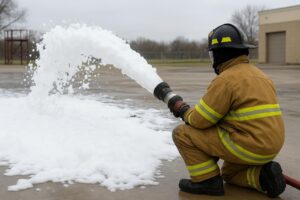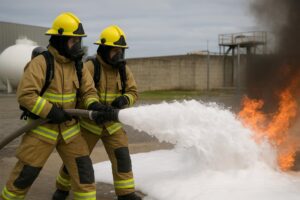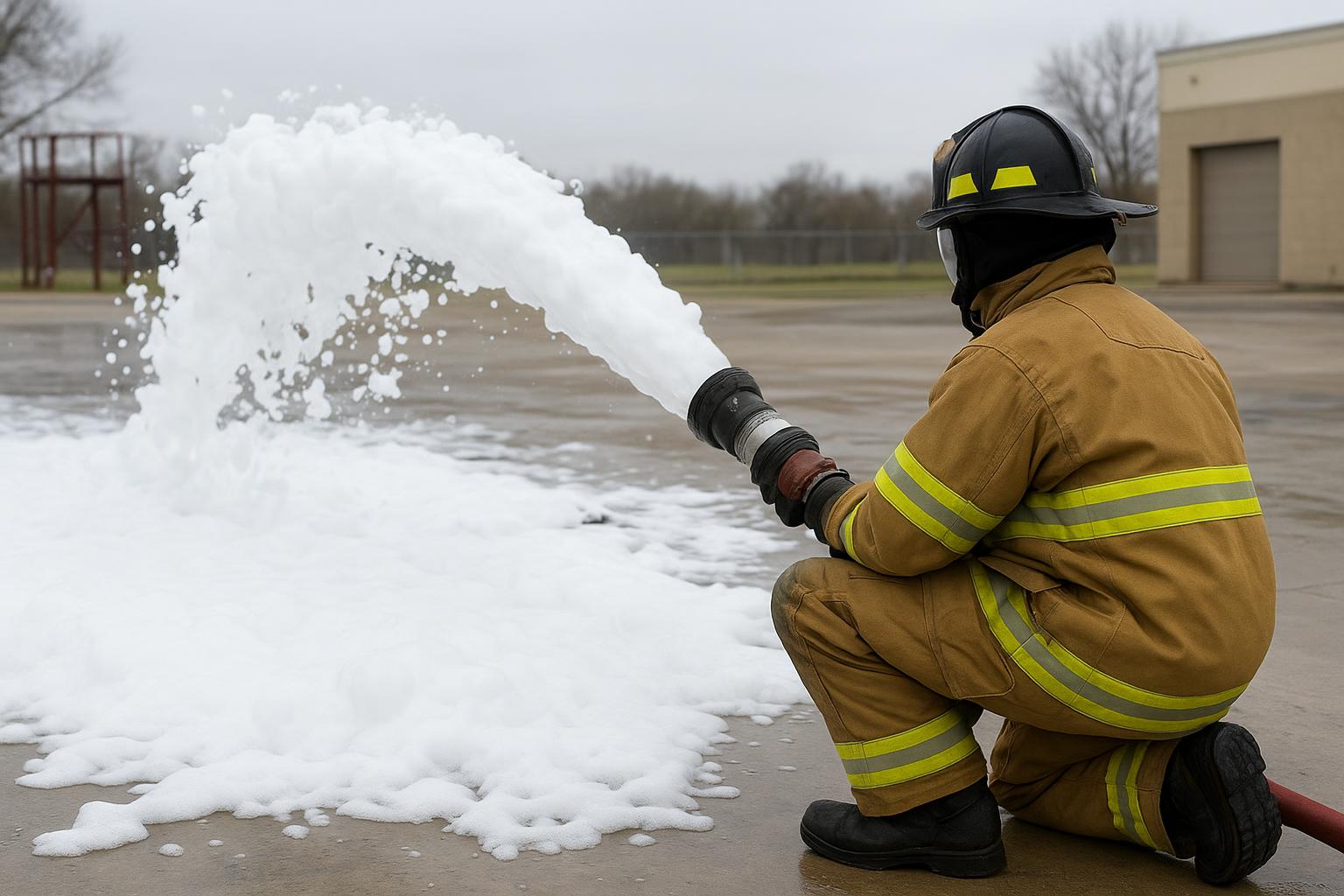
An AFFF lawsuit may be available to people who were exposed to firefighting foam and later developed serious health problems linked to PFAS chemicals. If you worked around aqueous film-forming foam, lived near a contaminated site, or used water affected by foam runoff, your exposure history may matter.
Many people first start looking into an AFFF claim after noticing symptoms, receiving a diagnosis, or learning that their workplace or community had contamination concerns. If that sounds familiar, you can check your AFFF lawsuit eligibility now and protect your right to claim before deadlines matter.
This article explains the symptoms, diagnosis issues, eligibility factors, evidence, compensation considerations, and filing timeline in a practical way. It is designed to help you understand whether an AFFF injury claim may be worth reviewing with a qualified attorney.
AFFF Lawsuit Basics: What the Claim Is About
AFFF, or aqueous film-forming foam, has been used for decades to fight high-risk fuel fires, especially at airports, military bases, industrial sites, and fire training facilities. The concern is that many formulations contained PFAS, a group of persistent chemicals that can remain in the body and environment for a long time.
People pursuing an AFFF lawsuit generally allege that exposure to these chemicals contributed to cancer or other serious injuries. The legal focus is often on whether the manufacturer failed to warn users about the risks, whether contamination was foreseeable, and whether the exposure can be tied to a qualifying diagnosis.
For a broader overview of the claim process, you can also review the dedicated AFFF lawsuit page for intake details and next steps.
Scientific and public health agencies have continued to study PFAS exposure and its potential health effects. The CDC provides background on PFAS exposure pathways and health concerns at CDC PFAS information, which can help explain why these cases have drawn so much attention.
AFFF Exposure Symptoms and Warning Signs
There is no single symptom that proves AFFF exposure caused a disease, and many conditions develop slowly over time. Still, people who later pursue an AFFF cancer claim often report a history of unexplained health changes before diagnosis.
Symptoms can vary depending on the disease involved. In many cases, the issue is not the exposure symptom itself, but the diagnosis that follows after a period of fatigue, pain, swelling, or abnormal test results.
Common warning signs that may lead someone to seek medical evaluation include:
- Persistent fatigue that does not improve with rest
- Unexplained weight loss or loss of appetite
- Swollen lymph nodes or lumps
- Abdominal pain, bloating, or digestive changes
- Frequent infections or unusual bruising
- Shortness of breath or chest discomfort
- Kidney-related symptoms such as blood in the urine
- Testicular swelling, pain, or a noticeable mass
These symptoms do not automatically mean a person has a firefighting foam cancer diagnosis, but they can be important when building a timeline. A doctor may order imaging, blood work, biopsy, or other testing to determine the cause.
If you have symptoms and a known exposure history, it is important to document both. That documentation can later help support an AFFF injury claim by showing when the symptoms began and how the diagnosis developed.
For medical context on PFAS and health research, see the NIH-backed PubMed database at PubMed PFAS research.
Diagnoses That May Support an AFFF Cancer Claim
Not every diagnosis will qualify for an AFFF claim, and the exact list can change as litigation develops. However, many claims focus on cancers and serious illnesses that have been studied in connection with PFAS exposure.
Potentially relevant diagnoses may include kidney cancer, testicular cancer, thyroid cancer, ulcerative colitis, liver-related disease, and certain blood cancers. The strength of a claim often depends on the specific diagnosis, the timing of exposure, and the available medical records.
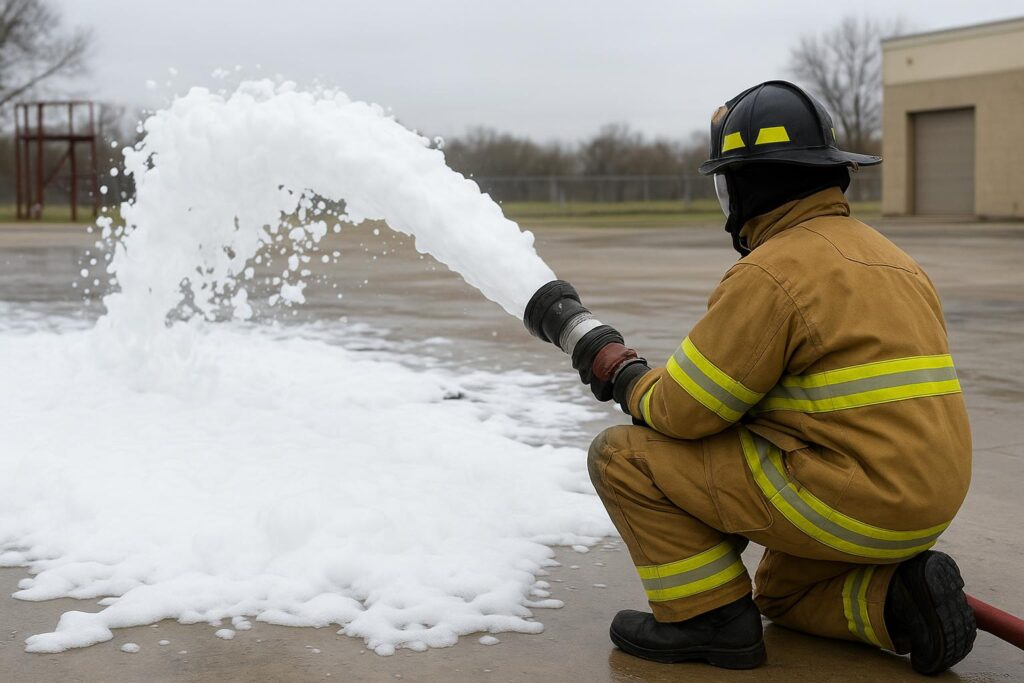
People sometimes ask whether a diagnosis alone is enough. In most cases, the answer is no. A viable AFFF lawsuit usually requires both a qualifying injury and evidence that the person was exposed to firefighting foam or contaminated water in a meaningful way.
Medical records matter because they help establish the diagnosis date, treatment history, and prognosis. Pathology reports, imaging results, oncology notes, and discharge summaries can all become important evidence in an AFFF cancer claim.
It is also important to understand that some symptoms may appear long before a formal diagnosis. That is why attorneys often look closely at the full medical timeline, not just the final diagnosis code.
AFFF Eligibility: Who May Qualify
AFFF eligibility usually turns on two main questions: Was there meaningful exposure, and did that exposure contribute to a qualifying injury? If the answer to both appears to be yes, the case may deserve a closer review.
People who may qualify often include firefighters, military personnel, airport workers, industrial workers, and others who handled foam directly or worked in contaminated environments. In some situations, residents near a contaminated water supply may also have a potential claim.
Exposure can happen in several ways, including:
- Direct contact while training or fighting fires
- Inhalation of foam mist or contaminated spray
- Drinking or bathing in contaminated water
- Working at a site where AFFF was used repeatedly
- Living near a base, airport, or industrial facility with known PFAS contamination
Eligibility is not limited to one occupation. What matters is whether the facts show a credible exposure pathway and a diagnosis that fits the litigation criteria.
If you are unsure whether your history fits, a case review can help identify the records and details needed. You can see if your exposure to AFFF makes you eligible for compensation today without committing to a lawsuit before you understand your options.
Evidence That Can Strengthen an AFFF Injury Claim
Strong evidence can make a major difference in an AFFF lawsuit. Attorneys typically look for proof that connects the exposure, the diagnosis, and the resulting damages.
Useful evidence may include employment records, military service records, training logs, incident reports, water testing results, medical records, and witness statements. If you worked at a fire station, airport, or base, records showing foam use or contamination concerns can be especially helpful.
Other evidence may include:
- Pay stubs or job descriptions showing relevant duties
- Deployment or assignment records for military claimants
- Property or utility records for water contamination claims
- Photos, emails, or internal reports mentioning AFFF use
- Doctor notes documenting symptoms and diagnosis dates
- Receipts and bills showing treatment costs and out-of-pocket losses
People often worry that they do not have enough paperwork. That is common, and it does not necessarily mean the claim is weak. A legal team may be able to help gather records from employers, government sources, and medical providers.
The key is to preserve what you have now. Old records, discharge papers, and even a simple timeline written from memory can help reconstruct the facts later.
AFFF Compensation: What Case Value Can Depend On
There is no fixed AFFF settlement amount for every case. Compensation depends on the facts, the diagnosis, the strength of the evidence, and how the injury has affected the person’s life.
In general, case value may be influenced by the severity of the illness, the amount of treatment required, the length of disability, lost income, and whether the injury caused permanent harm. A person with advanced disease and extensive treatment may have a different claim profile than someone with an earlier-stage diagnosis.
Potential compensation categories can include:
- Medical expenses, including surgery, chemotherapy, and follow-up care
- Lost wages and reduced earning capacity
- Pain and suffering
- Loss of enjoyment of life
- Travel costs and related out-of-pocket expenses
- In some cases, wrongful death damages for surviving family members
People often search for an AFFF settlement estimate, but any estimate should be treated cautiously. Mass tort outcomes can change as bellwether cases, settlement negotiations, and court rulings develop.
That is why a case review should focus on the facts of your injury rather than promises. A realistic evaluation can help you understand whether your claim may be worth pursuing and what documentation could affect value.
How the AFFF Lawsuit Filing Process Usually Works
The filing process usually starts with an intake review. During that review, a legal team will ask about your exposure history, diagnosis, treatment, work history, and any records you already have.
If the case appears viable, the next step may involve collecting medical records, employment records, and other proof. In mass tort litigation, claims may be filed in a coordinated process that differs from a standard single-plaintiff lawsuit.
Typical steps can include:
- Initial case screening
- Record collection and exposure investigation
- Review of diagnosis and treatment history
- Filing or joining the appropriate litigation track
- Discovery, where both sides exchange evidence
- Settlement discussions or trial preparation
Many people want to know how long the process takes. The answer depends on the court schedule, the number of claims, and whether the case settles or proceeds further. Some claims may resolve faster than others, but no timeline should be assumed.
If you are considering filing, it is smart to act early. Evidence can become harder to find over time, and legal deadlines may limit how long you have to bring a claim.
Act now to find out if you qualify for an AFFF lawsuit. A free review can help you understand whether your exposure history and diagnosis may support a claim.
Get a free case review today to see if you qualify for the AFFF lawsuit
AFFF Settlement Timelines and Deadlines
People often ask when an AFFF settlement will happen. The honest answer is that mass tort timelines are unpredictable, and settlement timing depends on litigation progress, court rulings, and the strength of the claims being evaluated.
Some cases may move through coordinated proceedings before any broad settlement discussions become meaningful. Others may resolve after key test cases or bellwether trials help show how juries may respond to the evidence.
Deadlines matter because statutes of limitation can limit the time to file. These deadlines vary by state and by the facts of the case, so waiting too long can create serious problems even if the underlying claim is strong.
That is why many people choose to review their options as soon as they learn about a possible connection between AFFF exposure and their illness. Early action can help preserve records, witness information, and medical documentation.
If you are still gathering information, that is okay. A case review can help determine whether your timeline is close to a filing deadline and what should be collected first.
What to Do If You Think You Have an AFFF Claim
If you believe you may have an AFFF claim, start by writing down your exposure history in as much detail as possible. Include where you worked or lived, when the exposure happened, what type of foam or water source was involved, and when symptoms began.
Next, gather medical records related to your diagnosis and treatment. If you have employment or military records, keep those together as well, since they may help prove exposure and job duties.
It is also wise to avoid assuming that a lack of perfect records means you cannot file. Many claims are built from a combination of documents, witness accounts, and reconstructed timelines.
Most importantly, do not wait until deadlines become a problem. If you want to understand your options, you can find out if you qualify for the AFFF lawsuit now before deadlines matter.
Frequently Asked Questions About the AFFF Lawsuit
What is an AFFF lawsuit?
An AFFF lawsuit is a legal claim brought by someone who believes exposure to firefighting foam containing PFAS caused a serious illness or other injury. These cases often focus on cancer diagnoses and the failure to warn about long-term risks.
The claim may involve direct exposure at work, military service, or contaminated water exposure in a community. The exact legal theory depends on the facts of the case.
What are common AFFF exposure symptoms?
There is no single symptom that proves exposure, but people often report fatigue, weight loss, swollen lymph nodes, abdominal pain, or other unexplained health changes before diagnosis. The more important issue is whether those symptoms led to a qualifying medical condition.
If you have symptoms and a known exposure history, medical evaluation and recordkeeping are important. Those details may later help support an AFFF injury claim.
Who may be eligible for an AFFF claim?
Eligibility often depends on whether you had meaningful exposure to firefighting foam or contaminated water and whether you developed a qualifying illness. Firefighters, military members, airport workers, industrial workers, and some residents near contaminated sites may be potential claimants.
A legal review can help determine whether your work history, diagnosis, and records fit the current litigation criteria.
What kinds of compensation may be available?
Possible compensation may include medical bills, lost wages, reduced earning capacity, pain and suffering, and other related losses. In wrongful death cases, surviving family members may also seek certain damages.
There is no guaranteed amount, and case value depends on the facts, the diagnosis, and the strength of the evidence.
How do I prove AFFF exposure?
Proof may come from employment records, military records, water testing results, incident reports, witness statements, and other documents showing where and how exposure occurred. Medical records are also important because they connect the exposure timeline to the diagnosis.
If you do not have every record, that does not necessarily end the claim. Attorneys often help gather missing documents and build the exposure history.
How long do I have to file an AFFF lawsuit?
The deadline depends on the state, the diagnosis date, and other case-specific facts. Because statutes of limitation can be strict, waiting too long may prevent a claim from moving forward.
If you think you may qualify, it is best to review your options as soon as possible so you do not lose the chance to file.
Can I still file if I am not sure my illness was caused by AFFF?
Yes, you can still request a case review even if you are unsure. A legal team can look at your exposure history, diagnosis, and records to determine whether the facts may support a claim.
That review can help you understand whether your situation is worth pursuing without making any promises about the outcome.
See if your exposure to AFFF makes you eligible for compensation today. A confidential review can help you understand your rights and next steps.
See if your exposure to AFFF makes you eligible for compensation today
The AFFF lawsuit process is about more than a diagnosis. It is about connecting exposure, medical evidence, and legal deadlines in a way that supports a valid claim review.
If you believe firefighting foam exposure may have played a role in your illness, the safest next step is to gather your records and get your case evaluated. A timely review can help protect your ability to seek AFFF compensation if your facts fit the litigation.