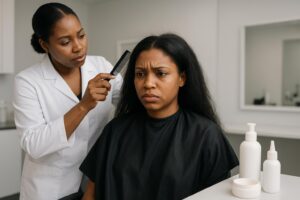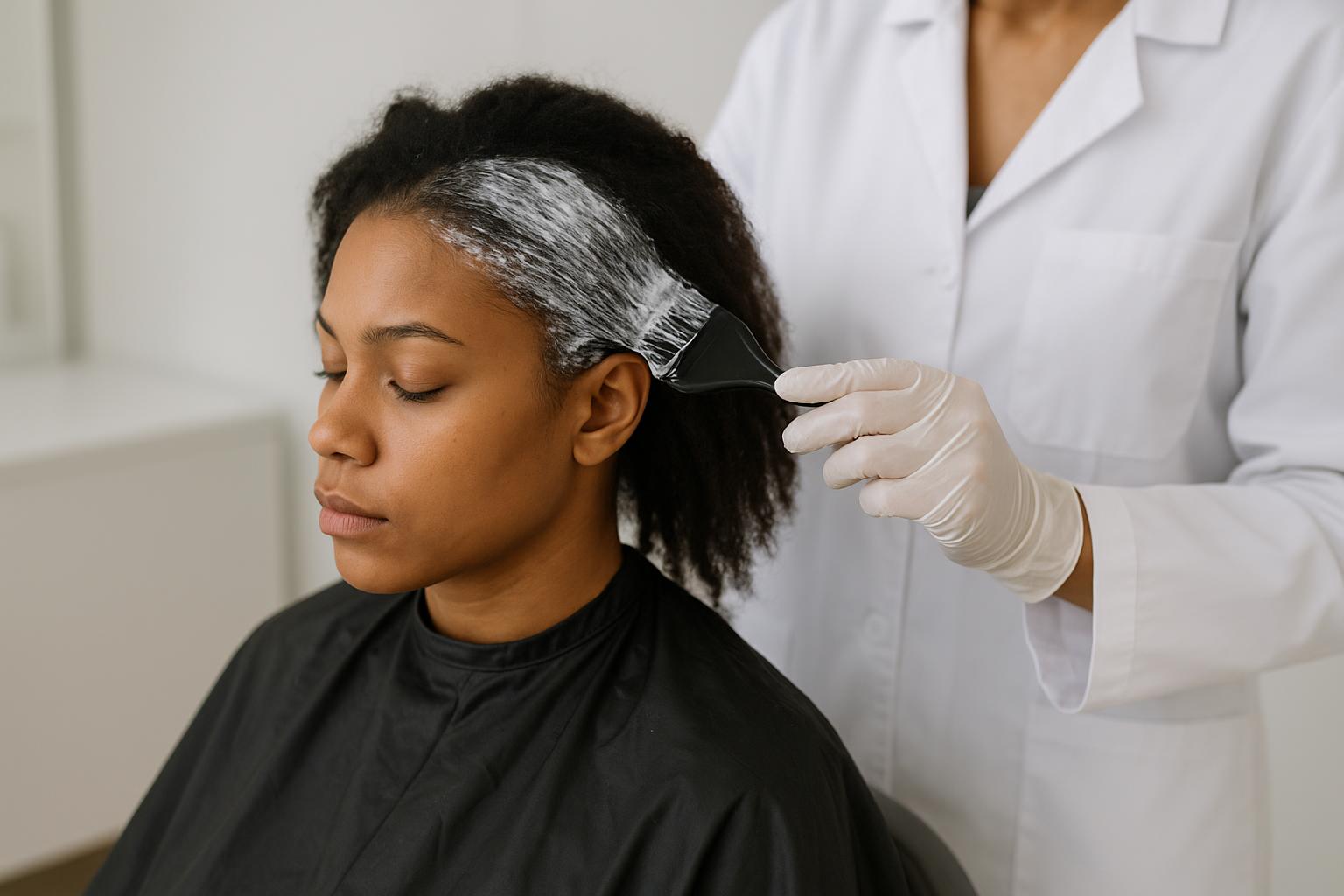
Thousands of women across the United States are now pursuing claims in the hair relaxer cancer lawsuit after studies linked chemical hair straighteners to uterine and ovarian cancers. If you or a loved one used chemical hair relaxers and later developed cancer, you may be entitled to pursue compensation. Understanding the symptoms, eligibility criteria, and legal process is essential before filing a claim.
Recent research, including findings from the National Institutes of Health (NIH), has shown a significant connection between frequent use of hair relaxers and certain hormone-related cancers. This growing body of evidence has led to a surge in lawsuits against major cosmetic manufacturers.
To learn more or to begin your claim, visit the Hair Relaxer Lawsuit Intake Center for a free case review.
Understanding the Hair Relaxer Cancer Lawsuit
The hair relaxer cancer lawsuit alleges that manufacturers failed to warn consumers about the potential cancer risks associated with long-term use of chemical hair straighteners. Plaintiffs claim that these products contain endocrine-disrupting chemicals that can increase the risk of uterine, ovarian, and other reproductive cancers.
Many of these lawsuits have been consolidated into multidistrict litigation (MDL) to streamline the pretrial process. This allows victims to share evidence and expert testimony while maintaining individual claims for compensation.
Common Symptoms of Hair Relaxer-Related Cancers
Recognizing the symptoms of hair relaxer related cancer is crucial for early diagnosis and legal documentation. The most commonly reported cancers include uterine and ovarian cancer, both of which may present with subtle or easily overlooked symptoms.
- Abnormal uterine bleeding or spotting between periods
- Pelvic or abdominal pain
- Unexplained bloating or swelling
- Changes in menstrual cycles
- Fatigue or unexplained weight loss
- Frequent urination or pressure in the lower abdomen
If you experience any of these symptoms, consult a healthcare provider immediately. Medical documentation of your diagnosis and treatment will be vital evidence if you decide to file a hair relaxer lawsuit.
For more information on cancer symptoms and diagnosis, visit the National Cancer Institute.
Who Is Eligible to File a Hair Relaxer Lawsuit?
Eligibility for the hair relaxer cancer lawsuit depends on several factors, including product use, medical diagnosis, and timing. You may be eligible if you:
- Used chemical hair relaxers or straighteners regularly for several years
- Were diagnosed with uterine, ovarian, or endometrial cancer
- Have medical records linking your diagnosis to product exposure
- Used products made by major brands named in current litigation
Women of color are disproportionately affected due to higher usage rates of relaxers marketed for textured hair. If you are wondering, “Am I eligible for a hair relaxer claim?” the best step is to speak with a legal intake specialist who can review your case details.
Check your eligibility for the hair relaxer cancer lawsuit today and learn whether you may qualify for compensation.
Evidence Needed to Support Your Hair Relaxer Claim
Strong evidence is essential to prove your chemical hair straightener cancer claim. Documentation helps establish the link between product use and your cancer diagnosis. Common forms of evidence include:
- Medical records confirming your diagnosis and treatment
- Receipts, photos, or product packaging showing brand usage
- Statements from hairstylists or witnesses confirming product use
- Expert medical opinions connecting exposure to your illness
Even if you no longer have receipts, other forms of proof can still support your claim. Attorneys working on these cases often help clients gather and organize this evidence efficiently.
Potential Hair Relaxer Settlement Amounts
While no specific hair relaxer settlement amounts have been finalized, compensation in similar mass tort cases has included damages for medical expenses, lost wages, pain and suffering, and loss of quality of life. The value of each case depends on factors such as:
- Severity of the cancer diagnosis
- Extent of medical treatment required
- Impact on daily life and ability to work
- Evidence strength linking product use to illness
- Manufacturer negligence and product warnings
Because these lawsuits are still in early stages, settlement projections are based on comparable product liability cases. Plaintiffs should not expect immediate payouts, as litigation timelines can extend over several years.
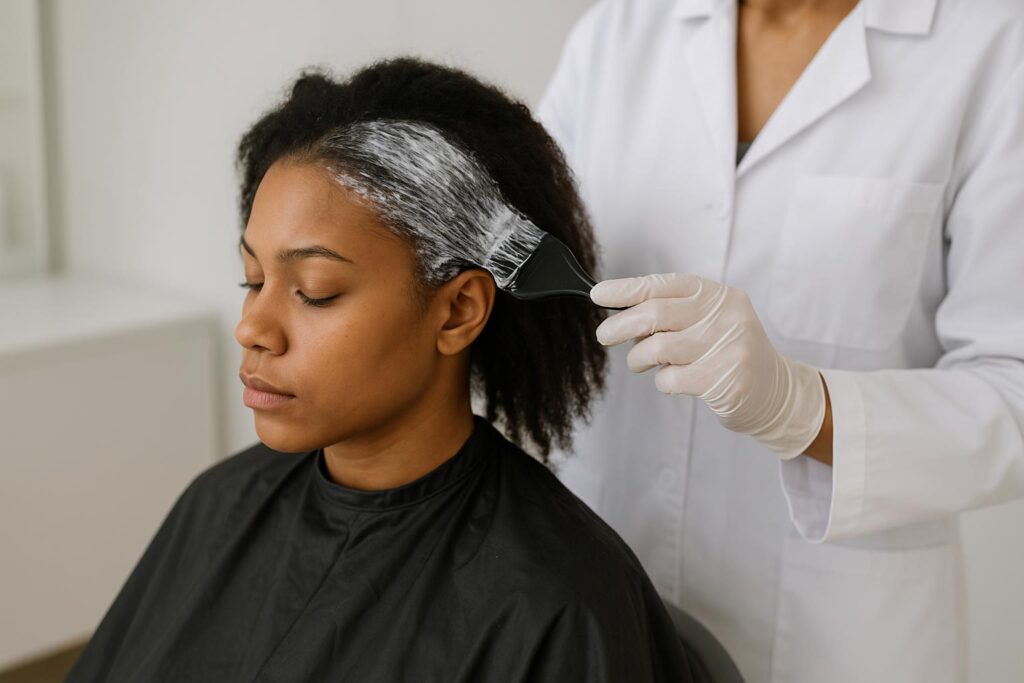
Filing a Hair Relaxer Cancer Lawsuit: Step-by-Step
Understanding how to file a hair relaxer lawsuit can help you prepare for the process. Each step requires careful documentation and adherence to legal deadlines.
- Initial Consultation: Speak with a legal intake specialist to determine eligibility.
- Evidence Collection: Gather medical and product use records.
- Case Filing: Your attorney files a complaint in federal or state court.
- Discovery Phase: Both sides exchange evidence and expert testimony.
- Settlement Negotiations: Many cases resolve before trial through negotiated settlements.
- Trial (if necessary): If no settlement is reached, your case may proceed to trial.
Timely filing is critical. Each state has a statute of limitations that limits how long you have to bring a claim after diagnosis. Missing this deadline could bar your right to compensation.
Find out if you qualify for the hair relaxer cancer lawsuit before time runs out and protect your legal rights today.
Compensation for Hair Relaxer Injuries
Victims pursuing a hair relaxer uterine cancer claim or hair relaxer ovarian cancer lawsuit may seek compensation for both economic and non-economic damages. Common categories include:
- Medical bills and ongoing treatment costs
- Lost income and reduced earning capacity
- Pain, suffering, and emotional distress
- Loss of consortium or companionship
- Funeral expenses in wrongful death cases
Each case is unique, and compensation depends on the evidence presented and the extent of harm suffered. Legal teams evaluate all available damages to pursue the maximum recovery allowed under the law.
Scientific Research Linking Hair Relaxers to Cancer
Multiple studies have identified a link between chemical hair straighteners and hormone-related cancers. The NIH study found that women who frequently used hair relaxers had more than double the risk of developing uterine cancer compared to non-users. Researchers believe that chemicals such as phthalates, parabens, and formaldehyde-releasing agents may disrupt the endocrine system, leading to abnormal cell growth.
Additional research published in PubMed supports these findings, emphasizing the need for further investigation into long-term exposure risks. These studies form a critical foundation for ongoing litigation and consumer awareness.
Timeline and Next Steps
The timeline for a hair relaxer cancer lawsuit can vary depending on the complexity of the case and court schedules. Generally, the process may take several months to years. Early participation in the MDL can help ensure your claim is properly filed and included in future settlement discussions.
Acting quickly is essential. Evidence can degrade over time, and statutes of limitation may expire. If you suspect your cancer diagnosis is linked to chemical hair straighteners, do not delay seeking legal evaluation.
Start your free hair relaxer cancer lawsuit claim review immediately to preserve your rights and explore your legal options.
Frequently Asked Questions About the Hair Relaxer Cancer Lawsuit
What cancers are linked to hair relaxer use?
Studies have primarily linked hair relaxer use to uterine, ovarian, and endometrial cancers. These cancers are believed to result from exposure to endocrine-disrupting chemicals found in many hair straightening products.
How do I know if I qualify for a hair relaxer cancer claim?
You may qualify if you regularly used chemical hair relaxers and were later diagnosed with a related cancer. Eligibility depends on your medical history, product use, and timing of diagnosis.
What evidence do I need to file a claim?
Evidence may include medical records, proof of product use, and expert opinions linking your diagnosis to chemical exposure. Even without receipts, other documentation can support your case.
How long do I have to file a hair relaxer lawsuit?
Each state has its own statute of limitations, typically ranging from one to three years after diagnosis. It is important to act quickly to avoid missing your filing deadline.
Are there any settlements yet?
As of now, no global settlements have been finalized. However, litigation is ongoing, and settlement discussions may occur as evidence develops and cases progress.
Can family members file a claim for a deceased loved one?
Yes. Family members may file a wrongful death claim if a loved one passed away due to cancer linked to hair relaxer use. Compensation may cover funeral costs and loss of support.
How much compensation can I expect?
Compensation varies based on medical costs, lost wages, and the severity of harm. While no specific amounts are guaranteed, experienced attorneys can estimate potential case value based on similar mass torts.
To learn more about your rights, see if you qualify for compensation in the hair relaxer cancer lawsuit right now.